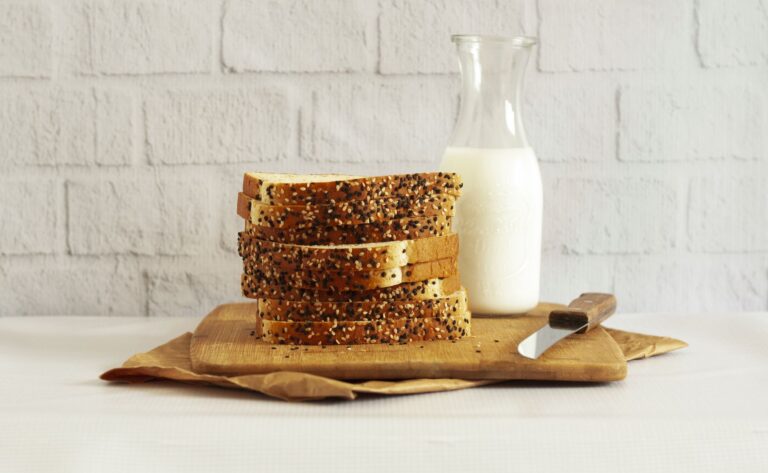



Rye nutrition refers to the nutrient package carried by Secale cereale, a hardy cereal grain closely related to wheat and barley. A 100-gram portion of whole rye supplies roughly 15 grams of dietary fiber, much of it soluble arabinoxylan, along with manganese, magnesium, and B vitamins that support steady blood sugar and a well-fed gut microbiome.
This guide covers rye’s full nutritional profile, from its standout fiber and micronutrient content to the research-backed health benefits and potential side effects, helping anyone weighing whole grains make a confident, informed choice.
Rye as a Cereal Grain and Where It Fits in the Modern Diet
Two thousand years of Northern and Eastern European baking explain why rye still anchors so many regional pantries. The grain tolerates poor soil and cold climates where wheat struggles, which kept it central in Scandinavia, Poland, Germany, and Russia long before global trade leveled regional diets.
Modern milling splits rye into several forms, and the Whole Grains Council labels a product whole grain only when the bran, germ, and endosperm stay together. That whole-grain status disappears the moment rye is refined into pale flour for delicate cakes or soft sandwich loaves.
Forms You Can Buy
- Whole rye berries: the intact grain, chewy and nutty, cooked like barley in soups and grain bowls.
- Cracked rye and rye flakes: berries cut or rolled for faster cooking, ideal for porridge or overnight muesli.
- Rye flour: ground from light to dark, with darker flours carrying more bran and a stronger flavor.
- Sourdough rye bread and pumpernickel: traditional loaves that rely on long fermentation to tame rye’s dense crumb.
- Crispbread and rye crackers: dry, low-moisture snacks that keep for weeks on the shelf.
- Rye whiskey: distilled from a mash that is at least 51% rye, a category set by U.S. federal rules.
Why It Still Anchors Regional Cuisines
Rye carries a slightly sour, earthy note that comes from arabinoxylan fiber and from lactic acid bacteria in traditional sourdough starters. Bakers also prize its water-absorbing capacity, which keeps rye bread moister than wheat bread for several days on the counter, a small but real kitchen advantage.
The Nutritional Profile of Rye, From Fiber to Micronutrients
Per 100 grams of dry whole rye grain, the USDA FoodData Central database lists about 15 grams of protein, 70 grams of carbohydrate, and roughly 15 grams of total dietary fiber, with most of that fiber classed as soluble. The same serving delivers well over 100% of the Daily Value for manganese, plus meaningful magnesium, phosphorus, and several B vitamins.
What the Fiber Is Doing
Arabinoxylan, the dominant soluble fiber in rye, dissolves into a thick gel in the gut. That gel slows stomach emptying and physically blocks some starch from being digested in the small intestine, which lowers the post-meal glucose spike. Wheat fiber is mostly insoluble, so the two grains behave very differently in your digestive tract even when total fiber numbers look similar.
Micronutrients and Plant Compounds Worth Naming
Manganese stands out first, supporting bone formation and the enzymes that protect cells from oxidative damage. Magnesium and phosphorus round out the mineral contribution, while B vitamins help convert food into energy. Beyond vitamins, rye contains lignans, alkylresorcinols, and ferulic acid, plant compounds with antioxidant activity that survive into finished bread and porridge.
Those plant compounds do more than sit quietly in the bread, and clinical studies have begun to track what they actually do in the body.
| Component (per 100 g dry whole rye) | Approximate Amount | Why It Matters |
|---|---|---|
| Protein | ~15 g | Comparable to wheat, lower in gluten-forming strength |
| Total dietary fiber | ~15 g | Mostly soluble arabinoxylan |
| Manganese | ~120% Daily Value | Bone and enzyme cofactor |
| Magnesium | ~30% Daily Value | Muscle and nerve function |
| Phosphorus | ~35% Daily Value | Energy metabolism and bone structure |
| Lignans and alkylresorcinols | Trace–small | Plant compounds with antioxidant activity |
What the Research Shows About Rye’s Health Benefits
Most peer-reviewed findings point the same direction: whole rye is good for you, and a few specific benefits hold up better than others. The strongest evidence sits in satiety, blood sugar control, and gut health, with heart and metabolic benefits following close behind.
Satiety and Appetite Control
Because arabinoxylan forms a viscous gel, rye-based breakfasts keep you full longer than equivalent refined-wheat meals. Several controlled feeding trials have measured higher self-reported fullness and lower subsequent calorie intake in the four to six hours after a rye-based morning meal.
Blood Sugar and Diabetes Management
Rye’s glycemic index sits in the low 40s to low 50s, well below white bread at 70 or higher. That slower glucose release matters if you are managing type 2 diabetes or prediabetes, and trials show rye-based breads produce flatter postprandial curves than wheat breads of similar carbohydrate content.
Whole rye and rye-based sourdough are useful carbohydrate swaps for steadier energy, not a replacement for any medical plan your doctor has set.
Heart, Gallstone, and Cancer Risk
Large cohort studies in Scandinavian populations, where rye intake has been tracked for decades, link higher whole-grain rye consumption with lower cardiovascular mortality, a finding the American Heart Association reinforces for whole grains in general. Evidence for reduced gallstone risk and modest colorectal cancer risk reduction is suggestive but less conclusive, and a qualified clinician can help you weigh what applies to your own situation.
Gut Microbiome and Prebiotic Effects
When arabinoxylan reaches the colon, gut bacteria ferment it into short-chain fatty acids, including butyrate. Butyrate is the preferred fuel for colon cells and is associated with a healthier gut lining. A balanced diet of mixed fibers, not rye alone, gives you the best microbiome result.
Rye Compared With Wheat, Barley, and Oats
Side by side, rye holds its own or wins on fiber and micronutrients, while losing on baking flexibility. The right choice depends on what you want from the grain.
| Grain (whole, per 100 g dry) | Fiber | Protein | Gluten | Typical Glycemic Index |
|---|---|---|---|---|
| Rye | ~15 g | ~15 g | Contains secalin (related) | ~45 |
| Wheat | ~10–12 g | ~13 g | Contains gliadin and glutenin | ~55–70 |
| Barley | ~15–17 g (high beta-glucan) | ~12 g | Contains hordein (related) | ~30 |
| Oats | ~10 g (mostly beta-glucan) | ~13 g | No gluten, but often cross-contact | ~55 |
Flavor, Texture, and Baking Behavior
Rye absorbs roughly twice as much water as wheat flour by weight, which is why a rye dough feels heavy and sticky. Lacking strong gluten, it cannot trap gas the way wheat does, so a pure rye loaf is dense and flat unless you lean on sourdough fermentation, long proofs, or blending with wheat flour.
Which Grain Wins for Each Goal
For maximum fiber and satiety, rye and barley are roughly tied, with barley’s beta-glucan offering a different but equally valuable soluble fiber. For low glycemic impact, barley usually lands lowest, with rye close behind. For a tender baked good, wheat is still the practical choice. For the most allergen-friendly option in this group, oats win, provided you pick a brand processed in a gluten-free facility.
Side Effects, Sensitivities, and Who Should Avoid Rye
Whole rye is safe for most adults, but a few situations call for caution. Knowing the failure modes upfront saves a lot of digestive trouble later.
Digestive Discomfort From a Sudden Fiber Jump
Adding 15 grams of fiber to your day overnight is a reliable way to earn a day of bloating, gas, and loose stools. Build up gradually over a week or two, drink plenty of water, and let your gut microbiome adapt. Most people tolerate the steady increase without any symptoms at all.
Celiac Disease and Gluten Sensitivity
Rye contains secalin, a prolamin protein related to the gluten in wheat and the hordein in barley. People with celiac disease or non-celiac gluten sensitivity should treat rye as unsafe. Cross-contact during milling and baking is common, so even labeled gluten-free facilities are worth confirming with the maker.
Phytic Acid and Mineral Absorption
Whole grains, including rye, carry phytic acid, which binds minerals such as iron, zinc, and calcium and can modestly reduce their absorption. Soaking, sprouting, and especially long sourdough fermentation all break down phytic acid and improve mineral availability. Traditional rye bread cultures were solving this problem long before nutrition scientists named it.
A Note on Ergot
Ergot, a toxic fungus that can infect rye and other cereals, caused devastating epidemics in medieval Europe. Modern grain cleaning, fungicide use in conventional farming, and federal grain standards have made ergot contamination rare in the U.S. food supply, though very dark pumpernickel can contain trace alkaloids at safe levels.
Bringing Rye Into Everyday Meals, From Bread to Breakfast
You do not need to abandon wheat to enjoy rye. Small swaps and blends work beautifully, and your gut will appreciate the variety.
Easy Starting Points
- Rye toast at breakfast: swap one slice of white or whole-wheat toast for a slice of dense rye to add about 2 grams of fiber in 30 seconds.
- Rye flakes for porridge: cook 1 part rye flakes to 3 parts water or milk for 5–8 minutes, then top with fruit and nuts.
- Cracked rye in soup: add a half-cup of dry cracked rye to vegetable or chicken soup in the last 20 minutes for a hearty, chewy texture.
- Rye crackers and crispbread: keep a box on hand for snacking with hummus, cheese, or avocado.
Baking Basics for Beginners
Start with a 50/50 blend of rye flour and bread flour for your first loaf. Boost hydration to about 75% water by weight of flour, give the dough a long cool proof, and shape gently because rye dough is sticky and lacks wheat’s structural backbone. Sourdough rye becomes much easier once you have built an active rye or whole-wheat starter.
Pairings and Smart Substitutions
Rye plays well with strong flavors: smoked fish, sharp cheese, caraway seeds, beets, mushrooms, and dark berries. In a mixed-grain bowl, replace up to a third of your usual rice or barley with cooked rye berries for an earthier base. A tablespoon of dark rye flour whisked into a pot of beef stew acts as a mild thickener with a richer color than wheat flour.
Reasonable Daily Amounts
A practical target is one to two servings of whole rye per day, roughly 30 to 60 grams of dry grain equivalent. That amount gives you the fiber and micronutrient benefits without overwhelming a fiber-naive gut, and it leaves plenty of room for other grains in your weekly rotation.
FAQ
What are the nutritional benefits of eating rye?
Rye delivers about 15 grams of fiber per 100 grams, with most of it as soluble arabinoxylan, along with high manganese, magnesium, and B vitamin content. Those nutrients support digestion, steady blood sugar, and bone health.
Is rye bread healthier than wheat bread?
Whole rye and rye-based sourdough are typically higher in fiber and have a lower glycemic index than white or even some whole-wheat breads. The answer depends on the specific loaf, so check the ingredient list for whole rye flour near the top.
Does rye help lower blood sugar?
Several clinical trials show rye-based meals produce smaller post-meal glucose rises than refined wheat products, thanks to its soluble fiber and dense crumb. It is a useful carbohydrate choice, not a treatment, so follow your doctor’s plan for managing blood sugar.
Can people with celiac disease eat rye?
No. Rye contains secalin, a gluten-related protein that triggers the same immune response in people with celiac disease. Treat it like wheat and barley, and confirm any gluten-free label with a qualified professional.
What are the side effects of eating too much rye?
The most common issues are gas, bloating, and loose stools from a sudden jump in fiber. Build up gradually, drink water, and let your gut adjust over one to two weeks to avoid most problems.
How much fiber is in rye compared to other grains?
Whole rye provides about 15 grams of fiber per 100 grams, beating whole wheat (~10–12 g) and oats (~10 g) and tying with barley (~15–17 g) on a gram-for-gram basis. The fiber type differs, with rye favoring arabinoxylan and barley leading on beta-glucan.