
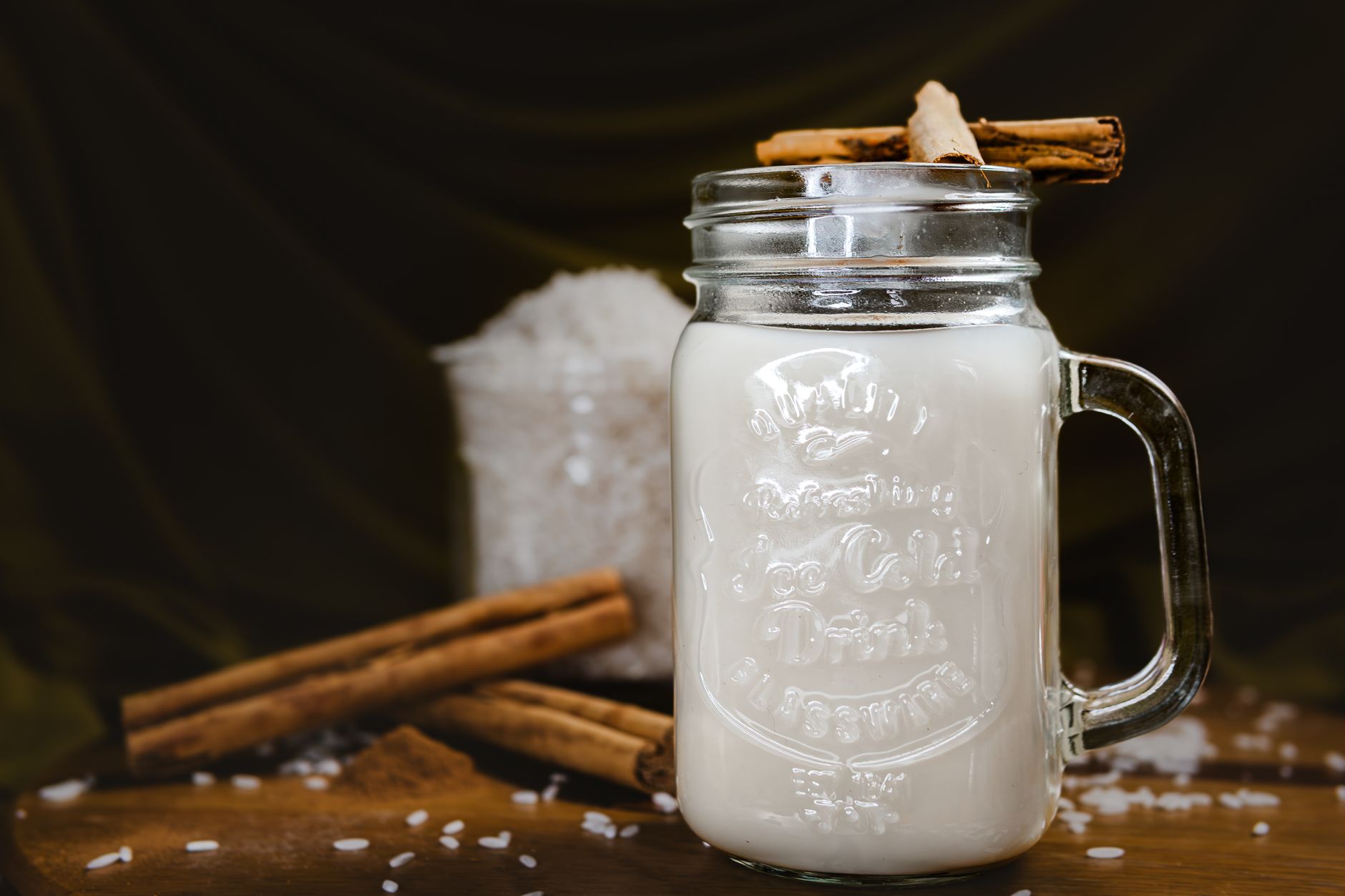

Blending cooked rice with water and straining out the solids produces a thin, mildly sweet liquid that most people with food allergies can tolerate. One cup of the unsweetened, fortified version supplies around 115 calories, very little protein, and no saturated fat, while delivering added calcium and vitamin D that rival what you get from a glass of cow’s milk. Because it contains almost no protein and carries a high glycemic load, it works best as part of a varied diet rather than a daily protein source.
This guide breaks down what rice milk is, how it stacks up nutritionally, and where it fits in a balanced diet for anyone exploring dairy-free options.
What Rice Milk Actually Is and How It Gets Made
Cooked white or brown rice gets blended with water, then passed through a fine strainer or pressed through cheesecloth to remove the gritty solids. The result is a pale, slightly sweet liquid with a watery texture that pours much like skim dairy milk.
Brown rice versions keep more of the grain’s natural fiber and trace minerals, so the finished product carries a deeper flavor and a faintly beige color. White rice versions look brighter, taste cleaner, and stay neutral in coffee or cereal, which is why most commercial brands start with white rice.
What Manufacturers Add Before the Carton
Most store-bought versions contain more than just rice and water. A short look at the ingredient panel typically reveals added vitamins, oils, gums, and sometimes sugar, all chosen to fix problems the basic recipe leaves behind.
- Enzymes break down rice starches into simpler sugars, which smooths the texture and gives the natural sweetness you notice on the first sip.
- Calcium, vitamin D, and vitamin B12 get added to bring the nutrition closer to what dairy milk provides, since rice alone offers very little of these nutrients.
- Vegetable oils like sunflower or safflower give the beverage a creamier mouthfeel and help mix the added vitamins into the liquid.
- Gums such as gellan or carrageenan keep the solids from settling to the bottom and stop the liquid from separating in your coffee.
Homemade rice milk skips all of these extras. You control the sweetness, skip the fortification, and lose the long shelf life, but you also avoid stabilizers that some sensitive stomachs react to.
The Nutritional Profile of Rice Milk at a Glance
One cup of plain, fortified rice milk delivers roughly 115 calories, 0.7 g of protein, 2 g of fat (mostly from added oils), and 22 g of carbohydrates, almost all of them sugars. That same cup provides about 25 to 30 percent of your daily calcium and vitamin D needs when the label says fortified, along with small amounts of manganese, magnesium, and several B vitamins.
Switch to a sweetened, non-fortified brand and the numbers shift quickly. A chocolate or vanilla version can climb past 130 calories and 19 g of added sugar per cup, which changes the health picture a great deal.
Rice Milk vs. Dairy Milk by the Numbers
| Nutrient (1 cup) | Rice Milk (fortified, unsweetened) | Whole Cow’s Milk |
|---|---|---|
| Calories | ~115 | ~150 |
| Protein | 0.7 g | 8 g |
| Fat | 2 g | 8 g |
| Saturated Fat | 0 g | 4.5 g |
| Carbohydrates | 22 g | 12 g |
| Sugars | ~10 g (added and natural) | 12 g (natural lactose) |
| Calcium (fortified) | ~300 mg | ~300 mg |
| Vitamin D (fortified) | ~100 IU | ~100 IU |
Check the nutrition label on any brand you pick up. Vanilla, chocolate, and “original” versions often hide 12 to 20 g of added sugar per cup, while unsweetened versions keep the total sugar closer to the natural starches in rice.
Why People Reach for Rice Milk and Where It Falls Short
For anyone juggling multiple food allergies, rice milk solves a problem almost no other plant milk can match. It contains no lactose, no soy, no nuts, and no gluten, which makes it the most universally tolerated option on the shelf.
The flavor helps too. A gentle, natural sweetness and a thin, light body make rice milk an easy swap for kids who refuse almond or soy milk, and it blends into cereal without the beany aftertaste that turns some people off soy.
The Real Trade-offs to Weigh
Those same qualities that make it safe and palatable also limit how useful it is as a nutritional stand-in for dairy.
That gap between comfort and completeness is exactly where the safety questions start to surface.
- Very low protein. Dairy milk delivers about 8 g of protein per cup, while it offers under 1 g, so it cannot anchor a meal the way milk or soy can.
- High glycemic index. Rice starches break down into glucose quickly, so it can raise blood sugar faster than almond, soy, or cow’s milk.
- Mostly carbohydrate calories. More than 80 percent of the calories in a cup come from carbs, which leaves less room for the fat and protein your body needs to feel full.
- Limited micronutrients without fortification. Plain rice supplies a few B vitamins and some manganese, but it falls short of the calcium, vitamin D, and B12 that fortified versions add back in.
Side Effects and Safety Concerns Worth Knowing
Rice absorbs inorganic arsenic from the soil and groundwater more readily than most other grains, and the arsenic ends up concentrated in the liquid you drink. A cup of it contains more inorganic arsenic per serving than a cup of cooked rice does, because the plant takes up arsenic from the water during cooking and the straining step does not remove it.
Long-term, high intake of rice-based products has prompted the FDA to recommend limiting it consumption, especially for toddlers and pregnant women, because early-life arsenic exposure links to developmental concerns.
Other Watch-outs on the Label
Arsenic gets the most attention, but several other ingredients deserve a careful look before you commit to a daily carton.
- Added sugars in flavored or “original” varieties can stack up fast and turn a healthy swap into a sugar source.
- Carrageenan and other stabilizers cause digestive upset in some people, including bloating and loose stools.
- Refined oils like sunflower or safflower bump the calorie count without adding much nutrition.
- Low protein content makes it a poor choice for infants and toddlers, who need denser nutrition for growth.
Pediatric guidance in the UK and several US health bodies recommends that children under five not rely on it as a primary beverage, and that it should not replace breast milk, formula, or fortified soy milk in a young child’s diet.
How Rice Milk Stacks Up Against Other Plant Milks
No single plant milk wins every category. Soy milk leads on protein, almond milk wins on calorie count, oat milk matches it’s creaminess while adding heart-friendly fiber, and it owns the allergen-safety category. Picking the right one depends on which nutrient or feature matters most in your situation.
Side-by-Side Comparison
| Plant Milk (1 cup, fortified) | Calories | Protein | Sugar | Allergen Profile |
|---|---|---|---|---|
| it | ~115 | 0.7 g | ~10 g | Free of dairy, soy, nuts, gluten |
| Soy milk | ~80 | 7 g | ~1 g | Free of dairy, nuts, gluten (soy allergen) |
| Almond milk | ~30 | 1 g | 0 g | Free of dairy, soy, gluten (nut allergen) |
| Oat milk | ~120 | 3 g | ~7 g | Free of dairy, soy, nuts (contains gluten unless certified) |
| Coconut milk (beverage) | ~45 | 0 g | 0 g | Free of dairy, soy, nuts, gluten |
Soy milk remains the closest nutritional match to dairy, offering comparable protein along with isoflavones that it lacks. Oat milk provides beta-glucan, a soluble fiber that supports heart health, though its glycemic load sits close to it’s. Coconut milk works better as a creamy cooking ingredient than a daily glass, since its saturated fat content adds up quickly.
Knowing where rice milk lands next to its peers makes it easier to see where it actually belongs in the kitchen.
Practical Ways to Use Rice Milk in Everyday Cooking
it behaves differently from creamier plant milks, so it shines in some applications and stumbles in others. A few smart pairings help you get the most out of every carton.
Where It Performs Best
- Smoothies and shakes get a natural sweetness boost without needing extra sugar, which works well in berry or banana blends.
- Hot cereals like oatmeal or cream of rice absorb the thin liquid quickly and turn creamy without turning gluey.
- Baked goods substitute cup-for-cup for dairy milk, though thinner batters may need a tablespoon of flour to firm up.
- Asian-inspired sauces for stir-fries, soups, and curries benefit from the neutral flavor, which lets ginger, garlic, and soy sauce lead.
- Chilled desserts like panna cotta, rice pudding, and ice cream bases get a delicate sweetness without dairy heaviness.
Where It Struggles
Coffee and tea are the tricky spots. The thin consistency separates when it hits a hot cup, leaving watery streaks through your drink. Baristas often add a small amount of lecithin or choose barista-blend versions with extra fats to keep the texture stable.
Pair it with a protein-rich side at every meal, like a handful of nuts, a spoon of nut butter, or a side of legumes, to balance the low protein content and keep your blood sugar steadier.
Who Should Drink Rice Milk and Who Should Choose Differently
it earns its place in kitchens where multiple food allergies rule out soy, nut, and dairy options. People with lactose intolerance, a cow’s milk protein allergy, or combined nut and soy sensitivities get a safe, palatable option that other plant milks cannot match.
It also works as a short-term choice for kids recovering from stomach bugs, when a doctor recommends a gentle, low-fiber, low-fat beverage. Under pediatric guidance, a few days of it can ease the transition back to a regular diet.
Who Should Look Elsewhere
- Infants and toddlers need the protein, fat, and calories that breast milk, formula, or fortified soy milk provide in much denser form.
- People with diabetes or insulin resistance should watch portions because the high glycemic index can spike blood sugar faster than other plant milks.
- Athletes and active adults building or maintaining muscle will find soy or pea-based milks far more useful for protein recovery.
- Anyone seeking nutritional parity with dairy will fall short on protein, B12, and fat content unless they pair it with other nutrient-dense foods throughout the day.
Rotating between several plant milks, rather than pouring it on every cereal bowl, gives you the allergen safety of rice with the protein of soy, the calcium of oat, and the heart-healthy fats of almond across a balanced week.
Bottom Line
it fills a unique gap in the plant milk aisle as the most allergy-friendly option available, but it comes with real trade-offs in protein, glycemic impact, and arsenic content. Use it as a tool in a varied routine rather than a daily nutritional anchor, and pair it with protein-rich foods to round out what it lacks.
FAQ
Is rice milk good for you?
it can be a healthy part of a balanced diet, especially for people who cannot tolerate dairy, soy, or nuts. Unsweetened, fortified versions add calcium and vitamin D, but the very low protein and high glycemic index mean it works best alongside protein-rich foods rather than as a standalone nutritional source.
What are the side effects of drinking rice milk?
The main concerns are inorganic arsenic, which rice plants absorb from soil and water, and added sugar in flavored versions. Some people also experience bloating from gums and stabilizers like carrageenan. Children under five should not rely on it as a primary beverage, and people with diabetes should watch portions because of the high glycemic impact.
Is rice milk healthier than cow’s milk?
It depends on your needs. it contains no saturated fat, no cholesterol, and no lactose, which makes it safer for people with heart concerns or dairy allergies. Cow’s milk delivers far more protein, natural B12, and fat, which makes it more filling and better for muscle maintenance. Neither is universally healthier; the better choice depends on your health priorities.
Can you make rice milk at home?
Yes. Blend one cup of cooked white or brown rice with three to four cups of water, then strain through cheesecloth or a nut milk bag. Homemade versions lack the calcium and vitamin D fortification of commercial brands, and they keep in the refrigerator for only three to four days, so plan to make small batches.
Does rice milk contain arsenic?
Yes. Rice absorbs inorganic arsenic from soil and groundwater, and it concentrates more arsenic per serving than cooked rice does. The FDA has issued guidance recommending that toddlers, pregnant women, and people who drink large amounts limit their it intake and rotate with other plant milks to reduce cumulative exposure.
Is rice milk safe for babies?
it is not recommended as a primary beverage for infants or toddlers under five. It lacks the protein, fat, and calories babies need for growth, and the arsenic content adds unnecessary exposure during a sensitive developmental window. Pediatric guidelines recommend breast milk, formula, or fortified soy milk for young children instead.