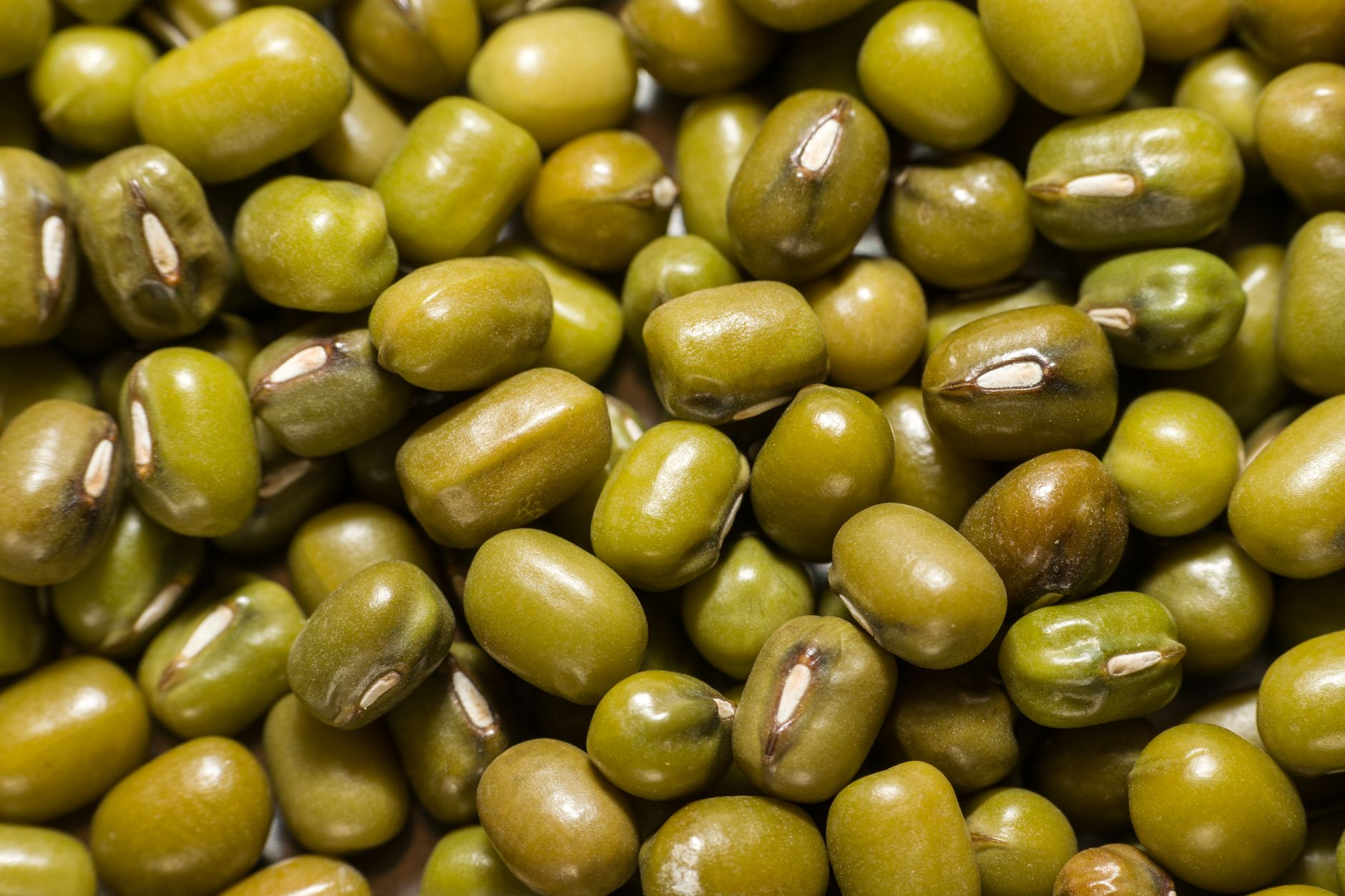

Mung beans (Vigna radiata) are small, green-seeded legumes that deliver roughly 7g of plant-based protein and 7g of dietary fiber per cooked 100g serving, along with folate, magnesium, and manganese. You can trace mung beans nutrition benefits side effects uses through their low glycemic index, antioxidant content, and easy digestibility, which is why they appear in Indian dals, Chinese congee, and Korean pancakes, and why they quietly outperform many common beans on digestion and blood sugar.
This detailed guide breaks down the nutrition, proven benefits, potential side effects, and everyday culinary uses of mung beans, with practical guidance for anyone curious about adding this protein-rich legume to their routine.
What Mung Beans Are and Where They Come From
Mung beans (Vigna radiata) are small, olive-green legumes first cultivated on the Indian subcontinent more than 4,000 years ago, with archaeological records placing their domestication there. India still grows and consumes more of them than any other country, and the crop spread eastward through China, Korea, Japan, and Southeast Asia, where it became a staple in Ayurvedic khichdi, Korean bindae-tteok pancakes, and Chinese herbal congee.
Three forms show up on American shelves, and each behaves differently in the kitchen. Whole green mung beans keep their skin on, hold shape when simmered, and carry the most fiber and skin-bound antioxidants. Split mung dal (sometimes labeled “moong dal”) has the skin removed, cooks in about 20 minutes, and digests more gently. Fresh mung bean sprouts, often sold in clamshells near the produce, bring a crisp texture and a vitamin C boost, but they also need careful handling because raw sprouts can harbor bacteria.
Forms Available in the US Market
Whole green mung beans are the closest form to the traditional seed and the easiest to sprout at home. Split mung dal trades a little fiber for speed and digestibility, which is why it dominates in Indian households. Bean sprouts and mung bean flour round out the lineup, and mung flour has become a quiet favorite for gluten-free baking because of its protein content near 20-25% by weight.
Ayurveda classifies mung beans as a cooling, tridosha-balancing food easier to digest than most other legumes, a claim that lines up with modern observations about their lower oligosaccharide content compared with kidney or black beans. That gentler reputation explains why split mung dal is often the first legume recommended in traditional Indian recovery diets after illness or fasting periods.
The Nutritional Profile of Whole, Split, and Sprouted Mung Beans
Nutrition shifts noticeably depending on the form you pick. Whole mung beans deliver the most fiber and skin-bound antioxidants, split mung dal trades a small amount of that fiber for a softer texture, and sprouted mung beans gain vitamin C and several B vitamins while dropping in calorie density per cup.
The glycemic index of mung beans sits in a low-to-moderate range, roughly 25 to 55 depending on form and processing, which is one reason they fit well into balanced blood-sugar meals. Cooling cooked beans and reheating them later also forms resistant starch, a carbohydrate that feeds beneficial gut bacteria rather than spiking glucose.
| Form (per 100g cooked) | Calories | Protein | Fiber | Best for |
|---|---|---|---|---|
| Whole green mung beans | ~105 kcal | ~7g | ~7g | Hearty salads, sprouts, stews |
| Split mung dal (no skin) | ~100 kcal | ~7g | ~4g | Quick dals, soups, baby food |
| Sprouted mung beans | ~30 kcal | ~3g | ~2g | Salads, stir-fries, sandwiches |
Whole mung beans are nutritionally denser per cooked serving than many other pulses, edging out black beans and pinto beans in fiber while trailing soybeans and lentils in absolute protein density. That balance, combined with a milder flavor, makes mung beans such a flexible starting point for anyone moving toward more plant-based meals without losing satiety.
Evidence-Based Health Benefits Worth Knowing
Mung beans earn most of their reputation from four mechanisms: soluble fiber that lowers LDL cholesterol, resistant starch and low glycemic load that steady blood sugar, polyphenols like vitexin and isovitexin that dial down inflammation, and a protein-to-fiber ratio that supports fullness. Each of these carries a different strength of evidence, and treating them as interchangeable is a common mistake in wellness writing.
Human trials on mung beans are still smaller than the body of research behind oats or soybeans, but the signals are consistent enough to act on. Animal and small human studies form most of the inflammatory-marker evidence, while cardiovascular and blood-sugar data draw on both legume-family research and mung-specific trials published in journals indexed by PubMed and the Cochrane Library.
Cardiovascular and Blood Sugar Effects
Regular intake links to lower LDL cholesterol and modest blood pressure reductions, driven by soluble fiber, potassium, and the polyphenols concentrated in the seed coat. The low glycemic load combined with resistant starch improves post-meal glucose and insulin response, which is why dietitians often recommend mung beans for type 2 diabetes and pre-diabetes meal plans. A practical example: swapping a refined-grain side for a cup of cooked mung dal at lunch typically produces a noticeably flatter post-meal glucose curve over the next two hours.
Weight, Satiety, and Gut Health
High protein and 7g of fiber per 100g cooked make mung beans unusually filling for their calorie cost, and several legume-rich diet interventions show modest weight loss without aggressive calorie restriction. Fermentable fiber and resistant starch feed Bifidobacteria and butyrate-producing gut microbes, which most analyses link to a stronger gut barrier and steadier inflammation. Folate rounds out the picture by supporting methylation and keeping homocysteine in a healthy range, a marker the American Heart Association has flagged as relevant to cardiovascular risk.
Side Effects, Antinutrients, and Who Should Be Cautious
Gas and bloating are the most common complaints, and they come from raffinose-family oligosaccharides, the same sugars that trouble people eating a lot of beans. Soaking whole mung beans for 8 to 12 hours, rinsing well, sprouting them, or starting with a half-cup portion and working upward typically reduces the symptoms within a week or two.
Raw seeds also contain antinutrients like phytic acid, tannins, and lectins, which can bind minerals and irritate the gut in large amounts. Soaking, sprouting, and cooking drop these compounds significantly, and normal portion sizes of about half a cup to one cup cooked sit well within safe ranges for healthy adults. People with diagnosed gout sometimes need to watch legume intake because of moderate purine levels, around 100 to 150 mg per 100g dry, so large slow-simmered servings are a smarter choice to limit than small water-cooked portions.
Raw mung bean sprouts can carry Salmonella, E. coli, or Listeria. Home sprouting needs clean seed, twice-daily rinsing, and immediate refrigeration, and high-risk groups including older adults, pregnant women, and immunocompromised individuals should cook sprouts thoroughly before eating.
Legume allergies are uncommon but documented, and households with a history of soy or other pulse allergies should introduce mung bean protein in small amounts and watch for reactions. If digestive discomfort does not ease after a couple of weeks of prepared mung beans, a registered dietitian or gastroenterologist can help rule out broader food sensitivities.
Those precautions matter most when mung beans are eaten regularly, which makes preparation choices, buying, soaking, and cooking, worth getting right.
How to Buy, Soak, Sprout, and Cook Mung Beans
Whole green mung beans and mung dal are stocked at most Indian grocers, many Whole Foods and Sprouts locations, large online retailers, and the bulk bins of Costco. Fresh sprouts usually sit in the produce section of major chains, and mung flour has spread into gluten-free baking aisles over the past few years. Prices in the US typically run lower per serving than chickpeas or black beans, which makes mung beans an easy pantry upgrade for plant-based protein.
Cooking is straightforward once the ratios are dialed in. Use about 3 cups of water per 1 cup of whole beans, soak for 4 to 8 hours, then simmer for 25 to 35 minutes until tender. A pressure cooker shortens that to about 6 to 8 minutes. Split mung dal needs only a quick rinse and 20 to 25 minutes of gentle simmering, which is why it works so well on a busy weeknight.
Sprouting Mung Beans at Home
Soak whole seeds overnight, drain them in the morning, then rinse and drain twice daily for 2 to 4 days until the white tails reach the length of a bean. Store finished sprouts in a sealed container in the refrigerator and use them within 5 to 7 days. Discard any sprouts that smell sour or look slimy, since those are early signs of bacterial growth.
Cooked mung beans keep 4 to 5 days refrigerated and up to 3 months frozen, which makes them ideal for batch-cooking grain bowls on Sunday. A simple habit that pays off: cook a full pot of whole mung beans and a separate pot of mung dal on the same day, then portion them into containers for quick meals later in the week.
Putting Mung Beans to Work: Recipes, Pairings, and How They Compare to Other Legumes
Mung beans adapt to weeknight American cooking more easily than most people expect. Blended with tahini and lemon, they make a lighter, higher-protein hummus. Mashed with cooked grain and spices, they hold together as veggie burgers. Simmered with aromatics, they turn into a chicken-style soup, and toasted mung flour works in pancakes and baked goods where you want a protein boost without gluten.
Flavor pairings that cross cuisines include garlic, ginger, coconut milk, lemon, cumin, turmeric, tomatoes, leafy greens, and grains like brown rice, quinoa, and millet. Compared with lentils, mung beans are slightly lower in protein but gentler on digestion. Compared with chickpeas, they cook faster and contain less starch. Against soybeans, they offer less protein but more versatility and lower allergenicity for most households.
A One-Week Starter Framework
- Monday dal with brown rice covers a quick comfort meal that takes about 30 minutes from split mung dal to bowl.
- Wednesday sprout salad with lemon and olive oil adds a crunchy, vitamin C-rich lunch using sprouts you started two days earlier.
- Friday bean-and-vegetable soup turns leftover whole mung beans into something warming for the whole household.
- Sunday mung-flour pancakes give breakfast a savory twist and sneak in about 6g of plant protein per serving.
For a more direct comparison, mung dal digests faster than whole mung beans but loses some of the polyphenols locked in the skin. Sprouted forms sit between the two on protein and add live enzymes that some nutritionists associate with easier nutrient absorption, though the evidence there is still early-stage. Picking the form really comes down to what your meal needs: speed, texture, or maximum fiber.
The Big Picture
Mung beans earn a permanent spot in your pantry because they deliver real protein, real fiber, and real versatility at a low cost and with relatively gentle digestion. Start with split mung dal for easy weeknight wins, graduate to whole beans when you want more fiber, and reserve sprouts for fresh, crunchy dishes you plan to eat the same day. A small rotation like that covers most of the evidence-backed benefits without requiring new equipment or exotic ingredients.
FAQ
What are the nutritional benefits of mung beans?
Mung beans provide about 7g of plant-based protein and 7g of dietary fiber per 100g cooked, along with folate, magnesium, potassium, and manganese. They also contain polyphenols like vitexin and isovitexin that support healthy inflammation levels, and their low glycemic index helps steady post-meal blood sugar.
Are there any side effects of eating mung beans?
The most common side effect is gas and bloating from raffinose-family sugars, which usually eases with soaking, sprouting, and gradual portion increases. Raw sprouts carry a small risk of bacterial contamination, so high-risk groups should cook them, and people with diagnosed gout may want to keep portions moderate because of purine content.
How do you cook with mung beans?
A ratio of 1 cup soaked whole beans to 3 cups water, simmered 25 to 35 minutes (or pressure-cooked 6 to 8 minutes), produces tender mung beans ready for soups, curries, and salads. Split mung dal needs only 20 to 25 minutes of gentle simmering, and both forms work in soups, salads, burgers, and hummus-style spreads.
Do mung beans help with weight loss?
Mung beans can support weight management because their high protein and fiber content promote fullness on relatively few calories. Legume-rich diet studies show modest weight loss when they replace refined grains, though mung beans work best as part of an overall balanced pattern rather than a standalone solution.
Is it safe to eat raw mung bean sprouts?
Raw sprouts carry a real food-safety risk of Salmonella, E. coli, and Listeria. Home sprouting requires clean seed, frequent rinsing, and prompt refrigeration, and older adults, pregnant women, and immunocompromised individuals should cook sprouts thoroughly before eating.
How much protein is in mung beans?
A 100g serving of cooked whole mung beans delivers roughly 7g of protein, edging out pinto beans and matching black beans in this key macronutrient. Sprouted mung beans are lower at roughly 3g per 100g, while split mung dal holds steady near 7g because the skin removal affects fiber more than protein.