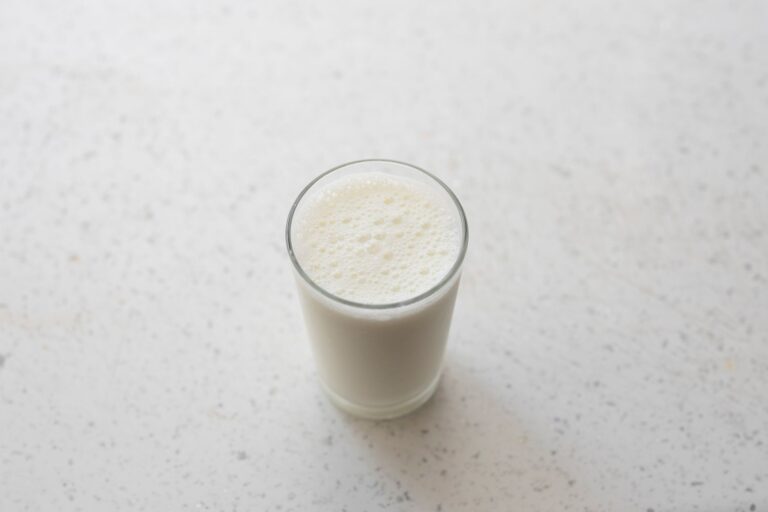

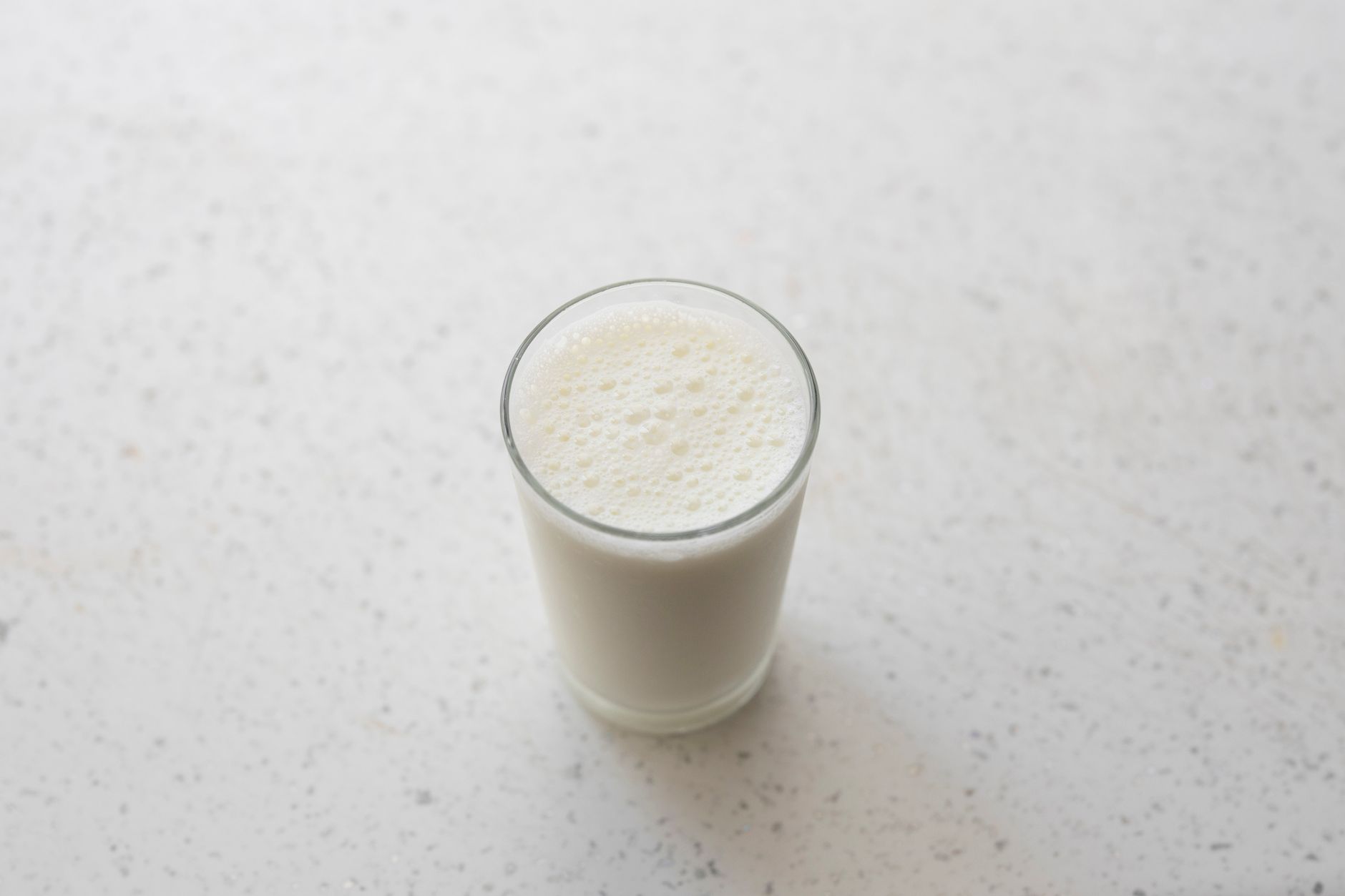

At roughly 10% fat and 12% protein by weight, the lactation secretion from Alces alces runs far denser than anything sitting in your fridge, and the numbers explain why. That concentration explains how a calf grows quickly on small volumes, and it also explains why the liquid draws attention as a curiosity food. Almost every product a person encounters under that name, however, is a blended calf milk replacer rather than anything harvested from a moose.
This article breaks down what moose milk really contains, how its nutrition stacks up against cow, goat, and plant-based options, and which potential benefits and risks curious drinkers should weigh before trying it.
What Moose Milk Actually Is Beyond the Novelty
True moose milk comes from a wild ruminant that no one has successfully domesticated for dairy. Lactation in a cow moose lasts only a few months after calving, the yield is small, and the animals roam hundreds of square kilometers of boreal forest. That biology alone rules out a steady human supply chain, no matter how curious the market becomes.
The product you can actually buy under the name “moose milk” splits into two unrelated categories. The first is a manufactured milk replacer designed to feed orphaned calves in wildlife rehabilitation or small-scale moose farms. The second is an old cultural drink found in parts of Russia, Finland, and the Baltics, where “moose milk” is a homemade liqueur blending spirits, cream, sugar, and coffee, sharing nothing with ruminant secretion except the name. Both create real confusion whenever someone tries to research the nutritional value.
Why Wild Moose Cannot Become Dairy Animals
Selective breeding built today’s Holstein and Jersey cows, and a similar project with moose has never gotten off the ground. Adults weigh 600 kg or more, antlers spread two meters wide, and stress hormones spike whenever a human gets close. Hand-milking one would be a serious safety event, and the animal would almost certainly dry up from the cortisol response. Any claim built on a steady moose-milk harvest is built on a biological impossibility.
The Two Products That Share the Name
Commercial milk replacers are powdered formulas mixed with warm water, sold in farm supply stores and wildlife rehabilitation catalogs. The cultural liqueur carries no nutritional overlap with real lactation and is closer to an after-dinner cream drink. Knowing which one you’re looking at matters before any claim about calories, protein, or side effects makes sense.
The Nutritional Profile of True Moose Milk
Lab samples pulled from captive moose in Russia and Sweden read more like the label on a meal replacement than the nutrition panel on a glass of dairy. The fat fraction runs near 10%, protein sits around 12%, and the lactose percentage falls below what you’d find in cow’s milk. That combination produces a calorie load roughly three to four times the energy density of standard whole cow’s milk.
Mineral content tracks the wild diet of willow, birch, and aquatic plants that moose browse across the year. Vitamin A and vitamin E concentrations trend higher than cow’s milk, mostly because the fat fraction carries fat-soluble compounds from fresh forage. Calcium and phosphorus levels stay close to goat milk, and the ratio between them supports bone development in a growing calf.
Macronutrients and Caloric Load
A single 100 ml serving of true moose milk delivers roughly 150 to 180 kcal, and most of that energy comes from fat rather than sugar. Protein contributes about 12 g per 100 ml, with casein as the dominant fraction, the same curd-forming protein that drives most dairy allergies. The lower lactose level makes it slightly easier to digest for mildly lactose-sensitive people, though it is far from lactose-free.
Seasonal and Dietary Variation
Nutrient content shifts with the seasons. Summer milk, when moose graze on fresh greens and aquatic plants, runs higher in fat-soluble vitamins and certain polyunsaturated fats. Winter milk, when forage is mostly woody browse, shows slightly lower energy density but higher mineral concentration. Batch-to-batch variation is a built-in feature, not a flaw, and it is one reason commercial replacers aim for a fixed profile rather than a snapshot of wild conditions.
That fixed commercial profile sets the baseline for stacking real moose milk against everyday options people already keep in the fridge.
Moose Milk Compared With Cow, Goat, and Plant-Based Milks
The clearest way to see the difference is to put the numbers side by side. Cow’s milk, goat’s milk, and any plant-based alternative fall well below the protein and fat density of true moose milk, even against the richest grass-fed options. Most plant milks match or beat cow’s milk only on a calcium-fortified label, not on natural protein content.
| Milk Type (per 100 ml) | Calories | Protein (g) | Fat (g) | Lactose |
|---|---|---|---|---|
| True moose milk | ~170 | ~12 | ~10 | Lower than cow |
| Cow’s milk (whole) | ~60 | ~3.3 | ~3.5 | ~4.8 |
| Goat’s milk | ~70 | ~3.5 | ~4 | ~4.5 |
| Soy milk (unsweetened) | ~45 | ~3.3 | ~2 | 0 |
| Oat milk (unsweetened) | ~45 | ~1 | ~1.5 | 0 |
Taste and texture diverge sharply from the chart. Moose milk carries a richer mouthfeel, a faintly grassy aroma, and a sweetness that comes from fat rather than sugar. Cow’s milk tastes lighter and more neutral, goat’s milk picks up a distinct tang from medium-chain fatty acids, and plant milks range from beany to grainy depending on the base. Digestibility is individual: goat milk forms a softer curd than cow milk, while most plant milks avoid the casein and lactose triggers entirely.
Why Plant Milks Cannot Match the Protein-to-Fat Ratio
Even fortified soy milk caps out near the protein level of cow’s milk and falls short of moose milk by a factor of three or four. Oat, almond, and rice milks typically deliver under 1.5 g of protein per 100 ml, so they cannot replicate the satiety or recovery profile that real moose milk offers. Anyone looking at moose milk as a high-protein dairy alternative needs to see it as a fundamentally different category of food.
Potential Health Benefits Worth Considering
Most claims about moose milk benefits sit at the edge of what real evidence supports. The macronutrient density is real, and so is the absence of processing, but the lack of any steady human supply means no large clinical trials have ever been run. Treat any benefit list as a starting point for curiosity, not a green light to seek out a product that basically does not exist in a consumable form.
High Protein Density and Satiety
Twelve grams of protein per 100 ml is a serious number, well above whey drinks and most sports recovery beverages. A small serving can blunt hunger for hours, and the casein fraction digests slowly, which some active people prefer before long efforts in cold weather. Whether the same effect would translate from wild-harvested milk to a commercial replacer is a separate question, since the protein source in most replacers is whey or skim milk powder, not moose casein.
Energy-Rich Fat for Cold-Climate Fueling
The 10% fat fraction includes short- and medium-chain fatty acids that the body can turn into quick energy. Traditional Arctic diets that include moose milk lean on this density because a few sips can fuel hours of work in subzero temperatures. Modern eaters rarely need that level of caloric packing in a single food, so the benefit flips into a drawback for anyone watching total energy intake.
Bioactive Compounds From Wild Forage
Plants like willow and birch carry polyphenols, and traces of those compounds show up in milk from animals that eat them. Some lab studies on elk and reindeer milk suggest modest antioxidant and anti-inflammatory potential, and moose milk likely shares part of that profile. Translation to human health remains unproven, and the compound levels are small compared to eating the plants directly.
Side Effects, Allergies, and Real Risks of Moose Milk
Side effects track closely with what you’d expect from any rich, undiluted dairy product. Most reported problems come from casein sensitivity, lactose intolerance, or simply from a fat load that overwhelms a sensitive stomach. The risks climb sharply whenever raw, unregulated milk enters the picture, and they shift to a different category entirely when the product is a calf replacer instead of human food.
Casein, Lactose, and Digestive Reactions
Casein is the protein most often linked to true milk allergies, and moose milk contains plenty of it. Lactose sits lower than cow’s milk but is not zero, so anyone with diagnosed lactose intolerance can still react. Symptoms range from bloating and gas within an hour to full hives and swelling in a true allergic case, and those reactions do not require a large serving to set off.
Stop and seek medical help if swelling spreads to the throat, breathing tightens, or hives cover large areas after any milk exposure. Severe dairy reactions can escalate within minutes.
The fat density is the quieter problem. Ten percent fat is roughly three times the level in whole cow’s milk, and the stomach has to work harder to break it down. People with gallstones, pancreatitis, or slow digestion often feel nauseated after a rich meal, and a high-fat dairy serving can trigger the same response.
Raw Milk and Bacterial Risk
Wild moose carry pathogens just like any ruminant, including E. coli, Listeria, and Brucella species. Pasteurization is the only proven way to neutralize those threats, and the small-scale, informal sourcing that defines any true moose milk harvest means pasteurization is rarely an option. The same caution applies to raw cow’s milk, but the stakes are higher here because supply chains are not monitored at all.
Risks Specific to Milk Replacers
Replacers for calves are formulated for ruminant digestion, not human digestion, and they often contain bovine whey, skim milk powder, and added vitamins calibrated for a growing moose. Improper mixing concentrates solids and can cause bloat, diarrhea, or a nutrient imbalance in the calf. Human consumption of these products is not the intended use, and the label typically states that clearly.
Those unintended risks also explain why a separate category of replacer exists, formulated for wildlife rather than the kitchen.
How to Use Moose Milk Replacer Safely and Find It
Replacers are the only “moose milk” a person can realistically buy, and they exist for animal care, not personal consumption. The label carries the mixing ratio, the target calorie density, and the feeding schedule that matches a calf’s growth stage. Following those instructions protects the animal and prevents the digestive upset that comes from over- or under-dilution.
Mixing and Feeding Steps for Orphaned Calves
Wildlife rehabilitators typically follow a routine built around the calf’s age and weight. Use a kitchen scale to weigh the powder, mix with warm water at the ratio printed on the bag, and feed at body temperature, around 38°C. A digital scale and a calibrated whisk are the two tools that make the difference between a smooth batch and a lumpy one.
- Sanitize the bottle and nipple: hot soapy water and a final rinse with boiling water keep bacteria from colonizing the rubber.
- Weigh the powder: scoop volume varies by humidity, and a kitchen scale removes the guesswork.
- Mix with warm water: add the powder to water at about 40°C and whisk until smooth, with no clumps clinging to the sides.
- Cool to body temperature: test a drop on your wrist, the same way you would with infant formula.
- Feed on demand: a healthy calf nurses in short bursts, and bottle-feeding should mimic that pace, not push volume.
- Clean up immediately: leftover milk spoils fast at room temperature and attracts bacteria the next round cannot overcome.
Aim for the consistency of thin pancake batter. Thicker mixtures clog nipples and overload the gut, and thinner mixtures fail to deliver the calories a young calf needs to grow. Adjustments are normal as the animal gains weight, but the label is the starting point for every batch.
Label-Reading Tips for a Balanced Replacer
Protein should land between 20% and 25% of dry matter for a milk-fed moose calf, with crude fat between 15% and 20%. A crude fiber line at 0.2% or lower signals a quality product, and a balanced mineral package includes calcium, phosphorus, and trace elements like selenium and zinc. Skip any product that lists animal fat as the first fat source, since ruminant fat digests differently than the vegetable oils calves are built to handle.
Reconstitution instructions should specify both powder weight and final volume, not just “one scoop per feeding.” That precision matters because small math errors compound across a day, and a calf that drinks six bottles ends up with a very different nutrient load depending on how each one was mixed.
Where Replacers Are Sold
Farm supply stores, wildlife rehabilitation suppliers, and a handful of specialty online retailers carry moose milk replacers, mostly in 5 kg or 25 kg bags. Prices run higher than standard calf milk replacers because the market is small, and shipping costs climb fast on heavy bags. A quick search for “moose milk replacer” alongside the country of shipping surfaces the main brands, though the menu changes by region.
For a curious eater, the practical takeaway is straightforward. True moose milk is essentially unavailable outside a few research stations, commercial replacers are animal nutrition products rather than food for you, and the cultural liqueur is a treat with no nutritional overlap. Treat any health claim built on real moose milk as theoretical until a steady, safe supply exists, and lean on more accessible dairy sources for the protein and fat benefits these labels hint at.
Until that supply gap closes, the practical guidance comes down to what a shopper can actually do today.
Bottom Line
Moose milk is a rare, dense, wild secretion that almost never reaches a human glass, and most of what gets sold under that name is a calf replacer or an unrelated liqueur. Its nutritional profile is genuinely high in protein and fat, but the same density creates real digestive risks for people with casein or lactose sensitivity, and raw sourcing adds bacterial danger on top. Treat the benefits as interesting biology, the products as animal care tools, and any health promise as unproven until a real human supply chain exists.
FAQ
What is moose milk and is it edible?
A wild Alces alces produces a thick, fat- and protein-heavy lactation secretion, yet almost no one outside a handful of research facilities will ever taste it. Commercially sold “moose milk” is a calf milk replacer, not a human food product, and the cultural “moose milk” liqueur is a flavored cream drink with no nutritional overlap.
What are the nutritional benefits of moose milk?
Lab analyses show roughly 10% fat and 12% protein, with lower lactose than cow’s milk and elevated fat-soluble vitamins from wild forage. These traits suggest strong satiety and quick energy, though no clinical trials back the claims because human supply is almost nonexistent.
Are there any side effects or risks of drinking moose milk?
Casein allergy, lactose intolerance, and a heavy fat load are the main risks for humans, and raw milk adds bacterial dangers like Listeria and E. coli. Replacers carry their own risks when fed to animals, including bloat and diarrhea from improper mixing.
How does moose milk compare nutritionally to cow’s milk?
Calorie, fat, and protein values in moose milk clock in roughly three to four times higher than whole cow’s milk, while lactose sits noticeably lower and the mouthfeel turns richer. Cow’s milk is far more accessible, less expensive, and far better studied for human nutrition.
Can humans digest moose milk safely?
Most people without dairy allergies can digest the macronutrients, but the fat load can overwhelm sensitive stomachs and the casein content triggers the same allergic reactions seen with cow’s milk. Anyone with a diagnosed milk allergy or severe lactose intolerance should avoid it.
Where can you buy or source moose milk?
True moose milk is not available to consumers. Milk replacers are sold through farm supply stores, wildlife rehabilitation suppliers, and specialty online retailers, mostly in bulk bags designed for feeding calves rather than for human use.