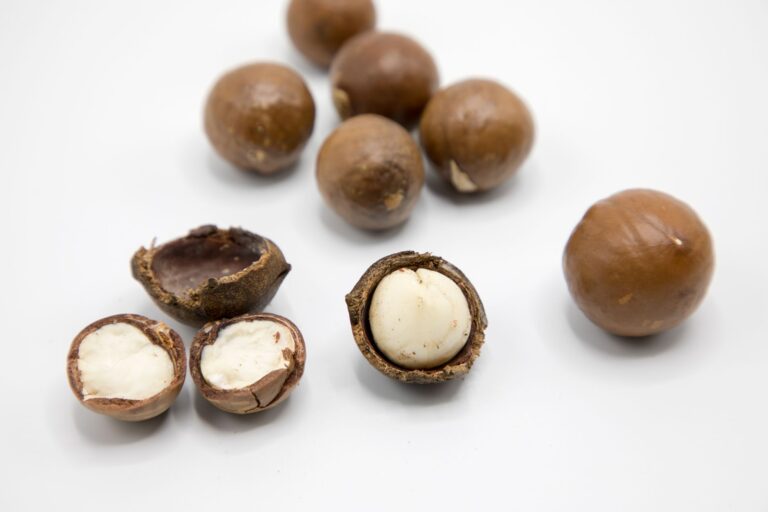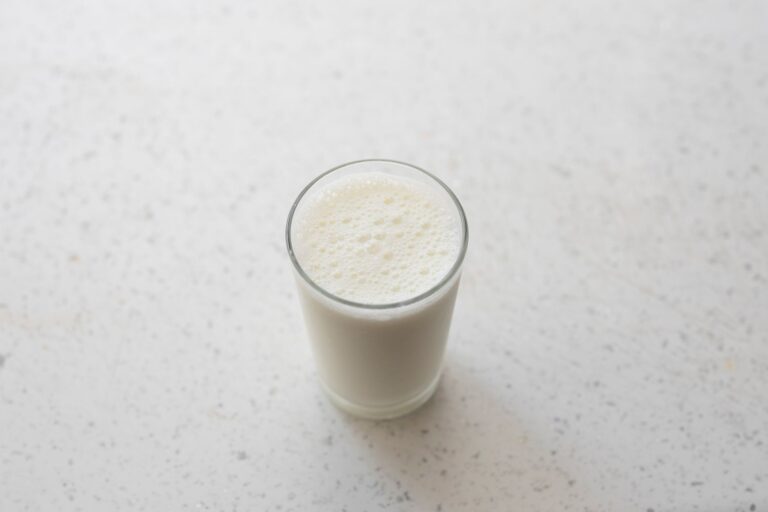
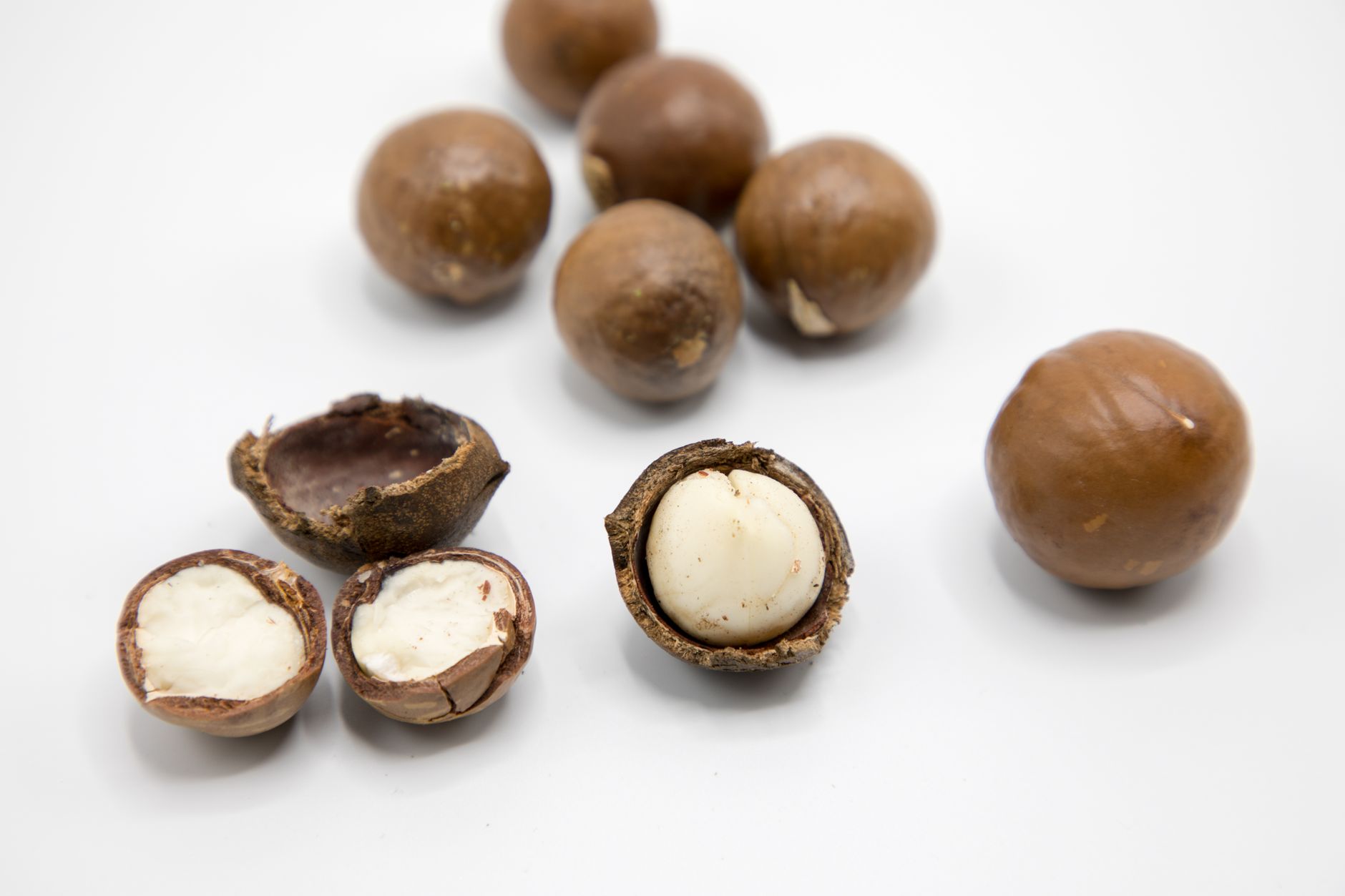

Blending raw macadamia nuts with water and straining the mixture creates a smooth, slightly buttery dairy-free beverage enjoyed by many. A standard unsweetened cup delivers roughly 50 to 70 calories, almost no sugar, and about 0.5 to 1 gram of protein, with most of its energy coming from monounsaturated fats. The flavor is richer and creamier than almond or oat milk, and it carries a small amount of omega-7 palmitoleic acid, a fatty acid that has drawn attention in skin and heart health research.
This guide walks through how macadamia milk is made, what the nutrition label shows, and the trade-offs to weigh before it becomes your daily pour.
What Macadamia Milk Actually Is and How It Gets Made
Grinding macadamia nuts with water and filtering out the solids produces a smooth, plant-based beverage free of dairy ingredients. The result is a pale, creamy liquid that looks and feels closer to whole dairy milk than most other nut milks on the shelf.
Commercial brands typically start with macadamia nut butter or paste, blend it with water, and add stabilizers like gellan gum or sunflower lecithin to keep the texture uniform in the carton. Premium versions use whole soaked nuts and skip most of the additives, which is why they tend to separate and need a good shake. Refrigerated cartons usually carry a shorter ingredient list than shelf-stable ones, but they also expire within 7 to 10 days of opening.
Why the Fat Content Sets It Apart
Macadamia nuts are roughly 75% fat by weight, with most of it in the form of monounsaturated oleic acid. When that fat carries over into the milk, the beverage gets a naturally rich mouthfeel without the addition of seed oils. Almond milk, by contrast, needs added oils or gums to mimic creaminess, which is one reason macadamia milk feels closer to half-and-half in coffee.
Homemade versions follow the same logic, just in your kitchen. Soak a cup of raw macadamias for four to eight hours, drain them, blend with four cups of fresh water, and strain through a nut-milk bag or fine mesh sieve. The finished liquid keeps three to five days refrigerated and costs about the same per serving as a premium store-bought carton.
The Full Nutritional Breakdown of Macadamia Milk
Unsweetened macadamia milk is one of the lowest-calorie plant milks available, but it is also one of the lowest in protein. Understanding that trade-off is the key to deciding whether it fits your diet.
Per one-cup serving of an unsweetened, fortified brand, you can expect roughly 50 to 70 calories, 5 to 6 grams of fat, 1 to 2 grams of carbohydrate, and under 1 gram of protein. Compare that to unsweetened almond milk at about 30 calories and 1 gram of protein, or unsweetened soy milk at around 80 calories and 7 grams of protein. Macadamia milk is closer to a fat delivery system than a protein source, which shapes how it should fit into a balanced day.
Fortification Closes the Calcium and Vitamin Gap
Because the natural nut carries very little calcium, vitamin D, or vitamin B12, most commercial brands add these back in. A fortified cup typically provides 35 to 45% of the daily value for calcium, 25% for vitamin D, and 50% for B12, which puts it on par with dairy milk for those specific nutrients. Unfortified versions and homemade batches will not, so label-reading matters if you rely on the milk for those nutrients.
That shortfall is exactly where the evidence for heart, metabolic, and gut benefits gets interesting.
| Milk (1 cup, unsweetened) | Calories | Fat (g) | Protein (g) | Carbs (g) | Sugar (g) |
|---|---|---|---|---|---|
| Macadamia | 50 to 70 | 5 to 6 | 0.5 to 1 | 1 to 2 | 0 to 1 |
| Almond | 30 to 40 | 2.5 to 3 | 1 | 1 to 2 | 0 |
| Oat | 120 | 5 | 3 | 16 | 4 to 7 |
| Soy | 80 to 100 | 4 to 5 | 7 to 9 | 3 to 4 | 0 to 1 |
| Dairy (2% cow) | 120 | 5 | 8 | 12 | 12 |
The Health Benefits Backed by Real Evidence
The biggest nutritional advantage of it is its fat profile. Oleic acid makes up the majority of that fat, and a small but meaningful share comes from palmitoleic acid, an omega-7 fatty acid less common in the food supply.
When monounsaturated fats replace saturated fats in the diet, cholesterol ratios tend to improve. The American Heart Association has long recommended this swap for cardiovascular support, and macadamia nuts are one of the richest whole-food sources. Milk made from them carries a smaller but still useful dose of the same fatty acids, especially compared to coconut or rice milk.
What the Research Actually Says About Omega-7
Palmitoleic acid has been studied for its role in skin barrier repair and inflammation regulation. A 2018 review in the journal Nutrients noted associations between higher omega-7 intake and improved skin hydration in small human trials, though the authors flagged the need for larger studies. The European Food Safety Authority has not yet issued a formal health claim for omega-7, so the evidence is best described as promising rather than proven.
For people with lactose intolerance or anyone managing blood glucose, the low sugar and zero-lactose profile is the more concrete win. An unsweetened cup of it adds almost no carbohydrates to a meal, which is why it shows up in many keto and low-carb eating plans. That low glycemic load is one of the clearest it benefits for daily drinkers.
Side Effects, Allergy Risks, and Ingredients to Watch For
Tree nut allergy is the single most important concern with it. Anyone with a confirmed macadamia or general tree nut allergy should treat this product the same way they would whole macadamia nuts.
Peanuts are legumes, not tree nuts, so most peanut-allergic individuals tolerate it without a problem. Cross-reactivity between peanuts and tree nuts does occur in a small share of cases, so a board-certified allergist should confirm any personal uncertainty before you pour.
Additives That Can Upset Sensitive Stomachs
Cheaper commercial brands often include gellan gum, carrageenan, sunflower lecithin, and sometimes added cane sugar to round out the flavor. Gums and emulsifiers are generally recognized as safe by the U.S. Food and Drug Administration, but they can cause bloating, gas, or loose stools in people with sensitive guts. If you react poorly to other plant milks, check the ingredient panel for these additives and look for brands that list five items or fewer.
The low protein content is a quieter but real downside, and it ranks high among it side effects for specific groups. Children, athletes, and older adults who treat milk as a primary protein source will come up short if they swap in it without adding other protein-rich foods. Pairing it with eggs, Greek-style yogurt, legumes, or a protein-fortified smoothie closes that gap.
How Macadamia Milk Stacks Up Against Almond, Oat, Soy, and Dairy
No single milk wins every category, and it’s strengths sit in a specific corner: creaminess, healthy fat, and low allergen load. Its weaknesses are protein and, often, price.
Soy milk is the protein leader among plant milks, delivering 7 to 9 grams per cup along with all nine essential amino acids. Dairy milk beats soy on protein concentration and naturally occurring calcium. Oat milk leads on fiber, typically 2 grams per cup, and offers a similarly low-allergen profile to it, though at the cost of higher carbohydrates. When the question becomes it vs almond milk on calories, almond still wins, but the difference narrows once you account for mouthfeel and fat quality.
The Quick Matchup for Common Goals
- Keto and low-carb eating: it fits naturally with 1 to 2 grams of carbohydrate per cup.
- Post-workout recovery: Soy or dairy is the better pour, delivering 7 to 9 grams of protein per cup.
- Baking and barista use: it foams well because of its fat content, often outperforming almond milk in lattes.
- Lowest calorie pour: Almond milk remains the leader at 30 to 40 calories per cup, but cannot match the mouthfeel.
Pick the milk that matches the meal. it shines in coffee and low-carb recipes, while soy or dairy covers protein needs without extra planning.
Choosing a Store-Bought Brand or Making Your Own at Home
A short ingredient list is the single best signal of quality in any plant milk. Premium it cartons typically list filtered water, macadamias, calcium carbonate, vitamin D2, and vitamin B12, and little else. If you see sunflower or canola oil in the ingredients, the brand is using cheaper fats to mimic the natural richness, and you are paying premium prices for an ordinary product.
Confirm the fortification on the nutrition facts panel. Calcium should be at least 350 milligrams per cup, vitamin D at least 2.5 micrograms, and B12 at least 1 microgram to match what dairy milk provides. Anything less, and the milk is best treated as a beverage rather than a nutrient source.
Flavored vs Unsweetened and When to Use Each
Vanilla, chocolate, and barista blends can hide 10 to 14 grams of added sugar per cup, which cancels out the low-sugar advantage. Reserve those for occasional treats and use unsweetened versions as your daily driver. If you want flavor, add a dash of vanilla extract or a teaspoon of cocoa powder at home and skip the carton version.
Homemade it is straightforward, but it lacks fortification and keeps only three to five days refrigerated. A one-cup batch per week avoids waste and lets you add a pinch of salt and a pitted date for a lightly sweetened, fully clean-label result. Cost works out to roughly $1.50 to $2.00 per quart, comparable to premium store-bought cartons. For shoppers weighing it nutrition against store-bought alternatives, homemade versions win on ingredient quality but lose on calcium and B12 unless you add a fortified boost.
All of that assumes you actually want to keep it in rotation, which is the real deciding question.
Who Macadamia Milk Is Really For and When to Skip It
it fits best for people managing lactose intolerance, following a low-carb or keto plan, or simply wanting a creamy, additive-light coffee additive. It is also a solid option for anyone who reacts to soy, gluten, or carrageenan but tolerates tree nuts.
Children under five, athletes in heavy training blocks, and adults relying on a single cup of milk for daily protein should look elsewhere unless they pair it with other protein foods. The same applies if you have a confirmed tree nut allergy or a history of reacting to gums and emulsifiers in other plant milks. Those weighing is it good for you as a daily swap should weigh protein needs first.
The Price Question
At roughly $4 to $6 per half-gallon, it costs two to three times more than dairy, soy, or oat milk. The premium is partly the cost of the raw nuts, since macadamias are among the most expensive tree nuts to grow, and partly the result of small-scale production from brands like Milkadamia and Mauna Loa. On a tight budget, rotating in almond or soy on most days and saving it for coffee or recipes preserves the benefit without overspending.
Final Takeaways
it earns its place when you want a creamy, low-sugar, low-allergen pour that delivers healthy monounsaturated fats without fillers. Its biggest limitation is protein, so it works best as a complement rather than a replacement for protein-rich foods. Choose unsweetened, fortified versions, read the ingredient panel, and rotate in other milks through the week to round out your overall intake. Done that way, it nutrition supports a balanced diet without becoming a daily crutch.
FAQ
What is macadamia milk?
it is a plant-based beverage made by blending raw macadamia nuts with water and straining out the solids. An unsweetened cup delivers roughly 50 to 70 calories, 5 to 6 grams of mostly monounsaturated fat, and under 1 gram of protein.
What are the main health benefits of macadamia milk?
It is low in sugar, rich in monounsaturated oleic acid, and naturally lactose-free, which supports heart health, blood-sugar control, and digestion for people with lactose intolerance. It also provides a small amount of omega-7 palmitoleic acid, a fatty acid under study for skin and metabolic benefits.
Is macadamia milk healthier than almond or oat milk?
It depends on the goal. it has more healthy fat and a creamier texture than almond milk, and far less sugar than oat milk. For protein, almond and oat milk are only marginally better, and soy or dairy beats them all.
Does macadamia milk contain calcium and protein?
Fortified versions provide 35 to 45% of the daily value for calcium, 25% for vitamin D, and 50% for B12 per cup. Protein is the weak spot, with only 0.5 to 1 gram per cup, so pair it with eggs, yogurt, or legumes to round out a meal.
Can people with nut allergies drink macadamia milk?
No, it is not suitable for anyone allergic to macadamias or other tree nuts. People with peanut allergy are usually safe but should still confirm with a doctor, as some cross-reactivity is possible.
Does macadamia milk cause side effects or allergic reactions?
It is not safe for anyone with a tree nut allergy, and gums or emulsifiers in cheaper brands can cause bloating in sensitive stomachs. Peanut-allergic people are usually fine because peanuts are legumes, though an allergist should confirm personal risk.