


A rolled ankle can happen on a curb, a basketball court, or just stepping wrong off a porch step. The right brace turns a wobbly joint into a stable one so you can move with confidence while the ligaments settle down. The picks below cover lace-up stabilizers, slip-on sleeves, and combat-ready wraps, each tuned to a different kind of recovery or training day.
The Essentials At A Glance
Z ATHLETICS Reinforced Lace Up Ankle Brace

Sleeve Stars Ankle Brace (Black)

Sleeve Stars Ankle Brace (White)

Sleeve Stars Ankle Brace (Turquoise)
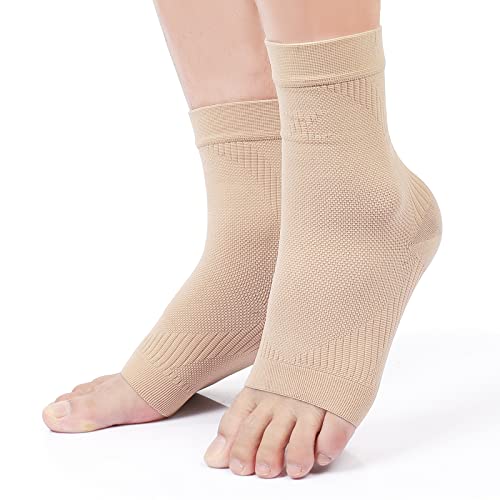
KEKING Ankle Compression Sleeve

ZAMST A2-DX Ankle Brace

Z ATHLETICS Lace-Up Ankle Brace

Combat Sports Muay Thai & MMA Sleeves
The Picks, Examined More Closely
The Z ATHLETICS Reinforced Lace Up Ankle Brace leans on a figure-8 lacing system that lets you dial compression tight at the arch and looser across the heel. That’s the kind of fit people who lace up for basketball or trail runs tend to want: locked-down where it counts, breathable where it doesn’t. It slips under most athletic shoes without forcing you to size up, which matters when you’re heading back to the court the same week.
Compared with the slip-on sleeves from Sleeve Stars later in this list, this one trades ease of wear for a more adjustable hold. For shoppers returning from a mild sprain or managing Achilles tendonitis, that trade usually pays off.
Strengths Worth Knowing
- Figure-8 lacing lets you set different tension zones, so the arch stays snug while the Achilles area breathes.
- Low-profile enough to wear inside standard sneakers without bulging.
- Reinforced side panels help resist the inward roll that triggers most ankle sprains.
- Works for both warm training days and cool recovery walks without overheating.
- One brace handles left and right, which simplifies reordering for households with more than one injury-prone athlete.
Things To Consider
- Lacing takes longer than pulling on a sleeve, so pre-game prep needs a few extra minutes.
- The fabric tends to hold odor after heavy sweat sessions, so plan on air-drying between uses.
Best Suited To
Pick this one up if you play court sports, jog on uneven pavement, or want a brace you can fine-tune across a long recovery.
Consider Something Else When
The Combat Sports Muay Thai & MMA Ankle Support Sleeves fit grappling and striking athletes better, since the open heel and toe design grip the mat without bunching.
The Sleeve Stars Ankle Brace in black pairs a knit compression sleeve with an adjustable wrap strap. The sleeve handles general compression around the joint, while the strap lets you tighten the figure-8 path over the top of the foot. Sized for medium ankles in the 10″ to 12″ range, it’s a common middle-ground fit for adults.
Where the Z ATHLETICS brace above prioritizes custom lace tension, this one focuses on quick application. If you want a brace you can pull on at the office and forget about by lunch, the slip-on format wins.
Where It Helps
- Adjustable strap adds focused compression where a plain sleeve falls short.
- Knit sleeve breathes well enough for all-day desk-to-walk wear.
- Black color hides everyday wear and matches dark socks and shoes.
Worth Noting
- The strap can loosen with repeated walking and needs occasional re-tightening.
- Heavy sweat sessions tend to stretch the knit over time, so expect gradual loosening if you wear it daily.
- Compression is gentler than rigid stabilizers, so a Grade II sprain may want more support.
Feature Snapshot
Made For
Adults dealing with mild strains, plantar fasciitis discomfort, or general ankle fatigue during long days on their feet.
A Better Fit Elsewhere
The KEKING Ankle Compression Sleeve is a stronger match if you want a higher 20-30mmHg graduated pressure knit for Achilles or heel soreness.
The white version of the Sleeve Stars Ankle Brace uses the same medium 10″ to 12″ sizing as its black sibling, just in a lighter colorway. If you wear light socks or want a brace that doesn’t show through summer shoes, white is the practical move. Functionally, it behaves the same: knit sleeve plus adjustable strap.
This entry makes the most sense for shoppers who already trust the black version but need a color that matches a specific wardrobe or uniform.
What Helps Most
- White fabric reads cleaner against light-colored sneakers and athletic socks.
- Same adjustable strap as the black version, so compression stays customizable.
Points To Note
- Light fabric shows dirt faster than black, so it may need more frequent washing.
- Compression level matches the black version, so heavy sprains will still want more rigid support.
Who Should Grab It
Anyone who likes the Sleeve Stars fit but needs a color that pairs with light athletic gear or casual summer outfits.
Skip It When
The Z ATHLETICS Reinforced Lace Up Ankle Brace is the stronger pick if you need lace-tunable support for active training sessions.
The turquoise Sleeve Stars option keeps the medium 10″ to 12″ sizing and adjustable strap, but trades neutral color for personality. If your recovery wardrobe already leans colorful or you simply prefer a brighter look, this variant delivers the same support without forcing you into black or white.
Compared with the Z ATHLETICS brace at the top of the list, this one is more about fast slip-on wear than lace-tunable tension. It’s a fair swap if compression and style outweigh custom fit.
Real-World Strengths
- Same medium sizing and adjustable strap as other Sleeve Stars colorways.
- Turquoise adds a fun accent to recovery outfits without screaming for attention.
Honest Caveats
- The bold color shows sweat marks more than darker options.
- Not a substitute for rigid bracing if you have a serious sprain.
The Right Fit
Shoppers who want the same Sleeve Stars compression with a pop of color and don’t mind a brighter fabric tone.
Look Elsewhere When
Pick the ZAMST A2-DX Ankle Brace instead if your doctor has flagged chronic instability and you need rigid side stabilizers.
The KEKING Ankle Compression Sleeve leans into the language of medical-grade compression: 20-30mmHg graduated knit. That pressure range is the same band commonly used in light medical hosiery, which is meaningful if you’ve been told to manage swelling with consistent pressure. The supportive knit also targets the arch and heel, so it pulls double duty for plantar fascia discomfort.
Unlike the lace-up Z ATHLETICS brace, this one slips on like a sock. It’s a smarter pick for runners and walkers who want compression without the bulk.
Notable Gains
- 20-30mmHg graduated compression is a meaningful pressure level for swelling and recovery.
- Knit construction supports the arch and heel in addition to the ankle joint.
- Slip-on format saves time before runs, walks, or long shifts on your feet.
Trade-Offs
- Higher compression can feel too tight during the first wear, especially if swelling is minimal.
- Pulling the knit on repeatedly may weaken the fabric over time, depending on how often you wear it.
- No rigid side support, so a fresh sprain needs more than this sleeve alone.
Quick Facts
Built With In Mind
Adults managing plantar fasciitis, Achilles tendonitis, or persistent swelling who want measurable compression without rigid bracing.
Reach For A Different Pick When
The ZAMST A2-DX Ankle Brace is the better choice if you need rigid side stabilizers for a heavy sprain rather than soft compression.
The ZAMST A2-DX is the heavy hitter in this list. It’s built with rigid side stabilizers and an adjustable lace-up system aimed at heavy Grade III sprains and chronic ankle instability. Sizing options cover small, medium, and large on the right foot, which matters for shoppers who need a specific fit rather than a one-size approach.
Compare this to the KEKING sleeve above: that one relies on compression knit, while this one relies on mechanical support. The A2-DX is more structure than fabric.
The Practical Payoff
- Rigid side stabilizers deliver mechanical support that fabric sleeves can’t match.
- Lace-up adjustability means the brace can be tightened as swelling changes during recovery.
- Right-foot sizing (small, medium, large) gives a more anatomical fit than universal braces.
Potential Drawbacks
- Rigid construction means it needs a slightly larger shoe to fit comfortably over the brace.
- Higher price point than soft compression sleeves, so it’s worth the cost only when support is the priority.
- Right-foot only listing requires a separate purchase for left-foot injuries.
Feature Card
Whose Shelf It Belongs On
Adults recovering from severe sprains or managing chronic ankle instability who need real mechanical support rather than soft compression.
Swap It Out When
The Z ATHLETICS Reinforced Lace Up Ankle Brace is the friendlier pick for everyday athletic use where you don’t need full rigid bracing.
The Z ATHLETICS Lace-Up Ankle Brace with side stabilizers builds on the lace-up design from the first entry and adds structural struts. That’s a meaningful step up if you’re heading back to basketball, volleyball, or running and want more than compression to keep the joint tracking correctly. The brand clearly built this one for sport recovery.
Compared with the ZAMST A2-DX above, this is a softer middle ground: more support than a sleeve, less rigidity than a clinical brace.
Where It Excels
- Side stabilizer struts resist lateral roll during pivots and jumps.
- Lace-up closure lets you fine-tune tension for different sessions.
- Targeted use cases include basketball, volleyball, and running recovery.
Soft Spots
- Lacing takes more time than a slip-on sleeve, so casual wearers may not bother.
- Side stabilizers can press against the ankle bone during extended wear, depending on foot shape.
Perfect Match For
Active adults returning to court sports or distance running after a sprain who want a brace that supports aggressive movement.
Where A Sibling Pick Shines
The KEKING Ankle Compression Sleeve is the better match if your main concern is swelling and arch support rather than pivot stability.
The Combat Sports Muay Thai & MMA Ankle Support Sleeves target a specific training ground: the mat. The open heel and toe design lets your foot grip the canvas, while the sleeve delivers compression to the ankle and Achilles tendon. The polyester blend is built to flex with kicks and pivots rather than lock the foot down.
Compared with every other pick above, this one cares less about side stabilizers and more about preserving barefoot grip. That’s the right trade for grappling and striking.
Real Benefits
- Open heel and toe design preserves barefoot grip on mats and canvas.
- Targeted compression supports the ankle and Achilles during explosive kicks.
- Polyester blend handles sweat and frequent wash cycles better than heavier knit braces.
Room For Improvement
- No rigid side support, so it isn’t ideal for chronic instability off the mat.
- Open design means the sleeve can ride down during longer grappling rounds, depending on fit.
Technical Highlights
Who Will Love This
Combat sport athletes training on mats who need ankle compression without losing grip during kicks and takedowns.
Not Your Match When
The Z ATHLETICS Reinforced Lace Up Ankle Brace is the better pick for athletes on hardwood or pavement who need lace-tunable stability for pivots.
What To Weigh Before Picking An Ankle Brace
Match Brace Type To Injury Severity
Soft compression sleeves work well for minor swelling and arch fatigue, but they don’t replace mechanical support after a moderate or heavy sprain. Lace-up braces sit in the middle, offering custom tension, while rigid stabilizer braces are the right call when chronic instability is part of the picture. Picking the wrong tier often leads to wearing the brace too tight to compensate, which can slow recovery.
Consider Your Footwear And Sport
The right brace is the one that fits inside the shoe you actually wear. Lace-up and rigid braces usually need a half size up in sneakers, while slim sleeves often slip into standard footwear. Mat sport athletes benefit from open heel designs, while road runners usually want full-foot coverage for compression.
Think About How Often You’ll Wear It
Daily wear calls for breathable knit and machine-washable fabrics. Occasional sport use makes rigid braces more practical, since you won’t feel their bulk all day. Either way, plan to replace a heavily used brace every season or so, depending on sweat exposure and how aggressively you lace it.
Key Considerations Across These Picks
Common Buying Slip Ups
The most common mistake is picking a sleeve when you actually need stabilization. Shoppers also tend to underestimate how much a brace stretches with daily wear, so a snug fit on day one may feel loose by week three. Sizing by shoe size instead of ankle circumference is another frequent trap, since the two measurements don’t always line up.
Where The Extra Money Goes
Higher-tier braces like the ZAMST A2-DX cost more because they include rigid side stabilizers, anatomical right-foot sizing, and lace-tunable tension that soft sleeves can’t replicate. For heavy sprains or chronic instability, that mechanical support is the difference between a brace that helps and one that just feels snug. The upgrade is worth it when the joint genuinely needs structural help rather than compression alone.
Frequently Asked Questions
How tight should an ankle brace feel?
A brace should feel snug without causing numbness or tingling, with firm pressure around the joint but enough room to wiggle your toes. If your foot changes color or feels cold, the brace is too tight.
Can I wear an ankle brace all day?
Most compression sleeves can be worn through a full day, while rigid braces are better reserved for activity and short recovery windows. Take the brace off at night unless your clinician has advised otherwise.
Do ankle braces help prevent rolled ankles?
Lace-up and rigid stabilizer braces reduce the inward roll that causes most sprains, especially during pivot-heavy sports. Slip-on sleeves offer milder support and work better for compression than prevention.
Should I size up my shoe when wearing a brace?
Rigid and lace-up braces usually require a half size up in sneakers, while thin compression sleeves often fit inside standard footwear. Trying the brace with the shoes you plan to wear helps avoid surprises.
How long does an ankle brace last?
With regular use, compression sleeves typically need replacement each season, while rigid braces can last several seasons with proper care. Frequent washing, heavy sweat, and aggressive lacing shorten lifespan across the board.
The Takeaway
A rolled ankle doesn’t have to keep you off your feet. Match the brace style to the severity of your injury, your sport, and how often you plan to wear it, and you’ll spend less time fussing with gear and more time moving comfortably. The right pick is the one that fits your real routine, not the one with the most features on paper.