


Peroneal tendonitis has a way of turning simple walks into something you think about with every step. The tendons running behind your outer ankle get cranky from overuse, awkward foot mechanics, or a recent rolled-ankle incident, and the right brace can take the edge off that daily irritation. This roundup walks through seven options that approach the problem from different angles: rigid lace-up stabilizers for serious instability, sleeve-style wraps for all-day comfort, and adjustable hybrids that split the difference. Use it as a map to the kind of support your specific situation actually calls for.
A Fast Comparison Of The Options
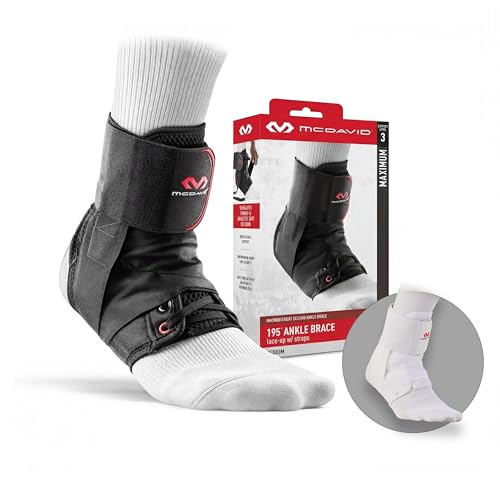
McDavid Lace-Up Ankle Brace Figure 8 Sprained Ankle Support

Fitomo Ankle Brace with Removable Side Splints

Med Spec ASO Speed Lacer Ankle Stabilizer XL

Modvel Foot & Ankle Brace Compression Sleeve

ZAMST A2-DX Ankle Brace for Heavy Sprains

Med Spec ASO Ankle Stabilizer Lace Up LG

INDEEMAX Copper Infused Ankle Compression Sleeve M
Taking A Closer Look At The Options
The McDavid Lace-Up Ankle Brace is the kind of brace that has lived in gym bags and trainer kits for decades, and for good reason. It uses a classic figure-8 strapping pattern, where the straps cross over the top of the foot and wrap around the ankle in opposite directions, creating a heel-lock that resists the rolling motion that often aggravates peroneal tendons. Rigid plastic stays sit on either side of the ankle, blocking lateral wobble without crushing your skin. Unlike the bulkier rigid shells we will look at later, this one feels closer to a supportive shoe insert than a medical cast.
For athletes bouncing between basketball, volleyball, soccer, and running, the adjustability is the real win. You can dial the lace tension tighter for a heavy practice and loosen it for recovery walks. The trade-off shows up with break-in time: new lace-up braces can press against the top of the foot until the materials soften. You may find the first few sessions slightly stiffer than expected, which is normal for this design category.
Advantages To Know
- Figure-8 strap pattern locks the heel in place during cuts and jumps
- Rigid side stabilizers block inward ankle rolling without bulky hardware
- Adjustable lacing lets you fine-tune compression through the day
- Low-profile design fits inside most athletic shoes without pressure points
- Works equally well for men and women across multiple sports
Worth Noting
- Requires lace-tying each time you put it on, which slows quick changes
- Laces can loosen mid-workout if not tied with a secure knot
Made For
Multi-sport athletes who need reliable mid-tier support without the bulk of a rigid shell, especially basketball and volleyball players dealing with recurring peroneal flare-ups.
Skip It When
You want grab-and-go convenience during fast warm-ups, in which case the Med Spec ASO Speed Lacer Ankle Stabilizer XL with its quick-pull closure makes more sense.
The Fitomo Ankle Brace leans into the “triple-lock” idea by stacking three separate support layers on top of each other. You get a top compression strap for swelling, removable side splints that can be pulled out when you want more flexibility, and crossing figure-8 straps that anchor the heel the same way the McDavid does. The splints are the differentiating feature: you can dial the rigidity up during work hours and remove them for a lighter evening walk without buying a second brace.
Compared to the McDavid Lace-Up Ankle Brace from the first entry, this option asks for a bit more effort to fit correctly because of the layered straps. For users dealing with significant instability or returning from a recent sprain, that extra adjustment pays off in confidence. For minor tendon irritation, you may find the bulk excessive for everyday use, since the layered construction adds noticeable height around the ankle.
Key Advantages
- Removable side splints let you customize rigidity as healing progresses
- Triple-strap system provides layered compression and heel control
- Adjustable figure-8 strapping adapts to swelling that changes day-to-day
- Works well as a recovery tool during the first weeks after a sprain
Trade Offs
- Adds noticeable bulk compared to minimalist sleeve designs
- Layered straps take practice to position correctly on first uses
Best Suited To
People managing severe ankle instability or post-sprain recovery who want one brace that can shift from rigid daytime support to lighter evening wear by simply removing the side splints.
Reach For A Different Pick When
You want a thinner profile that disappears inside dress shoes, which points you toward the Modvel Foot & Ankle Brace Compression Sleeve reviewed later in this roundup.
The Med Spec ASO Speed Lacer Ankle Stabilizer solves a problem most lace-up braces ignore: putting one on with sweaty hands during a timeout. Instead of tying laces, you pull a single tab that tightens the closure evenly across the foot, which gets you back onto the court in seconds. The figure-8 stabilizing straps underneath still wrap the heel the same way traditional designs do, so you do not lose the biomechanical support that makes ASO braces a fixture in athletic training rooms.
Tournaments and travel days are where this design earns its keep. You can adjust the same brace from a tight pre-game setting to a looser post-game recovery tension without untying anything. The honest read is that the speed-lacer system is a small luxury rather than a medical necessity, so budget shoppers may feel the difference more than users who adjust braces multiple times per day. The XL sizing also runs true to athletic-shoe conventions, which matters because a sloppy fit defeats the heel-lock function.
Strengths Worth Knowing
- Speed-lacer closure tightens evenly without re-tying laces mid-game
- Figure-8 strap pattern delivers the same heel control ASO braces are known for
- Pairs well with tournament schedules and frequent training sessions
- Constructed for slip-on convenience before and after practices
Points To Note
- Velcro-like tabs can collect lint and lose grip over months of heavy use
- Looser initial fit compared to traditional lace-ups until the speed-lacer is fully tightened
Right Fit For
Coaches, trainers, and competitive athletes who adjust braces multiple times daily and value the time saved over traditional lace-tying routines.
A Better Fit Elsewhere
You only need one brace for casual home use, where the extra convenience of the speed-lacer is wasted and the simpler Med Spec ASO Ankle Stabilizer Lace Up LG is the more sensible pick.
The Modvel Foot & Ankle Brace Compression Sleeve is a different animal from the rigid lace-ups above. It pulls on like a sock, uses knit fabric to apply graduated pressure, and stays out of your way during everyday movement. For peroneal tendonitis that flares up after long days on your feet rather than during athletic cuts, this kind of compression often feels more useful than aggressive stabilization. The fabric is the key detail: stretchy enough to slip on without wrestling, structured enough to keep gentle pressure around the lateral ankle where the peroneal tendons sit.
Compared to the Fitomo Ankle Brace from earlier, this sleeve sacrifices mechanical rigidity for comfort and convenience. That trade-off matters most during heavy lateral movement, where the sleeve cannot replace a figure-8 strap system. For walking, desk work, light jogging, and travel days, though, the low profile and easy on-off nature make it the practical pick. Owners commonly report that the knit stretches slightly after several months of regular wear, so expect to replace it more often than a hard-shell brace.
A Few Highlights
- Sock-like design slips on without straps or buckles
- Compression knit supports the lateral ankle where peroneal tendons sit
- Fits comfortably under everyday shoes and even some dress shoes
- Breathable fabric helps during long workdays
Small Caveats
- Less mechanical support than rigid lace-ups during athletic cuts
- Knit may lose elasticity after months of repeated wear and washing
Key Product Details
Who Should Grab It
Office workers, travelers, and casual walkers managing peroneal tendonitis who want a sleeve they can forget they are wearing rather than a brace they have to lace up.
Consider Something Else When
You are returning to competitive sport and need aggressive heel-locking, which points you back to the ZAMST A2-DX Ankle Brace reviewed further down this list.
The ZAMST A2-DX Ankle Brace sits at the heavier end of the stabilizer spectrum. It was designed with Grade III sprains and chronic lateral instability in mind, which means it brings more rigid plastic around the ankle than most picks in this roundup. The lacing system runs along the front of the brace so you can tune the forefoot tension, while side stabilizers block the inward roll that irritates peroneal tendons in the first place. For users whose tendonitis is part of a longer history of ankle giving-way episodes, this design is closer to a piece of protective gear than a recovery sleeve.
Compared to the McDavid Lace-Up Ankle Brace, the ZAMST is bulkier, stiffer, and harder to ignore on your foot. That is the point, but it does change how the brace fits into your day. You will feel it inside looser shoes, and you may find it overbuilt for occasional flare-ups that calm down after a week of rest. It really earns its place when the ankle has a documented pattern of chronic instability rather than a one-off bout of irritation.
Standout Benefits
- Rigid side stabilizers provide heavy-duty protection against ankle roll
- Front lacing system allows precise forefoot tension control
- Built for chronic instability cases and high-grade sprains
- Right-foot-specific design offers a more anatomical fit
Honest Caveats
- Bulkier than typical lace-up braces and harder to ignore during wear
- Right-foot specific sizing limits flexibility if you need bilateral support
- Overkill for mild, occasional tendonitis flare-ups
Spec Overview
Whose Shelf It Belongs On
Users with documented chronic instability or repeated grade-III sprains who need aggressive mechanical protection and are willing to accept the extra bulk to get it.
Look Elsewhere When
You only need everyday tendonitis relief for light activities, in which case the Modvel Foot & Ankle Brace Compression Sleeve offers a much less intrusive option.
The Med Spec ASO Ankle Stabilizer is the original that the Speed Lacer version above was built on. Athletic trainers have recommended it for years for rolled ankles, ligament injuries, and tendon recovery, which speaks to how widely it has been adopted in sports medicine settings. It uses a traditional lace-up closure paired with figure-8 stabilizing straps, and the woven cuff design keeps the brace snug around the ankle without slipping during activity.
Where this differs from the Fitomo Ankle Brace covered earlier is simplicity. There are fewer layers and fewer removable parts, so the ASO is easier to fit correctly the first time you put it on. For users in active rehab who just need a reliable lace-up they can trust during the recovery window, that simplicity is worth more than modularity. The catch is the lace-tying requirement, which is slower than the Speed Lacer variant if you adjust braces frequently during long tournaments.
The Helpful Details
- Long-trusted design used by athletic trainers and rehab specialists
- Figure-8 strap pattern provides proven heel-lock and lateral stability
- Woven cuff reduces slippage during repeated athletic movement
- Simpler layered construction is easier to fit than modular braces
Less Ideal Details
- Slower to put on and remove than the Speed Lacer variant
- Less adjustable over the course of a long day than triple-strap designs
Feature Card
Perfect Match For
Users in active rehab or return-to-sport phases who want a widely recommended lace-up without the modular complexity of newer hybrid designs.
Not Your Match When
You need fast adjustments multiple times per session, where the Med Spec ASO Speed Lacer Ankle Stabilizer XL saves meaningful time.
The INDEEMAX Ankle Brace rounds out the roundup as a sleeve-style option with copper-infused nylon in the knit. The fabric combines nylon with a small percentage of spandex for stretch, and the material feels breathable enough to wear under socks during long shifts on your feet. For peroneal tendonitis that shows up after walking-heavy days rather than sports, this kind of lightweight compression sleeve tends to be more practical than a rigid brace you have to lace up.
Side by side with the Modvel Foot & Ankle Brace Compression Sleeve reviewed earlier, the INDEEMAX is a budget-tier alternative with similar pull-on convenience. The trade-off shows up in the structure of the knit: lighter compression that feels comfortable from minute one but offers less mechanical support during any athletic activity. For light travel, walking, and casual wear, that is exactly what most shoppers want. Owners commonly report that the sleeve runs warm in hot weather, which is worth knowing before packing it for summer trips.
Where It Excels
- Pull-on sleeve design works well for travel and casual wear
- Stretchy knit fits under most shoes without bulk
- Breathable nylon blend helps during extended daily use
- Budget-friendly entry point for first-time sleeve users
Where It May Fall Short
- Less structured compression than premium sleeve options
- Tends to feel warm during hot-weather wear
- Not designed for athletic lateral movement or high-impact activity
Feature Snapshot
Built With In Mind
Casual walkers, travelers, and anyone seeking an affordable entry-level sleeve for daily peroneal tendonitis relief without the commitment to a rigid brace.
Swap It Out When
You need structured compression for light jogging or longer walks, in which case the Modvel Foot & Ankle Brace Compression Sleeve offers tighter knit support for only a small step up.
What Matters Most Before Choosing Braces For Peroneal Tendonitis
Matching Brace Type To Your Pain Pattern
The first fork in the road is figuring out whether your peroneal pain is mechanical or inflammatory in nature. Tendonitis that flares up after specific movements, like cutting on a basketball court or stepping off a curb wrong, tends to respond to rigid braces with figure-8 straps that physically block the motion causing irritation. Tendonitis that builds up gradually during long days of walking or standing tends to respond better to compression sleeves that improve circulation and reduce swelling. For most casual wearers, the sleeve path is more sustainable because it does not require fitting and adjusting each time you head out the door.
Understanding The Role Of Side Stabilizers
Side stabilizers are the rigid plastic pieces you see running along both sides of the ankle on lace-up braces. Their job is to physically prevent the ankle from rolling inward, which is the exact motion that overstretches the peroneal tendons running behind the outer ankle bone. If your tendonitis is tied to a history of rolled ankles, look for braces with built-in stabilizers like the McDavid Lace-Up Ankle Brace or the ZAMST A2-DX. For mild, gradual tendonitis without instability events, side stabilizers add bulk without much benefit.
Sizing, Shoe Fit, And Daily Wear
A brace that does not fit your shoe is a brace you will stop wearing. Lace-up stabilizers typically need at least a half-size larger athletic shoe to accommodate the extra volume around the ankle, while sleeve designs usually fit inside standard footwear. Measure your ankle circumference rather than relying on shoe size, since brace sizing follows that metric almost universally. You may find that ordering from a retailer with a flexible return policy saves real frustration if the first size feels off.
Realistic Expectations On Healing
A brace is a support tool, not a cure. Its main jobs are reducing strain on irritated tendons, preventing motions that aggravate the problem, and giving you the confidence to move while recovery happens. Combine the brace with appropriate rest, gradual strengthening exercises for the peroneal muscles, and a discussion with a healthcare professional if pain persists beyond a few weeks. The honest read is that even the best brace cannot replace a proper rehab plan when the underlying cause is biomechanical.
Key Considerations Across These Picks
Where Shoppers Go Wrong
A common mistake is choosing the most rigid brace available on the assumption that more support is always better. For mild peroneal tendonitis, a heavy-duty stabilizer can actually slow recovery by immobilizing tissues that need gentle loading to heal. Another trap is buying based on athletic-shoe sizing rather than ankle circumference, which leads to braces that either cut off circulation or slide around during activity. Shoppers also sometimes skip the break-in period and assume the brace is defective when it presses against the top of the foot, when in reality most lace-up designs need a few sessions to mold to your anatomy.
The Case For Spending Up
Premium braces like the ZAMST A2-DX justify their higher cost through more durable materials, anatomically specific left-and-right designs, and sturdier side stabilizers that hold up across months of daily use. The extra spend makes sense for users with documented chronic instability who would otherwise cycle through cheaper braces that wear out quickly. For occasional tendonitis flare-ups, a mid-tier option like the Med Spec ASO Ankle Stabilizer Lace Up LG delivers most of the same support without the premium price tag. The upgrade pays off most when you wear the brace daily rather than a few times per month.
Frequently Asked Questions
Do braces actually help peroneal tendonitis?
Yes, braces help by reducing strain on the peroneal tendons and limiting motions that aggravate the inflammation. They work best as part of a broader plan that includes rest and gradual strengthening exercises for the peroneal muscles.
Should I wear a brace all day for peroneal tendonitis?
Most users do best wearing the brace during activities that trigger symptoms and removing it during rest periods so the ankle can move naturally. Wearing a rigid brace around the clock can slow circulation and weaken stabilizing muscles over time.
Is a compression sleeve or a lace-up brace better for peroneal tendonitis?
Sleeves like the Modvel or INDEEMAX work well for mild, gradual tendonitis tied to long days on your feet, while lace-up braces like the McDavid or Med Spec ASO are better for instability-driven cases. The right choice depends on whether your pain is more about inflammation or mechanical strain.
Can I wear an ankle brace inside dress shoes?
Sleeve designs usually fit inside most shoe types, while rigid lace-up braces typically require athletic shoes with enough volume. You may find that a sleeve is the only realistic option for office wear where dress shoes are the norm.
How long does peroneal tendonitis usually take to heal with a brace?
Mild cases often improve within a few weeks when combined with activity modification and supportive footwear. Persistent pain beyond six weeks is worth discussing with a healthcare professional, since the underlying cause may need a different approach than bracing alone.
Final Verdict
The right brace for peroneal tendonitis comes down to matching your pain pattern with the level of mechanical support you actually need. Lace-up stabilizers like the McDavid and Med Spec ASO designs shine for athletes and users with instability, while sleeves like the Modvel and INDEEMAX handle daily wear with much less fuss. Pick the design that fits your activities, your shoes, and your willingness to adjust straps, and your ankle will thank you for the next long walk, practice, or weekend game.