The lateral collateral ligament sits on the outside of your knee, and when it stretches or tears, even a short walk down the hall feels unsteady. The right brace turns that wobble into confidence, but the wrong one just adds bulk without giving your knee anything useful. Here’s a focused look at five supports that approach LCL recovery from different angles, so you can match the brace to how you actually move.
An Overview Of The Picks

CAMBIVO 2 Pack Knee Compression Sleeve Support (Black, Small)

Incrediwear Knee Sleeve for Joint Pain and Circulation

ABYON Lightweight Hinged Knee Brace with Dual-Side Stabilizers
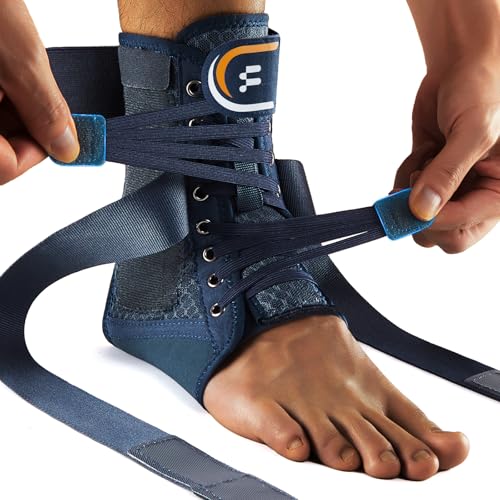
Fitomo Ankle Brace with Removable Side Splints and Figure 8 Strap

DQJEJOS Functional Hinged Knee Brace with Adjustable ROM (L/Right)
Why These Options Stand Out
The CAMBIVO sleeve earns a spot as the most approachable option for someone dealing with a mild LCL strain who still wants to stay active. It’s a pull-on compression design rather than a wraparound or hinged brace, which means it slides under most pants without bunching during a commute or a long shift on your feet.
The 3D knit construction delivers even pressure around the joint without the pinching that some neoprene sleeves cause behind the knee. The two-pack format matters more than it sounds, since you can rotate sleeves between washes or keep one at the office and one at home.
A Few Strong Suits
- Pull-on sleeve design works under regular clothing, which suits daily wear better than chunky wraparound straps.
- Knit fabric distributes pressure evenly around the kneecap and side ligaments for a steady, hugging fit.
- Two-pack value lets you rotate between washes, extending the practical lifespan of each sleeve.
- Lightweight profile stays comfortable during walking, light jogging, or standing for extended periods.
Honest Caveats
- Lacks rigid hinges or stabilizers, so it offers limited protection during lateral movements or high-impact activity.
- Sizing runs snug, and you may find you need to size up if your calf and thigh measurements differ significantly.
- The knit fabric can trap sweat during hot-weather wear and benefits from regular washing to prevent odor buildup.
Best Suited To
Someone managing a mild LCL strain who wants comfortable compression during walking, light gym sessions, or long days on their feet.
Reach For A Different Pick When
Heavier ligament instability or post-surgical recovery calls for the DQJEJOS Functional Hinged Knee Brace, which offers true hinged stabilization.
The Incrediwear sleeve takes a different approach from the CAMBIVO by focusing on circulation and inflammation rather than pure compression tightness. Its blend of Lycra and nylon creates a breathable sleeve that feels closer to a performance athletic garment than a medical wrap.
For someone whose LCL injury involves noticeable swelling, this sleeve works best worn for extended stretches rather than short bursts. The fabric is thin enough to wear under trousers, but substantial enough that it doesn’t roll down behind the knee during normal movement.
What Earns Its Place
- Breathable fabric blend reduces heat buildup, which matters during all-day wear in warmer conditions.
- Focus on circulation supports swelling management, a common complaint during LCL recovery.
- Flexible enough to wear during walking, desk work, or light cycling without restricting the natural gait.
- Single-sleeve construction (rather than a wrap) makes it easier to position correctly each time.
Small Caveats
- Provides less structural support than hinged options, so it’s a poor match for unstable knees that buckle sideways.
- Fabric stretches with repeated use, and depending on wear frequency, elasticity may decline faster than denser knit sleeves.
Quick Facts
Perfect Match For
People prioritizing swelling control and all-day comfort over rigid stabilization during the middle stages of recovery.
Consider Something Else When
You need adjustable wraparound compression, in which case the ABYON Lightweight Hinged Knee Brace offers a more dialed-in fit.
The ABYON brace sits in a useful middle ground between a soft sleeve and a full post-surgical stabilizer. The 360-degree wraparound strap system lets you adjust compression around the entire joint, while the dual-side stabilizers address the lateral support that matters most for an LCL concern.
Unlike the CAMBIVO sleeve, this brace gives genuine structural guidance to the knee, which helps during daily activities that involve unpredictable movement, like navigating stairs or walking on uneven ground. The lighter build (compared to bulkier functional braces) makes it easier to commit to wearing it consistently.
Features That Help
- Dual-side stabilizers provide direct lateral support, which is exactly the side the LCL needs protection on.
- Wraparound strap design lets you fine-tune tightness around different parts of the knee throughout the day.
- Lighter than traditional hinged braces, encouraging consistent wear during everyday tasks.
- Adjustable fit accommodates swelling fluctuations common during early and mid-stage LCL recovery.
Points To Note
- More complex to put on than a simple sleeve, which can frustrate users with limited hand strength.
- Bulkier profile shows under fitted pants, so loose trousers or shorts work better for all-day wear.
- Straps may require periodic re-tightening during active days to maintain consistent compression.
Whose Shelf It Belongs On
Active adults managing moderate LCL instability who need real lateral support without committing to a full post-surgical brace.
Look Elsewhere When
Post-operative rehabilitation with strict range-of-motion limits calls for the DQJEJOS Functional Hinged Knee Brace with adjustable ROM.
Including an ankle brace in a list of LCL supports might seem off at first, but compensation is a real part of knee recovery. When your knee feels unreliable, your ankle takes on more corrective work, and that’s where the Fitomo brace earns its place in the conversation.
The triple-lock system combines top strap compression, removable side stabilizers, and figure-8 cross straps. That layered approach lets you scale support up or down depending on the activity. Side splints can come out for lighter days, which extends the brace’s usefulness across the full arc of recovery.
Everyday Wins
- Figure-8 strap design lets you adjust compression on the fly as swelling changes throughout the day.
- Removable side splints give you flexibility, you can step down support as the ankle gains strength.
- Targets ankle instability that often develops when compensating for a weakened knee.
- Works during walking, light jogging, and rehab exercises without restricting normal gait.
Trade Offs
- Does not address the knee itself, so it works alongside, not instead of, a dedicated LCL brace.
- Lacing or strapping takes longer to fit than a slip-on sleeve, which can matter during rushed mornings.
Feature Snapshot
Right Fit For
Anyone whose LCL recovery has shifted extra stress to the ankle and needs targeted support for the joint below the knee.
A Better Fit Elsewhere
Direct knee support is the priority, so the ABYON Lightweight Hinged Knee Brace focuses the structure where the LCL actually lives.
The DQJEJOS brace is the most clinical option in this lineup, designed for serious ligament injuries and structured post-surgical rehabilitation. The polycentric hinge system (a hinge with a moving pivot that tracks the knee’s natural rotation) is the standout feature, since it controls flexion and extension with interchangeable stops.
For someone working through a significant LCL injury or recovering from reconstruction surgery, the ability to limit how far the knee bends is genuinely useful. The brace gives strong medial and lateral support to protect all four major ligaments, which makes it relevant beyond just the LCL.
What Pays Off
- Adjustable ROM stops allow controlled rehabilitation, preventing over-bending during early recovery phases.
- Polycentric hinges follow the knee’s natural rolling-and-gliding motion, rather than forcing a fixed pivot point.
- Strong medial and lateral support addresses ACL, PCL, MCL, and LCL concerns in a single brace.
- Functional design holds up during walking, training, and supervised rehab protocols.
Practical Considerations
- Bulky profile makes it impractical for everyday wear under fitted clothing.
- ROM adjustments require removing and swapping hinge stops, which adds complexity to each session.
- Heavier than sleeve-style braces, so longer wear periods can feel tiring on the leg.
- More involved fitting process, and getting the hinges aligned correctly takes practice.
Who Should Grab It
People recovering from LCL surgery or managing significant ligament instability under medical supervision who need true hinged control.
Skip It When
Your injury is mild and your main goal is comfortable daily compression, in which case the CAMBIVO sleeve handles the job more simply.
Choosing Braces For Lcl Injury With Confidence
Match The Brace To Your Injury Stage
Early LCL recovery usually calls for compression and swelling control, which is where sleeve-style options like the CAMBIVO and Incrediwear earn their keep. As you move into mid-stage rehab with more activity, a hinged brace with side stabilizers, such as the ABYON model, provides the lateral guidance your knee needs. Late-stage or post-surgical recovery benefits from adjustable ROM control, which is the territory of the DQJEJOS brace.
Look For True Lateral Support
The LCL protects the outside of the knee, so any brace worth considering needs to address that side directly. Dual-side stabilizers, wraparound straps, and hinged designs all contribute to genuine lateral control. A simple compression sleeve helps with comfort but cannot prevent the knee from buckling inward under load.
Consider Daily Wear Realities
A brace you don’t wear does nothing for your recovery. Think about how long you’ll have it on each day and what clothing it needs to fit under. Sleeves disappear under pants, while hinged braces demand looser clothing. Strap-based designs sit in between, but require occasional re-tightening.
Don’t Forget Compensation Injuries
When the knee is unreliable, the ankle and hip absorb extra force. The Fitomo ankle brace highlights an often-overlooked truth: supporting the joints around the injured area can be just as important as supporting the joint itself. A complete recovery plan sometimes needs more than one piece of gear.
Key Considerations Across These Picks
Pitfalls Shoppers Hit
A common trap is choosing a brace based on how it looks in a listing photo rather than how it supports the specific ligament involved. Compression sleeves look similar across brands, but their fit, fabric, and intended use vary widely. Another mistake is over-bracing a mild injury with a heavy functional brace, which can create muscle dependency and slow natural recovery. Always match the brace’s structure to the injury’s severity, not the other way around.
Where The Extra Money Goes
Higher-tier braces like the DQJEJOS earn their cost through adjustable ROM hinges, polycentric pivot systems, and reinforced medial-lateral frames. These features matter when range-of-motion control directly affects healing timelines. For milder injuries, that investment often goes unused, and a mid-priced option delivers better value by encouraging consistent daily wear.
Frequently Asked Questions
How long should I wear a brace for an LCL injury?
Most people benefit from wearing their brace during active hours and removing it for rest and sleep, though your clinician’s guidance should set the final schedule.
Can I sleep in an LCL knee brace?
Sleeping in a rigid hinged brace is generally uncomfortable and unnecessary, while a thin compression sleeve may be tolerable for some users.
Do LCL braces weaken the knee over time?
Extended use of rigid braces without accompanying strengthening exercises can reduce muscular support, so pair brace wear with guided rehab work.
What’s the difference between a sleeve and a hinged brace?
A sleeve provides compression and mild support, while a hinged brace adds structural lateral and medial stability to control joint movement.
How do I know if I need a hinged brace?
If your knee buckles, gives way sideways, or feels unstable during weight-bearing, a hinged or stabilized brace offers more meaningful support than a sleeve alone.
The Takeaway
The right brace for your LCL injury depends on where you are in recovery and how much stability your knee actually needs. Sleeves handle the comfort side of healing, hinged braces address structural instability, and adjustable ROM designs support the most demanding rehabilitation phases. Match the brace to your injury, wear it consistently, and let the support do its job.