

Knee pain has a way of rewriting your week. A basketball game on Saturday, a long shift on a warehouse floor, a flight of stairs you used to take without thinking, any of these can turn a stable joint into something that pinches, grinds, or gives out at the wrong moment. The right brace won’t fix the underlying problem, but it can take pressure off the patellar tendon (the cord of tissue connecting your kneecap to your shin), keep things tracking where they should, and give you the confidence to move through your day. This list rounds up eight well-regarded options that span simple straps to fully wrapped sleeves, so you can match the level of support to how and where your knees actually let you down.
A Snapshot Of The Selections

Movary Patellar Tendon Support Strap 2-Pack
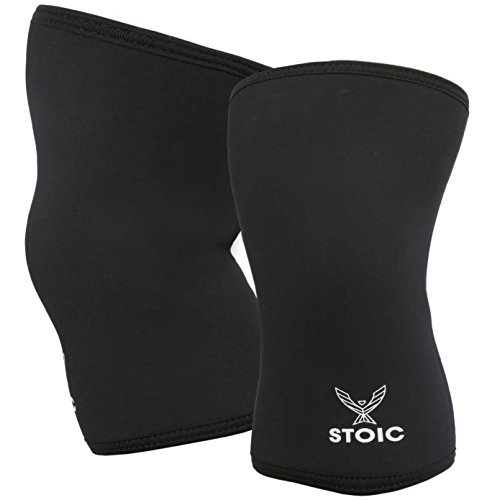
Stoic 7mm Neoprene Knee Sleeves

PUPTUT Dual-Strap Silicone Knee Brace

DR. BRACE ELITE Knee Brace (Mercury, Large)
DR. BRACE ELITE Knee Brace (Mercury, Medium)

DR. BRACE ELITE Knee Brace (Orion’s, Medium)

DR. BRACE ELITE Knee Brace (Earth, Large)

DR. BRACE ELITE Knee Brace (Mars, Large)
The Details Behind The Selections
Strap-style braces focus pressure right below the kneecap, and the Movary set leans hard into that targeted approach. Two straps ship in the box, so you’ve got a spare or a matching pair for both legs, and the included third strap of a different length lets you tune the fit depending on how much squeeze you actually want.
It’s a sensible starting point for anyone whose knee complaint centers on the tendon rather than the joint itself. Walkers, casual basketball players, and people putting in long days on their feet tend to get along with this style. Compared to the Stoic sleeve that comes later, this is far less bulky and stays out of the way under pants, which matters during a long shift.
Everyday Wins
- The cushioning pad sits right under the patella, easing the tug on the tendon during stairs and squats.
- Three included straps of varying lengths let you dial in compression instead of settling for one fixed tension.
- Hook-and-loop closures (fabric fasteners you press together and peel apart) hold position through running and gym sessions without constant re-adjustment.
- A two-pack means one stays in your gym bag while the other lives at your desk.
- The light profile won’t bunch under trousers or work pants.
Things To Consider
- Strap designs cover only a small area, so generalized joint instability won’t feel meaningfully addressed.
- Hook-and-loop can collect lint and lose grip over time, particularly after heavy sweating or repeated machine washes.
Who It Suits Best
Runners, court-sport players, and anyone dealing with focused patellar tendon soreness who wants a low-profile option they can slip on and forget about.
Consider Something Else When
Pick the Stoic 7mm Neoprene Knee Sleeves instead if you’re loading heavy squats and want warmth and wraparound compression rather than a single tendon strap.
Where the Movary strap targets a single tendon, the Stoic sleeve wraps the whole joint in 7mm of neoprene, a thick synthetic rubber that traps heat and squeezes evenly. Sold as a pair, it’s purpose-built for the rack: squats, deadlifts, leg press, anything where your knees take a real loading beat.
The neoprene holds warmth in the joint, which most lifters find helps with that stiff, creaky feeling before warm-up sets even start. Compared to the Movary strap covered earlier, this gives up pinpoint pressure for full coverage, which is the trade-off that actually matters. For a home gym or garage lifter pushing toward heavier numbers, that’s a sensible swap.
Everyday Perks
- 7mm neoprene gives meaningful compression without feeling like a rubber band around the joint.
- Sold as a matched pair, so both legs receive equal support during bilateral lifts.
- Heat retention helps loosen a stiff knee before the first working set.
- Sleeves slide on and off quickly between sets without re-threading straps.
Worth Noting
- Thick neoprene runs warm, so anyone in a hot gym or humid climate may find them uncomfortable past 45 minutes.
- Sizing matters more than with a strap; an off-sized sleeve will either roll down or pinch behind the knee.
- Not designed to address isolated patellar tendon pain the way a dedicated strap can.
Made For
Strength athletes and serious home gym users who want joint warmth and even compression through heavy lower-body sessions.
Reach For A Different Pick When
Try the Movary Patellar Tendon Support Strap 2-Pack if your issue is specifically pinpoint tendon pain and you want something lighter for running and daily walking.
Single-strap braces can pivot sideways during a hard cut, which is exactly the moment you need them most. PUPTUT answers that with two straps working in tandem, plus a silicone pressure pad that grips the skin rather than relying on the strap fabric alone.
It’s a one-pack, so you’re getting a single brace rather than a matched pair, which makes sense for runners and hikers who usually have one trouble knee. The dual-strap design spreads tension across a wider patch of leg, so it feels less like a tourniquet than the Movary’s single focused strap. For trail days and longer road miles, that broader hold is the real difference.
The Case For It
- Two-strap system resists sideways sliding during lateral cuts on the court or sharp trail turns.
- Silicone grip pad keeps the brace anchored without over-tightening the strap.
- Compresses close around the patella to keep the joint tracking during squats and stair climbs.
Room For Improvement
- Single-brace pack means you’ll need a second purchase if both knees tend to flare up.
- Dual-strap designs take a bit longer to position correctly than a single wraparound strap.
Best Suited To
Distance runners, hikers, and recreational athletes with one consistently sore knee who want more anchor security than a basic strap offers.
A Better Fit Elsewhere
Pick the DR. BRACE ELITE Knee Brace in Mercury if you want wraparound joint coverage with side stabilizers rather than a focused tendon strap.
This is where the list shifts from targeted straps to full-joint sleeves. The Mercury version pairs side stabilizers, rigid stays on either side of the joint that resist lateral (sideways) wobble, with a patella gel pad that cups the kneecap, and the result feels substantially more structured than anything earlier in the lineup.
For people whose knee gives way sideways on stairs or whose patella tracks off-center during squats, that combination addresses the actual mechanics rather than just compressing around the problem. It runs larger by design, so anyone with a broader thigh or calf will find the fit less pinchy than the medium variants covered below. Compared to the simpler PUPTUT strap, this is a meaningful upgrade in coverage.
The Upside
- Side stabilizers resist sideways drift on uneven ground or during pivoting sports.
- Patella gel pad keeps the kneecap tracking in line through repeated bending.
- Non-slip silicone strips hold position during walking, climbing, and light jogging.
- High-elastic fabric stretches with the joint instead of fighting it.
Points To Note
- More structure means more bulk under trousers, especially in warmer weather.
- Getting the size right requires careful measurement; the brand’s sizing video is worth watching before purchase.
Quick Facts
Who Should Grab It
Larger-framed adults and anyone with sideways knee instability who wants genuine structural support through daily activity.
Swap It Out When
Choose the Stoic 7mm Neoprene Knee Sleeves instead if your priority is warmth and even compression during heavy lifting rather than side-to-side stability.
The medium variant of the Mercury build delivers the same engineering as the larger size covered above, just scaled for a more typical frame. The fabric mix uses 34% polyester, which gives the knit a touch of structure and helps it hold its shape after repeated wear and washing.
For someone with average proportions who’s not chasing heavy squats but wants solid daily support, this lands in a useful sweet spot: more structured than the PUPTUT strap, less bulky than a thick neoprene sleeve. The Mercury aesthetic is also a bit more understated than some of the louder color variants further down the list, which matters if you plan to wear it under work pants.
A Favorable Mix
- Same dual stabilizer plus gel pad setup as the larger Mercury variant.
- Polyester blend helps the brace recover its shape after long days on the knee.
- Neutral Mercury tone stays discreet under most clothing.
Small Caveats
- Medium sizing won’t suit everyone; the brand recommends checking its sizing video before committing.
- More structure than a strap means a brief break-in period as the fabric conforms to your leg.
Perfect Match For
Average-framed adults who want structured daily support that fits under regular clothing without drawing attention.
Look Elsewhere When
Step up to the Mars variant if you prefer a different color palette and want the same large-frame engineering with a bolder look.
The Orion’s variant swaps the Mercury’s restrained palette for something a bit more distinctive, which sounds trivial until you realize most braces on the market look almost identical in basic black. Functionally you’re still getting the same stabilizer plus gel pad combo that’s defined this lineup so far.
It’s the medium build, so the same fit profile as the Mercury medium applies. For shoppers who care about how a brace looks peeking out from under shorts on a summer hike, this delivers the same support in a less anonymous color. Compared to the strap-style picks earlier, this is still a noticeably more structured piece of gear.
Bright Spots
- Distinctive color option for shoppers tired of plain black braces.
- Same proven stabilizer and gel pad configuration as the rest of the Elite line.
- Medium cut works well for average leg proportions.
Honest Caveats
- Color may show wear and staining more visibly than darker variants over time.
- Sizing still requires checking the brand’s fit guide before purchase.
Whose Shelf It Belongs On
Style-conscious shoppers who want the Elite line’s structure in a color that doesn’t disappear into every other piece of athletic gear they own.
Skip It When
Pick the Mercury variant instead if you’d rather have a neutral brace that disappears under trousers during work hours.
The Earth colorway leans warm and muted, and for larger frames it’s a comfortable pairing, both in sizing and in how the tone reads against bare skin during summer wear. Functionally it’s the same large Elite build with the side stabilizers and patella gel pad that have run through the previous reviews.
For anyone whose thighs run thicker and who’s been frustrated by medium braces cutting in behind the knee, the large build solves that simply by giving the fabric more room to do its job. Compared to the strap-only Movary covered at the top, this addresses far more of the joint, but it’s also a more substantial commitment to wear day after day.
A Strong Showing
- Large sizing gives larger thighs and calves room to breathe without binding.
- Warm earth tone reads naturally against skin in casual wear.
- Side stabilizers provide lateral support that simple straps can’t replicate.
Things To Weigh Up
- Larger size means more fabric coverage, which can feel warm in hot conditions.
- Lighter color tones may need more frequent gentle washing to stay presentable.
Right Fit For
Larger-framed adults seeking all-day comfort in a brace that doesn’t pinch, bind, or visibly clash with casual clothing.
Another Choice May Suit
Try the Mars variant below if you prefer a deeper color that hides wear and pairs with athletic gear.
Mars closes out the Elite color run with a deeper, more athletic palette, and it carries the same large-frame engineering as the Earth variant reviewed just above. The richer tone hides scuffs and sweat marks more reliably than lighter shades, which matters for a brace you’ll likely wear hard.
Active larger-framed adults who want a brace that looks like gym gear rather than medical equipment will appreciate the visual choice. The functional core stays unchanged: dual side stabilizers, gel patella pad, silicone grip strips. For a walker covering real distance or someone rebuilding strength after a flare-up, that’s the right balance of structure and wearability.
Useful Strengths
- Deeper Mars color hides everyday wear better than lighter Elite colorways.
- Large cut suits thicker legs without the behind-the-knee pinch smaller builds sometimes avoid.
- Side stabilizers add structural support through uneven terrain and pivoting movement.
- Gel patella pad keeps the kneecap tracking during repeated bending cycles.
Some Limits To Know
- Larger frame and structured design feel bulky under fitted clothing.
- Sizing still demands measuring against the brand’s chart before ordering.
Who Will Love This
Active larger-framed adults who want a structured, hard-wearing brace that looks the part during gym sessions and long walks alike.
Not Your Match When
Pick the PUPTUT Dual-Strap Silicone Knee Brace instead if you’d rather skip full-joint coverage and focus pressure on the patellar tendon with a lighter, strap-only design.
What To Weigh Before Choosing Braces For Knee Stability
The right style depends almost entirely on where your knee complains. Patellar tendon straps, like the Movary and PUPTUT picks earlier, focus compression just below the kneecap, making them a sensible choice for runner’s knee, jumper’s knee, or general tendon soreness triggered by stairs and squats. Sleeves like the Stoic neoprene wrap the entire joint in even pressure and added warmth, which most lifters prefer for heavier loading. Hinged or stabilizer-equipped braces, including the DR. BRACE ELITE variants in this list, add rigid side stays that resist sideways wobble for anyone dealing with ligament laxity (looseness in the ligaments that normally hold the joint steady) or post-injury recovery.
Sizing Matters More Than Marketing
Most brace returns trace back to wrong sizing rather than bad products. Measure the circumference of your thigh roughly six inches above the kneecap and your calf a similar distance below, then compare against the specific brand’s chart. Skipping this step is the single fastest way to end up with a brace that rolls, pinches, or slides exactly when you need it most. If your measurements sit between sizes, the larger size usually wins for all-day wear.
Activity Level Drives The Decision
Match the support to what your knee is actually doing. Casual walking and light jogging usually need less structure than heavy squats or trail hiking on uneven ground. A sleeve that feels fine on a flat treadmill can feel underbuilt on a rocky descent, while a rigid stabilizer brace feels like overkill for an office commute.
Care And Replacement Reality
Neoprene and knit braces absorb sweat, so plan on a gentle wash every week or two of regular wear. Hook-and-loop straps lose grip faster than the rest of the brace, which is why some people rotate two braces rather than running one into the ground. Replace a brace when the elastic stops snapping back or the gel pads visibly harden, since by that point it’s more decoration than support.
Key Considerations Across These Picks
Mistakes Worth Dodging
Picking a brace based on how it looks rather than where it supports is a fast path to disappointment. Strap-only designs look minimal but don’t stabilize a wobbly joint, while full stabilizer braces feel like overkill for a tendon that’s just sore. Equally common is skipping the measuring step and trusting a generic size chart, which is how most brace returns happen. You may also find that buying the most expensive option on the list doesn’t help if the underlying issue is tendon pain, not ligament looseness.
What The Higher Tier Buys
The jump from a basic strap to a fully stabilized brace is mostly about structural hardware: rigid side stays, gel pads, and a denser knit fabric. That engineering costs more, but the upgrade makes sense once a knee has started giving way sideways or feels unstable on uneven ground. For straightforward tendon soreness, a well-fitted strap delivers most of the benefit at a fraction of the price. Spend up when your knee actually needs the structure, and save when it just needs targeted compression.
Frequently Asked Questions
How tight should a knee brace feel?
A knee brace should feel snug and supportive without cutting off circulation or causing numbness. You want firm pressure, particularly below the kneecap for tendon straps, but your skin shouldn’t be visibly pinched or your foot should never feel cold or tingly.
Can a knee brace be worn all day?
Most braces can be worn throughout the day during normal activity, though it’s worth removing them for an hour or so to let the skin breathe. For sleeping, looser-fitting sleeves are usually fine, but rigid stabilizer braces are typically too bulky for comfortable overnight wear.
Do knee braces help with arthritis pain?
A well-fitted sleeve can warm the joint and reduce the sense of grinding during movement, which many people with arthritis find helpful. A brace is not a treatment for arthritis itself, so persistent pain deserves a proper evaluation rather than a permanent reliance on compression.
How do I clean a knee brace?
Most knit and neoprene braces do well with a gentle hand wash in cool water and a mild soap, then air-dried flat. Machine washing and drying tends to break down elastic and warp gel pads faster than hand care, so the few extra minutes are usually worth it.
When should a knee brace be replaced?
Replace a brace when the elastic stops springing back, when hook-and-loop no longer grips firmly, or when gel pads have visibly hardened. Worn-out support can give a false sense of security, so swapping in a fresh brace is a safer bet than stretching an old one further.
Closing Remarks
The right brace depends on what your knee actually does day to day, and how much structure that activity demands. Tendon-focused straps handle most running and court-sport soreness, while stabilizer-equipped braces earn their place when the joint itself feels unreliable. Measure carefully, match the style to the symptom, and you’ll find a pick on this list that earns its spot in your gym bag or work drawer.