Distal bicep tendonitis has a way of turning simple curls and overhead reaches into a negotiation with pain. The right brace takes pressure off the inflamed tendon while letting you keep moving through daily tasks, gym sessions, or job-site labor. For anyone who needs targeted compression without immobilizing the joint, the picks below offer different takes on the same goal. A forearm strap, an upper-arm sleeve, and a knit recovery wrap each serve a slightly different moment in your rehab journey, so matching the design to your routine matters more than chasing a single magic bullet.
A Side-By-Side Look
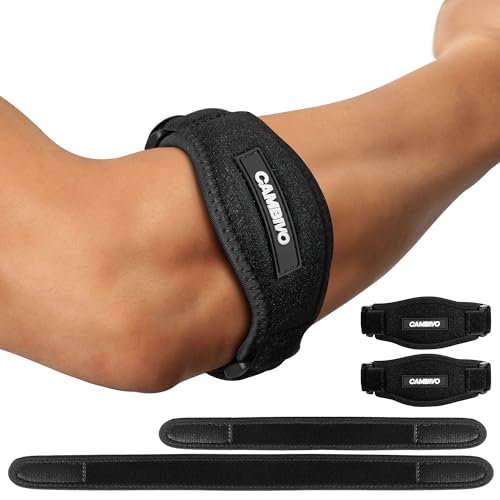
CAMBIVO 2 Pack Tennis & Golfer’s Elbow Brace

Kunto Fitness Elbow Brace Compression Sleeve
Copper Bicep Tendonitis Brace Compression Sleeve

ITHW Bicep Tendonitis Brace Compression Sleeve

FOWRAES Bicep Tendonitis Brace Tricep Upper Arm
The Picks, Examined More Closely
The CAMBIVO brace takes a counterforce approach, meaning it wraps around the forearm muscle belly just below the elbow and redirects tension away from the irritated tendon insertion point. Two adjustable straps of different lengths let you fine-tune the pressure rather than settling for a one-size-fits-most loop, which matters when swelling fluctuates between a hard training day and a rest day. The honeycomb-patterned inner padding is the kind of detail you don’t think about until you’ve worn a cheap strap for two hours and your skin protests.
For most lifters and office workers with a flare-up near the elbow crease, this style of strap is the familiar starting point. You keep full range of motion at the joint, the brace slides under a long sleeve, and you can tighten it before a heavy pull day or loosen it for typing. Compared to the full-sleeve options later in this list, the CAMBIVO targets a more precise spot rather than blanketing the whole upper arm.
Strengths Worth Knowing
- Dual-strap design accommodates slimmer forearms and bulked-up arms alike
- Honeycomb padding reduces skin irritation during long wear sessions
- Two-pack value covers both arms or gives you a backup for the gym bag
- Low-profile fit sits comfortably under clothing and sweatshirts
- Counterforce pressure offloads the tendon during gripping and lifting
Trade-Offs To Consider
- Targets the forearm rather than the upper bicep, so its direct relevance to distal bicep cases is moderate
- Strap tension takes some experimentation to dial in correctly
- Fabric grip can loosen slightly during sweaty sessions and may need re-tightening
Who Should Grab It
Gym-goers and tradies who need affordable, adjustable forearm offloading on demand, especially those whose pain sits closer to the elbow than the upper arm.
Consider Something Else When
Reach for the SOLOEVER Copper Bicep Tendonitis Brace instead if your soreness runs higher up the arm, where an upper-arm sleeve hugs the actual bicep tendon.
The Kunto sleeve swaps the strap-and-pad approach for a continuous knit tube that slides over the elbow like a second skin. Its nylon-spandex-rubber blend spreads compression evenly around the joint, so you trade pinpoint pressure for a more forgiving, all-day wear. For someone who hates fiddling with Velcro between sets, that simplicity is the real selling point.
Active folks who deal with tendonitis flare-ups during tennis, golf, basketball, or repetitive job tasks tend to gravitate toward sleeves for the easy on-and-off. The full-elbow coverage also helps if your pain migrates between the medial and lateral sides, or if you just want a thermal, supportive layer while you push through light workouts. Unlike the CAMBIVO strap above, this one doesn’t isolate one tendon, it blankets the whole region.
Good Reasons To Consider
- Smooth sleeve construction means no straps to adjust mid-session
- Even compression works well for pain that isn’t localized to one spot
- Slip-on design fits easily under long sleeves or jersey cuffs
- Versatile across racquet sports, lifting, and general activity
Minor Gripes
- Compression is general rather than focused on the distal bicep tendon specifically
- Fabric can run warm in hot climates or high-intensity workouts
- Sizing can be tricky if your forearm and bicep measurements differ significantly
The Right Fit
Multi-sport athletes and casual gym users who want fuss-free elbow support without strapping anything down between every rep.
Look Elsewhere When
Pick the ITHW Bicep Tendonitis Brace if you need a sleeve that sits higher on the upper arm, since that knit is shaped to cup the bicep region rather than center on the elbow joint.
The SOLOEVER sleeve moves the conversation to the upper arm, which is where distal bicep tendonitis actually lives. Copper-infused fabric, marketed for compression and circulation, wraps the bicep and triceps region in a snug tube, and the included pair means both arms get consistent treatment. For anyone whose pain sits a few inches above the elbow crease, this design targets the right neighborhood.
Post-surgery recovery and overuse injuries both benefit from steady compression, and the sleeve’s stretch fabric slides on without yanking. Daily wearers who want a discreet under-shirt option appreciate how the knit lays flat instead of bunching. The copper weave is a comfort and feel feature more than a clinical claim, so set expectations accordingly.
What Earns Its Place
- Upper-arm placement directly addresses distal bicep tendon territory
- Pair-pack offers balanced support for both arms during recovery
- Stretch knit construction makes application easier than rigid braces
- Smooth profile layers cleanly under dress shirts and casual tops
Honest Caveats
- Copper-infused branding appeals more to comfort than to documented medical benefit
- Fabric can lose some compression after repeated wash cycles, a common knit-sleeve quirk
- Not designed to isolate the tendon insertion point the way a strap can
Key Specs
Made For
Recovering adults and dedicated gym trainees who want upper-arm compression that follows the actual site of distal bicep tendonitis.
Reach For A Different Pick When
Choose the CAMBIVO counterforce strap if your pain radiates down into the forearm, since that design loads pressure below the elbow where this sleeve leaves off.
The ITHW sleeve uses a high-precision 3D knit that hugs the arm with a structured feel, more like a compression garment than a loose tube. For post-workout or post-surgery recovery, that snug, supportive wrap encourages circulation while reminding you to ease off heavy loading. Breathability gets attention in the knit pattern, so the sleeve doesn’t turn into a sweat trap during long shifts.
Compared to the SOLOEVER copper sleeve, this one leans harder into recovery and rehabilitation rather than casual wear. The three-dimensional knit construction helps the fabric hold its shape through repeated wash cycles, a practical advantage for anyone who plans to wear it most days. You’ll notice the difference if you’ve ever stretched out a cheaper sleeve until it stopped doing anything.
Well-Handled Touches
- 3D knit holds compression longer than basic stretch fabrics
- Breathable weave manages heat during extended wear
- Supports both bicep and triceps regions, helpful for bilateral tendon issues
- Suitable for daily wear alongside rehab or post-surgical routines
Points To Keep In Mind
- Snug fit can feel restrictive during high-rep arm workouts
- Knit texture may show through thinner dress shirts
- Pull-on style takes a moment to position correctly on a sore arm
Best Suited To
Active recoverers and rehabilitation-focused users who want structured upper-arm compression that holds up to daily wear and frequent washing.
A Better Fit Elsewhere
Step up to the FOWRAES small-size brace if your arms run narrower, since a tighter knit cut on this sleeve may feel too compressive on slimmer frames.
The FOWRAES brace offers a small-sized upper-arm sleeve that addresses a frustration many shoppers run into: most compression sleeves run too loose on a slim arm and stop doing useful work. By cutting the knit specifically for narrower biceps and triceps, this one keeps its grip instead of sliding down during overhead work. Pain relief, swelling control, and improved circulation during motion are the selling points, and the targeted fit helps each one deliver.
For smaller-framed users who felt underserved by one-size sleeves, this is the rare cut that actually matches. Post-workout recovery sessions feel more supported when the fabric stays put, and you won’t constantly tug the sleeve back up between sets. It’s a quiet upgrade that matters more in daily use than it sounds on paper.
The Practical Payoff
- Small-size cut fits slimmer arms without slipping
- Targets bicep and triceps regions for full upper-arm coverage
- Knit design supports circulation during arm motion
- Practical for post-workout and post-surgery recovery routines
Less Ideal Details
- Small sizing limits its usefulness for larger arms
- Compression level may feel modest compared to denser medical sleeves
- Single-size offering means no easy sizing-up for layering
Whose Shelf It Belongs On
Smaller-framed lifters, climbers, and rehab patients who need a properly fitted upper-arm sleeve rather than a loose one-size tube.
Swap It Out When
Turn to the SOLOEVER copper sleeve if you want a pair-pack option that covers both arms with the same level of compression, or a different feel against the skin.
Picking The Right Fit For Your Arm
Compression Style That Matches Your Pain
Forearm straps like the CAMBIVO counterforce design work by redirecting muscle tension away from the tendon, a technique that’s been around in physical therapy circles for decades. Upper-arm sleeves take a different route: they blanket the bicep and triceps with even pressure to support circulation and reduce swelling. For pain that lives squarely on the distal bicep tendon, near the elbow crease, an upper-arm sleeve hugs the affected area more directly. For pain that radiates down into the forearm or flares up during gripping, a counterforce strap spreads the load differently. Some users rotate between both styles across the week, strap for heavy lifts, sleeve for desk days.
Material, Breathability, and Long-Wear Comfort
Compression braces spend hours against your skin, so material choice deserves more attention than it usually gets. Nylon-spandex knits stretch with movement and wick reasonably well, while copper-infused fabrics add a smoother hand-feel without dramatically changing performance. Breathable weaves matter more for anyone wearing the brace under a dress shirt or during summer training. One practical ownership note: knits gradually lose compression after dozens of wash cycles, so plan to replace the sleeve when it stops feeling snug rather than wearing it indefinitely.
Sizing and Fit Considerations
A brace that slides down your arm or bunches at the elbow does very little useful work. Measure both your bicep and forearm circumference before ordering, since mismatch between the two is common. Sleeves sized for “average” arms often run loose on slimmer frames, which is exactly why cut-specific options like small-sized braces earn their place. Straps offer more adjustability but introduce variability, you’ll spend the first week learning how tight feels supportive versus how tight feels restrictive.
Key Considerations Across These Picks
Where Shoppers Go Wrong
A common slip-up is treating the brace as a cure rather than a support tool. Compression helps manage symptoms and offload the tendon, but it doesn’t replace rest, gradual loading, or professional rehab guidance. Another mistake is buying a forearm strap when the pain sits clearly on the upper bicep, or grabbing a too-loose sleeve that bunches and slides. Sizing off the wrist or elbow rather than the upper arm also leads to poor fit.
What Separates Premium From Basic
Higher-tier sleeves usually offer denser knits that hold compression longer, more thoughtful weave patterns for breathability, and better shape retention after washing. A more refined brace also tends to layer more discreetly under clothing, which matters if you wear it daily. The upgrade pays off when you use the brace most days of the week, less so for occasional post-workout wear.
Frequently Asked Questions
How long should I wear a brace for distal bicep tendonitis?
Most users start with a few hours during the painful activity and build toward longer wear as comfort allows. Removing the brace overnight gives the skin time to recover.
Can I still lift weights while wearing one?
Light to moderate lifting is generally fine with either a strap or sleeve in place. For heavy pulls, consider reducing load while the tendon calms down, and always listen to sharp pain as a stop signal.
What’s the difference between a strap and a sleeve?
A strap concentrates pressure on one small area below the elbow, while a sleeve spreads compression around the whole upper arm or elbow. Straps isolate, sleeves support.
Are copper-infused fabrics actually beneficial?
The copper adds a softer feel and can influence thermal properties, though compression benefit comes from the knit itself rather than the metal. Treat it as a comfort upgrade, not a clinical one.
How do I clean these braces?
Most knit sleeves and straps do well with cold hand washing and air drying. Hot water and machine drying tend to break down elastic fibers faster, shortening useful life.
The Takeaway
Distal bicep tendonitis responds best when you match the brace design to where the pain actually lives, then wear it consistently through the activities that aggravate the tendon. Straps offload the forearm, sleeves hug the upper arm, and the right pick depends on whether your flare-up sits closer to the elbow or higher up the bicep. Pair the brace with sensible load management, and recovery tends to feel a lot more linear.