

Lower back pain has a way of sneaking into everything. A long shift at a warehouse, hours behind a desk, a flare-up from an old disc injury. Picking the right brace can turn a rough afternoon into a manageable one. These four picks cover different lifestyles, from desk-bound office workers to weekend weightlifters, so you can match support to your daily reality.
The Picks In Brief
SOLOEVER Ultra Breathable Back Brace for Lower Back Pain Relief

Fit Geno Back Brace for Lower Back Pain, Lumbar Support
STALLY ONE Posture Corrector, Medical-Grade Back Brace
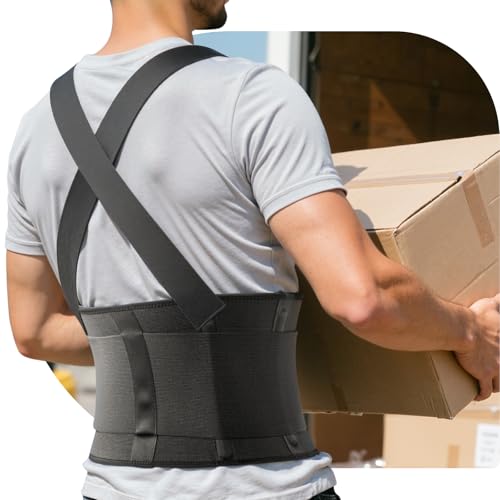
SOLOEVER Work Back Brace, Adjustable Lower Back Support Belt
More On The Choices That Made The List
The SOLOEVER Ultra Breathable model leans into one specific idea: the brace should follow the shape of your lower spine rather than fight it. A curved panel is built to align with the natural arc of the lumbar vertebrae, which are the five bones between your ribs and pelvis. That contour matters because a flat plate tends to dig into the wrong spots when you sit down or lean forward.
For someone logging eight hours at a desk or spending a long day on their feet, breathability is the make-or-break feature. A brace that traps heat gets abandoned by lunchtime. The mesh-style construction here is meant to keep airflow moving, so it stays tolerable under a shirt. It suits people recovering from herniated disc issues, sciatica flare-ups, and general lumbar strain who want all-day wear without the sauna effect.
Features That Help
- Curved panel mirrors the natural lumbar curve, which keeps pressure off the wrong spots when you lean forward
- Breathable fabric construction helps the brace stay wearable under clothing during long shifts
- Adjustable straps let you tune compression as swelling or pain levels change through the day
- Coverage spans the L1 to L5 lumbar region, hitting the area where most lower back pain actually starts
Things To Consider
- Sizing tends to run a touch tight, so you may want to size up if you sit between ranges
- Owners commonly report Velcro grip weakening after several months of daily wear
- Works best under loose clothing rather than fitted workwear
Key Specs
Who It Suits Best
Office workers, drivers, and anyone with chronic lower back pain who needs a brace they can wear for hours without overheating or constant readjusting.
Where Another Pick Suits Better
If your main goal is heavy lifting on a job site, the SOLOEVER Work Back Brace is built for tougher loads and rougher environments.
The Fit Geno brace takes a different approach from the SOLOEVER Ultra Breathable by centering the support around a removable lumbar pad. That pad presses directly against the lower spine, giving concentrated relief where sciatica and muscle strain tend to concentrate. Think of it as a thumb pressed firmly into a sore knot, but held in place by the brace itself.
This design works particularly well for people whose pain flares during prolonged sitting. The pad acts as a posture reminder, gently cueing you to keep your spine aligned rather than slouching into the chair. Compared to the flatter panel on the SOLOEVER, this one is more interactive. You can adjust or remove the pad depending on the day, which makes it flexible for users dealing with both acute flare-ups and long-term maintenance.
What Works In Its Favor
- Removable lumbar pad provides focused pressure exactly where sciatica pain tends to peak
- Pad doubles as a posture cue, reminding you to sit up during long desk sessions
- Adjustable fit accommodates a wider range of body shapes than standard one-size belts
- Useful for both standing and seated work without needing to reposition
Worth Noting
- The pad can shift during very active movement, so it’s less ideal for lifting tasks
- May feel warm around the lower back during summer months, depending on fabric layers
Made For
Office workers, remote employees, and students who spend long hours at a desk and want steady lumbar pressure plus a passive posture cue.
Consider Something Else When
For short daily posture-training sessions rather than full-day support, the STALLY ONE Posture Corrector is a lighter, lower-commitment option.
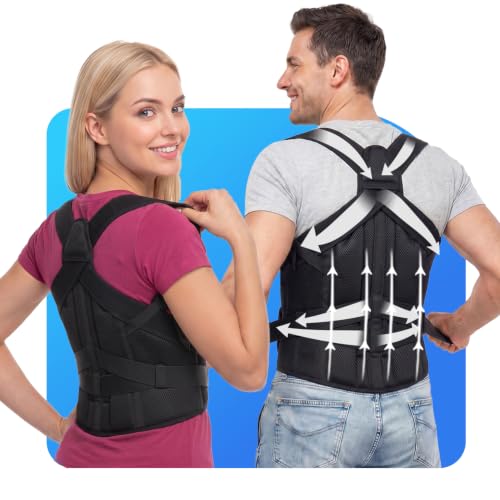
The STALLY ONE Posture Corrector is built on a different philosophy than the previous two picks. Rather than offering all-day compression, it is designed for short, focused sessions that retrain your posture habits. The brand suggests starting with five to ten minutes a day and building up gradually, which sets a very different expectation than wrapping yourself in support for an eight-hour shift.
This approach makes sense for people whose back pain stems from chronic slouching rather than a specific injury. The brace pulls your shoulders back and opens the chest, training the muscles that hold you upright. Over weeks, the idea is that you rely on it less as your body remembers the corrected position. For desk workers in the early stages of building better habits, it can be a useful training tool.
Bright Spots
- Lightweight, low-profile design fits easily under regular clothing
- Short daily sessions make it manageable for people who can’t commit to all-day wear
- Encourages muscle memory so you gradually rely on the brace less over time
- Suitable for both men and women without separate sizing tiers
Room For Improvement
- Not designed for heavy lifting or active job sites
- Strap positioning can dig into the underarms during longer wear sessions
Right Fit For
Beginners tackling posture-related back pain, or anyone whose main issue is slouching at a desk rather than structural injury.
Swap It Out When
For a brace you can wear during actual lifting or physical work, the SOLOEVER Work Back Brace offers the structural support this one skips.
The SOLOEVER Work Back Brace is the most rugged option in this roundup. Unlike the breathable daily-wear model from the same brand, this belt is built for warehouse floors, construction sites, and moving days. The materials and construction lean toward durability over ventilation, with reinforced stitching and a wider profile that wraps firmly around the lower back.
For someone lifting boxes, loading trucks, or operating heavy equipment, the trade-off in breathability is worth it. The brace stays put under heavy movement and offers the kind of firm compression that supports the spine during repeated strain. Compared to the Fit Geno pad-based design, this one is simpler: pull it tight, get to work, and let it do its job.
Standout Benefits
- Reinforced construction holds up to repeated heavy lifting without fraying
- Adjustable sizing fits a wide range of body types around a worksite
- Wide profile distributes pressure evenly across the lower back during strain
- Helps maintain proper lifting posture, reducing injury risk during repetitive tasks
Points To Note
- Less breathable than the SOLOEVER Ultra Breathable, so it’s less comfortable during hot shifts
- Bulkier profile sits awkwardly under fitted clothing
- Overkill for desk work or light daily activity
Built With In Mind
Construction workers, warehouse staff, movers, and anyone whose job involves repeated heavy lifting or awkward physical tasks.
Another Choice May Suit
For all-day wear at a desk or on your feet, the SOLOEVER Ultra Breathable offers similar brand quality with far better ventilation.
What To Weigh Before Choosing Your Back Brace
The first thing to figure out is what your day actually looks like. A brace built for a construction site will feel suffocating during an office shift, and a slim posture corrector won’t survive a day on a loading dock. Match the brace to the environment where you’ll wear it most, not the worst-case scenario you imagine once a year.
Compression level matters more than most shoppers expect. Some braces offer gentle, even pressure meant for long wear. Others provide firm, structured support for active tasks. The lumbar pad on the Fit Geno model sits in between, offering focused pressure without locking you into rigid posture. Think about whether you want a constant reminder on your back or a tool you tighten during specific moments.
Adjustability shows up everywhere in this category, but the quality varies. Wider adjustment ranges help if your body shape shifts between seasons or if you share the brace with a partner. Look for double-strap designs if you want fine-tuned compression, since single-strap belts tend to either feel too loose or pull unevenly.
Fabric breathability is the silent dealbreaker. A brace that traps heat gets shoved in a drawer by week two. Mesh panels, ventilated weaves, and moisture-wicking layers all help. For warm climates or summer work, this feature matters as much as structural support, since a brace you can’t tolerate wearing is a brace that can’t help you.
Key Considerations Across These Picks
Pitfalls Shoppers Hit
One common mistake is choosing a brace based on how it looks on the shelf rather than how it fits your actual routine. A heavy-duty work belt won’t serve someone who just needs posture reminders during long meetings. Similarly, picking the lightest, most flexible option for a job that involves real lifting often leads to frustration when the brace fails to provide enough support during the moments that matter most.
Another trap is ignoring the break-in period. Most lumbar braces feel awkward the first day or two, especially if you’re used to moving freely. Giving up too soon is a frequent reason braces end up unused. Starting with shorter wear sessions and building up gradually, much like the STALLY ONE recommends, often makes the transition smoother.
What The Higher Tier Buys
Higher-tier braces in this category typically invest in better materials, more refined ergonomic shaping, and sturdier hardware like metal stays instead of plastic inserts. The curved panel on the SOLOEVER Ultra Breathable is a good example of design refinement that costs more to produce but delivers noticeably better fit. For users who wear a brace daily, those upgrades show up in comfort and durability. For occasional use, a simpler design often gets the job done at a friendlier price.
Frequently Asked Questions
How tight should a back brace feel? A back brace should feel snug and supportive without restricting breathing or circulation. If you can’t take a normal deep breath or notice numbness in your legs, loosen it.
Can you wear a back brace all day? Most braces are safe for several hours of wear, but extended all-day use should be discussed with a healthcare professional. Many users rotate between braced and unbraced periods to avoid muscle dependency.
Do back braces help with sciatica? Braces that provide lumbar support can reduce the pressure that aggravates the sciatic nerve, which is the long nerve running from the lower spine down through the legs. They manage symptoms rather than address root causes.
What’s the difference between a posture corrector and a lumbar brace? A posture corrector mainly retrains upper back and shoulder positioning through short sessions. A lumbar brace delivers compression and support directly to the lower back during activity or long wear.
How do you clean a back brace? Most fabric braces can be hand-washed with mild soap and air-dried. Avoid machine drying, since heat damages elastic and Velcro components over time.
The Takeaway
The right back brace depends less on marketing language and more on how your pain actually shows up during the day. Match the brace to the activity, pay attention to breathability if you’ll wear it long, and give any new brace a fair break-in window before judging it. Your back will tell you pretty quickly whether the fit is right.