

Lower back pain rarely announces itself, it just shows up after a long commute, a long meeting, or one too many hours hunched over a laptop. A well-chosen back brace can take the edge off by supporting your lumbar region, reminding you to sit tall, and giving tired muscles a break. The four picks below cover posture training, lumbar stabilization, and breathable everyday wear, so you can match the brace to how your day actually looks.
A Fast Comparison Of The Options

Vicorrect Adjustable Posture Corrector Back Brace (Pink Small)
Yowayonoe Adjustable Full Back Brace Support
SOLOEVER Ultra Breathable Lower Back Brace

GROKIE Posture Corrector Back Brace (Medium)
What Each Pick Brings To The Table
The Vicorrect sits in that comfortable middle ground between a posture reminder and a full brace. The frame is lightweight, the fabric breathes, and the adjustable straps let you dial in tension without feeling strangled at the shoulders. Office workers who spend six to eight hours at a desk will probably appreciate how little bulk it adds to a workday outfit.
Compared to the heavier-duty lumbar pieces later in this list, this one leans more toward training than stabilization. It pulls your shoulders back gently and keeps your upper spine from drifting into a C-shape during long email sessions. Students and remote workers tend to find the soft pull easier to wear through a full afternoon than rigid paneling.
Everyday Perks
- Lightweight construction keeps the brace from feeling like a workout just to put on.
- Breathable fabric reduces the sweaty-back issue that plagues denser braces in warm offices.
- Adjustable straps accommodate a wide range of torso sizes within the small designation.
- Subtle enough to wear under a loose sweater or hoodie without obvious lines showing.
- The pink colorway offers a non-clinical look for shoppers who dislike medical-style gear.
Points To Note
- The upper-back focus means it does less for direct lumbar support than the SOLOEVER pick below.
- Lightweight fabric can stretch out over months of daily wear, depending on how tightly you set the straps.
- The Small sizing runs true to fit, so broader frames will want to check measurements carefully before committing.
Who Should Grab It
Anyone fighting mid-afternoon slouch from desk work who wants a barely-there brace they can wear through a full workday without overheating.
Look Elsewhere When
The SOLOEVER Ultra Breathable Lower Back Brace suits shoppers whose pain centers on the lumbar region rather than the upper back and shoulders.
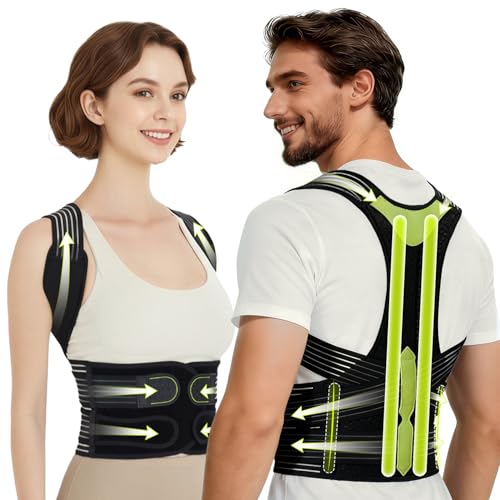
The Yowayonoe takes a more active approach than the Vicorrect, aiming to retrain posture habits rather than simply hold the shoulders back. Built-in flexible rods create resistance when you start to hunch, then release the moment you sit up straight. The brace essentially functions as a tactile coach during long sessions at the keyboard.
For shoppers who have tried basic posture braces and found the results faded after a few weeks, the rod-based design offers something different. It targets the upper-to-mid back, covering a wider surface than the Vicorrect while still staying slim enough to layer under most tops. Drivers and desk workers who repeatedly catch themselves slouching will recognize the value quickly.
Notable Upsides
- Dual flexible rods provide active feedback, which tends to build muscle memory faster than passive straps.
- Full-back coverage supports the thoracic spine, an area often ignored by standard posture braces.
- Adjustable fit works across a broad size range, making it accessible for shared household use.
- Low-profile design layers reasonably well under button-downs and blazers for office settings.
Things To Consider
- Active resistance means an adjustment period; first-time wearers often find the pull strong during the initial week.
- The rod mechanism adds a touch more structure than fabric-only braces, which may bother sensitive shoulder areas.
- Effectiveness depends on consistent daily wear, so casual users may not see the habit-shift benefits.
Feature Snapshot
Made For
Habit-builders who want their brace to actively remind them to sit tall, especially office workers and drivers logging long seated hours.
Skip It When
The Vicorrect Posture Corrector is a softer fit for shoppers who prefer passive shoulder support without the rod-driven resistance.
The SOLOEVER is the lumbar specialist of the group. Its curved support panel sits low on the back, hugging the natural arc of the lower spine and lifting some load off the muscles that usually absorb it. Shoppers with recurring lower back discomfort from lifting, standing all day, or recovering from strain will recognize what this design is trying to do.
Unlike the upper-back posture trainers above, this brace targets the lumbar region where compression and fatigue tend to concentrate. The breathable mesh construction helps with extended wear, and the wrap-around design lets you tighten the compression where you actually need it. Warehouse workers, parents lifting toddlers, and older shoppers managing stiffness tend to gravitate toward this style.
What Makes Sense
- The ergonomic panel mirrors the lumbar curve, which reduces the flattened-back feeling common with straight braces.
- Ultra-breathable mesh handles long shifts without trapping heat against the lower back.
- Wrap-around compression lets you focus support at the exact point of discomfort.
- Sturdy enough for light lifting tasks around the house or warehouse floor.
Honest Caveats
- The bulkier panel makes this brace harder to hide under fitted clothing than the Vicorrect or GROKIE options.
- Positioning matters; the panel has to land on the lumbar curve to actually help, which takes some practice.
- Tightening aggressively for heavy support can feel restrictive during seated desk work.
Whose Shelf It Belongs On
Anyone whose discomfort centers on the lumbar spine rather than the upper back, particularly people with physically demanding routines or chronic lower back tightness.
Consider Something Else When
The Yowayonoe Adjustable Full Back Brace Support fits shoppers whose posture problem starts at the shoulders and upper spine instead of the lower lumbar region.
The GROKIE leans into the under-clothes angle that desk workers care about most. The slim profile and soft edges aim to disappear under a button-down or blouse, so you can wear it through meetings without anyone noticing. The Medium size covers chest measurements from 32 to 45 inches, which fits a wide range of body types comfortably.
For shoppers who tried the Vicorrect and wanted something more neutral in color and more focused on rounded shoulder correction, this lands as a sensible step. It pulls the shoulders back gently, holds the upper spine in a healthier line, and stays unobtrusive during long office days. Remote workers cycling between video calls and focused writing tend to find the discreet design valuable.
Good Reasons To Consider
- Low-visibility design works well under fitted clothing for office and video-call settings.
- Wide chest size range covers most medium-frame shoppers without guesswork.
- Adjustable straps make it easy to share between family members or adjust through the day.
- Breathable fabric holds up reasonably well during warm-weather wear.
Soft Spots
- Like most upper-back braces, it does not address lumbar pain directly.
- The slim design means less structural support than rod-assisted or panel-based options.
- Owners commonly note that the straps can twist if not adjusted carefully before each wear.
Right Fit For
Office professionals and remote workers who need a discreet brace that stays invisible under work attire while gently correcting rounded shoulders.
A Better Fit Elsewhere
The SOLOEVER Ultra Breathable Lower Back Brace suits shoppers whose pain centers on the lumbar region rather than the upper back posture chain.
Picking A Back Brace That Actually Helps Your Day
The right back brace depends less on a spec sheet and more on where your pain lives. Lower back discomfort from lifting, standing, or stiffness responds best to a brace with a firm lumbar panel, like the SOLOEVER, that wraps the natural curve and supports the spine directly. Shoppers whose issues come from hours of sitting and a creeping forward-head posture usually do better with an upper-back design that trains the shoulders to stay back, such as the Vicorrect, Yowayonoe, or GROKIE.
Material matters more than people expect. Breathable mesh keeps the brace wearable through an eight-hour shift, while denser neoprene-style fabrics trap heat and tend to come off early. Adjustability is the other quiet winner: a brace that adapts to your torso through the day will always outperform a one-size-fits-most design that digs in after lunch.
Sizing also deserves a careful look. Chest and waist measurements matter more than the listed size letter, especially for wraparound styles. A brace that sits too high on the lumbar curve will feel useless, and one that lands too low on the hips will restrict every movement. Take five minutes with a tape measure before ordering.
Common Slip Ups Worth Dodging
Treating a brace as a cure rather than a support tends to backfire. Shoppers who wear a brace all day and skip the underlying strength work often find their muscles weaken, making the brace feel more necessary over time. Use it as a training tool, then taper wear as your posture improves.
Buying for the wrong region is the other common trap. Posture braces with shoulder straps rarely help lumbar pain, and lumbar panels rarely fix rounded shoulders. Match the brace to the actual source of discomfort, not the broadest marketing claim. That single decision separates helpful gear from a drawer full of unused wraps.
Frequently Asked Questions
How long should you wear a back brace each day?
Most manufacturers suggest starting with one to two hours per day and gradually increasing based on comfort. Wearing a brace for every waking hour is rarely necessary and may weaken supporting muscles over time.
Can a back brace fix poor posture on its own?
A brace can remind you to sit tall and provide support, but lasting posture change comes from strengthening the muscles that hold you upright. Pair brace use with targeted exercises for the best long-term results.
Are posture braces safe to wear at work?
Most lightweight posture braces are safe for office and desk environments, though you should loosen or remove the brace during heavy lifting unless it is designed for that purpose. Listen to your body and adjust if you feel numbness or tingling.
Will a back brace help with sciatica or herniated discs?
A brace may relieve pressure on the lower spine and reduce discomfort during flare-ups, but it does not treat the underlying condition. Persistent pain deserves a conversation with a qualified healthcare provider.
How do you clean a fabric back brace?
Most fabric braces can be hand-washed in mild soap and air-dried away from direct heat. Machine washing tends to warp the straps and damage any internal support rods.
Wrap Up
The best back brace is the one that targets the area where your discomfort actually lives and fits comfortably enough to wear consistently. Match the design to your pain, pay attention to breathability and adjustability, and use the brace as a training aid rather than a permanent crutch. Your back will thank you for the thoughtful choice.