

Your feet carry you through long shifts, hard runs, and back-to-back meetings, so the wrong insole quietly compounds discomfort with every step. The right arch support inserts reshape how force moves through your foot, easing pressure on the heel and forefoot. The seven options below cover different foot shapes, arch heights, and shoe types, so you can match the design to the way you actually move.
The Shortlist At A Glance

FLYSTORY 4D Cloud Insoles Arch Support Shock Absorption
PLERE Arch Support Insoles Plantar Fasciitis Standing All Day

ARIAT Men’s ATS Round Toe Insole Gel Cushion Footbed
ARIAT Women’s ATS Round Toe Insole Gel Cushion Footbed

Aetrex L2200 Men’s Memory Foam Insoles Plantar Fasciitis Arch Support
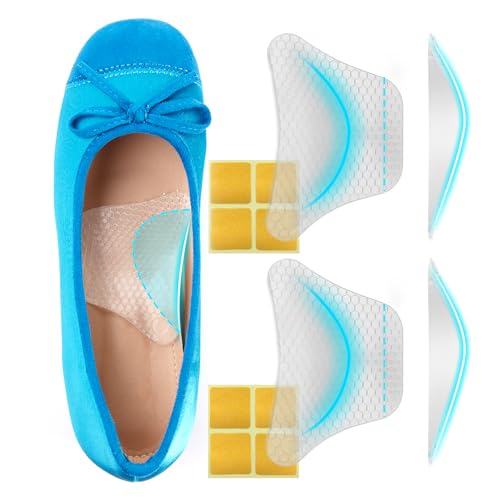
PLERE Non-Slip Gel Arch Pad High Arch and Flat Feet
FitFeet 3/4 Orthotics Shoe Insoles Arch Support
What Each Pick Brings To The Table
The FLYSTORY 4D Cloud Insoles arrive as a two-pair bundle, which matters more than it sounds: you can rotate a fresh pair into sneakers while the other airs out, slowing odor buildup. The PU foam construction feels pillowy underfoot rather than rigid, so the first few steps land soft instead of forcing your arch into shape.
These work best in roomy shoes like work trainers and running shoes, where the full-length shape can spread out without crowding the toe box. Compared to the Aetrex L2200 covered later, the cushioning here is noticeably plusher but less corrective, so the arch support reads more as gentle relief than biomechanical realignment.
The Practical Payoff
- Two-pair bundle means you always have a backup ready to swap in.
- Soft PU foam absorbs heel strike on hard floors, easing fatigue during retail or warehouse shifts.
- Full-length design covers the entire footbed for consistent cushioning under the ball and arch.
- Flexible build slips easily into casual sneakers without breaking them in.
Things To Consider
- Plush construction compresses faster than firmer orthotics, so heavy daily users may notice reduced bounce within a few months.
- Without a deep heel cup, lateral stability on uneven ground is limited compared to the ARIAT gel footbeds.
Who It Suits Best
Hospitality, retail, and warehouse workers who spend full shifts on concrete and want immediate softness underfoot.
Skip It When
Shoppers needing rigid correction for overpronation should reach for the FitFeet 3/4 Orthotics instead, since the foam here won’t actively reposition the foot.
What sets the PLERE Arch Support Insoles apart is the modular approach to fit: three distinct arch heights and five trimmable sizes mean the same insole can serve a flat-footed partner and a high-arched housemate. Trimming refers to cutting along printed guides near the toe to match your shoe size, which keeps the arch positioned correctly under the foot.
For anyone whose arch height falls between standard options, this flexibility sidesteps the common problem of orthotics that feel either too flat or too aggressive. The trade-off shows up in thickness, since layering interchangeable arches adds bulk that may not suit slim dress shoes.
What Helps Most
- Three arch heights included let you experiment without buying multiple products.
- Trimmable sizing accommodates narrow to wide feet, reducing heel slippage inside the shoe.
- Structured shell supports the arch through long standing periods in kitchens and hospitals.
- Compatible with work boots, sneakers, and casual shoes for versatile daily rotation.
Room For Improvement
- Adding taller arch pieces raises the insole profile, which can crowd low-volume shoes like loafers.
- Switching between arch heights takes some patience, and trimming mistakes are irreversible once cut.
Made For
Shoppers with uncertain or changing arch profiles who want one product that adapts instead of committing to a single height.
Consider Something Else When
Anyone needing a low-profile pad for heels or ballet flats will find the PLERE Non-Slip Gel Arch Pad a better match.
The ARIAT Men’s ATS Round Toe Insole uses a gel cushion layer paired with the brand’s ATS (Advanced Torque Stability) platform, which adds a stabilizing shank under the arch. That combination targets the kind of uneven terrain and long walking days common around barns, trails, and ranches where supportive boots dominate.
Because gel rebounds slowly rather than compressing permanently, the footbed keeps its cushioning character through repeated wear. Where this differs from the FLYSTORY pair earlier is in structure: the gel footbed gives back energy on heel strike but offers a less pillowy, more grounded feel.
Useful Touches
- Gel cushioning rebounds through long days without bottoming out on hard surfaces.
- Stability shank under the arch reduces foot fatigue on uneven ground like gravel or trail approaches.
- Trim-to-fit design adapts the insole to different boot volumes.
- Round toe shape mirrors the profile of western and work boots without bunching.
Worth Noting
- Stability shank adds rigidity that some wearers describe as noticeable during the first few days of use.
- Designed for boot-specific shapes, so the fit inside narrow dress shoes tends to feel oversized.
Right Fit For
Men who wear western or work boots through long outdoor days and need shock absorption matched with stability.
Look Elsewhere When
Anyone wearing sneakers or casual footwear daily will get more appropriate geometry from the Aetrex L2200.
The ARIAT Women’s ATS Round Toe Insole mirrors its men’s counterpart in construction, with a gel heel pocket and stability shank scaled to women’s boot shapes. The shorter, narrower profile fits western boots and paddock footwear without sliding around inside the toe box.
For equestrians and ranch hands, the gel cushion layer softens the repeated impact of dismounts, while the stability platform keeps the foot planted in the stirrup. It is a notably different feel from the plush FLYSTORY pick, since the focus here is controlled rebound rather than soft sinking.
Practical Pluses
- Heel gel absorbs shock during repetitive movements like mucking stalls or riding.
- Stability shank supports the arch during long hours on hard barn floors.
- Trim-to-fit edges adapt to different boot lasts for a customized fit.
- Durable build holds up under daily barn conditions where dust and moisture are common.
Points To Note
- Stability shank requires a brief break-in period before the rigidity feels natural during walking.
- Boot-specific shape limits usefulness in low-cut sneakers or fashion flats.
Best Suited To
Women who wear riding or western boots and need supportive cushioning for active outdoor routines.
A Better Fit Elsewhere
For everyday sneakers or work shoes, the Aetrex L2200 offers memory foam comfort in a more universal shape.
The Aetrex L2200 layers lQl50 memory foam over a performance poron base, which is a high-density polyurethane foam known for shock absorption. A cupped heel locks the rearfoot in place, while the brand’s signature arch geometry lifts the midfoot to balance pressure across the forefoot and heel.
This combination targets people who log serious mileage on their feet: nurses walking hospital corridors, teachers pacing classrooms, walkers racking up daily steps. The 0.25-inch thickness keeps the insole low enough for sneakers and casual shoes without overwhelming the shoe’s original footbed.
Key Advantages
- Memory foam top layer molds to the foot’s unique contours, distributing pressure evenly.
- Poron base absorbs impact during long shifts without flattening out.
- Cupped heel design stabilizes the rearfoot, reducing ankle wobble on hard surfaces.
- Arch geometry biomechanically aligns the body, easing plantar fascia strain over time.
Trade Offs
- Memory foam retains heat more than breathable mesh, so feet may feel warmer during summer wear.
- Structured arch can feel aggressive during the first week, especially for flat-footed wearers.
Who Should Grab It
Healthcare workers, teachers, and dedicated walkers who want lasting cushioning paired with real arch correction.
Another Choice May Suit
Those wearing dress shoes or low-volume footwear should look at the PLERE Non-Slip Gel Arch Pad, which fits where this Aetrex would feel bulky.
Feature Snapshot
The PLERE Non-Slip Gel Arch Pad solves a problem full-length orthotics often create: they simply do not fit inside flat, low-volume shoes. By trimming the design to a 3/4 arch pad, PLERE leaves the toe box untouched while still lifting the midfoot where support matters most.
The textured top surface and included double-sided tape keep the pad anchored inside the shoe, which matters because slipping gel pads are a common frustration. Three arch height options (high, medium, neutral) let wearers match the lift to their foot profile rather than settling for a one-shape approach.
What Works In Its Favor
- 3/4 length fits inside ballet flats, loafers, and low-profile sneakers without crowding the toes.
- Strong adhesive tape holds the pad in place through daily walking and light activity.
- Gel construction stays pliable and does not require a break-in period like firmer orthotics.
- Three arch height choices accommodate flat feet and high arches from the same product line.
Honest Caveats
- Adhesive residue can build up on shoe interiors, requiring occasional cleaning when repositioning.
- Lacks heel cushioning, so shoppers needing full-foot shock absorption will want a separate heel pad or a full-length alternative.
Perfect Match For
Shoppers who wear heels, flats, or boat shoes and need arch support without sacrificing shoe fit.
Swap It Out When
People who want full-foot coverage plus arch support should choose the Aetrex L2200 or FLYSTORY 4D Cloud Insoles.
The FitFeet 3/4 Orthotics use a rigid EVA (ethylene-vinyl acetate, a firm yet slightly flexible foam) shell with a 3.5 cm arch height to actively reposition the foot. That firmness is the point: cushioned inserts absorb impact, while corrective orthotics change how the foot lands and pushes off.
For wearers whose arches collapse inward during walking (overpronation), that structural push can relieve knee and lower back strain over time. Compared to the gel-based ARIAT footbeds, FitFeet feels less spongy and more directive, which is exactly what some shoppers want.
Strong Points
- Rigid arch shell provides real biomechanical correction rather than passive cushioning.
- 3/4 length keeps the pad out of the toe box, fitting most casual and work shoes.
- Firm EVA structure resists compression, maintaining corrective shape over months of wear.
- Targets plantar fasciitis by reducing strain on the plantar fascia ligament.
Potential Drawbacks
- Rigid feel can be uncomfortable for first-time orthotic users during the initial adjustment period.
- Higher arch may not suit flat-footed wearers or those with neutral foot mechanics.
Who Will Love This
Runners, walkers, and anyone with diagnosed overpronation who wants corrective support rather than just cushioning.
Reach For A Different Pick When
Shoppers wanting immediate plush comfort without a break-in should consider the FLYSTORY 4D Cloud Insoles instead.
Choosing Arch Support Inserts That Actually Fit Your Feet
The right insert depends less on marketing language and more on what your foot does during a typical day. Start by identifying your arch height: a simple wet test (stepping onto cardboard to leave a print) reveals whether you leave a full footprint, a partial arch, or almost no arch at all. That single reading rules out half the products on any shortlist.
Next, match the insert to the shoe. Full-length designs need roomy toe boxes like running shoes or work boots, while 3/4 pads and gel arch inserts fit dress shoes and flats where space is limited. Materials matter too: memory foam molds to the foot over time, EVA holds a corrective shape, and gel rebounds through impact but lacks structural push. Think about whether you want passive cushioning or active correction.
Finally, consider how often you’ll wear them. Rotating between two pairs extends the life of foam-based inserts, since overnight airing prevents moisture buildup. If you stand more than six hours daily, prioritize a heel cup and arch lift over plush top layers alone.
Things Most Shoppers Overlook Before Buying
Mistakes Worth Dodging
Buying based on cushioning alone leaves biomechanical issues unresolved. If your arches collapse inward or your plantar fascia aches at the heel, soft foam feels nice for a week but does not correct the underlying pattern. Pair the symptom with the solution: cushioning for fatigue, rigid structure for pronation, low-profile pads for tight shoes.
What Separates Premium From Basic
Higher-tier inserts like the Aetrex L2200 add layered construction (memory foam over a poron shock base) plus engineered heel cups, while entry-level options typically use a single foam density. The upgrade pays off when you log serious hours on your feet, because layered designs manage pressure, stability, and temperature separately rather than asking one material to do everything.
Frequently Asked Questions
How long do arch support inserts typically last?
Most foam and gel inserts hold their supportive properties for roughly six months of regular daily wear, after which the cushioning compresses and the arch geometry softens.
Can I move insoles between different pairs of shoes?
Yes, transferring insoles between shoes works well as long as the shapes match, though leaving them in one pair overnight lets them dry out and extends their lifespan.
Do arch inserts help with plantar fasciitis specifically?
Inserts with a deep heel cup and firm arch support can reduce strain on the plantar fascia ligament, especially during the first steps after waking when pain is sharpest.
Should I size inserts to my shoe or my foot?
Size to your shoe first, then trim to match your foot, since most orthotics include printed cut lines that correspond to standard shoe sizes.
Will arch inserts make my shoes feel tighter?
Full-length designs do take up shoe volume, so trying them in a roomier pair first prevents a cramped fit, while 3/4 pads and gel strips fit without changing how shoes feel.
The Takeaway
Arch support inserts work best when matched to your arch height, your shoe type, and the way your foot actually behaves during a typical day. Plush foam suits long shifts on hard floors, rigid shells correct overpronation, and slim gel pads rescue dress shoes that never had arch support built in. Start with the symptom you want to solve, then pick the design that addresses it directly.