

Gymnastics punishes ankles in ways most sports don’t. Every landing, every tumbling pass, every single-leg balance beam dismount sends force straight through the joint, and the difference between a season on the floor and weeks on the bench often comes down to what you wrap around it before and after practice. Whether you’re a competitive gymnast, a recreational tumbler, or a coach outfitting a squad, the right support changes how confidently you can push through a session. This roundup cuts through the noise around braces, sleeves, and lace-up stabilizers to highlight options that genuinely suit the demands of gymnastics training.
A Snapshot Of The Selections
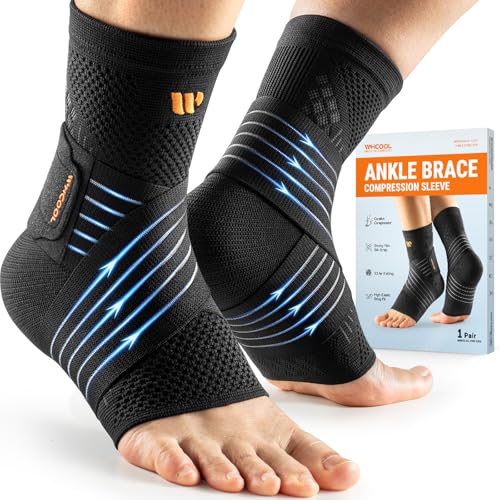
WHCOOL Low-Profile Ankle Braces w/Wide Strap

WHCOOL Slim-Fit Ankle Brace w/Auto-Shaped Pads (M)

WHCOOL Slim-Fit Ankle Brace White (M)

Med Spec ASO Ankle Stabilizer (Black, LG)

INDEEMAX Copper-Infused Ankle Brace (M)
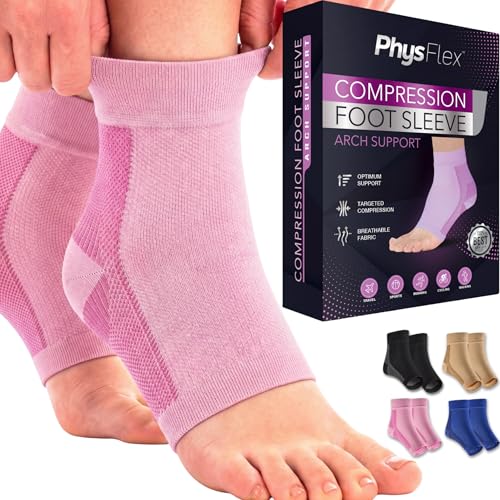
PhysFlex Ankle Compression Sleeve Socks

Combat Sports Muay Thai & MMA Ankle Sleeves
What Each Pick Brings To The Table
The WHCOOL Low-Profile Braces work well for gymnasts who want a sleeve-style feel without giving up the adjustable lock-down of a strap. The wide external band lets you dial in extra compression over the heel and Achilles area right where landings hit hardest, and the low profile means it slips inside a gymnastics shoe or stays hidden under socks during floor work.
Compared to the lace-up stabilizers higher on most training-room shelves, this pair leans toward warmth and circulation support rather than rigid mechanical bracing. It suits gymnasts managing mild tendon irritation, returning from a minor sprain, or anyone wanting a daily practice sleeve that doesn’t fight their footwork.
Real Benefits
- Wide external strap lets you customize pressure over the Achilles and heel mid-session
- Low-profile knit sleeve fits comfortably inside gymnastics footwear
- Graduated compression supports circulation during long training blocks
- Works for both minor sprain support and general joint warmth before practice
- Pairs well with other braces when layered support is needed
Things To Consider
- Provides compression more than rigid mechanical stability, so it’s not a substitute for a hard brace after a serious ligament injury
- Sizing runs from size-specific options, so measuring your ankle circumference before ordering avoids a poor fit
Right Fit For
Recreational gymnasts and tumblers wanting adjustable compression for daily training without the bulk of a rigid stabilizer.
A Better Fit Elsewhere
Gymnasts returning from a moderate-to-severe sprain will find the Med Spec ASO Ankle Stabilizer offers firmer mechanical support for that recovery phase.
The WHCOOL Slim-Fit Ankle Brace trades the rigid figure-8 wrapping of a traditional stabilizer for a quicker lace-up closure that most gymnasts can fasten solo. The two anatomically contoured pads sit on either side of the ankle bone, and because they’re self-shaping, they mold to the joint over time instead of fighting it. For newer gymnasts still learning how to tape or wrap, this takes a lot of the guesswork out of pre-practice prep.
Where the WHCOOL Low-Profile Braces leans into sleeve-style compression, this option brings more lateral support thanks to those built-in pads. It’s a sensible middle ground for gymnasts bridging the gap between a soft sleeve and a heavy-duty stabilizer.
A Strong Showing
- Self-shaping pads mold to your specific ankle bone shape
- Lace-up closure adjusts quickly between events or apparatus rotations
- Air-fabric construction helps manage heat during long warm-ups
- Anatomically contoured sides add lateral stability without bony pressure points
Worth Noting
- Designed for light sprains rather than severe ligament injuries
- Those with wide feet or active swelling should size up to avoid binding
- Lace-up design takes a few extra seconds compared to pull-on sleeves
Quick Facts
Made For
Beginner and intermediate gymnasts managing a light sprain who want simpler on-off support than a full taping job.
Skip It When
Coaches outfitting competitive tumblers handling heavy dismount impact should reach for the Med Spec ASO Ankle Stabilizer for stronger mechanical hold.
This white colorway of the WHCOOL Slim-Fit brace delivers the same lace-up construction and self-shaping pads as its black sibling, but the lighter color reads better under competition socks and team uniforms. For gymnasts training five or six days a week, the bright color also makes it easier to spot wear, fraying, or stretched laces during routine gear checks.
Functionally, it behaves identically to the black version, so the choice between the two often comes down to aesthetic preference or team kit requirements. If you rotate braces between teammates or train under hot gym lights, the lighter tone hides chalk dust differently than dark fabric.
Why It Works Well
- Quick lace-up fits easily under team competition socks
- White color helps spot dirt, fraying, or stretched laces early
- Self-shaping pads adapt to repeated wear across many sessions
- Air fabric keeps the joint cooler during back-to-back training days
Honest Caveats
- White fabric shows chalk and mat dust more visibly
- Lace durability varies with frequency of tightening, so plan on replacing laces seasonally under heavy use
Perfect Match For
Gymnasts training multiple sessions weekly who prefer visible gear inspection and a color that pairs with lighter competition socks.
Look Elsewhere When
Gymnasts who want a pull-on option with no lacing fuss should pick the PhysFlex Ankle Compression Sleeve Socks instead.
The Med Spec ASO Ankle Stabilizer is the closest thing to a clinical-grade lace-up brace on this list, and it’s the option most athletic trainers reach for when an ankle needs serious mechanical support. The figure-8 lacing pattern locks the heel in place and limits inversion, which is the direction most gymnastics sprains travel. It’s the brace you’ll see on training floors, in physical therapy clinics, and on competitive gymnasts returning from a real ligament injury.
Compared to the WHCOOL Slim-Fit, this brace is heavier, slower to put on, and less breathable, but it offers a different category of stability. For gymnasts whose ankles need firm guidance rather than gentle compression, the trade-off is worth it.
Bright Spots
- Figure-8 lacing pattern restricts inversion to protect healing ligaments
- Trusted by athletic trainers and physical therapists for post-injury recovery
- Sturdy construction handles repeated daily use across long competitive seasons
- Works under gymnastics shoes or on its own during rehabilitation exercises
Points To Note
- Lacing takes longer than slip-on sleeves, which matters during fast event rotations
- Bulkier profile can feel restrictive for floor choreography or beam work
- Less breathable than air-fabric alternatives, so heat buildup is worth watching in summer gyms
Feature Snapshot
Built With In Mind
Gymnasts in active recovery from a moderate ankle sprain, or those with chronic instability returning to high-impact tumbling.
Consider Something Else When
Healthy gymnasts seeking light preventive compression for everyday training will find the WHCOOL Low-Profile Ankle Braces far easier to live with day to day.
The INDEEMAX Copper-Infused sleeve uses a copper-ion-infused nylon blend that the brand markets for odor control and moisture management, paired with a spandex mix for stretch. The pull-on construction makes it the fastest option to put on before warm-ups, which matters on busy training days when you’re rotating between floor, beam, and bars.
It’s a softer-support option than the lace-up stabilizers, more comparable to the WHCOOL Low-Profile Braces but with a different fabric story. For gymnasts who run warm or train in hot gyms, the moisture-handling focus is a real perk.
Useful Strengths
- Copper-infused yarn helps manage odor during multi-day training cycles
- Slip-on design speeds up pre-practice prep between apparatus events
- Nylon-spandex blend holds compression without restricting ankle range of motion
- Works well as a base layer under tape or a second brace
Things To Weigh
- Compression strength is moderate, so it won’t anchor an acutely injured ankle
- Copper-infused fabrics can feel slightly warmer than plain knit in already-hot training environments
- Sizing runs from small to large, so measuring ankle circumference before ordering matters
Technical Highlights
Best Suited To
Gymnasts prioritizing comfort and easy wear who want supportive compression for daily practice rather than post-injury bracing.
Swap It Out When
Anyone needing stronger mechanical support for an unstable ankle should consider the Combat Sports Muay Thai & MMA Ankle Sleeves instead.
The PhysFlex Sleeve Socks lean hard into compression, rated at 20-30mmHg, which is a medical-grade pressure range you usually see on dedicated circulation socks. That’s significantly firmer than the WHCOOL or INDEEMAX sleeves, and that pressure difference shows up the moment you slide them on. They feel tight, and for some gymnasts with edema or post-practice swelling, that tight feel is exactly the point.
The sock-style coverage extends past the ankle onto the foot arch, so you’re getting arch and heel support in addition to ankle compression. For gymnasts on their feet for conditioning plus long apparatus sessions, the broader coverage is welcome. The trade-off is fit tolerance, since 20-30mmHg is genuinely firm.
Notable Upsides
- 20-30mmHg compression is a firm pressure range suited to swelling and arch fatigue
- Foot-and-ankle coverage supports the arch through repetitive landings
- Pull-on design is faster than lacing between events
- Useful outside the gym for recovery days and travel
Practical Considerations
- Strong compression can feel restrictive for gymnasts who prefer gentle support
- Pulling on a tight 20-30mmHg sleeve requires more effort than looser knit options
- Sizing accuracy is critical, since the firm pressure leaves little forgiveness for an off-size fit
Key Product Details
Who Should Grab It
Gymnasts with arch fatigue, mild swelling, or a need for firm everyday compression across both ankle and foot.
Not Your Match When
Those who find 20-30mmHg too aggressive should reach for the gentler INDEEMAX Copper-Infused Ankle Brace instead.
The Combat Sports Ankle Sleeves come from striking and grappling roots, but the design translates unusually well to gymnastics. The slip-on sleeve wraps the ankle joint and Achilles while leaving the heel and toes fully exposed, which preserves the barefoot grip gymnasts need on floor and beam. The polyester-blend knit balances compression with flexibility for explosive pivots.
Unlike the closed-foot PhysFlex socks or the lace-up Med Spec ASO, this design treats the ankle as the priority and leaves the foot mostly free. For gymnasts who feel their Achilles taking punishment during repeated landings, that’s a useful middle ground.
Noteworthy Benefits
- Exposed heel and toes preserve barefoot grip on floor and beam surfaces
- Slip-on sleeve speeds up between-routine transitions
- Polyester blend flexes during explosive pivots and round-offs
- Targeted compression over the Achilles tendon where landings concentrate force
Some Limits To Know
- Provides compression more than rigid mechanical stability, so it’s less suited to acute injury
- Exposed foot design offers no arch support for gymnasts who need it
Whose Shelf It Belongs On
Mat-sport gymnasts and tumblers who need Achilles-focused compression without sacrificing barefoot grip on the floor.
Reach For A Different Pick When
Coaches outfitting a gymnast in post-sprain rehab will want the firmer mechanical hold of the Med Spec ASO Ankle Stabilizer.
Choosing The Right Fit For Gymnastics Training
Ankle supports for gymnastics fall into three structural categories, and matching the right one to your training intensity matters more than chasing the heaviest-looking brace on the shelf. Sleeves and sock-style compression garments, like the WHCOOL Low-Profile Braces, INDEEMAX Copper-Infused sleeve, and PhysFlex compression socks, deliver graduated pressure that warms the joint, manages swelling, and supports mild tendon irritation. They’re the everyday workhorses for warm-ups, conditioning, and practice sessions where the ankle is functional but could use a little help.
Lace-up stabilizers with side padding, including the WHCOOL Slim-Fit and Med Spec ASO, add a second layer of lateral control. The figure-8 wrap restricts inversion, which is the motion most responsible for ankle sprains during landings. For gymnasts moving through structured rehab or returning from a real injury, this category offers the most meaningful protection.
Mat-focused sleeves like the Combat Sports option bridge both worlds, wrapping the joint with compression while keeping the foot open for grip. They’re a smart fit for floor routines and beam work where barefoot traction matters.
Sizing matters more than brand. Measure your ankle circumference at the narrowest point and match it to the manufacturer’s chart, especially for firm-compression sleeves where an off-size fit quickly becomes uncomfortable. Breathable fabrics also earn their keep in hot gym environments, where heat buildup can shorten how long you tolerate any brace.
Picking Up Speed On The Decision
Where Shoppers Go Wrong
A common slip is choosing a brace based on how tough it looks rather than how the ankle actually feels. Heavy lace-up stabilizers can over-restrict a healthy joint and slow down choreography, while a soft sleeve won’t anchor an unstable ankle through real landings. Match the brace to the joint’s current condition, not to worst-case fears. Another trap is ignoring sizing charts, since compression that fits a 12-inch ankle perfectly can bind an 11-inch ankle uncomfortably.
What Separates Premium From Basic
Higher-tier braces tend to use more durable figure-8 lacing systems, better anatomical padding, and fabrics that hold compression after repeated wash cycles. The Med Spec ASO earns its reputation partly through material longevity. For gymnasts training year-round, that durability translates to fewer replacements and more consistent support across a season. The upgrade makes most sense when you’re logging serious hours or returning from a real injury.