A misstep off a curb, a hard landing in pickup basketball, a chronic ankle that gives way on uneven pavement. Lateral ankle rolls are the kind of injury that follows you long after the swelling goes down, and the right brace changes how confidently you move. This guide covers seven solid options across compression sleeves, lace-up stabilizers, and rigid external supports, so you can match the level of protection to your actual situation.
The Shortlist At A Glance

TayCo RecoverX Ankle Brace (Medium, Right)

TayCo RecoverX Ankle Brace (Medium, Left)
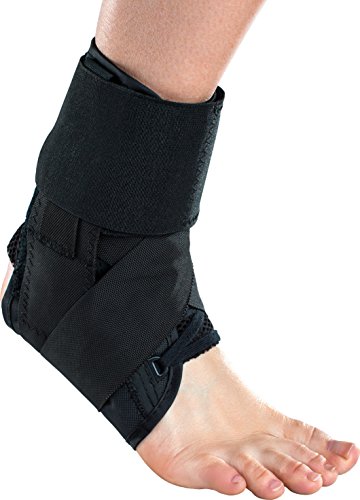
DonJoy Stabilizing Speed Pro Ankle Brace
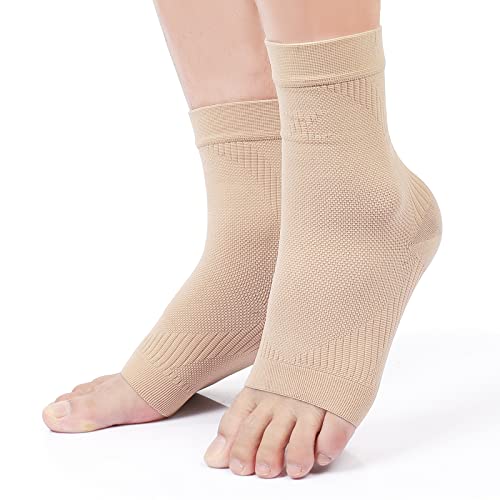
KEKING Ankle Brace Compression Sleeve

ZAMST A2-DX Ankle Brace (Right, Large)
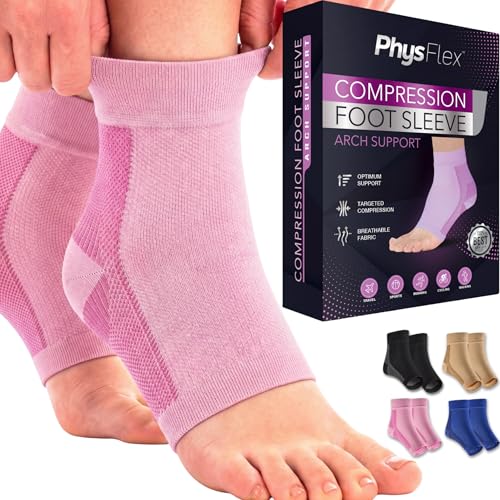
PhysFlex Ankle Compression Sleeve

Combat Sports Muay Thai & MMA Sleeves
A Breakdown Of The Leading Choices
Recovering from a serious lateral sprain usually means either a clunky walking boot or a slim AFO (ankle-foot orthosis) that forces you into bigger shoes. The TayCo RecoverX takes a different path: it’s a rigid external ankle brace designed to fit over your regular footwear, which keeps your shoe closet intact and your stride closer to normal. It is adjustable, unisex, and built to stabilize the ankle joint while letting you keep walking.
Compared with the compression sleeves on this list, this is a heavier intervention. It’s best suited for adults returning to daily weight-bearing activity after injury, especially those who want to skip the boot altogether. The right-foot sizing here matters: if you need the left, the next pick down covers that mirror image.
A Few Highlights
- Worn over your existing shoes, so you don’t upsize your footwear
- Rigid external frame delivers serious inversion-control stability
- Adjustable straps let you tune compression through the day
- Hides under most pant legs for office and travel wear
Points To Note
- Bulky profile makes it a poor match for athletic cleats or narrow dress shoes
- Right-foot only in this listing; sizing chart is worth measuring carefully
- Owners commonly report a short break-in period as the straps learn your foot shape
Feature Snapshot
Built With In Mind
Right-foot injury recovery for adults who want to avoid a walking boot and keep their normal shoes.
Reach For A Different Pick When
The ZAMST A2-DX suits you better when you need a low-profile, in-shoe lace-up for active rehab instead of an external frame.
This is the mirror twin of the first pick, sized for the left foot. Functionally, it offers the same rigid over-the-shoe support, the same adjustable straps, and the same intent of replacing a walking boot for stable lateral injuries. If your left ankle is the problem, this is the version that fits properly.
The TayCo line’s big advantage over compression-only braces like the KEKING sleeve is mechanical support. Where a sleeve warms and squeezes, this one physically resists inversion (the foot rolling inward, the classic sprain direction). It’s a refined, niche-specific tool for left-foot recovery walkers.
Notable Upsides
- Same shoe-friendly design as the right-foot version
- Mechanically resists inversion, not just compression
- Adjustable fit adapts as swelling goes down during recovery
- Discreet enough under trousers for return-to-work days
Things To Consider
- Single-purpose tool: overkill for light compression needs
- You’ll likely need to remove it for driving depending on shoe fit
- Cleaning the straps and frame takes a little more effort than a slip-on sleeve
Made For
Left-foot recovery for adults who want full mechanical ankle control without a walking boot.
Swap It Out When
The KEKING compression sleeve suits you better when your priority is all-day comfort and warmth rather than rigid mechanical support.
DonJoy has a long track record in sports medicine, and the Stabilizing Speed Pro is built for athletes who don’t want to slow down after an ankle scare. It uses a lace-up closure layered with figure-8 strapping, a configuration that locks the calcaneus (heel bone) and talus (the small bone between heel and shin) into a stable position during cuts and jumps.
It’s noticeably more athletic in feel than the TayCo boots or the PhysFlex sleeve. Wear it inside a cleat or training shoe rather than over it, and it’ll feel almost invisible after a minute. For competitive athletes returning from a Grade II or borderline Grade III sprain, this is the kind of brace that lets you actually practice, not just walk around.
Benefits That Matter
- Figure-8 strapping pattern mimics professional taping technique
- Lace-up fit customizes support across the forefoot and ankle
- Low profile fits inside most athletic shoes
- Trusted brand with deep sports-medicine roots
Trade Offs
- Takes longer to put on than a slip-on sleeve
- Less effective if you don’t tension the figure-8 straps correctly
- Not designed for casual sandals or boots with a narrow shaft
Quick Facts
Best Suited To
Returning athletes in court sports, football, or lacrosse who need taped-down lateral support inside their cleats.
Look Elsewhere When
The TayCo RecoverX suits you better when you need full-shell protection for daily walking, not athletic agility.
Sometimes you don’t need a rigid shell; you just need the joint to feel warm, supported, and reminded not to roll. The KEKING sleeve delivers graduated compression, meaning the pressure is highest at the foot and loosens up the leg, which promotes circulation and helps manage swelling over the course of a workday.
It’s the most sock-like option in this lineup, sliding under any shoe you already own. Where the TayCo braces and DonJoy are reactive or mechanical, this one is preventive and gentle. Think of it as the everyday, all-day pick for a chronically loose ankle or for anyone who feels that first twinge of instability and wants to head it off.
A Few Strong Suits
- Slim profile disappears under socks and standard shoes
- Graduated 20-30mmHg compression (a medical-grade pressure range that helps push fluid back up the leg) supports swelling control
- Knit construction breathes well for long wear
- Helpful for plantar fasciitis and Achilles stiffness in addition to ankle rolls
Softer Spots
- Won’t stop a serious inversion event the way a rigid brace will
- Compression can feel tight at first, especially right out of the package
- Knit fabric can wear thin faster than hard-shell alternatives
Feature Card
Who It Suits Best
Anyone managing mild chronic instability, post-activity swelling, or early-stage ankle fatigue who wants invisible, all-day support.
Consider Something Else When
The DonJoy Stabilizing Speed Pro is a better match when you need taped-down lateral control for actual sports rather than daily compression.
ZAMST has deep roots in Japanese sports bracing, and the A2-DX is one of their flagship designs for serious ankle injuries. It pairs an adjustable lace-up closure with rigid side stabilizers, a combination aimed at Grade III sprains (full ligament tears) and chronic instability where the joint simply doesn’t trust itself anymore.
Compared to the DonJoy Speed Pro, the A2-DX leans more protective and less speed-focused. It’s not as quick to put on, but the side stabilizers give it noticeably more inversion-blocking power. If you’ve already had multiple rolls and want a brace that feels closer to a cast than a sleeve, this is the tier.
What Makes Sense
- Side stabilizers deliver strong mechanical inversion control
- Lace-up body lets you customize tension across the midfoot
- Right-foot specific fit for left-right symmetry accuracy
- Sized for larger ankles in this Large configuration
Honest Caveats
- Bulky inside most casual shoes; plan on athletic footwear
- Lace-up routine takes longer than a sleeve or strap-on system
- Right-side only in this listing; mirror pair available separately
Key Attributes
The Right Fit
Right-foot sufferers of Grade III sprains or chronic lateral instability who need genuine mechanical support during rehab.
A Better Fit Elsewhere
The KEKING sleeve suits you better when swelling and mild instability are the concern and a rigid shell would feel excessive.
The PhysFlex sleeve occupies a similar lane to the KEKING: a knit compression sock that wraps the ankle, arch, and Achilles in steady pressure. Where it differentiates is the price point and the gender-neutral marketing, which makes it easy to recommend as a low-cost first step into ankle support.
It runs at the same 20-30mmHg graduated compression as the KEKING, so the squeeze is real. Owners commonly describe it as noticeably tighter than a casual sports sock, which is exactly what you want for proprioceptive feedback (the subconscious sense of where your joint is in space) but worth knowing before you slip it on.
Strong Points
- Strong 20-30mmHg graduated compression for swelling and feedback
- Breathable knit suited to long wear
- Slides under any standard shoe
- Often the lowest-cost entry in this category
A Few Limitations
- Compression feels aggressive at first; short test wear is wise
- Not designed to block a hard inversion event
- Knit fabric will eventually stretch and need replacement
Perfect Match For
Cost-conscious shoppers and first-time brace users who want dependable compression for daily wear and mild instability.
Skip It When
The ZAMST A2-DX is the right call when you need rigid side protection for a serious sprain, not just compression.
Striking and grappling put unique demands on ankle support: you need compression, but you also need bare skin on the mat for traction. The Combat Sports sleeves thread that needle with a slip-on design that leaves the heel and toes fully exposed. That anatomical cut matters when you’re pivoting on a heavy bag or shooting for a takedown.
Polyester-blend construction keeps the sleeves light and flexible, more like athletic tape than a brace. Unlike the KEKING and PhysFlex knit sleeves, these are explicitly cut for combat sports traction rather than all-day compression.
Key Advantages
- Exposed heel and toes preserve barefoot grip on the mat
- Polyester blend stays light during long sparring rounds
- Compression targets the Achilles and ankle joint
- Slip-on design speeds up training turnover
Worth Bearing In Mind
- Not a substitute for rigid support after a real injury
- Sizing runs tighter than casual socks; expect a firm pull-on feel
- Compression wears out faster than hard-brace alternatives
Core Features
Whose Shelf It Belongs On
Muay Thai, MMA, and striking athletes who need compression without losing mat traction during training rounds.
Not Your Match When
The DonJoy Stabilizing Speed Pro is the better pick when lateral support for cutting sports like basketball or football is the priority.
Factors That Matter When Choosing Ankle Support
The first decision is injury severity. A freshly rolled ankle with real swelling usually wants either a rigid external brace like the TayCo RecoverX or a lace-up with side stabilizers like the ZAMST A2-DX. Mild, recurring looseness is a job for compression sleeves such as the KEKING or PhysFlex.
Next, think about the activity. Daily walking and light errands are sleeve territory. Court sports and cutting movements are where the DonJoy Speed Pro earns its name. Striking and grappling have their own niche, which is exactly why the Combat Sports sleeves leave the heel and toes free.
Fit and sizing matter more than features. Measure your ankle, match the brace to the correct foot (right or left), and expect a short break-in period for rigid designs. A brace that doesn’t fit cannot stabilize, no matter how well it is built.
Where Shoppers Go Wrong And When To Spend More
Mistakes Worth Dodging
Choosing a compression sleeve when you actually need mechanical support. A sleeve cannot stop a serious inversion event, so for Grade II or III sprains, lace-up or rigid braces are the right tier.
Picking the wrong side. Most rigid braces are right- or left-specific, and wearing a mirror-imaged brace can create uneven pressure and slow recovery. Always confirm foot orientation before checking out.
Ignoring shoe compatibility. An over-the-shoe brace will not fit in cleats. A bulky lace-up will not fit in dress shoes. Match the brace to the footwear you actually plan to wear.
What The Higher Tier Buys
Premium braces like the ZAMST A2-DX and DonJoy Speed Pro cost more because they use rigid side stabilizers, denser nylon, and engineered strap geometry. You feel the upgrade most during hard cuts and heavy lateral stress.
The price ladder generally tracks the level of mechanical control: sleeves for warmth and feedback, lace-ups for athletic stability, and rigid external braces for maximum protection. Spend up when the injury history or sport demands it, and stay in the sleeve tier when the ankle just needs a daily reminder to stay centered.
Frequently Asked Questions
Do compression sleeves actually prevent ankle rolls?
Compression sleeves improve proprioception and reduce swelling, which can help you sense and avoid risky positions, but they cannot physically block a hard inversion event the way a rigid brace can.
How long should you wear an ankle brace during recovery?
Wear time depends on your doctor’s advice and brace type, but most people transition from full-time wear during early recovery to activity-only wear as the joint regains strength.
Should you choose a rigid or lace-up brace after a sprain?
Rigid braces and lace-ups with side stabilizers suit Grade II and III sprains where mechanical support matters, while lace-ups also work well for return-to-sport phases.
Can you wear an ankle brace inside a regular shoe?
Compression sleeves and low-profile lace-ups fit inside most athletic and casual shoes, but over-the-shoe rigid braces require shoes with enough room to accommodate the frame.
How do you clean an ankle brace?
Most knit sleeves are hand-washable and air-dry friendly, while rigid braces can be wiped down with mild soap and water. Always let straps and frames dry fully before the next wear.
The Takeaway
Match the brace to the moment: rigid frames for serious injuries, lace-ups for return to sport, sleeves for daily prevention. Pick the correct side, match it to your shoes, and give any new support a short break-in window before judging it. The right fit is the one that lets you move with confidence again.