Living with rheumatoid arthritis means every step can feel like a negotiation with your own joints. The right ankle support eases that load, cuts down on swelling, and helps you move through a workday or a long evening on your feet without bracing for pain. After looking closely at what’s on the shelf right now, four standouts cover the range most people actually need, from light compression to structured stabilization.
A Fast Comparison Of The Options

ACE Deluxe Adjustable Moderate-Stabilizing Ankle Brace (Pack of 2)

Modvel Foot & Ankle Brace Socks for Sprained Ankle Compression Sleeve
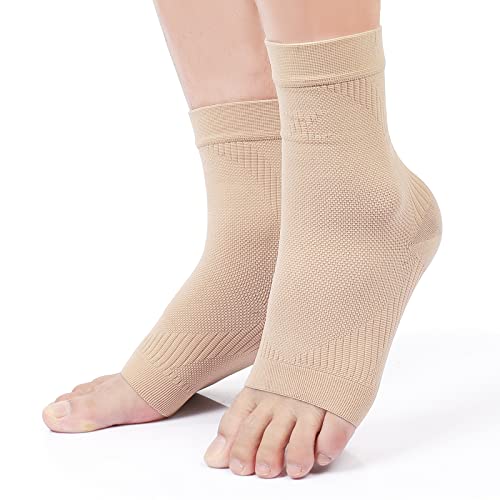
KEKING Ankle Brace Compression Sleeve – Plantar Fasciitis & Achilles

Fitomo Quick Lace Up Ankle Brace with Removable Splints
Taking A Closer Look At The Options
The ACE Deluxe Adjustable sits in a comfortable middle ground for rheumatoid arthritis, offering moderate stabilization without the rigid feel of a full splint. Reinforced side stabilizers work quietly in the background to limit sideways rolling, the kind of awkward turn that turns a normal walk into a flare-up waiting to happen.
The slide-on design and adjustable straps make it easy to dial in fit on a swollen morning, then loosen the same brace by afternoon. Compared to the lighter compression sleeves below, this one trades a little bulk for noticeably firmer lateral control, which is what you want when ankles feel wobbly rather than just sore.
Advantages To Know
- Adjustable fit adapts to mid-day swelling without retying
- Side stabilizers curb lateral motion that often triggers RA pain
- Slides over most socks and fits inside common sneakers
- Pack of two keeps a spare handy for rotating between wash days
Things To Consider
- Bulky profile can crowd tight dress shoes
- Hand-washing and air-drying extend the lifespan of the elastic
Who Will Love This
Adults managing moderate ankle instability from rheumatoid arthritis who want firmer lateral support than a sleeve offers.
A Better Fit Elsewhere
If all you need is gentle compression under snug shoes, the Modvel sleeve is a quieter, lower-profile choice.
The Modvel sleeve pulls on like a tall athletic sock and disappears under most footwear, which is exactly why it earns its place here. Calibrated compression wraps the ankle and arch evenly, so swelling gets squeezed gently from all sides rather than pinched at one strap point.
For an office day or a grocery run, this is the pick you forget you’re wearing. Where the ACE brace above leans on rigid stabilizers, the Modvel relies on fabric tension alone, meaning it slips into dress shoes and casual sneakers without a fight.
Practical Pluses
- Sock-like fit slips under tight or low-profile shoes
- Breathable knit stays comfortable through long workdays
- Stays put during walks, errands, and light activity
- Stretchy fabric accommodates fluctuating swelling
Honest Caveats
- Compression relaxes slightly over months of regular wear
- Fabric can snag on rough interior shoe seams
- Limited lateral support compared to brace-style options
Best Suited To
Anyone with mild to moderate RA-related ankle soreness who wants discreet, all-day compression under everyday shoes.
Consider Something Else When
You need firmer sideways control after a flare, where the Fitomo lace-up design steps in with much sturdier side splints.
The KEKING sleeve delivers graduated compression, meaning pressure is firmest at the ankle and softens as it climbs up the leg, which encourages fluid to move out of swollen tissue. That kind of structured pressure is genuinely useful when rheumatoid arthritis mornings bring that tight, puffy feeling that makes the first steps miserable.
It hugs the arch and heel without adding bulk, so it pairs well with sneakers and slippers. Versus the Modvel above, the knit here feels a touch denser and the compression a bit more deliberate, which you may prefer on flare days.
Positive Takeaways
- Graduated 20-30mmHg compression supports circulation in swollen joints
- Targeted knit stabilizes the arch and heel during daily movement
- Low profile fits inside common shoe styles without pressure points
- Helpful across plantar fasciitis, Achilles stiffness, and general ankle soreness
Points To Note
- Stronger compression can feel too tight on highly sensitive flare days
- Machine washing in a mesh bag helps preserve the knit shape long-term
- No rigid side support, so it is not a substitute for true bracing
Right Fit For
People whose RA symptoms show up mostly as swelling and stiffness, especially first thing in the morning or after long days on their feet.
Reach For A Different Pick When
Your main complaint is sideways ankle wobble rather than swelling, since the ACE brace handles that job more directly.
The Fitomo lace-up is the most structured option in this lineup, built for ankles that genuinely feel unstable rather than just sore. A three-level strap system wraps the joint from the instep up over the heel, and removable side splints let you dial the rigidity up or down as the day changes.
That adjustability matters with rheumatoid arthritis, because flare days and quiet days ask for very different things. Sized by heel-to-instep measurement across S through XL, it fits a wider range of foot shapes than one-size braces. Compared to the lighter sleeves above, this one is overkill for casual errands but earns its keep on uneven ground, longer walks, or post-flare recovery.
What Stands Out
- Removable side splints let you customize rigidity day to day
- Three-level strap system locks the ankle from multiple angles
- Wide size range from S to XL supports different foot shapes
- Reassuring structure for uneven pavement and longer outings
Some Limits To Know
- Bulky under slim or fashion-forward shoes
- More time to put on than a pull-on sleeve
- Heavier build can feel warm in summer weather
Made For
People with rheumatoid arthritis whose ankles roll, give out, or feel structurally unreliable during flares and long days out.
Swap It Out When
You mostly sit at a desk and want light compression under dress shoes, where the Modvel sleeve handles the job with far less bulk.
What To Weigh Before Choosing Ankle Braces For Rheumatoid Arthritis
Compression Level Versus Stabilization
Compression sleeves squeeze tissue to reduce swelling and ease stiffness, while rigid or semi-rigid braces add physical support against sideways rolling. Most people with rheumatoid arthritis land somewhere in the middle: enough compression to manage inflammation, enough structure to feel secure on uneven ground. Matching the brace to your worst symptom, whether that is puffiness or wobbliness, gets you further than picking the heaviest option by default.
Fit, Footwear, And Daily Routine
A brace only works if you actually wear it, and that means it has to fit your shoes and your schedule. Slim sleeves disappear under oxfords and loafers but offer less protection during long walks. Lace-up braces deliver serious support but crowd casual sneakers and dress shoes alike. Think about where your ankles struggle most, at the office, on a neighborhood loop, or after a flare, and let that drive the choice.
Sizing And Adjustability
RA swelling can change within a single day, so a brace that adjusts easily is worth real consideration. Strap systems, removable splints, and stretchy knits all give you room to adapt as symptoms shift. Measure carefully, since a sleeve that is too tight can restrict circulation and one that is too loose loses its therapeutic value.
Material Comfort And Care
Knit sleeves breathe well and usually machine wash, while structured braces with hook-and-loop straps need hand-washing to preserve elasticity. For frequent-use picks, simpler care routines tend to get worn more consistently, which is the whole point of buying one.
Key Considerations Across These Picks
Where Shoppers Go Wrong
Choosing the tightest brace on the shelf is a common slip-up, since aggressive pressure on a swollen, inflamed joint can backfire and restrict circulation. Equally common is picking a rigid lace-up for desk work, then leaving it in a drawer because it crowds every pair of shoes. Match the brace to the activity, not the symptom severity on paper, and start with something you will actually wear daily.
When Paying More Pays Off
Higher-tier options in this category usually cost more because they layer features, such as removable splints, graduated compression, and wider size ranges, into one unit. For someone whose ankles shift between calm and unstable, that built-in flexibility is often worth the jump. Shoppers with milder, predictable swelling can comfortably stay with simpler compression sleeves and put the savings toward socks and supportive shoes.
Frequently Asked Questions
What Type Of Ankle Brace Works Best For Rheumatoid Arthritis?
Most people do well with a graduated compression sleeve for daily swelling and stiffness, plus a structured lace-up brace for flare days and unstable terrain. A mix covers more situations than any single design.
Can You Wear An Ankle Brace All Day?
Many compression sleeves are designed for extended wear, though it is smart to remove them periodically and check the skin underneath for irritation. Rigid braces are generally better reserved for active periods rather than full days.
Do Ankle Braces Help With Arthritis Pain?
Compression sleeves can reduce swelling and the aching that comes with it, while stabilizing braces limit the awkward ankle movements that tend to aggravate arthritic joints. Neither replaces medical guidance, but both make daily movement noticeably easier.
How Tight Should An Ankle Brace Feel?
A brace should feel snug and supportive without causing numbness, tingling, or color change in the toes. You want firm pressure that still lets blood flow freely through the foot.
Should You Size Up If You Are Between Sizes?
Going one size up is a reasonable move when you are between sizes, especially if your ankles swell during the day. A brace that feels restrictive at its tightest setting will rarely get more comfortable as the hours pass.
Bottom Line
The right ankle brace depends on what your joints actually need: graduated compression for swelling, structured support for instability, or a balance of both. Match the design to your daily routine, give the fit room to flex with flare-ups, and any of these four will carry you through the year more comfortably.