Ankle troubles don’t discriminate. A basketball player rolling a joint mid-drive, a runner pushing through Achilles stiffness, or someone simply tired of that familiar wobble on uneven sidewalks all share the same core problem: you want the joint held steady without your whole day being reshaped around a bulky sleeve. The seven options below take different routes to that goal, ranging from pull-on compression socks to rigid lace-up stabilizers built for serious sprains. Each review points you toward the reader profile it suits, and the buying guide later breaks down how the categories actually differ.
The Leading Options At A Glance
Z ATHLETICS Reinforced Lace Up Ankle Brace

Modvel Foot & Ankle Compression Brace Socks
MODVEL Slim Lace Up Ankle Brace with Figure-8 Strap

Modvel Foot & Ankle Brace Socks with Adjustable Strap
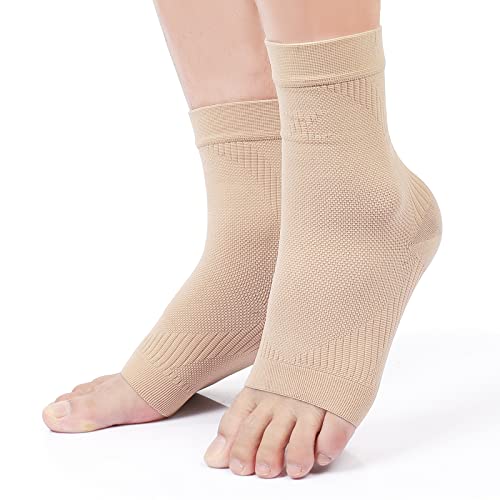
KEKING Ankle Brace Compression Sleeve for Plantar Fasciitis

ZAMST A2-DX Ankle Brace for Heavy Sprains

Z ATHLETICS Ankle Brace with Side Stabilizers
Inside Each Recommended Option
Years on the market mean this Z ATHLETICS brace has been worn by tens of thousands of athletes, and the figure-8 lace pattern is the reason it’s still here. The lacing crosses under the arch and over the instep, mimicking athletic tape wrapping, which means you control exactly how tight each direction pulls. Built for both men’s and women’s sizing, it slips under most standard athletic shoes once the laces are cinched.
Recreational basketball players coming back from a rolled ankle tend to find this hits the sweet spot: supportive enough for confidence on hard cuts, but not so rigid that it forces you to relearn how you move. The trade-off is the time it takes to lace up properly each session, and the fit can feel bulky in narrower casual shoes.
Positive Points
- Figure-8 lacing system lets you fine-tune compression in multiple directions for a customized fit.
- Works under most standard athletic shoes once dialed in, making it practical for game days.
- Long-standing design with a deep pool of long-term wearers refining fit tips online.
- Universal sizing approach serves both men and women, simplifying household purchases.
Honest Caveats
- Lacing takes longer than slipping on a sleeve, so casual users may skip proper adjustment.
- Fit runs bulky in narrow casual shoes or low-profile sneakers.
Who It Suits Best
Court and field athletes returning from a sprain who want lace-tape style control without committing to a rigid shell.
Skip It When
The Z ATHLETICS Ankle Brace with Side Stabilizers is a better match if you want rigid plastic stays in addition to laces.
Compression sleeves in sock form are the easiest category to forget you’re wearing, and Modvel’s take on that concept is aimed squarely at everyday users. The knit applies graduated pressure that hugs the arch, heel, and ankle joint as one continuous piece, so you don’t have to fiddle with straps or figure out wrapping patterns. It’s positioned for active lifestyles but works just as well for someone on their feet at a retail job.
Runners logging weekly miles and people managing mild Achilles tendonitis or plantar fasciitis symptoms tend to gravitate toward this style. The honest read: a sleeve gives you warmth and pressure, not mechanical support, so it won’t stop a lateral roll the way a lace-up can. It’s a comfort tool more than a stabilization tool.
Reasons It Performs
- Slip-on sock design means zero learning curve: pull it up and go.
- Continuous knit compression covers arch, heel, and ankle in one piece.
- Slim profile fits inside most athletic and casual shoes without pressure points.
- Suitable for both running recovery and all-day standing work.
Worth Bearing In Mind
- Provides compression and warmth rather than mechanical joint support.
- Sizing depends on careful chart reading; an off-size sleeve either bunches or loses pressure.
- Knit fabric can retain odor after repeated sweaty wear, so rotation matters.
Made For
Runners and people with mild plantar fasciitis or tendonitis who want fuss-free daily compression they can put on in seconds.
Consider Something Else When
The KEKING Ankle Brace Compression Sleeve is a sensible swap if you want graduated compression explicitly engineered for arch and heel relief.
Think of this Modvel entry as the slimmed-down cousin of a traditional lace-up, designed for people who want the figure-8 strapping feel without filling up their shoe. Soft pads sit behind the ankle bone to cushion against lace pressure, and the strapping pattern crosses the top of the foot and behind the heel in the classic stabilizing configuration. The slim build targets users who live in low-cut sneakers and can’t afford extra bulk.
Compared to the Z ATHLETICS brace reviewed earlier, this one trades some rigidity for a cleaner silhouette under tighter footwear. Active adults and teens returning to gym class after a mild sprain tend to find the format approachable, though users with significant instability may want to step up to a rigid model.
Noteworthy Benefits
- Slim profile disappears under most athletic shoes without crowding the toe box.
- Soft pads reduce lace bite behind the ankle bone during extended wear.
- Figure-8 strap pattern mirrors athletic taping for directional stability.
- Works across ages, including older teens and smaller-footed adults.
Trade-Offs To Consider
- Lacks the rigid side stays that serious sprains typically require.
- Lacing still demands a few minutes of careful adjustment before each session.
Best Suited To
Active adults and teens who want lace-up stability in a low-profile format that fits inside everyday athletic shoes.
A Better Fit Elsewhere
The ZAMST A2-DX Ankle Brace is the smarter choice when you need rigid plastic stabilizers for a heavy sprain or chronic instability.
Modvel’s hybrid entry combines the slip-on convenience of a compression sock with an adjustable strap that wraps the ankle joint for added control. The strap is removable, which is a thoughtful touch, because users early in recovery may want only the sock portion, then add the strap as activity intensity rises. The knit covers the arch, heel, and Achilles area in a single continuous sleeve.
Plantar fasciitis sufferers tend to appreciate this format most, since they can keep the sock on around the house for arch support and then add the strap before heading out. One thing worth noting: the strap’s effectiveness depends on how well you position it, and first-time users may need a few wears to land the right tightness.
Points In Its Favor
- Two-in-one design: compression sock plus adjustable wrap strap.
- Removable strap lets you scale support up or down based on the day’s activity.
- Slip-on format with no lacing or taping skills required.
- Works well for both men and women across a broad size range.
Practical Considerations
- Strap placement takes practice to land in the right spot for true joint support.
- Knit fabric, like most compression socks, requires regular washing to stay fresh.
Feature Snapshot
Perfect Match For
Plantar fasciitis sufferers and people bouncing between light activity and rest who want one product that handles both modes.
Reach For A Different Pick When
The Z ATHLETICS Reinforced Lace Up Ankle Brace is the better tool if you prefer a fully laced, tape-style wrap that locks down tighter for cutting sports.
KEKING positions this sleeve around the language of graduated compression, which simply means the pressure is firmest at the extremities and loosens as it climbs the leg, encouraging fluid return. The knit wraps the arch and heel together, targeting the plantar fascia band and Achilles insertion where inflammation tends to build. It’s a sleeve-only design with no straps or stays, so setup is essentially zero.
People dealing with heel pain first thing in the morning, a classic plantar fasciitis symptom, often reach for graduated sleeves because the gentle compression can ease those first-step stings. The trade-off shows up in side-to-side stability: a sleeve won’t prevent an ankle from rolling during a hard cut the way a rigid brace will.
Notable Upsides
- Graduated compression supports circulation and may ease morning heel pain.
- Targeted knit around the arch and heel addresses common inflammation zones.
- No learning curve: slide on, wear, wash, repeat.
- Slim enough to layer under socks and standard shoes.
Where It May Fall Short
- Knit-only construction cannot prevent lateral ankle rolls during sports.
- Compression strength depends heavily on accurate sizing, so the size chart deserves a careful read.
The Right Fit
Morning heel-pain sufferers and people with mild Achilles stiffness who want simple, all-day compression without learning a new wrapping technique.
Not Your Match When
The Modvel Foot & Ankle Brace Socks with Adjustable Strap is a stronger pick if you want a strap you can tighten during flares.
ZAMST’s A2-DX sits in a different category than the other braces on this list. The product description points explicitly at Grade III sprains and chronic ankle instability, and the design reflects that with rigid plastic side stabilizers on both sides of the joint. The lace-up front lets you tune how the ankle sits inside the shell, while two adjustable straps anchor the assembly in place during movement.
Peroneal tendonitis sufferers and athletes returning from serious ligament damage tend to land here once softer braces have proven insufficient. The honest caveat: this brace is sized for the right foot specifically and comes in multiple right-foot sizes, so left-foot wearers or those with unusual foot shapes may need extra care when matching up options.
Why It Works Well
- Rigid plastic side stabilizers provide true mechanical support against lateral rolls.
- Adjustable lace-up plus dual anchor straps keep the brace planted during activity.
- Designed specifically for Grade III sprains and chronic instability cases.
- Available in multiple right-foot sizes for a more tailored fit.
Honest Caveats
- Bulk and rigidity mean it requires a roomier shoe and a longer break-in period.
- This listing is configured for the right foot, so left-foot shoppers must source the correct variant.
- Far more support than mild sprains actually need.
Core Details
Built With In Mind
People recovering from Grade III sprains or managing chronic ankle instability who need rigid mechanical support during rehab and return to activity.
Where Another Pick Suits Better
The Z ATHLETICS Ankle Brace with Side Stabilizers is a lighter alternative when you want side stays without the full rigid-shell commitment.
This Z ATHLETICS model splits the difference between the brand’s classic lace-up and the rigid ZAMST shell. Side stabilizers run along the ankle bone to discourage lateral rolling, while the lace-up front keeps the brace snug against the joint. The targeted use cases in the description read like a checklist for jumping sports: basketball, volleyball, and running, plus Achilles tendonitis relief.
Compared to the first Z ATHLETICS brace reviewed above, this one brings reinforcement to the equation, trading some slouch for genuine rollover protection. Weekend warriors and high-school athletes tend to land here when the plain lace-up felt too soft but a full rigid shell feels like overkill.
Key Advantages
- Side stabilizers add rollover protection without going to a full rigid shell.
- Lace-up closure keeps the brace properly positioned during cuts and jumps.
- Designed for jumping and lateral-movement sports like basketball and volleyball.
- Unisex fit serves men and women from the same product line.
- Useful for Achilles tendonitis alongside acute sprain recovery.
Trade-Offs To Consider
- Side stays add a touch of bulk relative to a plain lace-up brace.
- Lacing plus stabilizer adjustment takes a couple of wears to dial in.
Quick Technical Notes
Whose Shelf It Belongs On
Basketball and volleyball players returning from a sprain who need more rollover protection than a plain lace-up provides.
Another Choice May Suit
The MODVEL Slim Lace Up Ankle Brace with Figure-8 Strap is a better fit for athletes in tighter shoes who want slimmer side coverage.
What Matters Most Before Choosing Ankle Braces
Understand the Support Spectrum
Ankle braces break into three broad categories, and the right one depends on what your joint actually needs. Compression sleeves and socks (Modvel, KEKING) apply gentle pressure and warmth that can ease swelling and tendon pain. Lace-up braces (Z ATHLETICS, MODVEL Slim) add figure-8 strapping or side stabilizers that resist lateral rolls during sport. Rigid-shell braces (ZAMST A2-DX) bring plastic stays and full mechanical support for serious sprains and chronic instability. Picking the right category matters more than chasing feature lists.
Match the Brace to the Activity
Where you plan to wear the brace drives everything else. Daily wearers on their feet at work benefit from thin sleeves they forget about. Court athletes need lace-up or stabilizer models that stay planted during cuts. Rehabilitation after a Grade III sprain calls for rigid construction. Choosing a heavy-duty brace for light daily use adds bulk without payoff, while picking a thin sleeve for return-to-sport leaves the joint exposed when it needs real protection.
Sizing and Shoe Fit Are Make-or-Break
Compression sleeves depend on accurate sizing, since too large means lost pressure and too small causes bunching. Lace-up braces need enough room in the shoe to accommodate their bulk, particularly models with side stabilizers. Rigid braces require roomier footwear still. Measure your foot, check the manufacturer’s size chart, and try the brace with the shoes you actually wear during activity.
Care and Rotation Habits
Knit sleeves need regular washing to stay hygienic, and most users find rotating two braces extends lifespan. Lace-up braces last longer but require occasional eyelet inspection. Rigid braces with plastic stays can be wiped clean but rarely need replacement mid-season. Building simple care habits keeps any brace performing well over months of regular use.
Key Considerations Across These Picks
Common Shopping Slip Ups
The most frequent mistake is choosing a sleeve when a stabilizer is needed, or a rigid brace when only compression is required. Another trap: ignoring shoe fit, since even the best brace fails when squeezed into footwear that’s too narrow. Skipping the size chart is just as risky, because off-size compression sleeves lose pressure and bulky braces bunch painfully.
Why Top Tier Costs More
Premium rigid braces like the ZAMST A2-DX carry higher price tags because of medical-grade stabilizers, structured shells, and stricter sizing precision. The extra spend buys genuine rollover protection and long-term durability. For athletes returning from serious sprains or anyone with chronic instability, that upgrade translates to fewer re-injuries. For mild daily support, a compression sleeve delivers most of the practical benefit at a fraction of the cost.
Frequently Asked Questions
How tight should an ankle brace feel?
A properly fitted brace feels snug and supportive without causing numbness or sharp pressure points. Compression sleeves should feel like a firm hug, while lace-up and rigid braces should lock the joint in place while still allowing blood flow.
Can I wear an ankle brace all day?
Most compression sleeves and lace-up braces are designed for extended daily wear, though you should remove them during sleep unless a clinician advises otherwise. Rigid braces with side stabilizers are usually reserved for active hours.
Do ankle braces weaken the joint over time?
Used appropriately, braces support the joint during vulnerable periods rather than replacing the muscles around it. Many users cycle brace wear with strengthening exercises to maintain long-term ankle resilience.
Will these braces fit inside regular shoes?
Compression sleeves fit inside most shoes easily. Lace-up braces and rigid models need roomier footwear, often athletic shoes with a wider toe box. Trying the brace with your intended shoes prevents sizing surprises.
How do I clean an ankle brace?
Knit sleeves and most fabric braces can be hand-washed with mild soap and air-dried. Rigid braces with plastic stays can be wiped with a damp cloth. Regular cleaning prevents odor and extends the brace’s usable life.
The Takeaway
Your ankle’s needs shape the right answer more than any spec sheet. A slip-on compression sleeve covers everyday swelling and tendon pain, a lace-up with side stabilizers handles return-to-sport confidence, and a rigid shell brace stands up to serious sprains and chronic instability. Match the category to your situation, double-check sizing against your everyday shoes, and you’ll land on a brace that actually gets worn rather than tossed in a drawer.