

An ATFL (anterior talofibular ligament) tear turns even a simple walk into a careful negotiation with every curb and stair. Choosing the right brace matters because the ligament sits on the outside of the ankle, where sideways rolls cause re-injury during healing. Runners returning from a Grade II or Grade III (moderate to severe) sprain, recreational athletes, and anyone dealing with chronic ankle instability need support that controls inversion (the foot rolling inward) without choking off circulation. The picks below cover soft compression sleeves for daily wear through rigid lace-up stabilizers for heavier duty, so you can match the brace to the severity of your tear and the demands of your day.
The Picks In Brief

ACE Deluxe Adjustable Ankle Brace Moderate-Stabilizing Support (Pack of 2)

Sleeve Stars Ankle Brace Men & Women Support (M, Black)

Sleeve Stars Ankle Brace for Plantar Fasciitis Relief with Heel Protectors (Light Blue)

Sleeve Stars Ankle Support for Ligament Damage (Baby Pink)
KEKING Ankle Brace Compression Sleeve for Plantar Fasciitis and Achilles

ZAMST A2-DX Ankle Brace for Heavy Sprains and Chronic Instability (Right, Large)
Med Spec ASO Ankle Stabilizer Lace Up Ankle Brace Sprain Support (White, LG)

INDEEMAX Copper-Infused Ankle Compression Sleeve (Silver Black, M)

Fitomo Quick Lace Up Ankle Brace with Removable Splints
Meet The Standout Selections
The ACE Deluxe Adjustable ankle brace fits a recovery routine that calls for a stabilizer you can slip on over a sock and forget about. Reinforced side stays sit along the medial and lateral (inner and outer) sides of the ankle, which is exactly where the ATFL needs guarding against an inversion roll. The wrap-around design adjusts with simple hook-and-loop (hook-and-loop is the generic term for Velcro-style) straps, so a swollen morning ankle and a less swollen afternoon ankle get the same snug fit.
For desk workers easing back after a mild sprain or anyone who wants a one-size adjustable fit, this brace is straightforward. It slides into most sneakers and work boots without forcing a larger shoe size. The two-pack format also means a spare stays in the gym bag, which beats digging through the closet between sessions.
Real-World Strengths
- Side stays help reduce lateral ankle motion during everyday walking
- Hook-and-loop closure allows quick fit changes as swelling drops
- Slim profile fits inside most athletic and work shoes
- Two-pack provides a backup for travel or rotation between washes
Things To Consider
- One-size adjustable fits many but not everyone; thicker straps can press on bony ankles
- Hook-and-loop tends to collect lint in the dryer, so air drying extends its life
Who It Suits Best
People managing a mild to moderate ATFL sprain who need all-day wearable stabilization inside regular footwear.
Consider Something Else When
Runners returning to high-impact training should look at the Med Spec ASO Ankle Stabilizer, which offers a more secure lace-up fit for cutting sports.
The Sleeve Stars sleeve-style brace combines a knit compression sleeve with an adjustable strap that wraps over the top of the foot. That hybrid is the selling point: the sleeve delivers even pressure around the joint, and the strap dials in extra support right where the ATFL sits. Sized Medium for 10 to 12 inch ankle circumferences, it covers a wide band of adults.
This is the right pick when a tight budget meets the need for something breathable. It is light enough for casual walks, dog outings, and travel days where you are on your feet longer than planned. If your ankle feels wobbly on uneven ground but you are not quite ready for a rigid brace, the strap adds welcome confidence.
Notable Upsides
- Compression sleeve improves circulation around a healing ligament
- Adjustable strap customizes pressure over the lateral ankle
- Slim knit profile slips into sneakers without bulk
Worth Noting
- Knit fabric stretches with wear and may lose compression over months
- No rigid side stays, so it is less reassuring on unstable terrain
- Hand washing helps the elastic last longer than machine cycles
Feature Snapshot
Made For
Casual walkers, light exercisers, and shoppers who want dependable compression on a tighter budget.
Not Your Match When
Severe sprains requiring rigid protection call for the ZAMST A2-DX, which adds true side stabilizers for higher-grade injuries.
Unlike the simpler sleeve above, this Sleeve Stars package bundles compression with removable heel cushions, addressing the heel-strike soreness that often shows up alongside an ATFL injury. The strap adds custom pressure while the cushion absorbs impact each time the foot lands, which softens the daily grind on a tender joint.
The light blue color is purely cosmetic, but the dual-purpose setup is genuinely useful for someone limping between recovery and morning foot pain. If you are already icing your heel after a walk, the included cushions cut a small step out of that routine.
Where It Helps
- Heel cushions ease impact when the foot lands during gait
- Compression sleeve supports the arch and lateral ankle together
- Adjustable strap customizes fit over the joint
Trade Offs
- Heel cushions add noticeable height inside shoes
- Cushions collect sweat and need regular wiping to stay fresh
Right Fit For
Anyone juggling ATFL recovery and plantar heel pain who wants one package instead of two separate products.
Look Elsewhere When
Hard-cut pivoting on the basketball court needs the firmer hold of the Med Spec ASO Ankle Stabilizer.
Newly injured ankles need a brace that explains itself, and this Sleeve Stars model keeps the design simple. The compression sleeve pulls on like a sock, while the strap wraps in a figure-eight pattern over the top of the foot and around the ankle. That motion is exactly what physical therapists teach for early-stage ligament protection, which is why this format has stuck around for so long.
The baby pink color will not appeal to everyone, but the engineering underneath suits a wearer who has never used an ankle brace before. It is a sensible starter option before graduating to a rigid design later in recovery.
Benefits That Matter
- Figure-eight strap mimics a taping pattern therapists teach for ATFL injuries
- Pull-on sleeve is easy to apply without help
- Adjustable strap accommodates swelling that fluctuates day to day
Honest Caveats
- Light compression may feel insufficient later in recovery
- Single-strap design lacks rigid side support for high-impact sports
Quick Facts
Best Suited To
First-time brace wearers in the first weeks after an ATFL sprain who want a familiar compression feel.
A Better Fit Elsewhere
Competitive athletes returning to play should reach for the Med Spec ASO Ankle Stabilizer for stronger lateral control.
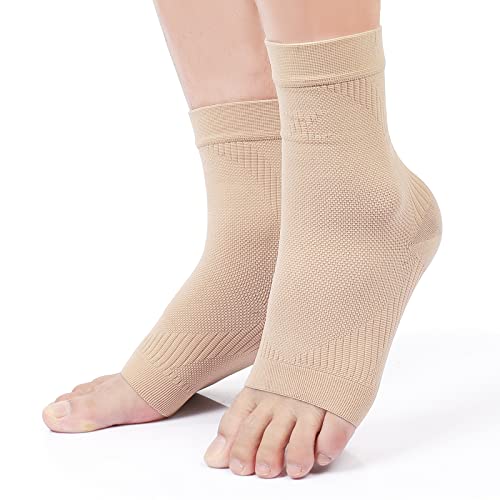
The KEKING sleeve stands out for advertising a specific compression range: 20 to 30 mmHg (millimeters of mercury, the standard unit used to grade compression strength). That number matters because lower compression (15 to 20 mmHg) suits daily comfort, while the 20 to 30 mmHg range is the level commonly recommended for athletic recovery and managing swelling after a sprain. For runners logging miles on a healing ATFL, that stronger knit can mean a steadier ankle on tired legs.
The sleeve slips on without straps, so there is nothing to fuss with mid-run. The trade-off is no rigid protection if your foot catches a root or curb mid-stride, so it works best as a recovery and training tool rather than a post-injury guardian.
Well-Handled Touches
- Graduated 20 to 30 mmHg knit targets swelling and recovery
- Strap-free design avoids pressure points during long runs
- Slim profile fits inside running and training shoes
Points To Note
- Higher compression can feel tight during the first few wears
- No rigid side stays means less protection on truly uneven ground
Feature Rundown
Perfect Match For
Distance runners and active adults who want measurable compression during training on a healing ligament.
Swap It Out When
Trail runners who expect to roll an ankle on rocks need the ZAMST A2-DX with true side stabilizers.
For higher-grade sprains and chronically unstable ankles, the ZAMST A2-DX is the most protective option on this list. It combines a lace-up closure with adjustable straps and rigid side stabilizers that resist inversion from multiple angles. The right-foot specific sizing (listed here in Large) shows the brand treats each ankle as its own fit problem, not a one-shape-fits-all situation.
This is the brace you reach for when a soft sleeve is no longer enough. It also suits people returning to basketball, volleyball, or trail hiking after a serious ATFL injury. The trade-off is bulk; you will need a roomier shoe to accommodate the structure.
A Favorable Mix
- Rigid side stabilizers guard against inversion on uneven ground
- Lace-up plus strap system allows precise tension control
- Built for Grade III sprains and chronic instability cases
Room For Improvement
- Adds noticeable bulk and requires a roomier athletic shoe
- Lace-up design takes longer to put on than a slip-on sleeve
- Right-foot specific listing means buying the matching left separately if needed
Spec Overview
Whose Shelf It Belongs On
Recovering Grade III sprain patients, chronic instability sufferers, and athletes returning to cutting and jumping sports.
Reach For A Different Pick When
Everyday desk days during the late stages of recovery call for the lighter ACE Deluxe Adjustable Ankle Brace.
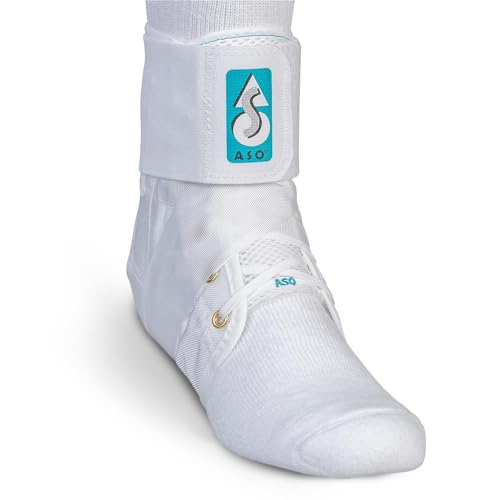
The Med Spec ASO (Ankle Stabilizing Orthosis) has been a staple in training rooms for years, and the format shows why. A lace-up front mimics a shoe, the stabilizing straps wrap in a figure-eight, and the overall feel is closer to wearing a low boot than a soft sleeve. It fits court shoes well, which is why it stays popular in basketball and volleyball circles where ATFL sprains are common.
For someone returning to sport after a moderate sprain, this brace strikes a strong balance between protection and playability. You can lace it tight for a game and loosen it for the bus ride home, all without swapping braces.
Strong Points
- Figure-eight stabilizing straps limit inversion during cuts and landings
- Lace-up closure distributes pressure evenly along the foot
- Fits inside court shoes without forcing a major size change
- Widely recommended by athletic trainers for return-to-play protocols
Points To Keep In Mind
- Lacing takes longer than pulling on a sleeve
- Less breathable than knit sleeves during summer outdoor sessions
The Right Fit
Returning court-sport athletes and anyone following a structured return-to-play plan after an ATFL sprain.
Another Choice May Suit
Casual wearers not heading back to sport will find the ACE Deluxe Adjustable Ankle Brace easier to live with day to day.
The INDEEMAX sleeve weaves copper into the knit, which the brand markets for breathability and odor control. Copper-infused fabrics have become common in athletic compression wear, and while the durability claims vary, the comfort benefit during a long day is real for many wearers. The blend mixes copper-infused nylon with spandex to keep the sleeve snug without choking the joint.
This pick makes sense for someone who wants light support they can wear from the morning coffee run through an afternoon at the desk. It slips under socks and low-cut shoes without printing a visible outline, which is more useful than it sounds for everyday wear.
What Helps Most
- Copper-infused knit helps manage odor on long wear days
- Spandex blend keeps compression consistent across the joint
- Low profile disappears under most casual shoes
Practical Considerations
- No rigid support, so it is best for minor swelling rather than major instability
- Machine washing can shorten the life of the knit; hand washing is gentler
Who Should Grab It
Everyday wearers with mild ATFL soreness who want a comfortable, low-profile sleeve they barely notice.
Where Another Pick Suits Better
Athletes who need lateral control for pivoting should reach for the Med Spec ASO Ankle Stabilizer instead.
The Fitomo brace answers a question most other braces ignore: what happens when the ankle gets stronger mid-recovery? Removable side splints let you wear the brace with full protection early on, then pull the splints out as the ligament heals and you want lighter support. That staged approach matches the way physical therapists taper protection over weeks rather than weeks.
Sizing runs from Small through XL based on a heel-to-instep measurement, which is more specific than an ankle circumference number. Spending a moment with a tape measure before ordering is worth the small hassle to land on the right size.
Features That Help
- Removable splints allow staged support as healing progresses
- Lace-up design offers a customized fit across the foot
- Multi-level strap system targets compression where needed
Factors To Consider
- Requires accurate heel-to-instep measurement for proper sizing
- Removing and replacing splints adds a small daily step
Quick Technical Notes
Built With In Mind
Patients in multi-week recovery who want one brace that adapts from acute support back to lighter wear.
Skip It When
Shoppers who want the simplest possible pull-on sleeve will find the INDEEMAX Copper-Infused Ankle Compression Sleeve easier to live with.
What Matters Most Before Choosing Ankle Braces For Atfl Tear
Match Brace Structure To Sprain Severity
The right brace depends almost entirely on how serious the ATFL tear is. Grade I sprains (mild stretching) typically need only compression to control swelling, so a knit sleeve like the Sleeve Stars or KEKING options handles daily wear. Grade II sprains (partial tear) call for added stabilization from straps or side stays, which is where the ACE Deluxe Adjustable and Med Spec ASO earn their place. Grade III (complete tear) and chronic instability require rigid protection, which points to the ZAMST A2-DX with its true side stabilizers.
Decide Where You Will Wear The Brace
Where you plan to wear the brace shapes the right choice more than any spec sheet. Court sport athletes need a low-profile lace-up like the Med Spec ASO that fits inside a basketball shoe. Office workers recovering at a desk can manage with a softer sleeve they can hide under dress socks, making the INDEEMAX copper sleeve or the Sleeve Stars designs attractive. Outdoor hikers on uneven trails benefit most from rigid side stabilizers like the ZAMST A2-DX.
Weigh Compression Strength And Breathability
Compression in the 20 to 30 mmHg range, as offered in the KEKING sleeve, is the typical athletic standard for managing swelling after a sprain. Lower compression (around 15 to 20 mmHg) suits daily comfort and longer wear. Breathability matters too: copper-infused knits and open-weave fabrics stay cooler in summer, while thicker lace-up braces trap more heat. Pick the trade-off that fits your climate and activity level.
Plan For The Long Recovery Timeline
ATFL recovery typically spans several weeks to months depending on grade. A brace that adapts, like the Fitomo with removable splints, lets you taper support as the ligament heals, which can save you from buying a second brace later. Simpler designs work fine for short recoveries but may feel under-protective once you return to full activity.
Key Considerations Across These Picks
Common Shopping Slip Ups
The most frequent mistake is choosing a soft compression sleeve when a rigid brace is what the sprain actually needs, which can lead to re-injury on the first return to sport. Another is sizing by shoe size instead of ankle or heel-to-instep measurement, which leaves shoppers with a brace that bunches or slides. Skipping the break-in period causes the third common slip: people toss a brace after one uncomfortable hour rather than adjusting strap tension gradually as the material conforms.
Where The Extra Money Goes
Higher-tier braces like the ZAMST A2-DX and Med Spec ASO spend the premium on rigid side stabilizers, anatomical shaping, and lacing systems that distribute pressure more evenly. That engineering pays off when the ankle truly needs guarding during high-risk movement. For lower-grade injuries or desk-day wear, mid-range compression sleeves deliver nearly all the comfort benefit at a fraction of the cost, which is why the value picks sit comfortably alongside the heavy-duty options in this list.
Frequently Asked Questions
How long should you wear an ankle brace for an ATFL tear?
Most people wear a brace for several weeks during the acute phase, then taper use as strength returns, though the exact timeline depends on the grade of the tear and your clinician’s guidance. Removing it too early can lead to re-injury on uneven ground.
Can you sleep in an ankle brace?
Sleeping in a brace is generally not recommended unless your clinician specifically advises it, because the joint benefits from gentle movement at night. A loose compression sleeve is typically more comfortable for sleep than a rigid stabilizer.
Are lace-up ankle braces better than sleeves?
Lace-up braces offer stronger lateral control and are better suited to higher-grade sprains and return-to-sport, while sleeves prioritize comfort and breathability for daily wear. The right pick depends on your activity level and injury severity.
How do you clean an ankle brace?
Most braces benefit from hand washing with mild soap and air drying, which preserves the elasticity of knit fabrics and the grip of hook-and-loop straps. Machine washing tends to shorten the lifespan of the elastic and the closures.
Will an ankle brace weaken the ankle over time?
Wearing a brace only during high-risk activities, rather than 24 hours a day, allows the supporting muscles to keep working. Prolonged full-time wear without rehabilitation exercises can reduce muscle engagement, which is why most clinicians pair bracing with targeted strengthening.
The Takeaway
An ATFL tear rewards a thoughtful match between brace structure and injury severity, so start by identifying your grade and your most demanding activity. A sleeve covers the daily wear and mild sprain cases, while a lace-up or rigid stabilizer answers the call when cutting, jumping, or uneven ground enters the picture. Pick the option that fits your real routine, and the brace becomes a tool you barely notice, which is exactly what good recovery support should feel like.