

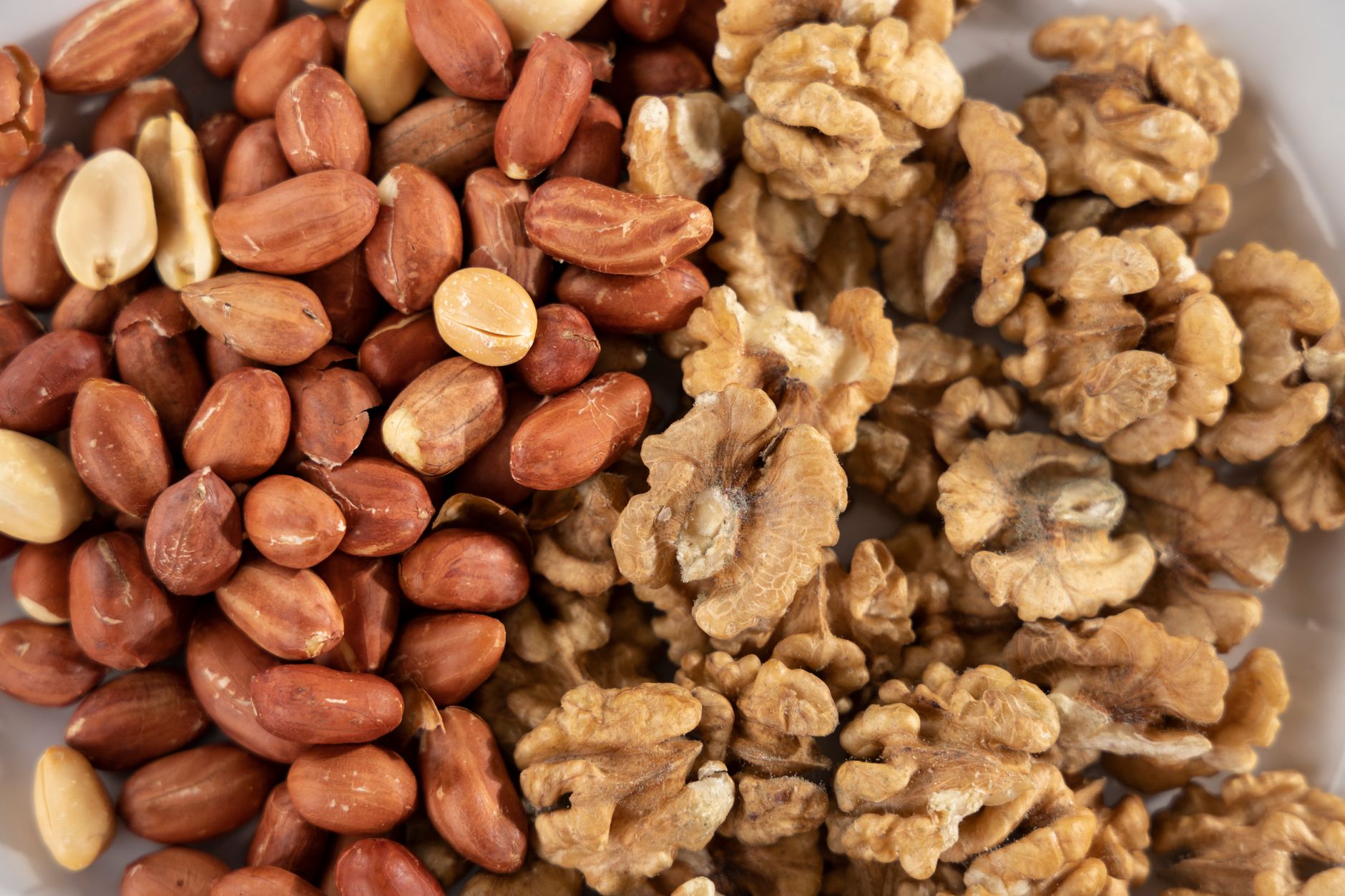

Pressed from the kernels of Juglans regia, this culinary oil delivers a polyunsaturated-rich profile, a distinctively nutty aroma, and unusually high alpha-linolenic acid content. Because most of its fat is fragile, processing method, storage, and heat exposure all shape what ends up in the bottle and on your plate. A cold-pressed version delivers the most flavor and the most antioxidants, while a refined version trades nuance for a higher smoke point near 200°C (400°F).
You’ll see exactly what’s inside the bottle, what the research actually supports, where the risks hide, and how to use it well across cooking, finishing, and skin or hair care.
What Walnut Oil Actually Is and How It Gets Made
Inside each hard, woody shell sits a dense, oily seed that begins the journey toward the finished bottle. The English or Persian walnut, Juglans regia, is the species most commonly pressed, with California producing the bulk of the global supply. After shelling, the clean kernels move to pressing, and that single step is where most of the differences between bottles originate.
Cold-Pressed vs. Refined vs. Toasted
Cold-pressed oil is squeezed out of raw kernels without external heat or chemical solvents. That gentle process leaves behind the full spectrum of tocopherols, plant polyphenols, and volatile aroma compounds like 2,4-decadienal, which give the oil its signature toasted-nut scent. The trade-off is a fragile product with a low smoke point and a short shelf life once opened.
Refined walnut oil is filtered, bleached, and deodorized to raise its smoke point and tame the flavor. You lose a meaningful share of the natural antioxidants in the process, but you gain tolerance to sautéing temperatures and a longer shelf life. Toasted it is a separate product, made by pressing pre-roasted kernels, and it carries a deep, browned-butter flavor that cold-pressed oil cannot match. Use it as a finishing ingredient, never as a cooking oil.
Production method, not the walnut itself, is the single biggest variable shaping nutrition, flavor, and safe cooking use. Treat those three categories as three different ingredients, and the rest of the article makes much more sense.
Nutritional Profile and Caloric Density
A single tablespoon delivers roughly 120 calories, nearly all of them arriving in the form of fat. A 100-gram serving delivers roughly 884 kcal, with about 63 percent polyunsaturated fat, 23 percent monounsaturated fat, and 14 percent saturated fat. That high polyunsaturated share is the headline, because it carries the two fatty acids that make this oil unusual among common kitchen fats.
Key Fats and Micronutrients
Alpha-linolenic acid, a plant-based omega-3, makes up roughly 8 to 14 percent of total fatty acids in this oil, one of the highest concentrations among culinary fats. Linoleic acid, an omega-6, dominates the polyunsaturated fraction, so the omega-6 to omega-3 ratio sits around 4:1 to 5:1, far more favorable than the 20:1 ratio typical of soybean or corn oil. Natural vitamin E, primarily in the form of gamma-tocopherol, acts as the oil’s built-in antioxidant, typically providing 0.4 to 2 mg per tablespoon depending on processing.
You’ll also find smaller amounts of phytosterols, squalene, and polyphenols such as ellagic acid. These compounds contribute modest bioactivity on their own, but they help explain why minimally processed versions outperform refined ones in laboratory comparisons.
| Component | Approximate Value (per 100 g) | Why It Matters |
|---|---|---|
| Calories | 884 kcal | Calorie-dense; portion control matters |
| Polyunsaturated fat | ~63 g | Dominant fat class, mostly linoleic acid |
| Alpha-linolenic acid (ALA) | ~8 to 14 g | Plant-based omega-3, rare in cooking oils |
| Vitamin E (gamma-tocopherol) | ~2 to 6 mg | Natural antioxidant, declines with refining |
Evidence-Based Health Benefits and What the Research Actually Shows
The health story for walnut oil rests on three pillars: a favorable fatty acid profile, a meaningful polyphenol and tocopherol load, and a modest but real body of human trials. The evidence is strongest for cardiovascular markers, weaker for everything else.
Cardiovascular Markers
Randomized trials report modest reductions in total and LDL cholesterol when walnut oil replaces saturated fat in the diet, though the effect size depends heavily on what you’re comparing it to. Improved endothelial function, measured by flow-mediated dilation, has been observed after several weeks of walnut-oil-enriched meals, supporting vascular reactivity. The Mediterranean diet literature points in the same direction, with polyphenol-rich oils consistently linked to better blood pressure and lipid profiles over time.
What the Science Doesn’t Yet Support
Claims about brain health, glowing skin, and hair growth are largely extrapolated from whole-walnut studies and topical anecdotes. Direct, high-quality human trials on it alone for those outcomes are still limited, so treat those promises as soft signals rather than proven effects. Anti-inflammatory benefits are linked to the combined action of polyphenols and gamma-tocopherol, which is precisely why refining partially diminishes them, a detail marketers rarely mention.
Yet the same gamma-tocopherol that drives those benefits can also complicate things for sensitive groups.
Reach for cold-pressed versions when you want the full polyphenol and tocopherol package. Refining strips some of what makes the oil nutritionally interesting.
Side Effects, Allergen Risks, and Who Should Be Cautious
The same fragility that makes it nutritionally valuable also creates its biggest risks. Allergens, oxidation, and calories all deserve attention before you start drizzling.
Allergies and Cross-Reactivity
Anyone with a tree nut allergy can react to it, and even highly refined versions are not guaranteed allergen-free. Anaphylaxis has been reported from trace exposure, so carry your usual emergency plan. People with birch pollen sensitization may experience oral allergy syndrome with walnuts, and unrefined oil derivatives can carry cross-reactive proteins. If you have either history, talk to a qualified healthcare professional before adding it to your routine.
Calories, Ratios, and Medication Considerations
High caloric density makes portion control essential. A single tablespoon adds around 120 kcal and can quietly displace other nutrient-dense foods if you stop tracking. The omega-6 to omega-3 ratio is favorable compared to many seed oils, but stacking it on top of an already linoleic-acid-heavy diet erases that advantage.
No well-documented drug interactions exist for culinary doses, though people on anticoagulants should monitor overall vitamin K and omega-3 intake across the whole diet rather than from oil alone. Pregnant or nursing individuals, and anyone living with a medical condition or taking medication, should consult a qualified healthcare professional before treating this oil as a supplement.
Cooking, Finishing, and Non-Culinary Applications
Where you use this oil matters as much as which type you buy. Heat is the main enemy of both flavor and nutrition here.
Heat, Storage, and Freshness
Unrefined cold-pressed it has a smoke point near 160°C (320°F), so reserve it for dressings, drizzling over roasted vegetables, pasta, and bread. Never use it for deep frying. Refined it tolerates temperatures up to roughly 200°C (395°F) and works for light sautéing, though it sacrifices flavor nuance for that heat tolerance. Toasted it is a finishing ingredient, not a cooking oil, and its character is most expressive when added at the very end of a dish or whisked into vinaigrettes.
Light and heat accelerate rancidity, so store the bottle in a cool, dark place, and refrigerate after opening. A quick sniff-and-taste test is the most reliable freshness check. Fresh oil smells faintly nutty and slightly sweet, while rancid oil smells like paint, crayons, or stale walnuts. When in doubt, toss it.
Skin and Hair Use
Topical application of it is popular in natural skincare, though the evidence is mostly anecdotal. For facial or scalp use, cosmetic-grade cold-pressed oil with stable tocopherol content is preferable to a kitchen bottle that may have been opened for months. Cold-pressed it can serve as a lightweight facial moisturizer or a pre-shampoo hair treatment, especially for dry or brittle hair. Skip it entirely if you have a known tree nut allergy, even for external use.
Comparing Walnut Oil to Olive, Avocado, and Other Nut Oils
Each of the popular specialty oils has a clear lane. Knowing those lanes saves you from overpaying for the wrong bottle.
Side-by-Side Snapshot
| Oil | Smoke Point | Best For | Standout Feature |
|---|---|---|---|
| Cold-pressed walnut | ~160°C / 320°F | Dressings, drizzles, finishing | High ALA omega-3 content |
| Extra virgin olive | ~190°C / 375°F | Everyday cooking, dressings | Diverse polyphenols, monounsaturated fat |
| Avocado | ~270°C / 520°F | Searing, roasting, high heat | Highest smoke point in this group |
| Almond | ~215°C / 420°F | Baking, light sautéing | Mild flavor, similar fat profile |
| Flaxseed | ~107°C / 225°F | Cold use only | Highest ALA per gram, oxidizes fastest |
Extra virgin olive oil beats it on polyphenol diversity and monounsaturated fat, making it the stronger default for daily Mediterranean-style cooking. Avocado oil’s much higher smoke point makes it the practical choice for searing and high-heat work where it fails. Almond oil shares a similar fatty acid profile and low smoke point but lacks it’s distinctive ALA content and toasted-nut aroma. Flaxseed oil delivers more ALA per gram, but it oxidizes even faster and cannot be heated, narrowing its use to cold applications only.
A practical decision rule covers most situations. Reach for it when flavor and omega-3 ALA matter most, olive oil for everyday versatility, and avocado oil when heat is non-negotiable.
The Big Picture
it earns its premium price when you treat it as a finishing ingredient rather than a workhorse fat. Cold-pressed versions bring the strongest case for cardiovascular and polyphenol benefits, but those benefits depend on protecting the fragile fats from heat, light, and time. Buy a small bottle, store it cold, use it generously on raw or gently cooked foods, and check the smell before every pour. The rest of your diet does most of the heavy lifting for heart health, but this oil can play a smart supporting role when the bottle matches the dish.
FAQ
Is walnut oil good for you?
Yes, in moderation and in the right form. Cold-pressed it provides alpha-linolenic acid, gamma-tocopherol, and polyphenols that support cardiovascular markers, with roughly 120 kcal per tablespoon. It complements, rather than replaces, a varied Mediterranean-style diet.
What is walnut oil used for?
Cold-pressed versions shine in salad dressings, drizzles over pasta or roasted vegetables, and finishing bread. Toasted it adds deep, browned-nut flavor to vinaigrettes and grain bowls. Some people use cosmetic-grade cold-pressed oil on skin or hair as a lightweight moisturizer.
Does walnut oil have side effects?
Its main risks are allergic reactions in people with tree nut or birch pollen sensitivities, weight gain from its 120-kcal-per-tablespoon density, and oxidative damage if stored poorly. Highly refined versions reduce but do not eliminate allergen risk, so consult a qualified healthcare professional if you have any history of nut reactions.
Can you cook with walnut oil?
Only at low to moderate heat. Cold-pressed it smokes near 160°C (320°F), so it suits dressings and gentle finishing rather than frying. Refined it tolerates sautéing up to about 200°C (395°F) but loses some antioxidant content in the process.
What nutrients are in walnut oil?
Each tablespoon delivers about 14 g of fat, including 1 to 2 g of alpha-linolenic acid, plus small amounts of vitamin E (gamma-tocopherol) and trace polyphenols. Carbohydrate and protein content is essentially zero, so the nutrition story lives entirely in the fat and micronutrient fraction.
Is walnut oil better than olive oil?
Not universally. Extra virgin olive oil has a stronger polyphenol profile and a more versatile smoke point, making it the better daily driver. it wins on alpha-linolenic acid content and nutty flavor, so it earns its place as a complement rather than a replacement.