
Thimbleberries are soft, ruby-red wild fruits of Rubus parviflorus, a thornless member of the rose family that ripens across cool, open forests from Alaska down through the Pacific Northwest and into the Great Lakes region. The berry lifts cleanly off a pale, spongy core and flattens into a delicate red dome on your fingertip, releasing a sweet-tart perfume the moment it leaves the husk. That fleeting texture is exactly why you almost never see them piled in grocery store clamshells.
Below, you’ll find what thimbleberries are, how their nutrition compares to other berries, the health benefits tied to their compounds, where to source them, and the side effects worth knowing before you take a bite.
The Wild Berry Worth Knowing: Thimbleberries at a Glance
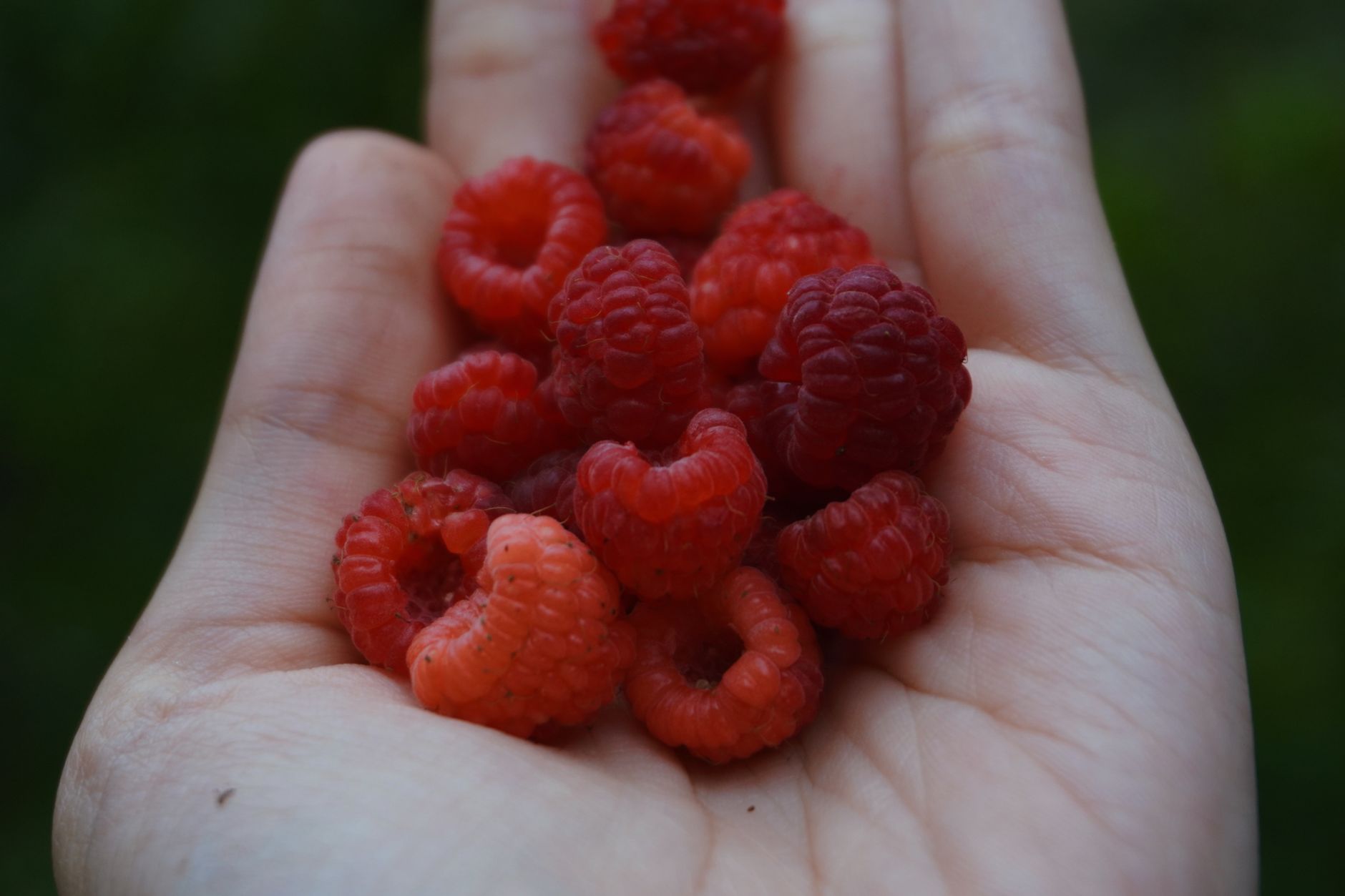
Thimbleberries earned their name the moment you set one on your thumb. The fruit pulls away from a soft, spongy core like a tiny velvet thimble, leaving that pale pad, called a receptacle, behind on the stem. Individual druplets (the tiny juice-filled beads) attach to the receptacle before they ripen and then separate cleanly when the berry is ready.
Botanical Identity and Where They Grow
The plant is Rubus parviflorus, a thornless cane that sends up large, maple-shaped leaves along forest edges, mountain clearcuts, and streambanks. Pacific Northwest thickets produce the heaviest crops, with secondary populations stretching into the northern Rockies, the upper Midwest, and parts of Ontario. Canes thrive in partial shade, where moist, well-drained soil lets them stretch six to eight feet in a single season.
Physical Traits That Set Thimbleberries Apart
Ripe fruit runs a sunset gradient from coral-pink to deep brick red, depending on sun exposure and elevation. Individual druplets are larger and more loosely packed than a raspberry’s, which is why the berry collapses into a soft cap the second you set it down. That same delicacy makes thimbleberries nearly impossible to ship fresh, a fact any forager learns within five minutes of picking.
Thimbleberries rarely appear in stores because the fruit bruises at the slightest pressure, leaks juice within hours, and lasts only a day or two in a refrigerator. Commercial transport would require a supply chain gentler than the berry itself.
Seasonality and Wildlife Use
Fruit ripens from early July through late August, with high-elevation patches sometimes holding color into September. Bears, cedar waxwings, and band-tailed pigeons strip patches fast, so the window for human harvest can be shockingly short. Leaving unripe orange berries behind is standard practice; those fruit continue to ripen off the bush and feed migrating birds for another week.
Before biting into one, it helps to know what the fruit actually delivers in a serving.
Nutritional Profile of Thimbleberries and What Their Macros Reveal
A single cup of raw thimbleberries delivers roughly 50 calories, with most of the weight coming from water. Sugar sits low at around 4 grams per cup, which keeps the glycemic load gentle even for carb-conscious eaters. The macros look unremarkable on their own, but the micronutrient density tells the real story.
Vitamins and Minerals at a Glance
Vitamin C is the headline nutrient, with a single cup supplying around 25% of your daily need. That same serving offers a meaningful dose of manganese, the trace mineral that helps build bone matrix and activates antioxidant enzymes. Smaller amounts of vitamin K, folate, and potassium round out the package.
| Nutrient | Approx. Amount per 1 Cup Raw | Why It Matters |
|---|---|---|
| Calories | ~50 | Low-energy, high-volume food |
| Carbohydrates | ~12 g | Mostly natural sugars and fiber |
| Fiber | ~5 g | Supports gut regularity and satiety |
| Vitamin C | ~25% Daily Value | Immune and collagen support |
| Manganese | ~30% Daily Value | Bone metabolism and antioxidant defense |
| Polyphenols | High (ellagic acid, anthocyanins) | Plant compounds that counter oxidative stress |
Antioxidants and Polyphenol Content
The deep red color comes from anthocyanins, the same pigment family that colors blueberries and blackberries. Alongside those pigments, it carry ellagic acid and a broader mix of flavonols that show up in lab studies as effective free-radical scavengers. Because most wild berries are studied collectively rather than individually, exact figures for it stay loose, but the polyphenol class behaves consistently across the Rubus genus.
Fiber rounds out the nutritional case. The mix of soluble and insoluble fiber slows glucose absorption, feeds gut bacteria, and helps you feel full on a modest portion. That same fiber is part of why it can stand in for higher-sugar fruits in a balanced diet.
Evidence-Based Health Benefits Linked to Thimbleberry Compounds
Thimbleberry benefits trace back to three core components: vitamin C, manganese, and a polyphenol mix heavy in anthocyanins and ellagic acid. Each of these has been studied in related Rubus species, and the fruit itself fits squarely within what researchers call a “polyphenol-rich berry” category.
Antioxidant and Anti-Inflammatory Activity
Anthocyanins and ellagic acid are both linked in research to reduced markers of oxidative stress, a low-grade chemical wear that accumulates with age and poor diet. Lower oxidative stress often translates to calmer inflammation throughout the body, which matters for joints, blood vessels, and skin. The cumulative effect of polyphenol-dense foods is well documented in dietary pattern studies, and Rubus berries contribute to that pattern.
Cardiovascular and Metabolic Support
Soluble fiber binds cholesterol in the gut and escorts it out of the body, modestly lowering LDL over time. Anthocyanins appear to help blood vessels relax and stay flexible, which supports healthy blood pressure. Add in the low sugar density, and it earn a place in a heart-friendly diet without requiring major portion changes.
Immune Function, Skin Health, and Traditional Leaf Use
Vitamin C fuels white blood cell activity and helps build collagen, the structural protein that keeps skin firm and wounds closed. Manganese partners with vitamin C in that collagen work while also activating the antioxidant enzyme superoxide dismutase. Beyond the fruit itself, thimbleberry leaves carry tannins and have been brewed into teas by Salish and other Pacific Northwest Indigenous groups for digestive comfort and skin rinses, a tradition that long predates any modern supplement aisle.
A Diabetic-Friendly Profile
Low sugar plus high fiber equals a low glycemic impact, which is why wild berries generally earn a green light in diabetic meal planning. The polyphenol content may also help blunt post-meal glucose spikes, though you should treat that as a supportive effect rather than a treatment. If you live with diabetes, your clinician or registered dietitian remains the right person to tailor any food choice to your numbers.
The science only matters if you can tell a thimbleberry from its look-alikes in the field.
Thimbleberries vs. Raspberries and Other Rubus Relatives
it share a family tree with raspberries, salmonberries, and black raspberries, yet the differences show up the moment you touch one. The structural contrast, flavor shift, and subtle nutritional gap all matter when you’re standing in a clearing trying to identify what’s in front of you.
Structural and Flavor Contrast With Raspberries
Raspberries are hollow domes that hold their shape when picked; it are soft caps that slump into a saucer. Flavor-wise, it taste milder, more floral, and slightly more tart than a fully ripe raspberry, with a perfume that reminds some foragers of strawberry jam and rose water at the same time. Texture leans toward custard rather than crunch, which is why the fruit melts into sauces faster than it holds up in a tart shell.
| Feature | Thimbleberry | Red Raspberry |
|---|---|---|
| Shape | Flat, soft cap that slumps | Hollow, firm dome |
| Flavor | Mild, floral, slightly tart | Sweet-tart, bright |
| Vitamin C (per cup) | ~25% DV | ~50% DV |
| Shelf Life | 1–2 days refrigerated | 3–5 days refrigerated |
| Commercial Availability | Very rare | Widely available |
Distinguishing Thimbleberries From Look-Alikes
Salmonberries share the same color range but grow on thorny canes and have a chunkier, almost fuzzy druplet. Black raspberries are smaller, darker, and grow on arching thorny canes rather than the upright, thornless thimbleberry shrub. When in doubt, check the leaves: thimbleberry leaves are large, soft, and shaped like maple or sycamore leaves, which no other common Rubus matches.
Culinary Uses, Foraging Tips, and Where to Source Them
Because the fruit barely survives the trip from bush to basket, your best bet is to use it within hours of picking. That urgency is also what makes thimbleberry products feel special: jams, syrups, and liqueurs concentrate a flavor most people will never taste fresh.
Classic Preparations That Concentrate Flavor
Jam is the traditional favorite, and the high pectin content sets a beautiful gel without much commercial pectin added. Strain the cooked fruit through cheesecloth and you get thimbleberry syrup, gorgeous drizzled over pancakes or swirled into yogurt. Infuse the fruit into vodka or brandy with a touch of sugar, and you have a regional liqueur that captures summer in a glass.
Baking and Dessert Applications
it fold beautifully into muffins, scones, and spoon cakes where the fruit can collapse into the batter without losing its identity. Pies work only if you expect a saucy rather than structured filling, since the berries won’t hold a slice. A thimbleberry compote spooned over cheesecake, panna cotta, or vanilla ice cream is the easiest way to highlight the floral perfume without a long cook time.
Foraging Best Practices
Pick only fully red, slightly soft berries that release with a gentle tug. Leave any pale orange fruit for another day, and skip plants within 50 feet of busy roads, sprayed agricultural fields, or industrial sites where heavy metals and herbicides accumulate. A wide, shallow basket works better than a bag, which crushes the fruit under its own weight. If the season is short, freeze berries in a single layer on a sheet pan before bagging them, so you can pour out individual portions for jam-making all winter.
- Identify with three checks: Thornless cane, maple-shaped leaves, soft cap-shaped fruit.
- Pick at peak color: Deep red, slightly soft, and fragrant.
- Skip contaminated sites: Avoid roadsides, sprayed fields, and polluted streams.
- Handle like eggs: Use a wide basket and chill within two hours.
- Preserve fast: Jam, freeze, or dehydrate the same day you pick.
Sourcing When You Don’t Forage
Farmers’ markets in the Pacific Northwest occasionally carry fresh it during peak July weekends. Specialty foragers and small-batch jam makers sell frozen whole berries, freeze-dried powder, and bottled syrup through farm-to-door shipping. Freeze-dried thimbleberry powder has become a popular baking and smoothie addition because it keeps the fruit’s color and a surprising amount of its flavor for months.
All that culinary versatility comes with a few caveats worth weighing before you stock up.
Possible Side Effects, Allergies, and Safe Consumption Notes
it are safe for most people when eaten in normal food amounts, but a few situations deserve a cautious pause. The fruit itself is gentle; the risks come from overdoing fiber, allergic sensitivity, and the environments where wild berries sometimes grow.
Digestive Upset From Too Much Fiber
Five grams of fiber per cup sounds modest, but doubling or tripling that in a single sitting can leave you bloated, gassy, or running for the bathroom. Build up gradually if your current diet is low in fiber, and drink water alongside the fruit. A sudden fiber jump is the most common reason someone blames a wild berry for an upset stomach that was really just a digestive system adjusting to a new food.
Allergic Reactions in Sensitive Individuals
People who react to other Rubus fruits (raspberries, blackberries, boysenberries) can sometimes react to it, since the protein families overlap. Watch for itching around the mouth, hives, swelling of the lips or tongue, or wheezing. Stop eating and seek medical attention if any of those symptoms show up, especially swelling or breathing trouble, since food allergies can escalate quickly.
Skip patches within 50 feet of highways, conventional crop fields, old orchard rows, or waterways downstream from industrial sites. Wild berries absorb lead and other heavy metals from soil and air, and the levels concentrate even more in homemade jam.
Special Considerations for Pregnancy, Nursing, and Medications
it eaten as a food are generally considered safe during pregnancy and nursing, but any concentrated extract, leaf tea, or supplement form should be introduced only after checking with your OB-GYN or midwife. People on blood-thinning medication should also loop in their prescribing clinician before making wild berries a daily habit, because the vitamin K and polyphenol mix can interact with drug metabolism in ways that vary by individual. A short conversation with a qualified healthcare professional is the right call whenever the situation feels uncertain.
Final Takeaways on Thimbleberries
it deliver vitamin C, manganese, fiber, and a polyphenol mix that lines up with the broader Rubus research on antioxidant and anti-inflammatory activity. They taste softer and more floral than raspberries, bruise at the slightest pressure, and rarely make it past a farmers’ market stall. Pick them at peak ripeness from clean ground, preserve them the same day, and start with a small portion if your fiber intake is usually low or you have a history of Rubus allergies.
FAQ
Are thimbleberries safe to eat?
Rinsed under cold water and picked from clean, unpolluted areas, they are safe for most people to enjoy. Start with a small portion to gauge your fiber tolerance, and stop if you notice itching, hives, or swelling, since Rubus allergies do occur.
What are the main thimbleberry benefits?
it provide vitamin C, manganese, and fiber along with anthocyanins and ellagic acid, plant compounds linked to antioxidant and anti-inflammatory activity. That combination supports immune function, healthy blood vessels, and digestion while keeping calories and sugar low.
How do thimbleberries compare nutritionally to raspberries?
it run a little lower in vitamin C but hold their own in fiber, manganese, and polyphenol content. The real difference is structural: it are softer, more delicate, and almost impossible to find fresh outside the Pacific Northwest.
Do thimbleberries have any side effects?
Eating too many at once can cause bloating or loose stools from the fiber load. Allergic reactions such as itching, hives, or swelling are possible in people sensitive to other Rubus fruits, so introducing the berry slowly is the safer move.
Where do thimbleberries grow naturally?
it grow wild from Alaska south through British Columbia, Washington, Oregon, and into northern California, with outlying populations in the northern Rockies, the upper Midwest, and parts of Ontario. They favor moist, partially shaded forest edges, mountain slopes, and streambanks.
What do thimbleberries taste like?
it taste mildly sweet with a floral, almost strawberry-like aroma and a gentle tartness at the finish. The flavor is softer and less acidic than a ripe raspberry, which is why cooks often pair them with lemon or vanilla to brighten the fruit.