
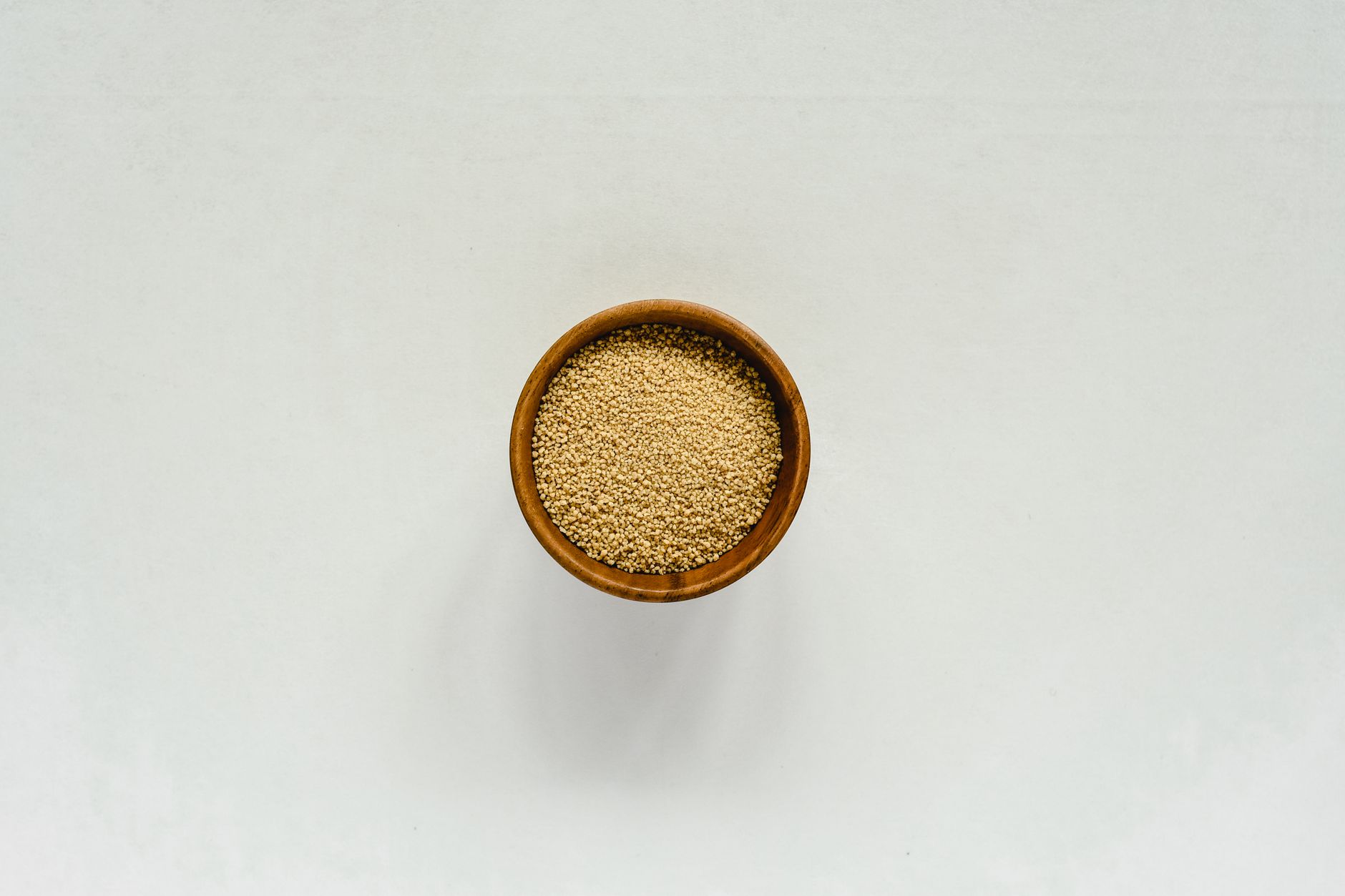

Teff nutrition refers to the unusually dense package of protein, fiber, iron, calcium, and resistant starch found in Eragrostis tef, a tiny ancient whole grain first cultivated in the Horn of Africa. A single cooked cup supplies around 10 g of protein, 7–8 g of fiber, and meaningful amounts of iron and calcium in fewer than 260 calories. Teff is also naturally gluten-free, which makes it useful for celiac and wheat-free eating patterns when you choose certified sources.
If you’re weighing whether a less-familiar grain like teff deserves space in your pantry, the sections below cover its standout nutrition, research-backed benefits, possible downsides, and easy ways to cook with it at home.
Teff Is a Tiny Ancient Grain With Outsized Nutritional Value
Cultivated across Ethiopia and Eritrea for at least 3,000 years, teff anchors injera-based Ethiopian cuisine and still feeds millions of people in the region today. Each teff seed is roughly 1/100 the size of a wheat kernel, and a single plant can set hundreds of thousands of those seeds, which is why the crop sustained dense farming communities long before modern fertilizers arrived.
What Makes Teff a Whole Grain
Every teff seed keeps the bran, germ, and endosperm together in one tiny package, so nothing is stripped away during harvest. That intact structure preserves fiber, B vitamins, and trace minerals that get lost when larger grains are polished or refined. Eating teff as a whole grain is the main reason its mineral numbers run higher than those of white rice or wheat flour.
Color, Flavor, and Variety
Teff comes in three main colors, each with a slightly different character. Ivory or white teff tastes mild and slightly sweet, brown teff carries a nutty, earthy flavor, and red or dark teff has the strongest, almost molasses-like taste. Most US cooks start with ivory or brown teff because the flavor blends easily into both sweet and savory dishes.
| Teff Variety | Flavor | Best For |
|---|---|---|
| Ivory / white | Mild, slightly sweet | Porridge, baked goods, mild side dishes |
| Brown / mixed | Nutty, earthy | Polenta-style dishes, stews, veggie burgers |
| Red / dark | Bold, slightly bitter | Traditional injera, hearty pilafs, rustic breads |
The Nutritional Profile That Sets Teff Apart From Other Grains
One cooked cup of teff (about 252 g) delivers roughly 250 calories, 10 g of protein, 8 g of fat, 49 g of carbohydrates, and 7–8 g of fiber. That fiber number beats most rice, oats, and wheat, and the protein carries a full amino acid profile that includes lysine, the limiting amino acid in many other grains.
Minerals and Resistant Starch
Teff is unusually rich in iron, calcium, magnesium, and zinc compared with rice, wheat, and oats. Iron and calcium land in the same range as many fortified cereals, which makes it valuable for plant-based eaters and anyone avoiding dairy. A meaningful portion of its carbohydrate is resistant starch, a slow-digesting fiber that resists breakdown in the small intestine and feeds beneficial colon bacteria instead.
Gluten-Free by Nature
Teff does not contain gluten-forming proteins, so the grain itself fits celiac and gluten-sensitive diets. Cross-contamination during milling is the real risk, which is why looking for a certified gluten-free label matters if you react strongly to trace gluten. Once that box is checked, teff is one of the most nutrient-dense gluten-free grains on the shelf.
| Nutrient (per ~250 cal cooked serving) | Teff | Cooked Brown Rice | Cooked Quinoa |
|---|---|---|---|
| Protein | ~10 g | ~5 g | ~8 g |
| Fiber | ~7–8 g | ~3.5 g | ~5 g |
| Iron | High (≈15–20% Daily Value) | Low | Moderate |
| Calcium | High (≈10–12% Daily Value) | Negligible | Low |
Evidence-Based Health Benefits of Adding Teff to Your Diet
Eating teff regularly may support steadier blood sugar, better iron status, stronger bones, and a healthier gut. Research on these effects is still small-scale and short-term, so treat each benefit as a reasonable possibility rather than a promise, and pair teff with an overall balanced diet instead of expecting it to fix anything on its own.
Blood Sugar and Sustained Energy
The combination of resistant starch and soluble fiber slows glucose absorption after a meal. In several small human studies, people who ate teff-based foods showed lower post-meal blood sugar spikes than those who ate wheat- or rice-based equivalents. That steadier curve can translate into more even energy between meals, especially at breakfast in a bowl of porridge or polenta.
Iron Status and Bone Health
Teff’s iron and calcium content makes it useful for menstruating women, endurance athletes, and plant-based eaters who often fall short on both minerals. Eating teff alongside a source of vitamin C, such as citrus or bell peppers, further improves iron absorption. The calcium and magnesium together also contribute to daily mineral needs that support bone density over time.
Gut Health and Satiety
Resistant starch acts as a prebiotic, feeding Bifidobacteria and other beneficial microbes in the colon. As those bacteria ferment the starch, they produce short-chain fatty acids that support colon health and appetite regulation. Slow-digesting carbs plus balanced protein also tend to keep you full longer than refined grain options, which can help with portion control at lunch or dinner.
That staying power hints at why the research community has started paying closer attention to teff’s broader health effects.
Pair teff with a vitamin C source like tomatoes, peppers, or citrus to lift iron absorption, especially if your iron intake runs low.
Potential Side Effects and Who Should Eat Teff With Caution
Teff is a safe food for most people, but a few realistic drawbacks deserve attention. Most issues come down to fiber load, anti-nutrient content, and cross-contamination rather than the grain itself.
Digestive Discomfort From a Fiber Jump
Switching from white rice or white bread straight to a daily cup of teff can flood your gut with fiber and resistant starch. The result is often bloating, gas, or cramping during the first week. Starting with a quarter-cup serving and building up over 10–14 days gives your microbiome time to adjust.
Anti-Nutrients and Mineral Absorption
Teff contains phytic acid and certain polyphenols, which in very large amounts can modestly reduce absorption of iron, zinc, and calcium. Soaking teff overnight, fermenting it into a batter, or cooking it with acidic ingredients like tomato or lemon can lower these compounds. A varied diet with other mineral sources keeps the effect from becoming meaningful.
Gluten Cross-Contamination
Teff is naturally gluten-free, but shared milling lines with wheat, barley, or rye can introduce trace gluten. People with celiac disease or strong gluten sensitivity should look for a certified gluten-free label and a dedicated-facility statement. Whole seeds are also safer than generic bulk flour because seeds need a separate milling step that you control.
- Build up slowly: Add a quarter-cup serving first and grow over 10–14 days to avoid bloating.
- Soak or ferment: Overnight soaking or a 2–3 day batter ferment lowers the anti-nutrient load.
- Choose certified sources: Pick certified gluten-free teff from a dedicated facility if you have celiac.
- Skip raw grains: Eat raw teff only in fermented forms like injera batter, never as dry grains.
Practical Ways to Cook and Use Teff in Everyday Cooking
Teff cooks in about 20 minutes with a simple stovetop method, and the texture shifts from creamy to fluffy depending on how much water you use. A 1:3 grain-to-water ratio gives a soft, polenta-like result, while 1:2.5 yields a fluffier side that holds its shape in salads and bowls.
Cooking Whole Teff
Rinse the grains, toast them dry in a pan for 1–2 minutes for a nuttier flavor, then add water or broth and a pinch of salt. Bring to a boil, cover, reduce heat, and simmer until the water absorbs and the grains turn tender, about 18–22 minutes. Let the pot rest off the heat for 5 minutes, then fluff with a fork before serving.
Baking With Teff Flour
Gluten-free bakers prize its deep, earthy taste and the soft, tender crumb it produces in everything from cookies to quick breads. It performs best when blended with other gluten-free flours like sorghum, rice, or tapioca, and most bakers land on 25–50% teff in the total flour mix. Pure teff flatbreads also work well because the flour binds without needing extra gum.
Fermenting Teff Into Injera
Traditional Ethiopian cooking uses a fermented teff batter to make injera, the spongy flatbread that anchors most meals. The 2–3 day fermentation develops a tangy flavor, lowers anti-nutrient content, and creates the airy, honeycomb top that scoops up stews. Even a one-night ferment gives a usable, lighter version when time is tight.
- Simmer as porridge: Cook 1 part teff with 3 parts water for a creamy breakfast that holds fruit, nuts, or cinnamon.
- Make a polenta swap: Use the 1:3 method with broth and stir in cheese or herbs for a savory side.
- Bulk up a salad: Cook teff with the 1:2.5 ratio, cool it, and toss with roasted vegetables and a vinaigrette.
- Bind veggie burgers: Mix cooked teff with beans, onion, and spices for patties that hold together on the grill.
- Stir into soup: Add dry teff during the last 20 minutes of simmering for a heartier texture and extra nutrition.
- Blend into baked goods: Replace 25–50% of total flour with teff in pancakes, cookies, or quick breads for richer flavor.
How Teff Compares to Quinoa, Millet, and Other Ancient Grains
No single ancient grain wins on every nutrient, so the best pick depends on what you need at that meal. Teff stands out for iron, calcium, and resistant starch, while other grains pull ahead in protein, mildness, or cooking speed.
Teff vs. Quinoa
Quinoa usually has slightly more total protein per cup and cooks in about 15 minutes, so it remains a weeknight favorite. Teff counters with more fiber, more iron, and a higher calcium count, plus a creamier mouthfeel. For plant-based eaters, rotating both grains across the week covers a wider nutrient range than relying on either alone.
Teff vs. Millet and Amaranth
Millet is milder in flavor, cooks faster, and works well in pilafs and porridges, but teff offers more fiber and resistant starch. Amaranth shares teff’s strong lysine content, though teff’s baking performance in pancakes, flatbreads, and injera gives it more kitchen versatility. Choosing among them usually comes down to the texture and flavor you want in a specific dish.
That texture-driven choice is really the last decision a cook needs to make.
| Trait (per cooked cup, approximate) | Teff | Quinoa | Millet |
|---|---|---|---|
| Protein | ~10 g | ~8 g | ~6 g |
| Fiber | ~7–8 g | ~5 g | ~2 g |
| Iron | High | Moderate | Moderate |
| Cook time | ~20 min | ~15 min | ~20 min |
| Best use | Porridge, baking, injera | Salads, bowls, sides | Pilafs, flatbreads |
Bottom Line on Teff
Teff is a nutrient-dense ancient whole grain, naturally gluten-free, and unusually high in iron, calcium, fiber, and resistant starch. It fits well into balanced meals when you build up portions gradually, choose certified gluten-free sources, and pair it with a varied diet. Start with one small serving a week, notice how your body responds, and expand from there.
FAQ
Is teff healthier than other ancient grains?
Teff leads on iron, calcium, and resistant starch, while quinoa often wins on total protein per serving. No single grain is best for every nutrient, so rotating teff with quinoa, millet, and amaranth covers more ground across the week.
Does teff have any side effects?
Most people tolerate teff well, but a sudden jump in fiber can cause bloating or gas during the first week. Soaking or fermenting the grain lowers its natural anti-nutrient content, which can modestly improve mineral absorption.
How do you cook with teff flour in everyday recipes?
Use teff flour at 25–50% of the total flour in pancakes, quick breads, cookies, and flatbreads. Blend it with rice, sorghum, or tapioca flour for better structure, and always pair with a binder like xanthan gum in yeast-style loaves.
Is teff safe for people with celiac disease?
Teff is naturally gluten-free and safe in its pure form. Choose a bag labeled certified gluten-free from a dedicated facility to avoid trace gluten from shared milling lines.
How much protein and fiber does cooked teff contain?
A cooked cup of teff delivers roughly 10 g of protein and 7–8 g of fiber, putting it above most rice, oats, and millet for both numbers. The protein also includes lysine, an amino acid that many other grains lack in meaningful amounts.