
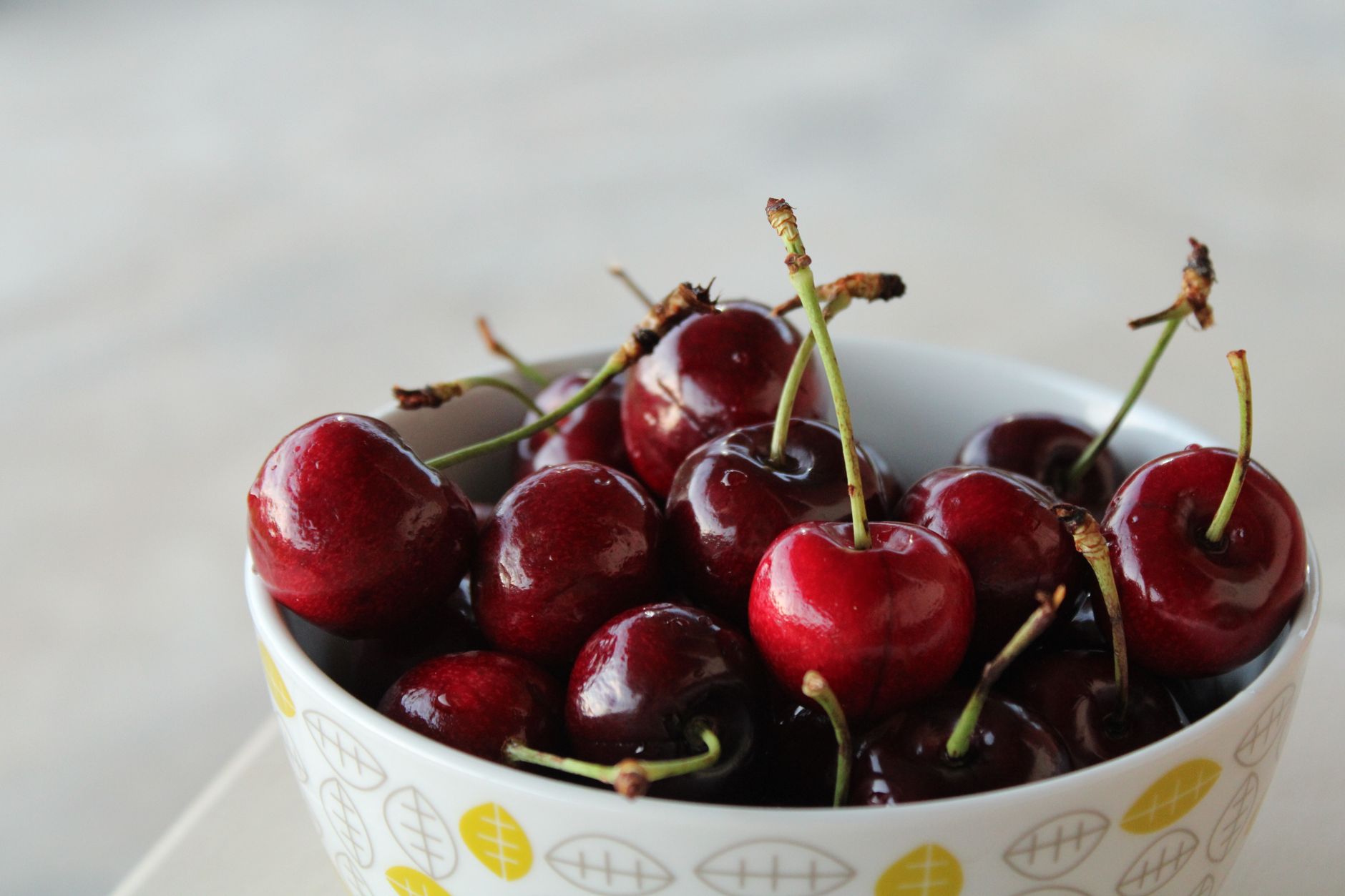

Tart cherries, botanically Prunus cerasus, are a sharp-tasting species grown mainly in Michigan, Wisconsin, and the Pacific Northwest, and tart cherries benefits side effects nutrition start with a dense anthocyanin load that most sweet cherries cannot match. One cup of raw, pitted fruit delivers about 78 calories, 19 grams of carbohydrates, and roughly 2 grams of fiber, with pigment concentrations that drive most of the research interest.
This guide covers the science, nutrition, and safety considerations of tart cherries so anyone curious about managing inflammation, sleep, or exercise recovery can weigh the evidence before choosing a form or dose.
What Sets Tart Cherries Apart From Sweet Varieties
That mouth-puckering bite is the first clue. Tart cherries share a family tree with sweet cherries (Prunus avium) but were bred for acid rather than sugar, and Montmorency is the dominant commercial cultivar, followed by Balaton, Morello, and North Star.
Botanical identity and where the taste comes from
The puckering sensation traces back to malic acid levels roughly twice those in sweet cherries. Sugar content runs about 8 to 12 grams per 100 grams in tart varieties versus 14 to 18 in sweet ones, and that acid-to-sugar ratio is what researchers point to when explaining why tart cherries consistently score higher in antioxidant capacity tests.
Inside the flesh, anthocyanin pigments like cyanidin-3-glucoside appear in concentrations 3 to 5 times greater than in sweet varieties. The deeper the red skin, the denser the polyphenol load, so color is a rough proxy for potency at the store.
Growing conditions and processing that change the numbers
Climate, soil, and tree stress all nudge polyphenol content up or down. Cool nights during ripening push anthocyanin production higher, which is why Michigan-grown Montmorency cherries lead the research literature, and fully ripe fruit carries more anthocyanins than cherries picked slightly early for shipping durability.
Processing changes the picture in ways you can measure. Juicing concentrates sugars and strips fiber, freeze-drying preserves anthocyanins better than heat drying, and concentrate powders pack compounds tightly but can lose volatile nutrients during evaporation.
The Nutritional Profile Behind the Hype
Behind the functional-food reputation sits a fairly modest macronutrient profile. Tart cherries deliver fiber, vitamin C, potassium, and a set of plant pigments that punch well above their calorie count.
Macros and key micronutrients per cup
One cup of raw, pitted tart cherries, about 140 grams, provides roughly 78 calories, 19 grams of carbohydrates, 2 grams of fiber, 1 gram of protein, and essentially no fat. Vitamin C sits near 15 milligrams, potassium around 200 milligrams, and beta-carotene precursors contribute a small dose of vitamin A activity.
| Nutrient | Per 1 cup raw, pitted | Notes |
|---|---|---|
| Calories | ~78 | Low-density fruit |
| Carbohydrates | 19 g | Mostly natural sugars |
| Fiber | 2 g | Lost in most juices |
| Vitamin C | 15 mg (17% DV) | Declines with heat |
| Potassium | 200 mg (4% DV) | Stable in most processing |
| Anthocyanins | 70 to 130 mg | Wide cultivar range |
Bioactive compounds that drive the research
Four compounds show up in nearly every functional study: anthocyanins (mainly cyanidin-3-glucoside), flavonols like quercetin, melatonin, and the carotenoid precursors that feed vitamin A production. Melatonin ranges from 0.1 to 0.3 micrograms per gram, and quercetin adds anti-inflammatory action that compounds with the anthocyanin effect.
Processing can concentrate or destroy these compounds depending on the method. Juice retains anthocyanins well but strips fiber, freeze-dried skin capsules preserve most of the polyphenol load, and heat-dried fruit loses a meaningful share of anthocyanins along with the natural melatonin.
Evidence-Backed Health Benefits and Their Limits
Research on tart cherry health benefits is real but uneven. Sleep, exercise recovery, and gout have the strongest backing, while insulin sensitivity and arthritis comfort rest on smaller, shorter studies.
Sleep, exercise recovery, and gout
Several randomized trials have shown modest improvements in sleep quality, total sleep time, and insomnia severity scores among older adults drinking tart cherry juice daily, and the effect is linked to the fruit’s natural melatonin combined with anti-inflammatory compounds that may reduce nighttime discomfort. Effects tend to appear after 7 to 14 days of consistent use rather than overnight.
Athletes and active individuals show measurable reductions in muscle soreness and faster strength recovery after intense exercise, particularly marathon runners and resistance trainers consuming tart cherry juice in the days surrounding hard efforts. The mechanism likely involves reduced oxidative stress and lower inflammatory markers like C-reactive protein and IL-6.
For gout, regular consumption has been linked to lower serum uric acid and fewer flare-ups, which aligns with how anthocyanins appear to inhibit xanthine oxidase, the same enzyme targeted by standard urate-lowering therapy. Study populations are still small, but the direction of the signal is consistent.
Emerging signals and honest limits
Smaller studies suggest tart cherries may support insulin sensitivity and modest blood pressure reductions in adults with mild metabolic risk factors. Anti-inflammatory effects have prompted interest in osteoarthritis and rheumatoid arthritis symptom relief, with some trials reporting reduced pain scores.
Most studies use 30 to 60 milliliters of tart cherry juice concentrate or 480 grams of whole fruit daily, run for 4 to 12 weeks, and enroll 20 to 60 participants. Results are promising but not conclusive, and no major guideline body has yet issued a therapeutic recommendation.
Effect sizes are usually small, and cherry-specific outcomes are hard to isolate from the healthy-lifestyle context of the participants. Treat the evidence as supportive rather than definitive.
Potential Side Effects, Drug Interactions, and Safety Cautions
Tart cherries are food rather than medicine, but concentrated forms deserve the same caution you’d give any bioactive ingredient, and a few well-defined risks apply to specific groups.
Digestive and metabolic concerns
Large servings of tart cherry juice, particularly concentrate, can cause bloating, gas, and loose stools because of the sorbitol content and osmotic load. People with IBS or fructose malabsorption often react to even modest amounts.
Sugar content matters for blood glucose management. Commercial tart cherry juice typically carries 25 to 30 grams of sugar per cup, similar to grape or apple juice, and dried tart cherries are often coated with added sugar that pushes carbohydrate counts higher. Check labels carefully if you track carbs for diabetes or a low-carb plan.
Medication and special-population cautions
Anthocyanins may enhance the effects of blood-thinning medications, including warfarin, potentially raising bleeding risk. Anyone on anticoagulants should consult a clinician before adding concentrated cherry products to a daily routine.
Allergic reactions to cherries are uncommon but possible, especially in people with sensitivities to other Rosaceae family fruits like peaches or apricots. Pregnant individuals can safely eat whole fruit in normal food amounts, but concentrated supplements have not been studied enough to confirm safety at high doses. People with kidney disease should also be cautious about potassium load from large juice servings.
If tart cherries are causing digestive upset, recurrent heartburn, or changes in bowel habits, scale back the serving size or pause consumption. Persistent symptoms deserve a conversation with a qualified healthcare professional.
Forms, Dosage, and How to Match a Product to a Goal
The form you choose changes what you actually consume. Whole fruit delivers fiber along with active compounds, juice strips fiber but concentrates anthocyanins, and capsules offer convenience at a higher price per gram of active ingredient.
Comparing the most common forms
| Form | Typical Serving | Sugar | Best For |
|---|---|---|---|
| Whole frozen, pitted | 1 cup (~140 g) | Natural, ~12 g | Everyday eating, fiber intake |
| Unsweetened juice | 8 oz (240 ml) | ~18 to 25 g | Recovery, sleep protocols |
| Concentrate | 1 to 2 tbsp | Variable | Pre-workout or travel use |
| Capsules | 500 to 1000 mg | Negligible | Convenience, low-carb diets |
| Dried | 1 oz (~28 g) | Often added, 18 to 24 g | Snacks (watch for sugar) |
Timing and label-reading strategies
For sleep, most protocols use morning and evening servings to build steady blood levels of melatonin and anthocyanins. For exercise recovery, drink 8 to 12 ounces of juice in the 3 to 4 days before and after a hard effort. For gout management, twice-daily consumption over weeks is the pattern that shows results.
Read labels for added sugars, juice blends (which dilute Montmorency content), and unnecessary fillers in capsules. A short ingredient list signals a cleaner product.
Tart Cherries Versus Sweet Cherries on the Nutrition Label
Both are nutritious, but the numbers tilt differently. Sweet cherries win on vitamin C and beta-carotene per serving, while tart cherries dominate polyphenol content.
Side-by-side numbers
| Per 1 cup, pitted | Tart (Montmorency) | Sweet (Bing) |
|---|---|---|
| Calories | 78 | 97 |
| Sugar | ~12 g | ~20 g |
| Fiber | 2 g | 3 g |
| Vitamin C | 15 mg | 10 mg |
| Anthocyanins | 70 to 130 mg | 15 to 40 mg |
| Melatonin | Detectable | Trace |
When to choose which
Reach for tart when sleep, recovery, or uric acid control is the goal, when you want maximum polyphenol per calorie, or when you prefer a lower-sugar fruit. Choose sweet for fresh snacking, kid-friendly lunches, and situations where palatability matters more than compound density.
Cost favors sweet cherries when they are in season locally. Tart cherries arrive mostly as frozen fruit, juice, or concentrate year-round, which often makes them the more practical option for daily use.
Smart Ways to Add Tart Cherries to Your Routine
Small, consistent additions work better than occasional large doses. Build them into meals and recovery windows you already control.
Simple pairings and recipe-friendly formats
- Breakfast blend: Blend frozen tart cherries with banana, plain yogurt, and a splash of oat milk for a fiber-rich start.
- Post-workout drink: Mix tart cherry juice with sparkling water and a pinch of salt for a recovery refresher.
- Savory sauce: Simmer frozen cherries with balsamic vinegar and a touch of maple syrup to spoon over pork or roasted vegetables.
- Overnight oats: Stir dried tart cherries (unsweetened) into oats with cinnamon and chia for a grab-and-go option.
- Salad topping: Toss thawed frozen cherries with arugula, walnuts, and crumbled goat cheese for a peppery-sweet contrast.
A one-week starter plan
Start with 8 ounces of unsweetened tart cherry juice in the morning and another 8 ounces 1 to 2 hours before bed for 7 days. Track sleep duration, next-day soreness if you train, and any digestive changes. Adjust by moving servings earlier in the day if nighttime bathroom trips increase, or by reducing volume if bloating appears.
After the first week, decide whether whole fruit, juice, or capsules fit your routine best. Consistency matters more than the specific form, and the dose you can sustain daily will outperform any short-term megadose.
Once you’ve settled on a form and rhythm, it helps to step back and weigh what tart cherries can realistically deliver.
Bottom Line
Tart cherries offer one of the best anthocyanin-per-calorie ratios in the fruit aisle, with real evidence supporting sleep, exercise recovery, and uric acid management. Choose unsweetened forms when you can, mind added sugars in commercial juices and dried products, and check with a clinician if you take blood thinners or live with kidney disease. The fruit’s value comes from regular, modest servings over time.
FAQ
What are the health benefits of eating tart cherries?
Tart cherries are linked to better sleep quality, faster muscle recovery after hard exercise, lower uric acid levels in people with gout risk, and modest anti-inflammatory effects that may ease arthritis discomfort. The fruit also delivers vitamin C, potassium, and a strong polyphenol load for its calorie cost.
How many tart cherries should you eat a day?
Most studies showing benefits use 1 cup of whole fruit, 8 to 12 ounces of unsweetened juice, or 1 to 2 tablespoons of concentrate, taken once or twice daily. Start at the lower end of that range and adjust based on how your body responds, especially digestion.
Can tart cherries help you sleep?
Yes, particularly for people with insomnia or fragmented sleep. The natural melatonin content combined with anti-inflammatory anthocyanins appears to support sleep onset and duration, with effects typically appearing after 7 to 14 days of daily use rather than immediately.
Do tart cherries reduce inflammation?
Anthocyanins and quercetin in tart cherries have measurable anti-inflammatory activity, and several trials have shown lower markers like C-reactive protein after weeks of daily consumption. Effects are real but modest, and tart cherries work best as part of an overall anti-inflammatory pattern of eating.
Who should avoid eating tart cherries?
People on blood-thinning medications, those with kidney disease, and anyone with a known Rosaceae fruit allergy should approach concentrated cherry products with caution and consult a clinician. People with IBS or fructose malabsorption may also react poorly to large juice servings.
Are tart cherries high in sugar?
A single cup of whole tart cherries delivers roughly 12 grams of naturally occurring sugar, noticeably less than the equivalent serving of sweet cherries. Commercial juices and dried products, however, often have added sugar that pushes totals much higher, so reading labels is essential if you are tracking carbohydrates.