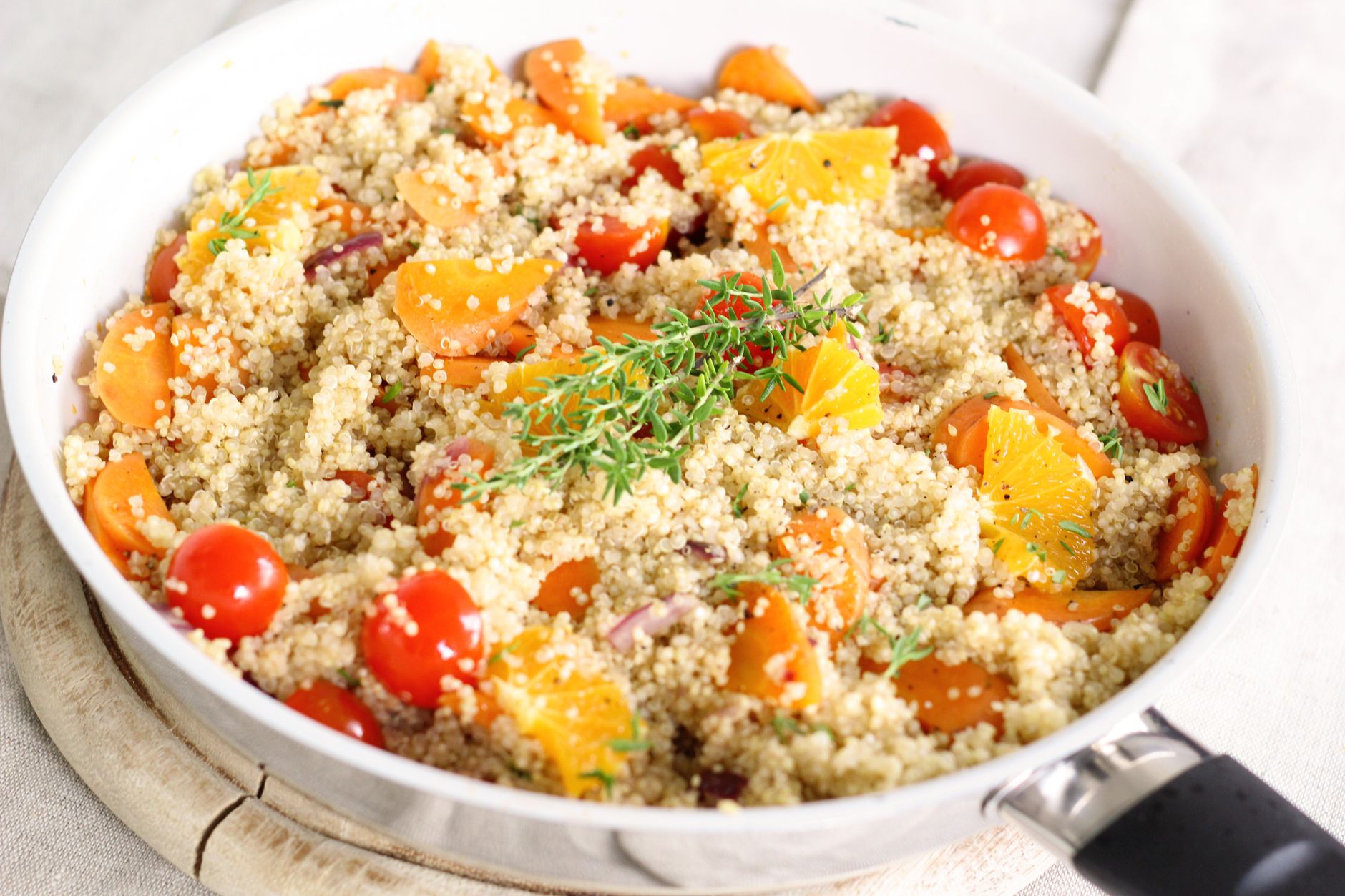

Quinoa is a seed from the Chenopodium quinoa plant, and quinoa benefits nutrition by delivering complete plant protein, slow-digesting fiber, and a broad mineral profile in a single gluten-free package. A 100-gram serving of cooked quinoa provides about 120 calories, 4.4 grams of protein, and roughly 2.8 grams of dietary fiber, along with magnesium, iron, manganese, and B vitamins. The seed is technically a pseudocereal, botanically closer to beets and spinach than to wheat or rice.
The sections below cover quinoa nutrition facts, the benefits tied to its nutrient density, possible quinoa side effects, and practical ways to cook, store, and serve the seed in everyday meals.
What Sets Quinoa Apart Among the World’s Staple Seeds
Quinoa is not a true cereal grain, and that single fact explains a lot about why it behaves differently in your kitchen and on your plate. Botanically, the seed comes from a leafy plant in the amaranth family, the same family that gives you beets and spinach, and the plant’s relationship to greens becomes obvious when you see broad, chard-like leaves growing beside a quinoa field in the Andes.
Indigenous Andean cultures, including the Inca civilization, cultivated Chenopodium quinoa for around 5,000 years before Spanish colonization reshaped regional agriculture. The crop nearly disappeared from international trade for centuries, then resurfaced in the 1980s and 1990s as health-conscious eaters in North America and Europe began seeking alternatives to refined wheat and rice. That resurgence led the United Nations to declare 2013 the International Year of Quinoa, a nod to its hardiness in poor soils and its unusually complete amino acid profile.
Why Production Geography Still Matters
Bolivia and Peru together account for the vast majority of the world’s commercial quinoa harvest, a fact that shapes both price and sustainability discussions for your grocery cart. When global demand spiked in the early 2010s, prices in those countries rose sharply, putting pressure on local diets that had long relied on the seed. Fair-trade and organic certification programs in South America now aim to keep quinoa affordable for the people who have grown it for generations.
The Full Nutritional Profile of Cooked Quinoa
Cooked quinoa is unusually well-rounded for a plant food, which is why so many nutritionists treat it as a near-complete carbohydrate base for your meals. A 100-gram serving, roughly half a cup, gives you about 120 calories, 4.4 grams of protein, 2.8 grams of fiber, and a meaningful amount of several minerals that often run low in modern diets.
Unlike most plant proteins, quinoa supplies all nine essential amino acids in proportions that approach what your body needs for muscle repair and enzyme production. The amino acid lysine, which is often the limiting factor in grains like wheat or rice, is present in quinoa at levels closer to what you find in animal protein. That combination is the technical reason nutritionists call it a complete protein, and it explains why a simple quinoa bowl can anchor your meatless meal without leaving you short on building blocks.
Carbohydrate Quality and Glycemic Behavior
Quinoa’s carbohydrate quality matters as much as its protein count when you plan a meal. Its glycemic index sits around 53, placing it in the low-GI category alongside steel-cut oats, legumes, and most non-starchy vegetables. Foods in that range tend to release glucose more slowly, which can help steady your post-meal energy and reduce the sharp insulin spikes that drive hunger pangs a few hours after eating.
Mineral and Vitamin Density
Beyond macronutrients, cooked quinoa delivers magnesium, iron, manganese, and phosphorus, plus B vitamins including folate and thiamine. Iron and folate are two nutrients that often run short in plant-based diets, and a cup of cooked quinoa provides a meaningful slice of your daily needs for both. Manganese supports bone formation and antioxidant enzymes, while magnesium plays a role in muscle relaxation and blood pressure regulation throughout your body.
| Nutrient (per 100 g cooked) | Amount | Why It Matters |
|---|---|---|
| Calories | ~120 kcal | Moderate energy density |
| Protein | 4.4 g | All nine essential amino acids |
| Dietary fiber | 2.8 g | Satiety, blood sugar, gut health |
| Magnesium | ~64 mg | Muscle and nerve function |
| Iron | ~1.5 mg | Oxygen transport in blood |
| Folate | ~42 µg | Cell division, red blood cell formation |
Quinoa is naturally gluten-free, with no wheat, rye, or barley proteins, which makes it a reliable staple for your diet if you have celiac disease or non-celiac gluten sensitivity.
Evidence-Based Health Benefits Worth Knowing
Most of quinoa’s recognized benefits flow from the same trio: complete plant protein, slow-digesting fiber, and a low glycemic index. When those three appear together at one of your meals, the resulting blood sugar and insulin response stays steadier than it does after a bowl of white rice or a flour-based side dish.
Soluble fiber and naturally occurring plant sterols in quinoa contribute to improved cholesterol markers, particularly reductions in your LDL cholesterol over time. The combination of protein and fiber also drives sustained satiety, which can support your weight-management efforts when quinoa replaces more refined starches rather than adding to them. A reasonable starting serving of roughly half a cup of cooked quinoa gives you most of the nutritional payoff without doubling your carbohydrate load.
Quinoa’s Role in Plant-Forward and Restricted Diets
Because quinoa supplies all essential amino acids and is naturally free of gluten, it fills a long-standing gap in both plant-based and gluten-free diets you might follow. Whole grains and pseudocereals like quinoa appear in the Harvard T.H. Chan School of Public Health’s balanced eating patterns, particularly for people reducing red meat or managing celiac disease. Iron and folate in quinoa also help cover two nutrients that often fall short in vegetarian meal plans.
Magnesium, Iron, and Everyday Energy
Two minerals doing the heavy lifting behind every breath, heartbeat, and muscle contraction are magnesium and iron, which power oxygen delivery and ATP production in nearly every cell. A single cup of cooked quinoa contributes a meaningful portion of both, which is one practical reason a quinoa-forward lunch can feel more sustaining than a sandwich made with refined bread.
Those same complete proteins carry the antioxidants and fiber that drive the benefits researchers keep highlighting.
Side Effects, Allergies, and the Truth About Saponins
Raw quinoa seeds are coated with saponins, bitter natural compounds that protect the plant in the wild but can irritate your digestive tract in large amounts. The bitter taste is a reliable signal: if your cooked quinoa tastes soapy or sharp, the coating was not fully rinsed off.
A thorough rinse under cold running water, or a quick soak followed by draining, removes most surface saponins and the bitter flavor before you cook. Most packaged quinoa sold in the US is pre-rinsed, but a quick rinse still helps with texture and removes any residue from packaging.
Digestive Reactions to Watch For
Generous portions can cause bloating, gas, or stomach cramps, especially if you are unaccustomed to fiber-rich foods. Start with a half-cup serving and increase gradually, the same way you would with beans or lentils, to let your gut bacteria adapt.
Allergies, Oxalates, and Cross-Reactivity
Rare but documented allergic reactions to quinoa do occur, most often in people sensitive to other seeds or to latex. Quinoa also contains modest amounts of oxalates, which you may want to monitor if you have a history of calcium-oxalate kidney stones. Anyone with a known seed or latex allergy should introduce quinoa cautiously and stop if they notice itching, swelling, or digestive distress.
Understanding those risks makes it easier to know when soaking and rinsing actually protect you at the stove.
Cooking, Storing, and Weaving Quinoa Into Your Daily Meals
The standard cooking ratio is 1 part dry quinoa to 2 parts water or broth, simmered uncovered for 12 to 15 minutes until the small germ ring separates and the liquid is absorbed. Toasting the dry seeds in a dry pan for a minute before adding liquid deepens a nutty, almost popcorn-like aroma that carries through your finished dishes.
Cooked quinoa keeps in your refrigerator for up to five days in a sealed container and freezes well for three to six months. Portioning it into single-serving containers right after cooking saves your weeknight prep time and makes lunch bowls a two-minute build rather than a 20-minute project.
Easy Ways to Use It Across the Week
Quinoa is genuinely versatile, and treating it as a base rather than a side dish opens up more meal options for you than most people expect.
- Breakfast porridge: Simmer with milk or a plant-based alternative, then top with fruit, nuts, and a drizzle of honey or maple syrup.
- Salad base: Toss cooled quinoa with chopped vegetables, herbs, lemon juice, and olive oil for a protein-rich lunch.
- Stuffed peppers: Mix with sautéed onions, mushrooms, and cheese, then bake until tender.
- Side for roasted vegetables: Serve warm beneath roasted broccoli, sweet potatoes, or brussels sprouts.
- Baking flour substitute: Replace up to a quarter of wheat flour with quinoa flour in muffins and quick breads for extra protein.
Pre-cooked quinoa, quinoa pasta, flakes, and puffed varieties extend the seed beyond whole-grain form for faster weeknight preparation when a 15-minute simmer is not in the cards for you.
How Quinoa Compares With Rice, Oats, and Couscous
Per cooked cup, quinoa supplies about 8 grams of protein, more than double white rice and roughly 1.3 times couscous. That protein gap, combined with quinoa’s higher fiber and mineral content, is the main reason nutritionists recommend it as a default swap for your refined grain sides.
Quinoa and rolled oats share a low glycemic profile, but quinoa contributes all essential amino acids while oats remain relatively low in lysine. Couscous and white rice are essentially pure starch, so they add calories without much protein or fiber. Brown rice remains a strong source of manganese and selenium, yet quinoa outpaces it in overall protein quality and folate content for your plate.
| Grain (per cooked cup) | Protein | Fiber | Notable Strength |
|---|---|---|---|
| Quinoa | ~8 g | ~5 g | Complete protein, iron, magnesium |
| Brown rice | ~5 g | ~4 g | Manganese, selenium |
| White rice | ~4 g | <1 g | Easy to digest, mild flavor |
| Rolled oats | ~6 g | ~4 g | Beta-glucan for cholesterol |
| Couscous | ~6 g | ~2 g | Quick cooking, neutral taste |
For most plant-based or gluten-free eaters, quinoa is the most nutritionally complete swap for traditional grains, especially when your goal is replacing refined starches rather than simply adding another carbohydrate.
Smart Ways to Build Quinoa Into Your Balanced Diet
A practical serving for you sits at around half a cup of cooked quinoa, roughly 100 grams, which gives you the protein and fiber benefits without doubling your plate’s calorie count. Pairing quinoa with vitamin-C-rich vegetables like bell peppers, tomatoes, or citrus dressings boosts absorption of its non-heme iron, the plant-based form that your body uses less efficiently than the heme iron in meat.
Rotating quinoa with other whole grains such as brown rice, farro, and barley diversifies your micronutrients and keeps any one antinutrient load in check. Farro brings more fiber, brown rice brings selenium, and barley brings beta-glucan, so a weekly rotation across all three covers a wider nutrient spectrum than any single grain alone could.
Buying, Sourcing, and Sustainability Notes
Choosing fair-trade and organic quinoa supports sustainable farming practices in Bolivia and Peru, where most of the global supply is grown. Those certifications also tend to mean lower pesticide exposure and more stable pricing for the farming communities that depend on the crop. If you eat quinoa often, rotating brands and origins also reduces the risk of any single-source supply shock affecting your pantry.
With sourcing and rotation handled, here is what to take with you from the whole picture.
Bottom Line
Quinoa earns its reputation as a modern pantry staple because it delivers complete plant protein, slow-digesting carbohydrates, and a meaningful mineral load in a single gluten-free package. Used as a base rather than a side, it can anchor your plant-forward meals without leaving you short on amino acids or fiber, which is the practical reason it has held its place in healthy kitchens for more than a decade.
FAQ
What are the nutritional benefits of eating quinoa?
Quinoa supplies you with complete plant protein containing all nine essential amino acids, about 2.8 grams of fiber per 100 grams cooked, plus magnesium, iron, folate, and manganese. Its low glycemic index around 53 also supports steadier blood sugar compared with refined grains like white rice or couscous.
Does quinoa have any side effects?
Raw quinoa is coated with bitter saponins that can irritate your digestion if not rinsed, and large portions may cause bloating or gas in people unaccustomed to high-fiber foods. Rare allergic reactions can occur, particularly in people sensitive to other seeds or to latex.
Is quinoa better than rice for weight loss?
A side-by-side cup of cooked quinoa and cooked white rice shows quinoa packing roughly twice the protein and about five times the fiber, which translates into fuller meals and fewer mid-afternoon snack runs. Brown rice is closer in nutrition, but quinoa still wins on protein quality and folate content.
How much protein does quinoa have compared to other grains?
A cooked cup of quinoa contains about 8 grams of protein, roughly double white rice, similar to rolled oats, and noticeably more than couscous. Unlike most grains, that protein includes all nine essential amino acids in usable proportions for your body.
Can people with celiac disease eat quinoa?
Yes. Quinoa is naturally gluten-free, with no wheat, rye, or barley proteins, and is widely recommended as a safe staple for you if you have celiac disease or non-celiac gluten sensitivity. Look for packages labeled gluten-free to avoid cross-contamination during processing.
How do you cook quinoa properly?
Rinse one cup of dry quinoa under cold water, combine with two cups of water or broth, and simmer uncovered for 12 to 15 minutes until the germ separates and the liquid is absorbed. Fluff with a fork and let it rest for five minutes before serving.