

Pepino melon refers to the fruit of Solanum muricatum, an Andean nightshade grown for its sweet, pear-shaped body, creamy yellow skin, and purple streaks. A 100g serving delivers only 20-30 calories, about 90% water, and a useful dose of vitamin C, vitamin A, potassium, and fiber. You can eat it raw, toss it into salads, or blend it into smoothies for a low-calorie way to add hydration and antioxidants to your day.
The sections below cover where pepino melon comes from, what the nutrition actually looks like, which benefits hold up to scrutiny, who should be cautious, and how to pick, store, and serve it at home.
Pepino Melon and Its Andean Origins
The plant that produces pepino melon is Solanum muricatum, a member of the nightshade family (Solanaceae), which makes it a relative of tomatoes, eggplants, and bell peppers rather than a true melon. Its original range spans the high-altitude valleys of Peru, Colombia, Ecuador, and Bolivia, where farmers have grown it for centuries. Spanish colonists carried seeds abroad, and the fruit now appears in markets across New Zealand, Chile, Australia, and parts of Asia.
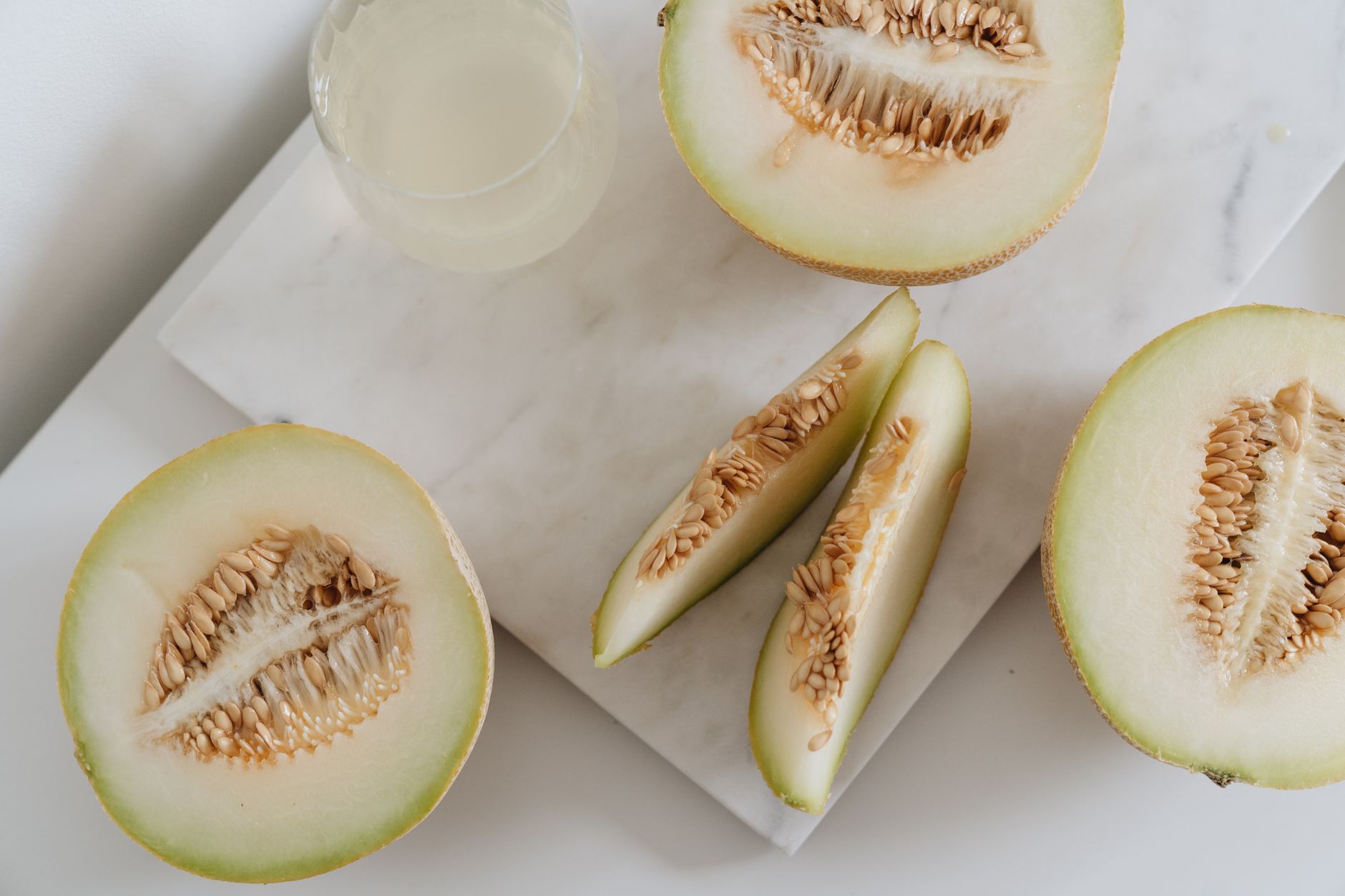
You will recognize a ripe pepino melon by its smooth, egg-shaped body, creamy yellow base color, and long purple streaks that deepen as the fruit matures. When you press gently near the stem end, a ripe specimen gives a little, much like a ripe pear, and releases a faint floral aroma. The flesh inside is pale orange-yellow, soft, and juicy, with a flavor that sits somewhere between honeydew melon and a mild, vanilla-sweet pear.
Where It Grows Today
New Zealand and Chile lead commercial production, often shipping the fruit under the label “pepino” or “tree melon.” Growers favor cool, frost-free climates at higher elevations, which keeps the fruit firm during transit. In the US, your best chance of finding pepino melon is in Latin American grocery stores, specialty produce markets, and California farmers’ markets during late summer and fall.
Once you’ve secured a ripe fruit, it’s worth knowing what’s actually inside before slicing in.
Nutritional Profile and Calorie Density
The standout feature of pepino melon nutrition facts is the pairing of low calories with high water content. A 100g serving weighs in at roughly 20-30 calories, and about 90% of that weight is water, which puts the fruit in the same hydration-friendly category as cucumber and watermelon. The remaining solids are mostly gentle natural sugars, a small amount of dietary fiber, and a modest collection of vitamins and minerals.
Because the carbohydrate load is light and the fiber slows sugar absorption, the fruit has a relatively low impact on blood glucose compared with sweeter tropical options like ripe mango or banana. That is one reason it often comes up as a friendly choice for people watching their blood sugar.
What a 100g Serving Provides
| Nutrient | Approximate Amount per 100g | Why It Matters |
|---|---|---|
| Calories | 20-30 kcal | Low energy density for snacking or weight management |
| Water | ~90% | Supports daily hydration needs |
| Carbohydrates | 5-7 g | Mostly natural sugars with a small fiber fraction |
| Dietary fiber | 1-1.5 g | Aids digestion and helps with satiety |
| Vitamin C | ~25-40 mg | Antioxidant that supports immune function |
| Vitamin A (beta-carotene) | Small but useful | Supports vision and skin health |
| Potassium | ~120-200 mg | Helps regulate blood pressure and fluid balance |
Numbers are averages drawn from public food composition databases and can shift depending on ripeness, growing region, and variety. Treat the table as a quick reference rather than a precise lab reading.
Evidence-Based Health Benefits of Eating Pepino Melon
The honest answer is that pepino melon is a generally healthy addition to a balanced diet, with a few specific strengths worth highlighting. The research base is smaller than for mainstream fruits, the fruit is not a cure for anything, and claims should stay grounded in the nutrients present.
Most of the benefit comes from the combination of water, fiber, vitamin C, vitamin A, potassium, and naturally occurring plant antioxidants. Together, these compounds support everyday wellness rather than treat specific conditions.
Antioxidant and Immune Support
The vitamin C in pepino melon acts as an antioxidant, helping neutralize free radicals produced through normal metabolism and exposure to sunlight and pollution. Vitamin A from beta-carotene supports the lining of your skin, lungs, and gut, all of which act as barriers against infection. These nutrients contribute to a normally functioning immune system, which is the ceiling any single fruit can realistically claim.
Hydration, Satiety, and Weight Management
Because roughly 90% of the fruit is water and the calorie count sits between 20 and 30 per 100g, pepino melon gives you volume and sweetness for very few calories. That makes it a smart swap for higher-calorie desserts when you want something cool and slightly sweet. The small fiber content also adds a touch of fullness, which can help you resist grazing between meals.
Heart and Blood Pressure Support
Potassium helps balance the effects of sodium in your diet and plays a role in keeping blood pressure within a normal range. A medium pepino melon offers a noticeable serving of potassium without any added sodium, which is a useful combination for anyone following a heart-friendly eating pattern. The fruit is not a treatment for hypertension, but the potassium content is a real, measurable benefit.
Those cardiovascular perks do come with caveats, particularly for people managing blood sugar or prone to mouth irritation.
Side Effects, Allergies, and People Who Should Be Cautious
Most people can eat pepino melon without issue, but a few groups should pay attention before adding it to their regular rotation. The most common pepino melon side effects are mild and tied to the same compounds that make the fruit nutritious.
Heads up: pepino melon is a nightshade. If tomatoes, eggplants, or bell peppers have triggered mouth itching, hives, or digestive distress in the past, start with a small slice and wait a day before eating more.
Nightshade Sensitivity and Allergies
As a member of the Solanaceae family, pepino melon contains small amounts of the same alkaloids found in other nightshades. People with a documented nightshade allergy or autoimmune flare pattern may notice mouth tingling, mild stomach upset, or skin reactions. True allergies are uncommon but not impossible, so any itching, swelling, or breathing difficulty after eating the fruit is a reason to stop and talk with a qualified healthcare professional.
Digestive Effects From Fiber and Fructose
Overconsumption can lead to bloating, gas, or loose stools because the fiber and natural fructose add up quickly when you eat several fruits in one sitting. Sticking to one pepino melon at a time, or roughly 100-150g per serving, is usually comfortable for most adults. People with irritable bowel syndrome or known fructose malabsorption may want to test a small portion first.
Blood Sugar and Pregnancy Considerations
The low glycemic impact is a plus for people managing blood sugar, but a serving is not zero sugar, and ripeness affects the total. If you are tracking carbohydrates carefully, weigh the fruit and log the serving rather than estimating. Pregnant and breastfeeding people can generally eat pepino melon as part of a varied diet, though speaking with an obstetrician or qualified healthcare professional about any new food is always reasonable, especially with a history of food sensitivities.
How to Select, Store, and Prepare Pepino Melon at Home
Knowing how to eat pepino melon well starts at the store. The fruit travels easily but bruises if handled roughly, so choose specimens with intact skin and no soft spots. A pale yellow background with deep purple stripes is the color you want for peak ripeness.
Ripeness Cues and Storage
Gently press the stem end. A ripe pepino melon yields slightly, similar to a ripe avocado or pear, and smells faintly sweet at the blossom end. If the fruit is still green and firm, leave it on the counter for two to five days until the color shifts and the skin gives. Once ripe, move it to the refrigerator, where it keeps for another three to five days. Cut pieces should be sealed in a container and used within two days for the best texture and flavor.
Simple Ways to Serve It
- Raw and sliced: Halve the fruit, scoop out any soft seeds, and slice the flesh for a cool snack on its own.
- Salads: Cube pepino melon and toss it with cucumber, mint, a squeeze of lime, and a pinch of salt for a refreshing summer side.
- Smoothies: Blend a chopped pepino melon with yogurt, a frozen banana, and a splash of orange juice for a creamy, low-calorie drink.
- Desserts: Layer sliced pepino melon with whipped ricotta, honey, and toasted almonds for an easy no-cook plate.
- Savory pairings: Pair it with prosciutto, fresh cheese, or grilled fish, where its mild sweetness balances salty or smoky flavors.
Because the skin is thin and edible when fully ripe, you can wash the outside well and eat the fruit unpeeled. The peel adds a slight tang and extra fiber, though the texture is firmer than the flesh.
With those cautions in mind, bringing the fruit home and into the kitchen is the natural next step.
Common Myths and Smart Ways to Add Pepino Melon to Your Diet
Exotic fruit marketing tends to promise more than the produce can deliver, and pepino melon is no exception. Sorting real pepino melon health benefits from hype is easier once you know what the nutrition actually supports.
Separating Hype From Reality
No single fruit, including pepino melon, has been shown to cure, treat, or prevent any disease. The legitimate strengths are straightforward: hydration, modest vitamin C and A contributions, a useful potassium dose, and a low calorie count. Anyone who promises more is overselling, and the safest path is to treat the fruit as a pleasant, nutrient-supporting food rather than a remedy.
The “Exotic Means Superior” Trap
Eating pepino melon is not automatically healthier than eating a local apple or pear. A well-rounded diet built around familiar produce often covers the same vitamins and minerals. Pepino melon earns its spot when you enjoy the flavor, want variety, or appreciate its low glycemic impact, not because it is rare.
Smart Pairings and Serving Sizes
Combining pepino melon with a protein source such as Greek yogurt, cottage cheese, or grilled chicken helps balance blood sugar and turns the fruit into a more complete snack. One medium fruit, roughly 150-200g, is a comfortable portion for most adults, and eating it two to four times a week is plenty to enjoy the benefits without overloading on fructose.
Key Takeaways for Trying Pepino Melon Safely
- Start with the basics: Look for pale yellow skin with purple stripes, a slight give near the stem, and a faint sweet aroma when shopping.
- Mind the nightshade link: People with known nightshade allergies or autoimmune flare patterns should test a small portion first.
- Keep portions reasonable: One medium fruit per serving is enough to enjoy the hydration and fiber without digestive discomfort.
- Pair it with protein: Yogurt, cheese, or lean meat turns a simple fruit plate into a balanced snack or light meal.
- Treat claims with caution: The fruit is a generally healthy addition to a varied diet, not a treatment for any medical condition.
Final Thoughts
Pepino melon is a low-calorie, hydrating, mildly sweet fruit that fits comfortably into a balanced diet. Its real value lies in vitamin C, vitamin A, potassium, and water, not in any miracle cure. Try a small serving first if you have nightshade concerns, pick a ripe specimen with care, and enjoy it raw, in salads, or blended into smoothies for the most rewarding experience.
FAQ
What is a pepino melon and where does it come from?
That the fruit of Solanum muricatum, an Andean nightshade native to Peru, Colombia, Ecuador, and Bolivia. Commercial growers in New Zealand, Chile, and parts of Asia ship it to specialty markets, and you can now find it in select US stores. Despite its name, it is not a true melon but a relative of tomatoes and eggplants.
What are the main health benefits of eating pepino melon?
Pepino melon is low in calories, high in water, and provides vitamin C, vitamin A, potassium, and a small amount of fiber. These nutrients support hydration, immune function, and heart-healthy potassium intake as part of a varied diet.
Is pepino melon safe to eat every day?
For most adults, eating pepino melon a few times a week is a sensible routine. Daily intake is generally fine, though people with nightshade sensitivities, fructose malabsorption, or active digestive issues should keep portions small and monitor how they feel.
What are the possible side effects of pepino melon?
Eating more than a few cups of pepino melon in one sitting often leads to mild digestive upset, bloating, or loose stools. People with nightshade allergies may experience itching, swelling, or hives, and anyone with severe symptoms should contact a qualified healthcare professional promptly.
How does pepino melon compare to other melons nutritionally?
Pepino melon has fewer calories and less sugar than honeydew or cantaloupe, with a similar water content. Its vitamin C and potassium levels are modest compared with citrus and banana, so it works best as part of a varied fruit routine rather than a stand-alone nutrient source.
Who should avoid eating pepino melon?
People with confirmed nightshade allergies, active fructose malabsorption, or a history of severe reactions to tomatoes and eggplants should approach pepino melon cautiously. Pregnant and breastfeeding people can usually enjoy it in normal food amounts, but speaking with a healthcare professional is a good idea if there is any history of food sensitivity.