

A single ingredient,ground pecans,delivers a concentrated spread of monounsaturated fats, gamma-tocopherol, manganese, and fiber. A two-tablespoon serving lands near 200 calories, 20 g of fat, 3 g of protein, and 2.5 g of fiber, with most of the fat in the heart-friendly category that also defines olive oil. Because pure jars typically list only pecans and salt, the spread fits cleanly into vegan, paleo, and whole-food kitchens.
This guide explores the nutrition, health perks, drawbacks, and nut-butter comparisons of pecan butter, helping anyone curious about swapping it into their pantry make a confident choice.
What Pecan Butter Actually Is and How It Gets Made
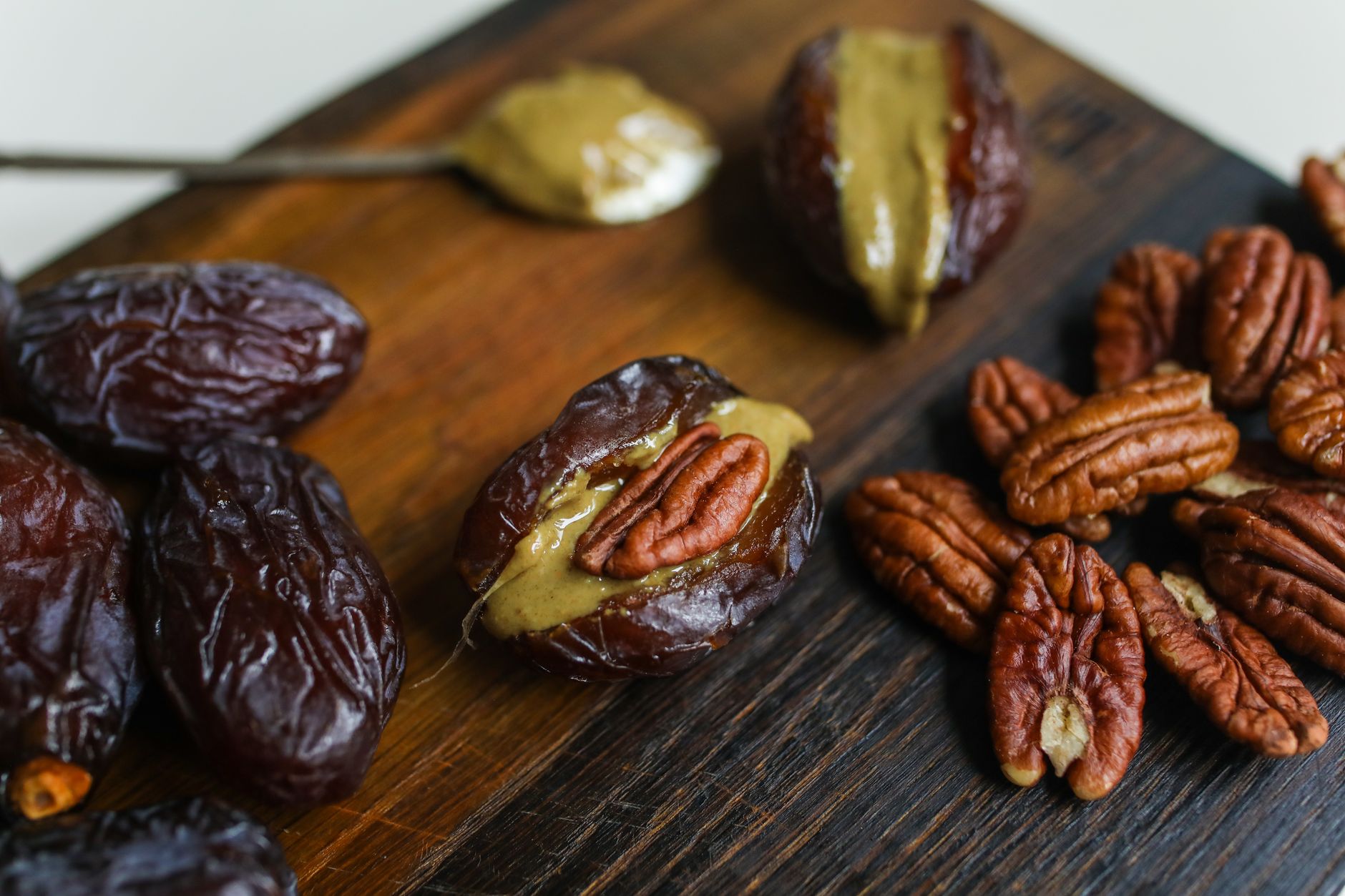
A jar of pecan butter contains finely ground pecans, often roasted first for a deeper, almost buttery flavor, with little more than a pinch of salt in most cases. Walk past the almond and peanut spreads in a well-stocked pantry and you’ll sometimes spot this quieter jar hiding between them.
Pure pecan butter usually contains one ingredient, which makes it one of the cleanest nut butters on the shelf. Texture ranges from a coarse meal to a silky, drippy butter depending on grind time, with longer blending releasing natural oils for a smoother result. Roasting at 275 to 300°F for 8 to 12 minutes before blending deepens the natural sweetness without scorching the delicate oils.
From Whole Nut to Spreadable Butter
The transformation happens in a food processor, a high-speed blender, or a commercial mill. Heat from friction slowly breaks the nut cells, releasing the oil that was locked inside. Within a few minutes the crumbs turn pasty, then glossy, then pourable, with the pecan’s own fat doing the emulsifying work.
Commercial producers sometimes add a neutral oil to standardize texture or salt to round out the flavor. Anything beyond that, especially sugar, hydrogenated oils, or seed-oil stabilizers, is a sign the label deserves a second look.
The Nutrition Profile of Pecan Butter, Number by Number
A two-tablespoon serving of pecan butter (about 32 g) lands near 200 calories, with roughly 20 g of fat, 3 g of plant-based protein, and around 2.5 g of fiber. Per ounce, pecans contribute about 193 calories, 20 g of fat, 3 g of protein, and 2.7 g of fiber, putting the spread on par with whole nuts.
Manganese stands out at over 60% of the Daily Value per ounce, a mineral most people under-consume that supports bone and metabolic health. Pecan butter also contributes meaningful amounts of vitamin E, magnesium, zinc, and copper, nutrients tied to immune function and blood sugar control.
Why Those Numbers Matter for Your Day
Because the spread is naturally gluten-free, dairy-free, and free of animal products, it fits cleanly into vegan, paleo, and whole-food eating patterns. The fiber and protein are modest but useful, and the fat slows digestion in a way that steadies energy after a meal.
That steady energy release sets up the cardiovascular story, because the same fats doing the slowing also influence how your blood vessels behave over time.
Pecan butter is energy-dense by design. Treat it as a nutrient boost, not a free-add topping, and a single tablespoon does the job.
Why Pecans, and Therefore Pecan Butter, Are Considered Heart-Healthy
The fat in pecans is roughly 60% monounsaturated and 9% polyunsaturated, the same heart-friendly profile that made olive oil a kitchen staple. Pecans are also one of the richest edible sources of gamma-tocopherol, a form of vitamin E with anti-inflammatory effects that other nut butters carry in much smaller amounts.
The fiber, magnesium, and potassium in pecan butter work together to support healthy blood pressure and LDL cholesterol levels when the spread replaces refined carbohydrates rather than stacking on top of them. Swapping saturated-fat spreads like butter or cream cheese for pecan butter is the change most consistently linked to measurable cardiovascular benefit.
The Antioxidant Story Behind the Spoon
Beyond the headline fats, pecans bring a wide antioxidant package: gamma-tocopherol, ellagic acid, and a range of polyphenols. Some research suggests pecan consumption lowers oxidative stress markers, though results vary across studies. The honest takeaway is that pecans offer a broader antioxidant mix than most tree nuts, and that benefit carries into the butter.
Pecan Butter vs. Almond Butter vs. Peanut Butter, Head to Head
One tablespoon of pecan butter runs about 100 calories and 10 to 11 g of fat, while almond butter clocks in near 98 calories and 9 g of fat, and peanut butter around 94 calories and 8 g of fat. The three are far closer than most people assume, so the choice really comes down to micronutrients, flavor, and price.
| Per Tablespoon (16 g) | Pecan Butter | Almond Butter | Peanut Butter |
|---|---|---|---|
| Calories | ~100 | ~98 | ~94 |
| Fat | 10–11 g | ~9 g | ~8 g |
| Protein | ~1.5 g | ~3.4 g | ~4 g |
| Fiber | ~1.3 g | ~1.6 g | ~1 g |
| Standout Nutrient | Manganese, gamma-tocopherol | Vitamin E, calcium | Protein, niacin |
Pecan butter leads on antioxidants and manganese, almond butter wins on vitamin E and calcium, and peanut butter delivers nearly twice the protein per tablespoon at the lowest cost. On flavor, pecan butter is mild and slightly sweet, almond butter is lighter and more neutral, and peanut butter is the strongest and most savory of the three.
When to Reach for Each One
Pick pecan butter when flavor and antioxidants matter more than protein per dollar. Pick almond butter when you want a vitamin E boost and a cleaner neutral taste for smoothies. Pick peanut butter when you need a protein hit, a budget-friendly option, or the savory note that pairs with celery, chocolate, or a classic sandwich.
Side Effects, Allergy Risks, and Who Should Think Twice
Anyone with a tree nut allergy, including to pecans specifically, should treat pecan butter the same as whole pecans, since even a trace amount can trigger a serious reaction. That caution aligns with guidance from the American College of Allergy, Asthma & Immunology, which lists pecans among the tree nuts that can cause anaphylaxis in sensitive individuals.
Pecans contain oxalates, which matter for people prone to kidney stones, and the spread is moderate-FODMAP, so those following a low-FODMAP elimination plan may tolerate only small portions. A two-tablespoon serving is roughly 200 calories and 20 g of fat, so overconsumption on top of an already rich diet can quietly push daily calories and saturated fat above target levels.
Cross-Reactivity and Birch Pollen
A birch pollen allergy can trigger oral allergy syndrome, a cross-reactivity in which the immune system mistakes similar proteins in certain tree nuts for pollen. Pecans are not the most common trigger in that group, but anyone with a known pollen-food syndrome should introduce pecan butter slowly, starting with a small amount, and stop at the first sign of itching or swelling.
The Label Matters as Much as the Nut
Store-bought jars can hide added sugars, seed oils like sunflower or safflower, and palm oil stabilizers that change the nutrition profile. Read the ingredient list, not just the front label. A pure jar should list pecans and, at most, salt.
Once the label passes that check, the practical question becomes how much to eat and how to keep it from going rancid in your pantry.
- One ingredient only: pecans, ideally with a small amount of salt.
- Watch for seed oils: sunflower, safflower, or palm oil are filler fats.
- Skip added sugars: cane sugar, honey, or maple syrup turn a healthy spread into dessert.
- Skip hydrogenated fats: these add trans fats even in small amounts.
- Allergen warning line: confirms shared equipment with peanuts or other tree nuts.
Smart Portions, Storage, and Ways to Actually Use Pecan Butter
A practical starting portion is one level tablespoon (about 16 g), which delivers around 100 calories and fits most adult fat and calorie targets. Spread it thinly on toast, swirl it into oatmeal, or thin it with warm water to make a quick drizzle for roasted vegetables.
Pecan butter pairs especially well with apple slices, roasted sweet potato, dark chocolate squares, oatmeal, and yogurt. Each combination adds fiber or protein that slows the calorie load and keeps blood sugar steadier than a plain spoon of butter would.
A Simple Homemade Pecan Butter
Whipping up a batch at home takes only a few minutes and a single ingredient. Pulse 2 cups of roasted pecans in a food processor for 5 to 8 minutes, scraping the sides once or twice, until the nuts release their oils and turn glossy. Season with a pinch of salt and a teaspoon of neutral oil if you want a thinner texture.
- Roast the pecans: 275°F for 8 to 12 minutes, until fragrant.
- Cool briefly: five minutes prevents the butter from over-heating.
- Pulse the nuts: food processor on high, scraping the bowl every 90 seconds.
- Watch the change: crumbs, then paste, then glossy butter within 5 to 8 minutes.
- Season to taste: salt, a splash of vanilla, or a drizzle of honey if you like.
Storage That Keeps It Fresh
Unopened jars keep for 3 to 6 months in a cool, dark pantry. Once opened, store in the refrigerator for up to 3 months, where natural oil separation is normal and a quick stir restores the texture. Homemade batches last about 2 weeks refrigerated in a sealed jar, since they lack the stabilizers that extend shelf life.
With storage covered, the remaining question is whether the effort and cost of keeping a jar on hand actually pay off nutritionally.
Stir before spreading. Natural oil separation means the top can look dry while the bottom holds a rich layer of pecan oil.
Bottom Line on Pecan Butter
Pecan butter earns its place in a balanced kitchen because it concentrates the same monounsaturated fats, gamma-tocopherol, manganese, and fiber that make whole pecans a nutritionist favorite, all in a one-ingredient spread. It carries real tradeoffs, including tree nut allergy risk, oxalate load for stone-prone kidneys, and a calorie density that punishes over-eating, so a one-tablespoon portion usually hits the sweet spot. Read the label, store the jar cold after opening, and let the flavor do the work in oatmeal, yogurt, or a quick drizzle over roasted vegetables.
FAQ
Is pecan butter healthier than almond or peanut butter?
It depends on your goal. Pecan butter leads on manganese, gamma-tocopherol, and total antioxidants. Almond butter offers more vitamin E and calcium. Peanut butter delivers the most protein at the lowest cost. The healthiest choice is the one that fits your calories, flavor preference, and budget.
Can you eat pecan butter on a keto diet?
Yes. Pecan butter is naturally low in carbohydrates, with about 1 to 2 g net carbs per tablespoon, and high in monounsaturated fats. It fits standard keto macros and works well as a fat source in recipes, though portion control still matters because the calories add up fast.
What are the side effects of eating pecan butter?
Most people tolerate it well. Common issues include digestive discomfort from the fat and fiber load, allergic reactions in anyone with a tree nut sensitivity, and oxalate concerns for people prone to kidney stones. Eating more than a few tablespoons in one sitting can cause nausea or loose stools because of the fat density.
How much pecan butter should you eat per day?
One to two tablespoons per day is a sensible range for most adults. That delivers around 100 to 200 calories, a meaningful dose of manganese and vitamin E, and fits inside typical daily fat targets without crowding out other foods.
Does pecan butter raise cholesterol?
It tends to do the opposite. The monounsaturated fats, polyunsaturated fats, and gamma-tocopherol in pecans are linked to lower LDL cholesterol in many studies. Watch for added oils or sugars in store-bought versions, since those ingredients can offset the heart-friendly profile.
How do you make pecan butter at home?
Roast 2 cups of pecans at 275°F for 8 to 12 minutes, then pulse in a food processor for 5 to 8 minutes until glossy and smooth. Add a pinch of salt and a teaspoon of neutral oil for a thinner texture. Store in a sealed jar in the fridge for up to 2 weeks.