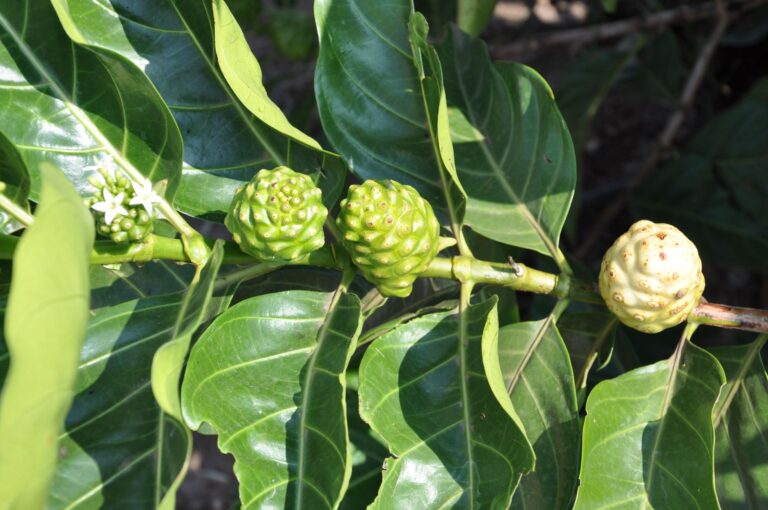
Pressed from the bumpy, yellowish fruit of the Morinda citrifolia evergreen, this tropical drink has been sipped across Southeast Asia and the Pacific Islands for more than two thousand years. The fruit carries a sharp, cheesy aroma and has been used in Polynesian traditional medicine for more than 2,000 years, and today the Tahitian variety leads global sales. That pungent note comes from natural fatty acid derivatives rather than spoilage, which is why most commercial bottles blend it with grape or blueberry juice to soften the taste.
This practical walkthrough covers noni juice in full, from the Polynesian roots of Morinda citrifolia to the nutrition, evidence-backed benefits, and safety concerns shoppers should weigh before adding it to their routine.
The Tropical Fruit Behind the Hype
Walk past a supplement shelf and you will see bottles labeled “Tahitian Noni” or “Hawaiian Noni” with promises about detoxification and immunity. The marketing is louder than the science, and the fruit itself is genuinely unusual. Morinda citrifolia grows as a small tree or shrub, often between 3 and 10 meters tall, and produces lumpy green-yellow fruit roughly the size of a small potato.
A 2,000-Year Traditional Track Record
Polynesian healers used nearly every part of the plant, including leaves, bark, roots, and unripe fruit, for fevers, skin infections, digestive complaints, and wound care. Captain James Cook observed Tahitian islanders eating the fruit in the late 1700s, which is how Western botanists first documented it. That long history is real, but traditional use alone is not proof of modern therapeutic value, especially since the raw fruit was rarely consumed as a daily beverage in the past.
Why It Smells and Tastes So Strong
Ripe noni releases hexanoic and octanoic acids, the same compounds found in aged cheese. The smell throws first-time buyers off, so manufacturers ferment the pulp, filter it, and blend it with sweeter juices. The result is a product that looks and tastes closer to a fruit punch than to the strange-smelling original, which is part of the disconnect you may feel between traditional descriptions and the bottle in your hand.
That gap between marketing flavor and original taste comes partly from what processors add and concentrate in the bottle.
What Noni Juice Actually Contains
The label tells part of the story, and the lab work tells the rest. A typical 30 mL serving of pure noni juice delivers a modest mix of vitamins and minerals alongside a much richer profile of plant compounds called phytonutrients. The macronutrient picture, however, leans sweeter than most people expect.
Nutrition Facts at a Glance
| Nutrient (per 30 mL serving) | Approximate Amount | Notes |
|---|---|---|
| Calories | 15–20 | Higher when blended with grape or blueberry juice |
| Carbohydrates (sugars) | 3–5 g | Comparable to pomegranate or grape juice |
| Vitamin C | 5–10% DV | Less than orange or cranberry juice |
| Vitamin B3 (niacin) | 5–8% DV | Supports energy metabolism |
| Vitamin A | Small amount | From beta-carotene precursors |
| Iron | 1–3% DV | Trace contribution only |
| Potassium | 30–50 mg | Relevant for people on restricted diets |
The Plant Compounds Behind the Claims
Most of the proposed biological activity traces back to three groups of compounds. Iridoids, including deacetylasperulosidic acid, appear in concentrations higher than in most other edible fruits. Scopoletin is a coumarin that has shown anti-inflammatory behavior in small animal studies. Anthraquinones contribute mild laxative effects, which partly explains why some users report digestive changes within hours of drinking it. Compared with orange or cranberry juice, this blend of unique antioxidant compounds is genuinely richer, even though the vitamin C content is lower.
Benefits With Real Research Behind Them
Bold claims about noni curing disease do not hold up under scrutiny, and a few modest signals do. The honest summary is that early work is interesting but far from conclusive, and most human studies remain short, small, or funded by the brands that sell the juice.
What the Science Actually Shows
Small human trials have observed modest reductions in inflammatory markers and oxidative stress in healthy adults after several weeks of daily consumption, which is the closest thing to a confirmed benefit. Animal work and a few pilot human studies have also noted reduced post-exercise muscle soreness and slightly improved endurance, though the effect sizes are small. That evidence sits well below the threshold regulators expect: the European Food Safety Authority (EFSA) reviewed proposed claims linking noni to immune defense, joint health, and DNA protection, and rejected all of them for lack of sufficient evidence. Anything you read online about noni boosting immunity or fighting cancer cells almost always traces back to traditional use or manufacturer-sponsored research, so treat those statements with healthy skepticism.
Those same hyped outcomes also help explain why some users have ended up in clinics with elevated liver enzymes or dangerous drug reactions.
Tip: Look for the EFSA ruling and the original trial in a PubMed-indexed journal, not on a product page, before believing any health claim that sounds too clean.
Side Effects, Drug Interactions, and Liver Concerns
Most people tolerate small amounts without problems, and the reaction list is longer than the benefit list. The risks cluster around digestion, liver function, and drug metabolism, so the safety profile deserves as much attention as the marketing.
Common Reactions Worth Knowing
- Digestive upset: Diarrhea, nausea, and bloating are the most frequent complaints, especially when consumed on an empty stomach or in large servings.
- Allergic skin responses: Rashes and itching have been reported, often in people with broader plant allergies.
- Headaches: A small number of users describe mild headaches during the first week, possibly tied to the anthraquinone content.
- Elevated liver enzymes: Multiple case reports link noni consumption to acute hepatotoxicity, with jaundice and raised ALT or AST levels in susceptible individuals.
Drug and Condition Interactions
The naturally high potassium load can worsen hyperkalemia in people with chronic kidney disease, and the coumarin compounds may amplify the effects of warfarin and other anticoagulants. Noni also appears to interact with ACE inhibitors, certain diuretics, and some blood pressure medications, raising the risk of hypotension or bleeding. Pregnant and breastfeeding women are generally advised to avoid it, because safety data in those populations is thin. If you take any chronic medication or have a known liver or kidney condition, talk to a qualified clinician before adding noni to your routine.
Who Should Avoid Noni Juice and When to See a Doctor
The safety profile narrows the list of people who can safely experiment, and the warning signs deserve a clear response. Some groups should treat noni as a potential trigger rather than a wellness tonic, and a small set of symptoms after drinking it warrants same-day medical attention.
High-Risk Groups
Anyone with existing liver disease, hepatitis, or a history of jaundice should skip noni until stronger safety data is available, because the documented hepatotoxicity cases mostly occurred in people with underlying liver vulnerability. People on potassium-restricted diets or dialysis need to factor in the juice’s potassium load, since even one daily serving can push intake above safe limits. Those taking anticoagulants, ACE inhibitors, or diuretics should clear noni with their prescriber first, and the same goes for anyone recovering from surgery, since coumarin-like compounds can affect clotting.
Warning Signs That Need Prompt Attention
Persistent nausea, dark urine, yellowing of the skin or eyes, unusual fatigue, or upper-right abdominal discomfort after drinking noni are red flags for liver involvement. Stop the product and contact a clinician the same day rather than waiting to see whether symptoms fade. Children, pregnant women, and anyone with a complex medication list should avoid noni altogether until research catches up with the marketing.
Once a clinician clears you, the practical question becomes how much to take and which bottles are worth trusting.
Dosage, Quality, and Smart Ways to Try It
No official recommended intake exists, and the most useful studies give you a realistic starting range. A cautious, label-checking approach lets you decide whether noni actually adds anything to your routine without spending a fortune on a product that may sit half-used in your fridge.
A Practical Starting Protocol
Most published research uses 30 to 60 mL of pure noni juice per day, usually split into two doses taken with food. Begin with half the label dose for the first one to two weeks so any gastrointestinal sensitivity shows up before you commit to a full serving. Diluting the juice in plain water, a smoothie, or a lower-sugar fruit juice can soften the taste and spread the sugar load across the day. After four to six weeks, reassess how you feel, and rotate the product out for a stretch rather than chaining yourself to a daily habit based on early impressions.
Reading the Label Like a Pro
- Fruit content: Look for “100% Morinda citrifolia fruit” or “100% noni fruit” near the top of the ingredient list.
- Sugar disclosure: Check whether added sugars come from grape, blueberry, or pineapple juice concentrate, since these change the nutrition profile.
- Third-party testing: GMP certification or independent lab seals offer a baseline of quality control, though they are not safety guarantees.
- Fermentation vs. fresh-pressed: Fermented products tend to taste milder, while fresh-pressed versions keep more of the original aroma and compound profile.
- Country of origin: Tahitian and Hawaiian noni are the two most common sources, and both have established supply chains with traceable farms.
Bottom Line
Packed with a respectable mix of plant compounds and modest amounts of vitamins, the beverage has drawn a small body of research pointing to gentle anti-inflammatory effects. The catch is the sugar load, the documented liver risk in vulnerable users, and the wide range of drug interactions that make casual daily use a poor fit for anyone on chronic medication. Treat it as an occasional functional food, choose a transparent product, start slow, and listen to how your body responds over a few weeks.
FAQ
What are the benefits of drinking noni juice?
Small studies suggest modest anti-inflammatory and antioxidant effects, and early work hints at reduced post-exercise soreness. Most other marketed benefits, including immune defense and joint relief, lack strong independent evidence.
What are the side effects of noni juice?
The most common reactions are diarrhea, nausea, bloating, and occasional skin rashes, especially on an empty stomach. Rare but serious cases of liver injury have been reported, mainly in people with existing liver vulnerability.
Is noni juice safe to drink every day?
For healthy adults without liver, kidney, or clotting issues, moderate daily use appears low risk in the short term. Long-term daily safety has not been well studied, so cycling off periodically is the cautious move.
How much noni juice should you drink per day?
Clinical studies typically use 30 to 60 mL of pure juice per day, often split into two doses with food. Starting at half that amount for one to two weeks helps reveal any digestive sensitivity before you go higher.
Does noni juice really work?
It may offer small anti-inflammatory and antioxidant support, but it will not cure disease or replace medical care. The honest answer is that the modest benefits are real for some users, while the dramatic claims online are not supported by solid evidence.