
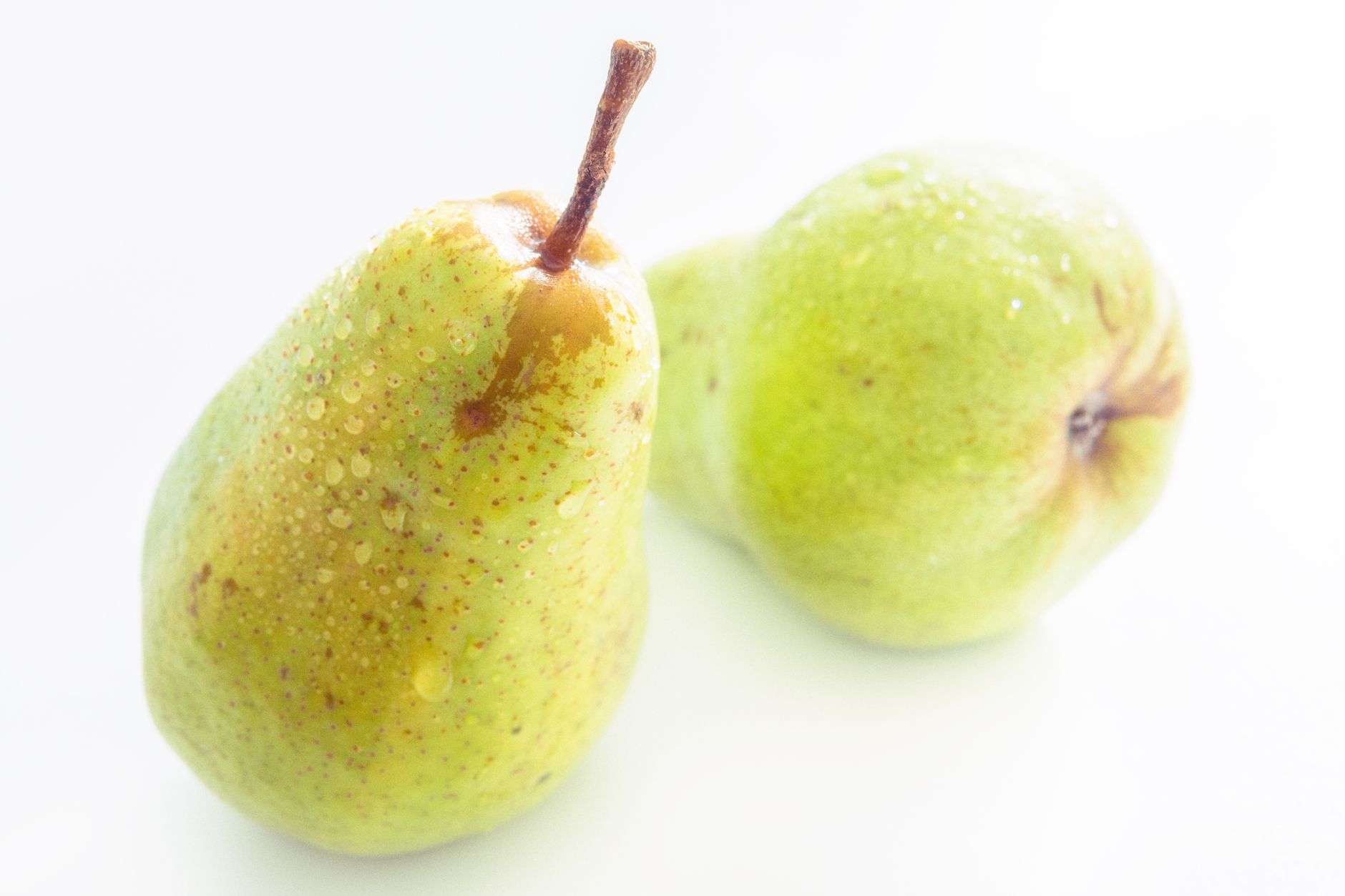

Weighing in at roughly 178 grams, a medium fruit delivers about 100 calories, 27 grams of carbohydrates, and 5 to 6 grams of dietary fiber, much of it as soluble pectin wrapped around the flesh. That fiber load, paired with about 84 percent water by weight, makes a pear one of the most filling fruits you can pick up in the produce aisle. A medium pear also contributes real amounts of vitamin C, vitamin K, copper, and potassium, plus a quiet stack of antioxidant compounds in the skin.
What follows covers the full nutritional profile, the evidence behind the top health benefits of pears, what the sugar and carb numbers actually mean for your diet, how to pick and store the right variety, and easy everyday ways to eat them without getting bored. By the end, you should be able to walk into any grocery store and choose pears with the same confidence you bring to apples.
What a Pear Delivers Nutritionally
The simplest way to size up a pear is to compare it with the fruits it usually shares a bowl with. A medium Bartlett, Anjou, or Bosc lands around 100 calories, a hair more than a medium apple and noticeably less than a medium banana, which sits closer to 110 calories and carries more starch-heavy carbs.
| Nutrient (per medium fruit) | Pear (178 g) | Apple (182 g) | Banana (118 g) |
|---|---|---|---|
| Calories | ~100 | ~95 | ~110 |
| Carbohydrates | ~27 g | ~25 g | ~28 g |
| Total fiber | 5–6 g | ~4.5 g | ~3 g |
| Natural sugars | ~16–17 g | ~19 g | ~14 g |
| Water | ~84% | ~86% | ~75% |
| Glycemic index | 30–41 | ~36 | ~51 |
That fiber number is the headline. Inside the fruit, two types of fiber share the work. Soluble pectin dissolves into a gel in your gut, slows stomach emptying, and binds cholesterol for excretion. Insoluble cellulose and hemicellulose add bulk and keep the digestive tract moving. One medium pear delivers close to a fifth of the daily fiber target most nutritionists cite, around 28 grams, which is why a pear quiets hunger longer than a same-calorie serving of juice or dried fruit ever does.
The Micronutrients Most People Miss
Beyond fiber, pears quietly cover several under-discussed micronutrients. A medium fruit contributes roughly 7 to 10 percent of the daily value for copper, a trace mineral that helps form red blood cells and supports nerve signaling. You also pick up a meaningful slice of vitamin K, which plays a role in blood clotting and bone health, plus potassium at about 4 to 5 percent of daily value, enough to help offset some sodium in a salty meal. Vitamin C sits around 7 to 10 milligrams per pear, modest but useful for collagen production and iron absorption.
Why the Glycemic Index Matters More Than the Sugar
Pears register a glycemic index between roughly 30 and 41, depending on ripeness and variety, which is low for a sweet fruit. That low score happens because fiber, especially pectin, physically slows how fast glucose enters your bloodstream. A gram of sugar eaten with that much fiber behaves very differently from a gram of sugar in juice, so the total sugar number (around 16 to 17 grams per medium pear) reads higher on paper than the way your body actually experiences it.
The Health Benefits Backed by Real Evidence
Researchers repeatedly find that the gut emerges as the clearest winner when studying what this fruit actually does for the body. The pectin in pears resists digestion in your small intestine, then ferments in your colon, where gut bacteria convert it into short-chain fatty acids like butyrate. Those fatty acids feed the cells lining your colon and appear to calm low-grade inflammation, a process tied to better long-term metabolic health. That pathway is consistent with population data linking higher pear intake to steadier blood sugar readings.
Cardiovascular data lines up in a similar direction. Several cohort studies have linked regular pear and apple consumption with lower rates of stroke and coronary heart disease, and a few controlled feeding trials have shown that eating two pears a day for several weeks can shave a few points off LDL cholesterol. The mechanism is straightforward: soluble pectin binds bile acids in your gut, your liver pulls more cholesterol from the bloodstream to make new bile, and circulating LDL drops a bit in response. Large reviews in journals covering nutrition and cardiovascular risk back this pectin-LDL pattern up across multiple whole-fruit studies.
A medium pear with the skin on delivers more antioxidant polyphenols than a peeled one, because most of the quercetin and other flavonoids sit just under the surface.
When you zoom in on the antioxidant story, the interesting chemistry happens in the skin. Pear skin concentrates quercetin, a flavonoid linked in epidemiological work to lower blood pressure and reduced inflammation, along with smaller amounts of catechin and chlorogenic acid. Peeling the fruit before eating throws away a meaningful share of those compounds, so leaving the skin on is the single highest-value choice you can make at the table.
Where Pears Stop Feeling Gentle
Pears also contain sorbitol, a sugar alcohol that pulls water into the colon and ferments quickly. For most adults, one pear is easy to handle, but eating three or four in a sitting can produce gas, bloating, or loose stools, especially with a sensitive gut or a diagnosis of IBS. The fructose in pears is moderate, not extreme, but people with hereditary fructose intolerance should treat them as a separate question and ask a qualified healthcare professional for individual guidance.
That same caution around individual tolerance is exactly why the fructose and sugar picture deserves a closer, more honest look.
The Sugar Question Without the Spin
The single most common worry about pears is sugar, so the numbers deserve a clear table instead of hand-waving. A medium pear with skin on contains about 16 to 17 grams of naturally occurring sugar, mostly fructose and glucose in roughly equal measure, plus a small amount of sucrose. That total is comparable to a medium apple and lower than a cup of grape juice.
| Measure | Per medium pear | What it means for you |
|---|---|---|
| Total sugar | ~16–17 g | Similar to a medium apple, lower than a banana |
| Total carbohydrates | ~27 g | About 10% of a standard 250 g daily carb target |
| Glycemic index | 30–41 | Low; slow glucose rise compared with white bread |
| Glycemic load | ~4–5 | Low; one pear adds a small load to a meal |
| Sorbitol | ~0.4–0.5 g | Adds up across several pears in a row |
| Fructose | ~7–8 g | Moderate; relevant for fructose-sensitive diets |
Glycemic load, not glycemic index, is the number to watch for whole-fruit decisions, and pears land at about 4 to 5 per medium fruit, which sits firmly in the low range. Under a low-carb framework that caps daily carbs at 50 to 100 grams, a single pear fits comfortably, but a half-pear serving (about 13 to 14 grams of carbs) leaves more room for the rest of your plate. For diabetic meal planning, pairing a pear with a protein or fat source (cheese, nut butter, Greek yogurt) flattens the glucose curve further. In fructose-sensitive diets, a quarter or half of a pear eaten with food is a sensible starting point.
Start with a quarter or a half of a pear, eat it with food, and notice how you feel before working up to a whole fruit.
Matching the Right Variety to the Right Moment
Pears are not interchangeable. Bartlett, Anjou, Bosc, and Comice each have a distinct texture and sugar profile, and the right one for a salad is rarely the right one for a tart. Knowing the personality of each variety turns pear shopping from a guessing game into a quick decision.
Bartlett
Bartletts are the classic bell-shaped pear, with smooth yellow-green skin that ripens to a soft, juicy, almost buttery texture. They bruise easily and have a short window of peak ripeness, usually only a day or two, so buy them firm and ripen at home for three to five days at room temperature. Bartletts shine eaten out of hand, blended into smoothies, or cooked down into jams and pear sauce where their sweet, floral flavor carries the dish.
Anjou
Anjous, both green and red, hold their shape better than Bartletts and taste slightly more subtle, with a light citrus note. Their firmer flesh and slower ripening make them the workhorse for salads, cheese boards, and roasted side dishes. Slice an Anjou thin and it stays crisp; roast wedges and they hold their shape without collapsing into mush.
Bosc
Bosc pears wear a russet-brown skin and a dense, slightly granular flesh that holds up to heat better than any other common variety. They are the baker’s pear, the right choice for poaching, tarts, and upside-down cakes where you need a slice that keeps its identity after 30 minutes in a 375°F oven. Bosc also slices cleanly for grain bowls and slaws because the flesh resists tearing.
Comice
Comice pears are the dessert pear, plump, juicy, and intensely sweet, with a delicate skin that bruises at a glance. Treat them as an out-of-hand luxury, paired with aged cheese, or wrapped in prosciutto. They do not bake well and they do not ship well, so buy them only when you plan to eat them within a day or two of ripening.
Once you know which variety fits the moment, getting it home at peak ripeness is what makes the difference.
A Quick Decision Tree
- Snacking out of hand: Bartlett or Comice, fully ripe, slightly soft at the stem.
- Salads and slaws: Anjou or Bosc, sliced firm, dressed just before serving.
- Cheese and charcuterie boards: Anjou for structure, Comice for sweetness, both at room temperature.
- Roasting and side dishes: Bosc or Anjou wedges tossed with olive oil and salt, roasted at 400°F.
- Baking and poaching: Bosc, because the dense flesh holds shape under heat.
Selecting, Ripening, and Storing Pears the Right Way
The fastest way to ruin a pear is to treat it like an apple and judge it by color alone. Pears ripen from the inside out, so a green-looking Bartlett can be perfectly ripe while a fully yellow one sits over the hill. Two tests work better than color: the stem press and the aroma check. Press your thumb gently near the stem; a ripe pear yields slightly, like a ripe avocado. Lift it to your nose and you should smell a faint, sweet, almost floral fragrance; if there’s no aroma, the fruit needs more time, and if the flesh gives way under light pressure at the body, it’s past its peak.
Ripening at Home
Pears ripen best off the tree, which is why most supermarket fruit is still firm. To speed things up, leave them on the counter at room temperature for two to five days, or place them in a paper bag with a banana or apple. Those fruits release ethylene, a natural ripening gas, and the closed bag concentrates it around the pears. Check them daily because the difference between ripe and overripe can be 24 hours.
Cold Storage for Longevity
Once a pear yields to gentle pressure at the stem, move it to the fridge. The cold slows ripening dramatically, and a ripe pear keeps in the crisper drawer for three to five more days. Unripe, firm pears can sit in the fridge for one to two weeks and still ripen slowly on the counter when you bring them out. Keep pears away from the freezer compartment’s direct airflow and store them in a vented plastic bag or the drawer to preserve humidity.
Cutting and Prep Without the Brown
Pears brown quickly once sliced, faster than apples, because their polyphenol oxidase enzyme reacts with oxygen almost immediately. A few habits slow that down. Slice pears with a sharp knife on a clean board, brush the cut sides with a thin layer of lemon juice diluted with water, and store cut pieces in an airtight container with a damp paper towel. Pre-cut pears hold their color for about 24 hours this way, which covers most weekday prep.
With storage sorted, those ripe pears are ready to disappear into meals without much weekday effort.
Wash pears only when you’re ready to eat or cut them. Moisture trapped in storage speeds up softening and invites mold at the stem.
Easy, Savory, and Low-Sugar Ways to Eat Pears All Week
Plain pears are fine, but pairing them well turns a snack into a meal. The fiber and natural sugars in a pear make it a natural partner for fat, protein, and acid, so anything that brings cheese, nuts, yogurt, or vinegar to the table will make a pear taste better and steady its effect on your blood sugar at the same time.
Breakfast and Snack Pairings
Slice a pear over Greek yogurt with a tablespoon of chopped walnuts and a pinch of cinnamon. Spread almond or peanut butter on pear wedges for a portable snack that delivers protein, fat, and fiber in one bite. Stir diced pear into oatmeal during the last two minutes of cooking so the fruit softens without dissolving. For a fast toast topper, layer thin Anjou slices over ricotta, finish with cracked black pepper, and drizzle a teaspoon of honey only if you want it.
Salads, Grain Bowls, and Roasted Sides
Anjou and Bosc slices hold their texture in salads, so they pair with bitter greens like arugula, shaved Parmesan, toasted pecans, and a lemon-shallot vinaigrette. In grain bowls, layer sliced pear over farro or quinoa with roasted chicken, dried cranberries, and a tahini dressing. For a roasted side, toss Bosc wedges with olive oil, salt, and a sprig of rosemary, spread on a sheet pan, and roast at 400°F for 18 to 22 minutes until the edges caramelize.
Sweet Uses Without the Sugar Pile
When dessert calls, lean on the pear’s own sweetness. Poach a Bosc half in a mixture of water, a cinnamon stick, a strip of lemon peel, and a tablespoon of maple syrup, simmer covered for about 15 minutes, and serve with a spoon of plain yogurt. In baking, swap half the sugar in a muffin or quick-bread recipe with finely grated pear; the moisture replaces some of the fat and the natural sugar cuts the added sugar load. A small slice of almond flour pear cake delivers real pear flavor without spiking glucose the way a heavy sugar glaze does.
Building Variety So You Don’t Get Bored
Pear boredom comes from eating them the same way every time. A short rotation across the week solves it. Try a sliced Anjou over greens on Monday, a Bartlett blended into a smoothie on Wednesday, a roasted Bosc side dish on Friday, and a poached pear with yogurt on Sunday. Different variety, different texture, different role in the meal, same fruit doing different work in your kitchen.
The Bottom Line
A pear is one of the few fruits that genuinely earns its reputation as a daily habit. The fiber load, low glycemic impact, and quiet micronutrient stack make it a smart swap for more processed snacks, and the variety in flavor and texture keeps the routine from going stale. The single biggest upgrade is also the simplest: eat the skin, choose the variety that fits the dish, and let the fruit ripen fully before you bite in. Get those three things right and a pear earns its place in your kitchen all year.
FAQ
What are the health benefits of eating pears?
Pears support digestive and heart health through their high fiber content, especially soluble pectin, which feeds gut bacteria, may lower LDL cholesterol, and helps regulate blood sugar. The skin adds antioxidant polyphenols like quercetin, and the fruit’s water content makes it filling for relatively few calories.
Is it better to eat a pear with the skin on?
Yes. Most of the fiber, antioxidants, and flavonoids sit in or just under the skin, so peeling a pear discards a meaningful share of its nutritional value. A quick rinse under cool water is all the prep the skin needs.
How many calories and grams of sugar are in a pear?
At about 178 grams, a medium-sized specimen contains roughly 100 calories, 27 grams of carbohydrates, and 16 to 17 grams of naturally occurring sugar, comparable to a medium apple. The fiber content keeps the glycemic impact low, so the total sugar behaves very differently from added sugar in processed foods.
When is the best time to eat a pear?
Any time you want a filling, naturally sweet snack, though pairing a pear with protein, fat, or a full meal blunts the glucose response even more. Many people find a pear with breakfast or as an afternoon snack keeps hunger steady until the next meal.
What is the nutritional difference between a pear and an apple?
A medium pear and a medium apple are very close on calories, but a pear usually wins on total fiber, with about 5 to 6 grams versus roughly 4.5 grams in an apple, and it carries a similar or lower glycemic index. Pears also have a bit more copper and vitamin K per serving, while apples tend to deliver slightly more vitamin C.
Who should limit or avoid pears?
A diagnosis of fructose malabsorption or hereditary fructose intolerance often requires limiting this fruit because of its fructose and sorbitol content, and anyone with a known allergy should skip it entirely. For most adults, including those managing diabetes, a whole pear paired with protein or fat fits comfortably within a balanced diet, but individual guidance from a qualified healthcare professional always comes first.