

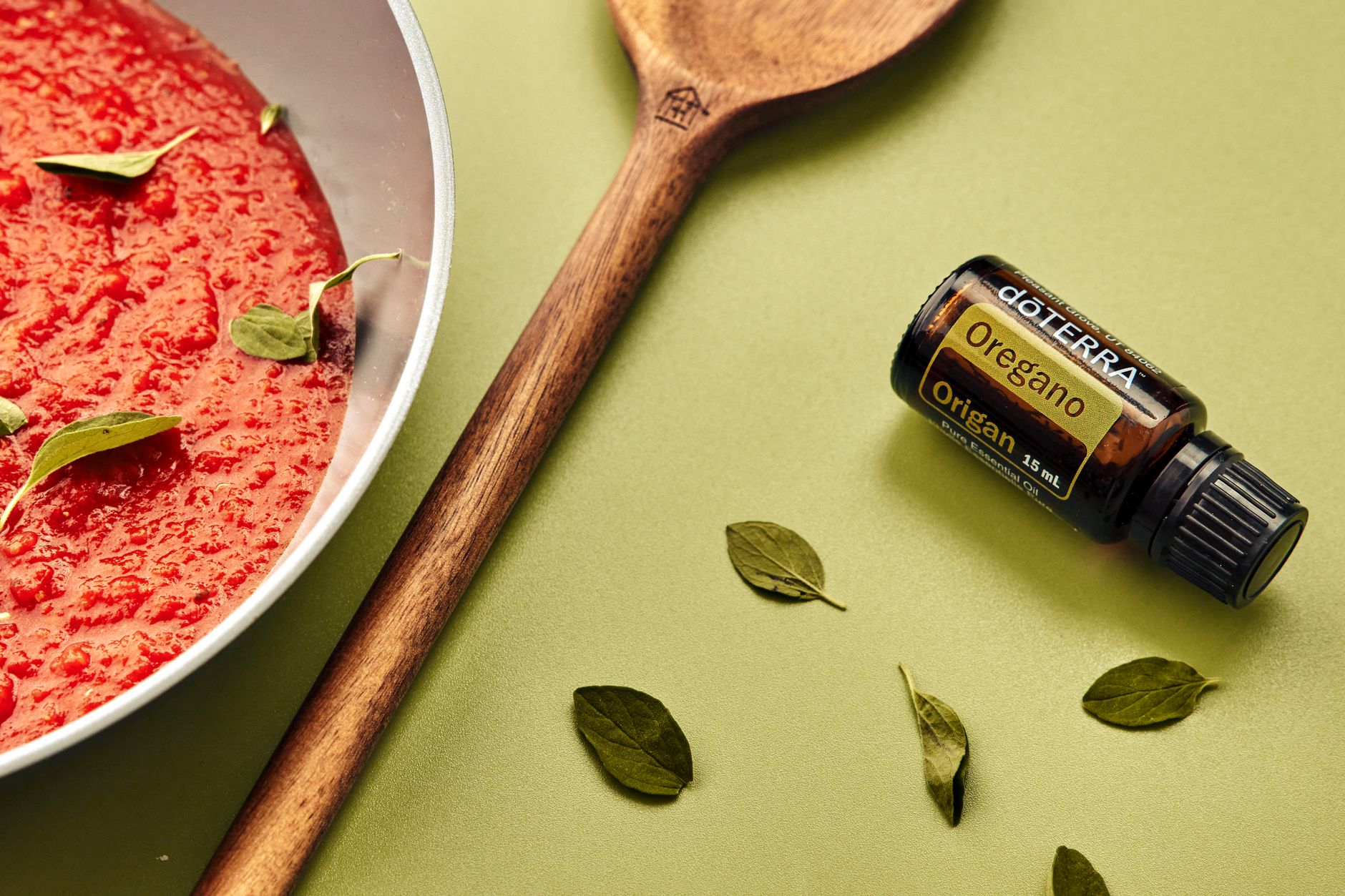

Oregano oil is a concentrated extract steam-distilled from the leaves of Origanum vulgare, a Mediterranean herb whose dried form seasons pizza and pasta sauce. Because the oil captures the plant’s most potent phenols in drop-sized doses, it behaves like a dietary supplement rather than a spice, and oregano oil benefits come mainly from two compounds: carvacrol and thymol.
Below you’ll find what the bottle actually contains, what research shows, and how to use it without burning skin or upsetting your stomach. The guide serves curious readers weighing a herbal supplement and anyone sorting through contradictory advice online.
What Oregano Oil Is and Where It Comes From
Steam distillation pulls volatile oils out of fresh or partially dried oregano leaves, leaving a golden-amber liquid that smells sharper and more medicinal than the jar of spice in your pantry. The plant belongs to the Lamiaceae family, sharing kinship with mint, basil, and thyme, which explains the familiar herbal aroma layered with a peppery bite.
Mediterranean vs. Mexican Oregano
Two plants carry the common name “oregano,” and they are not botanical cousins. Mediterranean oregano (Origanum vulgare) is the species behind most therapeutic oils and earns its reputation from high carvacrol content. Mexican oregano (Lippia graveolens) belongs to the verbena family, tastes closer to citrus and licorice, and shows a different phenol profile. When a label only says “oregano oil,” assume Mediterranean unless the company proves otherwise.
Essential Oil vs. Dried Spice
The spice rack and the supplement bottle hold very different products. A teaspoon of dried leaf might contain 20 to 30 milligrams of volatile oil at best, while a single drop of the essential oil concentrates that same punch roughly a hundredfold. The FDA classifies oregano oil as Generally Recognized As Safe (GRAS) for food flavoring, a narrower claim than “safe to swallow by the drop.” Measure carefully, dilute generously, and respect its strength.
The Nutritional Profile and Active Compounds Behind the Effects
Oregano oil carries no meaningful calories, protein, or fiber because it is a stripped-down extract, not a whole food. Its value sits in phytochemistry, specifically the phenols, terpenes, and flavonoids that survive distillation. Those compounds explain why a one-drop dose can deliver effects a forkful of dried herb cannot match.
Carvacrol and Thymol: The Phenol Powerhouses
Carvacrol typically makes up 60 to 80 percent of a quality oregano oil, and thymol contributes a smaller but complementary share. Both phenols disrupt microbial cell membranes and scavenge free radicals in laboratory studies, which is why most published research traces back to these two molecules. Therapeutic-grade oils are usually standardized to at least 70 percent carvacrol; anything below 50 percent leans more toward fragrance than remedy.
Knowing what carvacrol and thymol actually do sets up the clinical findings that follow.
| Compound | Typical Share in Oil | Primary Role |
|---|---|---|
| Carvacrol | 60–80% | Antimicrobial, antioxidant |
| Thymol | 2–10% | Antifungal, synergistic |
| Flavonoids & terpenes | Trace–5% | Antioxidant support |
| Rosmarinic acid | Trace | Anti-inflammatory contribution |
Evidence-Backed Health Benefits Researchers Have Found
Most oregano oil research has been conducted in test tubes or on animals, with a small number of human trials focused on specific infections. That distinction matters, because a petri dish full of inhibited bacteria does not guarantee the same effect inside a human body. Still, the consistent pattern across studies paints a clear picture of what the oil can and cannot do.
Antimicrobial Activity in Lab Studies
In laboratory settings, oregano oil shows broad-spectrum antimicrobial activity against bacteria, certain fungi, and some viruses. Documented effectiveness against Candida albicans stands out, since that yeast causes common oral, vaginal, and skin infections. A small human study found that a commercial oregano oil preparation temporarily reduced parasite loads in infected adults, though larger controlled trials are still needed before any clinical recommendation can follow.
Antioxidant and Immune-Supportive Effects
The same phenols that disrupt microbes also act as free-radical scavengers, which is why oregano oil ranks among the more potent natural antioxidants tested in lab comparisons. Animal research and a handful of small human studies suggest immune-modulating effects, including increased white blood cell activity after supplementation. Inflammation-modulating properties linked to carvacrol and rosmarinic acid may offer secondary wellness benefits, though the evidence remains preliminary rather than conclusive.
Traditional use for digestive discomfort, respiratory congestion, and oral health aligns with the modern antimicrobial findings, which is one reason oregano has survived in folk medicine for centuries.
Practical Ways to Use Oregano Oil at Home
How you apply the oil changes everything, since the same drop that helps sinuses can scald skin or upset an empty stomach. The three main delivery routes are aromatic, topical, and internal, each with its own dilution rules.
Diffusion and Steam Inhalation
For a head cold or sinus congestion, add one to two drops to a bowl of hot water, lean over it with a towel draped over your head, and breathe slowly for five minutes. A diffuser works too, though it spreads the oil through a room rather than concentrating it where you need it. Neither method delivers enough oil into the bloodstream to cause harm, but the aroma alone can feel like a strong cup of menthol tea.
Topical Application and Dilution
Never put undiluted oregano oil on skin. A 1:3 to 1:5 ratio with a carrier such as olive, jojoba, or fractionated coconut oil prevents the redness, itching, and chemical burns that show up when the phenols hit skin at full strength. The diluted mix can be rubbed on the soles of the feet, the chest, or targeted areas for fungal issues like athlete’s foot.
Internal Use and Capsules
For suspected microbial issues, one to three drops diluted in a tablespoon of olive oil, water, or an empty capsule is a common pattern. Capsule form is widely available for anyone who wants a pre-measured, tasteless dose without the herb’s sharp bite. Take with food to lower the risk of nausea or heartburn, and store the bottle in a cool, dark place so the volatile phenols stay active.
Those home applications only work when dosing stays within a safe range.
| Use Case | Suggested Method | Dilution Required |
|---|---|---|
| Cold or sinus congestion | Steam inhalation or diffusion | 1–2 drops in water, no carrier needed |
| Topical fungal issues | Direct application with carrier oil | 1 part oil to 3–5 parts carrier |
| Internal antimicrobial support | Diluted drops or capsule | 1–3 drops per dose, always with food |
| Culinary replacement | Drop in dressings or marinades | 1 drop per tablespoon of finished dish |
Dosage Guidelines, Safety Limits, and Side Effects to Know
Because oregano oil behaves like a supplement, it carries supplement-shaped risks, especially when used daily for weeks at a stretch. The published safety data is thin, which makes short-term cycles the safer default.
Typical Dosage and Cycle Length
Most supplement brands suggest 200 to 600 milligrams of standardized oil daily, split into two or three doses taken with meals. A seven to fourteen day cycle is generally safer than continuous daily supplementation, since the phenols can irritate the gut lining and alter the gut microbiome if taken without breaks. Going beyond two weeks of daily use calls for a conversation with a qualified healthcare professional, especially for anyone on prescription medication.
Common Side Effects and Who Should Avoid It
Undiluted application can cause chemical burns, redness, and blistering on sensitive skin. Orally, digestive upset, nausea, or heartburn appears most often when the oil is taken on an empty stomach. Pregnant or breastfeeding women, infants, and people on blood thinners or diabetes medication should avoid internal use without medical guidance, since oregano oil can amplify the effects of those drugs.
Discontinue oregano oil at least two weeks before scheduled surgery, since its blood-thinning potential can complicate clotting during and after the procedure.
How Oregano Oil Compares to Other Natural Antimicrobial Remedies
Oregano oil is one of several plant-based options that show antimicrobial activity in studies, and the differences between them shape which one fits a specific situation. No single natural remedy covers every use case, which is why understanding the trade-offs helps.
Oregano vs. Tea Tree, Garlic, and Manuka
Tea tree oil offers stronger topical antifungal action but is rarely taken internally, so it works for skin issues and not for gut or sinus targets. Garlic extract provides allicin-based antimicrobial benefits with a much longer history of oral use, though its potency is lower per dose. Echinacea focuses on immune modulation rather than direct microbial killing, so it pairs well with oregano but does not replace it. Manuka honey delivers antibacterial activity through methylglyoxal rather than phenols, and its sweetness makes it easier to take by the spoonful.
Stacking and Combining Natural Antimicrobials
Adding oregano oil to other natural antimicrobials often helps stubborn cases, but layering multiple essential oils at once raises irritation risk and demands caution. Start with one remedy, give it a week, and only add a second if the first has not produced the desired result. Rotating between remedies every few weeks can also prevent the gut microbiome from being dominated by a single antimicrobial effect.
With those comparisons in mind, the verdict on oregano oil itself becomes easier to weigh.
| Remedy | Primary Use | Internal Friendly? | Key Compound |
|---|---|---|---|
| Oregano oil | Broad antimicrobial | Yes, diluted | Carvacrol |
| Tea tree oil | Topical antifungal | No | Terpinen-4-ol |
| Garlic extract | Oral antimicrobial | Yes | Allicin |
| Echinacea | Immune support | Yes | Alkylamides |
| Manuka honey | Antibacterial, soothing | Yes | Methylglyoxal |
Bottom Line on Oregano Oil
Oregano oil is a concentrated herbal supplement whose real value sits in carvacrol and thymol, not in macronutrients or vitamins. Used in short cycles, diluted properly, and matched to the right delivery route, it can support antimicrobial and antioxidant goals. Treat it with the same caution you would give any potent extract, and check with a qualified healthcare professional before pairing it with medication or using it during pregnancy.
FAQ
What is oregano oil good for?
That used as a natural antimicrobial and antioxidant, with lab and small clinical studies pointing to activity against certain bacteria, fungi, and parasites. People often reach for it during cold season, for digestive discomfort, or for topical fungal issues. It is a supplement, not a cure, and works best as a short-term addition to an overall healthy routine.
How much oregano oil should you take daily?
Most supplement brands suggest 200 to 600 milligrams of standardized oil daily, split into two or three doses with food. A seven to fourteen day cycle is generally safer than continuous use, and the exact amount depends on the carvacrol concentration printed on the label. Start at the low end and adjust based on how your body responds.
Is oregano oil safe to consume?
Diluted oregano oil is generally tolerated by healthy adults for short periods, though it can cause nausea or heartburn on an empty stomach. Pregnant or breastfeeding women, infants, and people on blood thinners or diabetes medication should avoid internal use without medical guidance. Always dilute the drops in a carrier oil, water, or an empty capsule rather than swallowing them straight.
Can oregano oil fight bacterial infections?
Lab studies show oregano oil inhibits a range of bacteria, including some drug-resistant strains, but human clinical evidence is still limited. It may support the body’s response during minor infections, yet it should not replace a healthcare professional’s evaluation for anything serious. Treat it as a complementary option, not a standalone treatment.
What are the side effects of oregano oil?
The most common side effects are digestive upset, nausea, and heartburn when taken orally, plus skin irritation or chemical burns when applied undiluted. Some people experience allergic reactions, especially if they are sensitive to plants in the Lamiaceae family such as mint, basil, or thyme. Discontinue use and consult a clinician if symptoms persist or worsen.
Does oregano oil interact with medications?
Oregano oil can amplify the effects of blood thinners, diabetes medication, and some blood pressure drugs, which raises the risk of bleeding or low blood sugar. It may also interact with iron and mineral absorption when taken at the same time. Talk to a qualified healthcare professional before combining oregano oil with any prescription or over-the-counter medication.