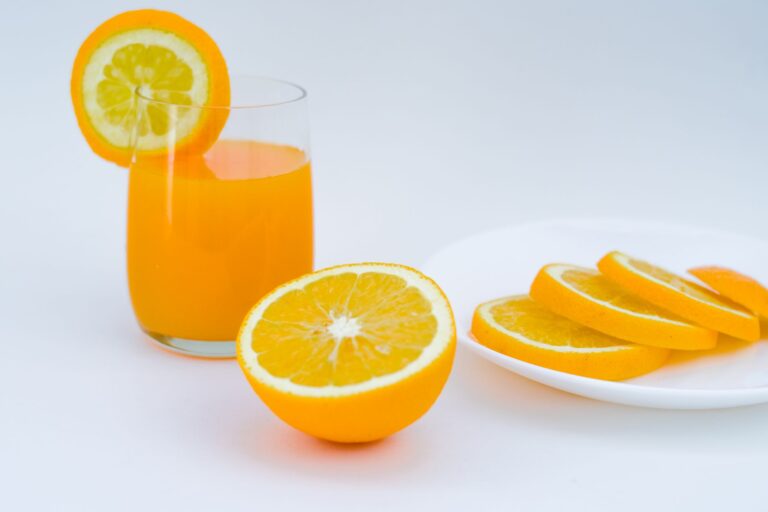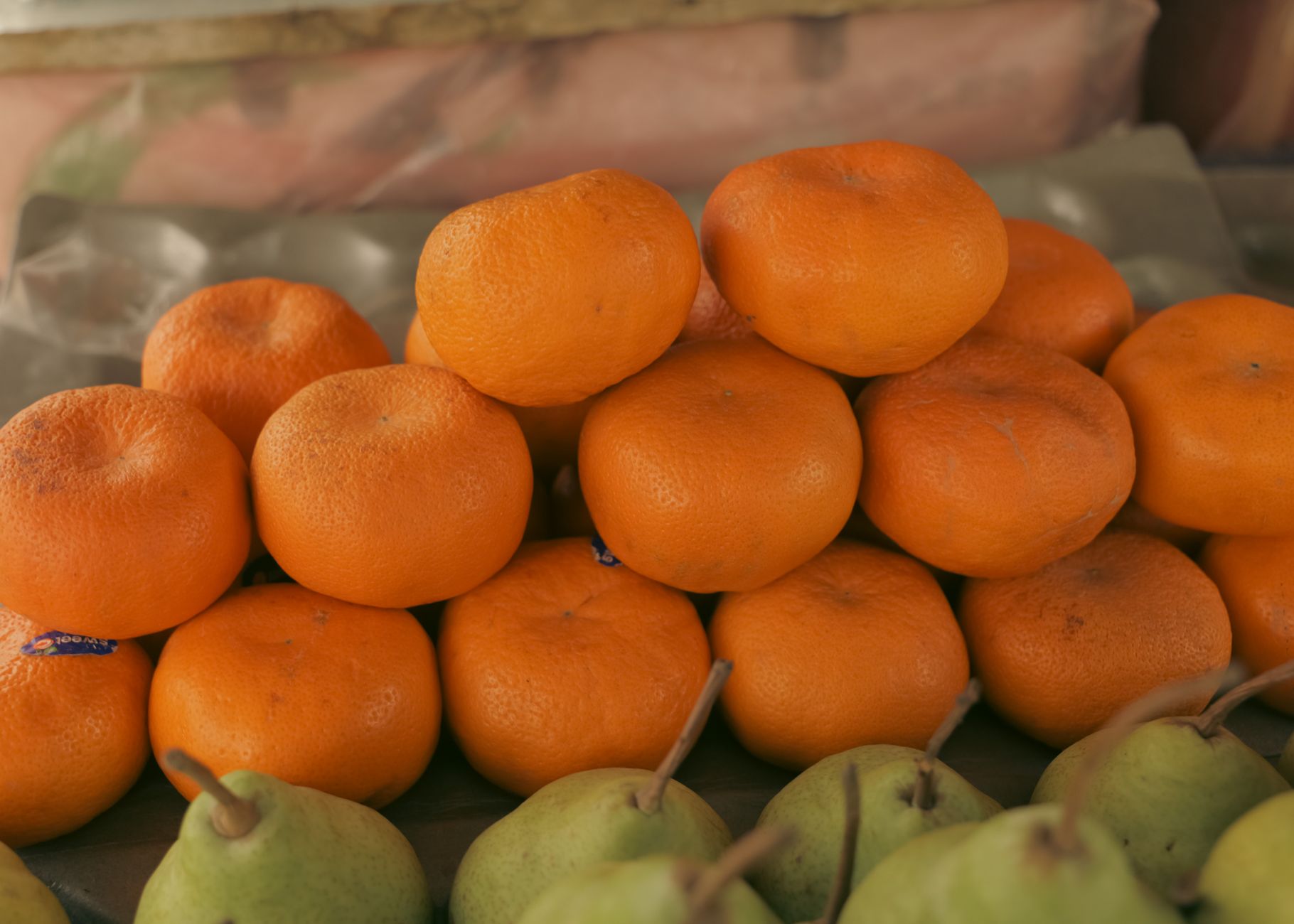

Oranges are a round citrus fruit from the tree Citrus sinensis, eaten as segments, squeezed into juice, and zested for their tangy oils. A single medium fruit delivers 60 to 65 calories, about 70 mg of vitamin C (more than the adult daily target), roughly 3 g of soluble fiber, and meaningful amounts of folate, potassium, and thiamine. That mix of low energy density, high water content, and a specific blend of bioactives is what sets it apart from fruit that simply tastes sweet.
This article explains the nutrition, evidence-backed benefits, and potential downsides of oranges, then walks through selecting and storing them to lock in flavor and vitamin C.
The Nutritional Foundation of a Medium Orange
A medium orange weighs about 130 g, close to a half cup of peeled segments. That single fruit carries roughly 15 g of carbohydrate, 1 g of protein, and almost no fat, with the rest of its weight made up of water and a thin peel. The numbers below come from USDA FoodData Central, the reference used in clinical and public-health work.
Macronutrients, Fiber, and Water
Most of the carbohydrate is natural sugar (about 12 g of sucrose, glucose, and fructose), but the way that sugar sits inside the fruit changes how your body handles it. Roughly 3 g per fruit come from pectin, a soluble fiber that forms a gel during digestion. Pectin slows stomach emptying and sugar absorption, which is why a whole orange does not hit your blood glucose the way a glass of juice does.
Water makes up about 87% of an orange’s weight, putting it in the same high-hydration tier as strawberries and watermelon. Pair that water with pectin and a small protein load, and you have a food that fills the stomach on few calories, the classic profile for supporting weight maintenance without strict portioning.
Key Vitamins, Minerals, and the Bioactives Most Articles Skip
The headline micronutrient is vitamin C (ascorbic acid), with about 70 mg per medium fruit. One serving covers more than the 90 mg daily target for men and 75 mg for women, and it is hard to overshoot the upper limit from food alone. Folate, potassium, and thiamine show up in smaller but useful amounts, which is why oranges appear in dietary guidance for blood pressure and pregnancy nutrition.
Three bioactives deserve more attention than they usually get. Hesperidin, a flavonoid concentrated in the white pith and peel, has been tied to improved blood vessel function in controlled trials. Beta-cryptoxanthin, a carotenoid that gives the flesh its orange tint, converts to vitamin A in the body. Limonene, a terpene found mostly in the peel oils, has been studied for its anti-inflammatory properties in cell and animal models. None of these behave like generic antioxidant claims, and they explain why orange peel and zest are not just flavoring.
| Nutrient (per medium orange, ~130 g) | Amount | Daily Value (adult) |
|---|---|---|
| Calories | 60–65 kcal | ~3% |
| Carbohydrate | 15 g | ~5% |
| Dietary fiber (mostly pectin) | 3 g | ~11% |
| Vitamin C (ascorbic acid) | 70 mg | ~78% |
| Folate (B9) | 40 mcg | ~10% |
| Potassium | 237 mg | ~5% |
| Thiamine (B1) | 0.1 mg | ~8% |
How Oranges Support Immunity, Heart Health, and Beyond
Citrus fruits have a long-standing reputation for keeping the immune system sharp, and the strongest evidence points to a small but real reduction in cold duration rather than outright prevention. A review of 29 randomized trials found that regular vitamin C intake did not lower the odds of catching a cold in the general population, but it shortened symptoms by about 8% in adults and 14% in children. Under heavy physical stress (marathoners, soldiers in subarctic training), the reduction reached roughly 50%, a finding that fits with separate work on physical-stress cohorts.
Immune Function, White Blood Cells, and Antioxidant Defense
Vitamin C concentrates in white blood cells, where it supports neutrophils and lymphocytes, the cells that identify and clear infections. It also helps recycle other antioxidants, including vitamin E, and supports the collagen that holds skin and mucous membranes together, your first line of defense against airborne pathogens. None of that turns an orange into a medicine, but it explains why deficiency states like scurvy and severe malnourishment are tied to poor wound healing and infection risk.
Blood Pressure, Cholesterol, and Vascular Health
Here the combination matters more than vitamin C alone. Hesperidin has been shown in randomized trials to reduce systolic blood pressure by roughly 3 to 5 mmHg in people with mild hypertension, and to lower LDL cholesterol in some studies by 5 to 7%. The potassium contribution (about 237 mg per fruit) supports the same goal through a different pathway, by counteracting the blood-pressure-raising effect of sodium.
The flavonoid hesperidin and the potassium in a single orange work on different parts of the vascular system, which is why the whole-fruit effect is more reliable than the effect of either compound in isolation.
Skin, weight management, and inflammation are areas where evidence is thinner. Observational studies link regular citrus intake to lower markers of systemic inflammation and to a modest reduction in weight gain over time, but the data does not yet support strong causal claims. Treat those effects as plausible bonuses, not as reasons to load up on juice.
Whole Fruit Versus Juice: A Head-to-Head Nutrient Comparison
The biggest practical decision you make with oranges is whether to eat them whole or drink them. The form changes the fiber, the glycemic load, and how much vitamin C survives the trip from fruit to glass.
Fiber, Sugar, and Satiety
A medium whole orange delivers about 3 g of pectin along with its 12 g of sugar, and the chewing time plus water content makes it physically filling. A 12-ounce glass of freshly squeezed juice from three or four oranges strips that fiber out and concentrates the sugar into roughly 35 g, with no mechanical bulk to signal fullness. Commercial juice goes further, often removing oxygen-sensitive compounds during pasteurization to extend shelf life.
Glycemic index tells a similar story. Whole oranges sit in the low-to-medium GI range (around 40 to 50), while orange juice is closer to 50 to 65, similar to a soft drink. The pectin and the intact cell walls are the reason, because they slow how fast glucose hits your bloodstream.
Vitamin C, Flavonoids, and What Processing Takes
Vitamin C is fragile. It degrades with heat, oxygen, and time, so the longer juice sits in a carton (or on your counter), the less ascorbic acid it carries. Commercial pasteurization can cut vitamin C content by 15 to 25%, and storage for a month at room temperature can drop it further. Hesperidin is more stable than vitamin C, but the peel and pith where it concentrates are usually discarded before juicing, so the resulting drink is lower in flavonoids than the fruit it came from.
| Per ~8 oz serving | Whole orange (~2 medium) | Freshly squeezed juice | Commercial juice |
|---|---|---|---|
| Calories | 120–130 | 110–120 | 110–130 |
| Sugar | ~24 g (in intact cells) | ~22 g (free in liquid) | ~22 g (free in liquid) |
| Fiber | ~6 g | <1 g | <1 g (often 0 g) |
| Glycemic index | ~40–50 | ~50–60 | ~50–65 |
| Vitamin C retention | ~100% at consumption | ~80–90% (drinks fast) | ~60–85% (pasteurized, stored) |
| Hesperidin content | High (pith + flesh) | Moderate | Low to moderate |
The calorie-density trap is simple. Drink the same calories in juice form and your stomach registers far less fullness, which is one of the reasons sugar-sweetened beverages, including 100% fruit juice, are tied to weight gain in long-term cohort studies. Eat those calories in whole-fruit form and the fiber plus water does the work that liquid sugar cannot.
Side Effects, Interactions, and When to Limit Intake
it are safe for most adults at typical servings, but the phrase “too many” deserves a real number, not a vague “eat in moderation.” The risks that matter are concentrated in three areas: acid and sugar load, specific drug interactions, and dental enamel erosion.
How Many Is Too Many
Vitamin C has a tolerable upper intake level of 2,000 mg per day for adults, set to prevent the diarrhea and kidney-stone risk that show up at chronic megadoses. Four large it in a day would still leave you under 300 mg, so toxicity from fruit alone is rare. The practical ceiling is set by sugar and acid instead. Six to eight medium it can push 90 to 100 g of natural sugar and a meaningful acid load, enough to bother reflux or glycemic control in sensitive people.
Potassium is rarely a problem from it alone, but people on potassium-sparing diuretics or with advanced kidney disease should track total fruit intake, because potassium from food can accumulate alongside medication-driven retention.
Acid Reflux, GERD, and Dental Enamel
Citric acid is the most aggressive common food acid for tooth enamel, and it sit at the high end. Rinsing with water after eating and waiting at least 30 minutes before brushing helps, because the enamel surface is softened right after acid exposure. For people with GERD or frequent reflux, the combination of acid and a large volume of food in one sitting can trigger symptoms, and switching to lower-acid fruit (bananas, melons, pears) is often a better move than chasing vitamin C in citrus form.
Medication and Citrus Flavonoid Interactions
Two interaction classes matter. Statins metabolized by the CYP3A4 pathway (atorvastatin, lovastatin, simvastatin) can be affected by compounds in grapefruit and, to a lesser extent, Seville it, but the effect is far weaker with common sweet it. Some antibiotics (notably certain fluoroquinolones) and the antihistamine fexofenadine can have their absorption altered by citrus flavonoids, a known effect worth a conversation with a pharmacist. If you take any chronic medication, ask before stacking large amounts of citrus into your daily routine.
| Risk | Threshold or trigger | Action to consider |
|---|---|---|
| Vitamin C GI upset | >1,000 mg/day from supplements | Stay under 2,000 mg total per day |
| Sugar load | >6 medium it/day | Cap at 1–2 servings; pair with protein or fat |
| Acid reflux | Large citrus meal + lying down | Eat earlier; switch to low-acid fruit if symptoms persist |
| Enamel erosion | Slow sipping or grazing citrus | Rinse with water; wait 30 min before brushing |
| Statin or antibiotic interaction | Daily grapefruit or Seville orange, not common sweet orange | Ask the prescribing clinician or pharmacist |
Allergy to it is uncommon but real, usually appearing as oral itching or, in severe cases, anaphylaxis. People with known citrus allergies should treat whole it the same way they would treat any trigger food.
Smart Selection and Storage to Preserve Nutrients
The biggest drop in vitamin C happens after harvest, not in your kitchen, but the second biggest happens at your counter. Choosing well and storing cool can keep most of the ascorbic acid intact for two to three weeks.
Buying, Ripening, and Refrigeration
Pick fruit that feels heavy for its size, since the weight reflects water and juice content. Smooth, firm skin with no soft spots is the goal, and color is a weaker signal than weight because navel and Valencia varieties can be ripe while still showing green patches. Once home, refrigerate. Whole it lose vitamin C faster at room temperature than in the fridge, and a cool drawer can hold the line for up to a month.
Forms Ranked by Nutrient Retention
Raw segments, eaten with their natural pectin, are the gold standard. Zest ranks next, because the peel concentrates hesperidin, limonene, and beta-cryptoxanthin at levels several times higher than the flesh, and a teaspoon of fresh zest adds meaningful bioactive load with negligible sugar. Freshly squeezed juice you drink within an hour keeps most of its vitamin C; commercial juice, already pasteurized and stored, retains less.
Cooked preparations (marmalade, glazes, sauces) lose vitamin C with heat but keep pectin, potassium, and many of the flavonoids, which is why a long-simmered orange peel jam is still a reasonable source of plant compounds, even if the vitamin C has dropped by half.
Practical Ways to Use Oranges in Everyday Meals
How you slice an orange matters as much as whether you buy one. Matching form to goal is the simplest rule: eat the segments for fiber and full vitamin C, grate the zest for concentrated bioactives, and reserve juice for the times when convenience matters more than glycemic control.
Portion Sizing Made Simple
One medium orange, or about 3/4 cup of peeled segments, is the baseline serving used in most dietary guidance. That single serving delivers the full vitamin C benefit with roughly 60 calories and 3 g of fiber, a profile hard to beat in the produce aisle. If you are managing blood sugar, treat two servings at once as the practical ceiling and pair them with a source of protein or healthy fat (Greek yogurt, nuts, cheese, avocado) to slow glucose absorption.
Pairings That Improve Nutrient Uptake
Fat-soluble carotenoids like beta-cryptoxanthin absorb better with a little fat in the same meal, so an orange-and-avocado salad, citrus with a handful of almonds, or orange segments over Greek yogurt all work on the same principle. Iron from plant sources also absorbs better with vitamin C in the mix, which is one reason citrus turns up in Mediterranean and Latin American cooking alongside beans and greens.
- Snack baseline: One medium orange with a small handful of nuts for steady energy and slower sugar release.
- Salad lift: Segments + avocado + arugula + olive oil, where the fat carries the carotenoids and softens the acid.
- Zest boost: Add fresh zest to oatmeal, yogurt, roasted vegetables, or grain bowls for a hit of hesperidin and limonene.
- Marinade base: Combine juice with olive oil, garlic, and herbs for poultry or fish, because the acid tenderizes and the flavonoids survive short cooking.
- Iron pairing: Serve orange segments alongside lentils, chickpeas, or spinach to lift non-heme iron absorption.
The Big Picture
it earn their place on a daily menu through a specific combination, not a single miracle nutrient. Vitamin C covers immune and skin support, pectin handles blood sugar and satiety, hesperidin and potassium look after blood pressure, and the lesser-known carotenoids and terpenes add an anti-inflammatory floor. The form matters more than the brand: whole fruit over juice, fresh over stored, and zest or peel whenever a recipe allows. Treat the upper limit as roughly two to three medium it a day, stay alert to acid reflux and enamel wear, and you have a simple, evidence-based way to put one of the most studied fruits in the world to work.
FAQ
How many oranges should you eat per day?
One to two medium it per day is a reasonable target for most adults, giving you around 140 mg of vitamin C, 6 g of fiber, and under 150 calories. If you have GERD, diabetes, or chronic medication use, stay at the lower end and pair the fruit with protein or fat.
Can oranges cause acid reflux or other side effects?
Yes, the citric acid in it can trigger reflux in sensitive people and can soften dental enamel if you graze slowly. Rinse with water after eating, wait 30 minutes before brushing, and switch to lower-acid fruit if symptoms persist.
Is it healthier to eat oranges or drink orange juice?
Whole fruit wins on fiber, satiety, and glycemic impact. Juice concentrates the sugar, strips most of the pectin, and loses vitamin C to pasteurization and storage, so even 100% juice is closer to a sweetened beverage than to the fruit it came from.
What vitamins and minerals do oranges contain?
A medium orange provides vitamin C (about 70 mg), folate (40 mcg), potassium (237 mg), thiamine (0.1 mg), and smaller amounts of calcium, magnesium, and vitamin A precursors. The peel and pith add hesperidin, beta-cryptoxanthin, and limonene.
Do oranges raise blood sugar levels?
Whole it have a low to medium glycemic index (around 40 to 50) because pectin slows absorption, while orange juice ranks higher and acts more like a soft drink. People managing blood sugar should eat the fruit whole and pair it with protein or healthy fat.