
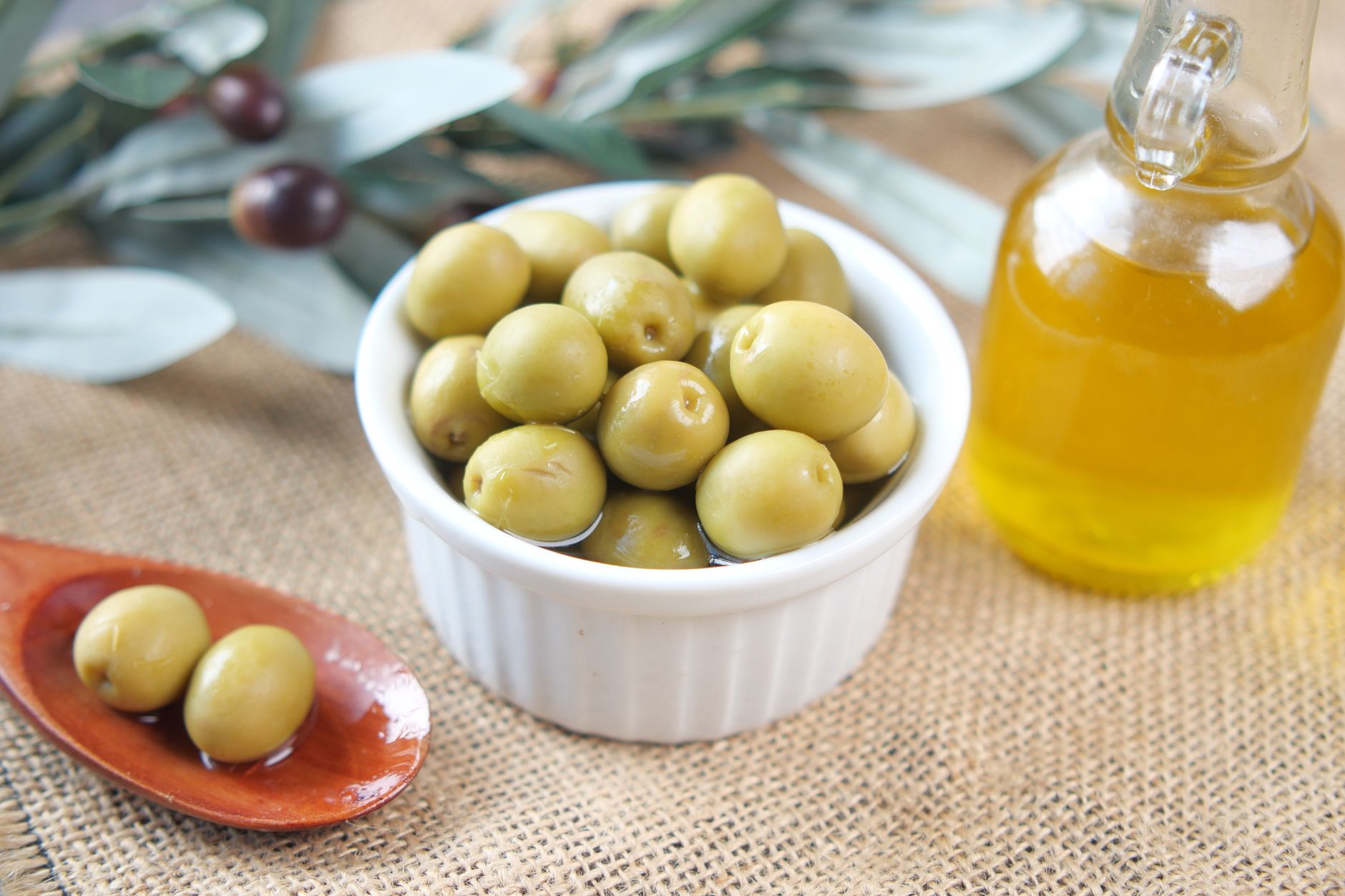

Olives are the cured, brined, or oil-packed fruit of the olive tree (Olea europaea), and they earn a regular spot in a Mediterranean-style diet because they deliver monounsaturated fat, polyphenols like hydroxytyrosol, vitamin E, and small amounts of iron in a portion that fits a snack, a salad, or a tapenade. A daily handful, around 7 to 10 medium it, usually lands inside the sodium window most healthy adults can handle while still moving meaningful plant compounds through the body. The same compounds in olive oil get most of the press, yet the whole fruit keeps the fiber and a few water-soluble nutrients that pressing strips away.
Below, the whole fruit gets the attention it rarely gets, from the curing process to sodium realities, so the jar you pick up at the store actually matches the meal you planned.
What Olives Actually Are and Why the Whole Fruit Differs from Olive Oil
Every olive on a shelf started as a bitter, inedible drupe picked from a Mediterranean tree. Growers harvest at different ripeness stages, green to fully black, because the stage drives both flavor and how the fruit responds to curing. Without processing, a raw olive contains oleuropein at concentrations high enough to taste sharply bitter and irritate the stomach, so curing exists to make the fruit edible while keeping most of what makes it worth eating.
From Bitter Drupe to Jar: The Curing Process
Three curing paths dominate commercial production. A water-cured or brine-cured olive ferments in salt water for months, which slowly leaches bitterness and builds complex flavor through natural lactobacillus activity. A lye-treated olive, the type most common in the canned black-ripe California style, soaks in sodium hydroxide to strip bitterness in days, then sits in iron-fortified brine that gives canned ripe olives their characteristic uniform black color and added iron content. An oil-cured olive dry-salt-cures and ends up wrinkled, dense, and packed in oil rather than brine, a method that concentrates flavor but pushes calories higher.
The curing choice changes the final jar more than the original fruit. Lye-treated olives carry more added iron, lower polyphenol density, and a softer texture. Naturally cured varieties like Kalamata keep more of the original hydroxytyrosol and oleuropein, the two polyphenols most often linked to cardiovascular benefit, but they also tend to carry more sodium because salt is the lever that drives fermentation.
Why the Whole-Food Matrix Matters
Press olives into oil and the fat-soluble compounds survive, while the fiber, the water-soluble polyphenols, and the small amounts of iron and calcium held in the fruit flesh disappear with the pulp. That difference is one of the most practical things to know about this food: olive oil and whole it are complements, not substitutes. A spoonful of extra virgin olive oil on a salad and a handful of Kalamata on top of the same plate deliver overlapping but non-identical nutrients, and your gut responds to fiber in a way oil cannot replicate.
The Nutrient Profile of Olives Broken Down by Variety and Processing
A standard serving of five medium olives weighs around 15 to 20 grams and lands at roughly 25 to 35 calories, with most of those calories coming from monounsaturated fat. Sodium is the headline number for almost every variety, and it varies dramatically by style, from around 110 mg per serving in a low-sodium Manzanilla to more than 400 mg in a heavily brined Kalamata.
How Popular Varieties Compare on the Label
| Variety | Typical Sodium (per 5 olives) | Fat (g) | Texture and Flavor |
|---|---|---|---|
| Kalamata (brine-cured) | 300–400 mg | 3–4 | Firm, fruity, wine-vinegar tang |
| Castelvetrano (brine-cured) | 200–300 mg | 3–4 | Buttery, mild, bright green |
| Manzanilla (brine or lye-cured) | 110–250 mg | 2–3 | Briny, crisp, often stuffed |
| Arbequina (oil-cured or brine) | 200–350 mg | 3–4 | Small, meaty, nutty |
| California black ripe (lye-cured) | 300–450 mg | 2–3 | Soft, uniform, often canned |
Castelvetrano and Manzanilla trend lower on sodium, partly because producers often use a milder brine and partly because the olives themselves are smaller and denser, so a serving absorbs less salt per gram. The California-style black ripe olive is the outlier on iron: a single serving can deliver 5 to 10 percent of daily iron needs because the lye-treated flesh binds iron added during processing, a quirk of canning, not the fruit itself.
What Processing Style Changes in the Jar
Lye-treated it lose more polyphenols during the chemical soak, so the “antioxidant olive” claim weakens whenever a producer leans on lye for speed. Naturally cured varieties retain more hydroxytyrosol, the metabolite most often studied for vascular benefit, and oil-cured varieties concentrate fat-soluble compounds by losing water. Storage liquid also matters: brine-packed it sit in a salt solution that pulls moisture out of the fruit, while oil-packed it trade some of that moisture for a denser calorie load and a richer mouthfeel.
That sodium-versus-oil trade-off also shapes how olives behave once they’re in your body, which is where the research starts to get interesting.
What the Evidence Really Says About Olive Health Benefits
The strongest evidence for it, and the strongest evidence for olive oil, points to cardiovascular protection, blood-pressure moderation in salt-sensitive adults who keep portions controlled, and improvements in markers of inflammation tied to the Mediterranean dietary pattern. Bone density, cognitive aging, and metabolic markers carry weaker but consistent signals worth knowing about, especially for anyone already following a Mediterranean-style plate.
Cardiovascular and Anti-Inflammatory Signals
Oleic acid, the monounsaturated fat that makes up roughly 70 to 75 percent of olive fat, has been linked in observational research to lower LDL cholesterol oxidation, a key step in the early formation of arterial plaque. Hydroxytyrosol and oleuropein, the two polyphenols most concentrated in fresh and naturally cured it, show anti-inflammatory activity in cell and animal models. The European Food Safety Authority has accepted a health claim that olive polyphenols contribute to the protection of blood lipids from oxidative stress when 5 mg of hydroxytyrosol and its derivatives are consumed daily, a threshold that lands inside roughly 7 to 10 medium Kalamata it, a useful benchmark when you size a portion.
Tip: When you want the polyphenol payoff specifically, choose naturally cured, brine-packed varieties with shorter ingredient lists, and aim for a daily handful rather than a token garnish.
Bone, Cognition, and Metabolic Markers
Observational studies within Mediterranean cohorts have linked higher olive consumption to modestly better bone-mineral density in older adults, though the evidence is far from settled. Cognitive decline appears to slow in dietary patterns rich in olive products, but isolating the olive from the rest of the diet is genuinely hard, so treat the cognitive signal as supportive rather than proven. The metabolic story is cleaner: whole it, with their fiber, fat, and polyphenols together, produce a flatter post-meal blood-sugar response than refined-carb snacks, which makes them a smart swap on a snack plate for anyone watching glucose.
Those glucose benefits, though, come with a catch for certain people who need to watch sodium or fat more closely.
Side Effects, Sodium Risks, and Who Should Eat Olives with Caution
Most healthy adults can eat it daily without issue, but the sodium load is the single most important reason to mind portions. A 15-olive serving of a heavily brined variety can deliver 25 percent of the daily sodium limit in one sitting, and that is before the rest of the meal.
Sodium, Blood Pressure, and Renal Considerations
Anyone on a strict low-sodium diet, anyone with reduced kidney function, and anyone whose doctor has flagged salt-sensitive hypertension should treat it the way they treat any other salty condiment: count them as a sodium source, not a free food. Canned black ripe it tend to sit at the top of the sodium range because the lye and iron-brine steps pull more salt into the flesh. Rinsing it under cold running water for 30 to 60 seconds before eating can cut surface sodium by roughly 10 to 20 percent, and soaking them in fresh water for 10 to 15 minutes pulls more out, though it also softens texture and dilutes flavor.
Histamine, Oxalates, and Allergic Reactions
Fermented and aged it can carry histamine levels high enough to trigger headaches or flushing in people sensitive to aged, fermented foods, particularly those with a known histamine intolerance. Oxalates are present at low to moderate levels, which usually does not matter, but anyone managing calcium-oxalate kidney stones should keep portions modest. True olive allergies are rare but reported, and they often show up as oral itching or swelling in people with broader tree-pollen sensitivities, since olive pollen cross-reacts with several common allergens.
Knowing who reacts badly makes it easier to pick the right variety and prep style from the shelf.
Choosing, Storing, and Pairing Olives in Everyday Cooking
A short label check at the store sets the tone for everything that follows. Most of the upside in this food is in the curing, the storage liquid, and the ingredient list, not the brand.
What to Look for on the Label
- Short ingredient list: it, water, salt, maybe vinegar or a little olive oil. Anything longer usually signals stabilizers or preservatives you do not need.
- Country of origin: Greece, Italy, Spain, and Portugal produce most of the world’s naturally cured varieties. California-style ripe it come from the United States.
- Brine type: salt-water brine beats oil-packed for portion control; oil-packed delivers more calories per olive but a richer mouthfeel.
- Added iron or ferrous gluconate: common in canned black ripe it, harmless, but worth knowing if you track iron intake.
- Best-by date and storage: refrigerated, water-brine it keep longest; oil-packed and opened jars usually last 2 to 3 weeks refrigerated.
Smart Swaps and Quick Uses
it function as a flavor vehicle that can replace salt-heavy condiments, which is a quiet win for anyone trying to cut sodium without losing taste. A spoonful of chopped Kalamata folded into a tuna salad brings salt, fat, and umami at once, often letting you skip added salt and mayo. Castelvetrano halves scattered over a grain bowl add richness without dominating other ingredients. Tapenade, blended it with a little olive oil, lemon, and sometimes capers, doubles as a sandwich spread, a pasta sauce starter, or a dipper for vegetables. Even a few sliced Manzanilla rings on a pizza can replace a saltier cured meat without losing the savory note.
Storage and Spoilage Signs
Unopened brine-packed it keep on the shelf for one to two years past the packing date, but once opened, they want the fridge and a tight lid, and they stay good for about two to three months as long as they stay submerged in brine. Oil-packed it go rancid faster because the oil oxidizes; plan to finish an opened jar within two to three weeks. Cloudy brine, a yeasty or fermented off-smell, or any visible mold means the jar is done. A thin layer of olive oil floating on top of a brine is harmless and even traditional in some Mediterranean styles.
Whole Olives Versus Olive Oil: When Each One Earns Its Place
Pressing it into oil strips away everything that is not fat-soluble, which means fiber, water-soluble polyphenols, and the physical matrix that slows digestion all leave the jar. The fat-soluble compounds, oleic acid, vitamin E, and the more stable polyphenols, mostly survive pressing and concentrate. So the comparison is less about which is healthier and more about which job each one does at a given meal.
When Whole Olives Win
Snacks, salad toppings, pizza finishes, and any moment when satiety matters benefit from the whole fruit, because the fiber and the chewing required to break it down send stronger fullness signals to the brain than oil alone. Whole it also fit a low-glycemic snack better than bread dipped in oil, since the fat arrives already bound to fiber rather than free. For anyone tracking polyphenols specifically, the whole-fruit hydroxytyrosol number edges out refined oil, though extra virgin olive oil closes much of the gap.
When Olive Oil Is the Better Tool
High-heat cooking, dressings that need to coat evenly, and any recipe where you want fat as a vehicle for fat-soluble flavor compounds (like garlic, chili, or herbs infused into oil) all favor olive oil. A tablespoon of extra virgin olive oil also delivers a more concentrated dose of polyphenols per calorie than the same calorie count in whole it, which makes it a smarter choice when total calories matter more than volume.
A Practical Daily Default
For most healthy adults, a daily handful of 7 to 10 medium it paired with a tablespoon or two of extra virgin olive oil across meals covers the polyphenol and monounsaturated-fat bases without overshooting sodium. Pick a naturally cured variety for the polyphenols, count it as a sodium source on the day’s tally, and let the rest of the meal be low-salt to keep the balance.
Bottom Line
Whole it are a Mediterranean-diet staple for good reason: they pack monounsaturated fat, polyphenols, vitamin E, and small amounts of iron and fiber into a portion that genuinely satisfies. The trade-off is sodium, which can climb fast in brine-heavy varieties, and the key is choosing a naturally cured style, watching portions, and pairing the fruit with extra virgin olive oil rather than treating the two as interchangeable.
FAQ
How many olives should you eat per day?
Most healthy adults do well with about 7 to 10 medium it a day, which delivers meaningful polyphenols and stays inside a manageable sodium range for the rest of the meal. Larger or heavily brined varieties can drop the target to 4 or 5.
Are olives high in sodium?
Most brined varieties are. A 5-olive serving of Kalamata or California black ripe can deliver 300 to 450 mg of sodium, which is why rinsing, soaking, and portion control matter for anyone watching salt intake.
What is the healthiest type of olive?
Naturally cured, brine-packed varieties like Kalamata and Castelvetrano keep more polyphenols than lye-treated canned ripe it, and they tend to use simpler ingredient lists. Pair them with extra virgin olive oil for the broadest nutrient coverage.
Do olives help with weight loss?
Whole it score well on satiety because fat and fiber arrive together, and a small handful often satisfies a snack craving that chips or crackers would not. The calories add up, though, so portions still matter.
Can you eat olives on a low-sodium diet?
Yes, with planning. Choose low-sodium canned varieties, rinse and soak the it before eating, count them as a sodium source on your daily total, and keep the rest of the day’s meals lower in salt.
Are olives better than olive oil?
Each does something the other cannot. Whole it deliver fiber and water-soluble polyphenols that pressing strips away, while olive oil concentrates fat-soluble compounds and works better in cooking. The strongest Mediterranean-diet pattern uses both.