You want zinc that fits your routine, not a capsule you keep forgetting in the cabinet. Some people want a simple single-mineral formula, others need a broader blend, and a few are actually shopping for raw ingredients rather than a supplement at all.
This roundup keeps those use cases separate so you can match the form to the job. You’ll see chelated capsules, picolinate softgels, citrate, a liquid multi-mineral drop, and even zinc oxide powder for formulation work.
The Shortlist At A Glance

THORNE Zinc Bisglycinate 30 mg, 60 Capsules

PAYAOCZ 10 In 1 Liquid Mineral Drops 2-Pack

Nordic Naturals Zinc Glycinate 20 mg, 60 Count
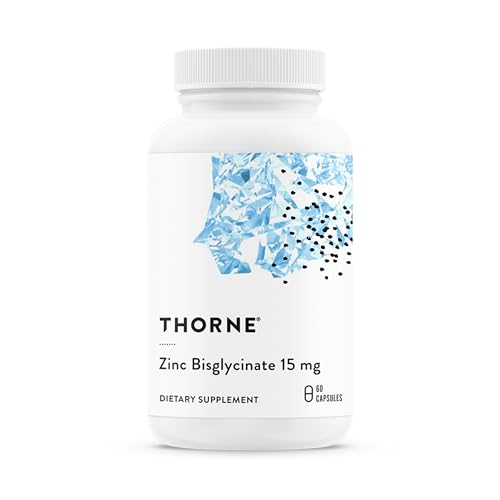
THORNE Zinc Bisglycinate 15 mg, 60 Capsules

THORNE Trace Minerals, 90 Capsules

MB Herbals Zinc Oxide Powder 8 oz

21st Century Zinc 50 mg Chelated Tablets, 110 Count

Micro Ingredients Zinc Picolinate 100 mg, 300 Softgels

Pure Encapsulations UltraZin Zinc, 90 Capsules

Vital Nutrients Zinc Citrate 30 mg, 90 Capsules
More Details On Our Top Picks
For someone who wants a plain zinc capsule without a lot of extra ingredients, this one keeps the focus tight. Zinc bisglycinate means zinc is paired with glycine, an amino acid that helps create a chelated form, and that usually matters to shoppers who prefer a gentler, well-absorbed option.
The 30 mg dose sits in the stronger single-mineral range, so it makes sense for people who want fewer capsules with a more direct routine. That higher dose can be more than you need for everyday maintenance, so the honest read is that this suits a more deliberate supplement plan than a casual pantry bottle.
Strong Points
- Bisglycinate form gives you a chelated zinc option that many people seek for absorption-focused routines.
- 30 mg per capsule keeps the serving simple and reduces the need to stack multiple tablets.
- The formula stays focused on zinc, which helps avoid the clutter of a multi-nutrient blend.
- Third-party certification adds useful confidence for shoppers who care about label accuracy and contaminant screening.
Points To Note
- Thirty milligrams is a fairly firm dose, so it may be more than you want for light daily use.
- Capsules are not the easiest choice for anyone who prefers liquids or tablets.
- Because it is a single-mineral formula, you still need separate products for vitamin C, magnesium, or vitamin D.
Feature Snapshot
Who It Suits Best
People who want a focused zinc-only capsule and prefer a stronger daily amount will get the most from it.
Where A Sibling Pick Shines
THORNE Zinc Bisglycinate 15 mg suits you better if you want the same brand and form in a lighter daily dose.
Liquid mineral blends make sense for anyone who dislikes swallowing capsules, and this one leans hard into that convenience. It combines calcium, magnesium, zinc, vitamins C, D3, K2, and B6, plus extras like L-theanine, boron, and sea moss extract, so the trade-off is obvious: you get breadth, not a minimalist label.
The mild lemon flavor and direct liquid dosing are the practical advantages here, especially in a busy kitchen or for a travel bag that already carries too many pill bottles. One thing worth considering is that broad formulas can feel busy, so this suits people who want a single daily blend more than anyone hunting for isolated zinc.
What We Like
- The liquid format is easier to take than capsules for many people.
- A 2 ml daily serving gives you a straightforward routine with room to adjust dosing style.
- The mix covers several nutrients at once, which can simplify a crowded supplement shelf.
- You can take it straight or mix it into water, tea, coffee, or salad.
- The lemon flavor helps the liquid feel less like a chore.
Trade Offs
- It is not a pure zinc product, so zinc-focused shoppers may find the formula too broad.
- Liquid supplements need more attention to measuring and bottle handling than tablets do.
- The ingredient stack is dense enough that some people will prefer a simpler daily routine.
Core Details
Made For
People who want a multi-mineral liquid and prefer to avoid capsules will find the format especially approachable.
Not Your Match When
Nordic Naturals Zinc Glycinate 20mg is the cleaner fit for you if you want a simpler zinc-first capsule with fewer moving parts.
This pick sits in a sweet middle ground for anyone who wants a zinc glycinate capsule without pushing into a larger dose. Chelated zinc is zinc bound to another molecule, and that form is often chosen for comfort and absorption-focused routines.
The 20 mg serving is easier to fit into a normal supplement stack than the 30 mg Thorne capsule, and that difference matters for people who already take a multivitamin or magnesium at breakfast. You’ll also appreciate the cleaner profile here, especially if you prefer vegan, gluten-free, and dairy-free labeling without extra flavoring or color.
Highlights
- Twenty milligrams gives you a moderate zinc serving that feels easier to slot into daily use.
- The glycinate form supports an absorption-focused buying choice without adding a long ingredient list.
- Non-GMO, vegan, gluten-free, and dairy-free positioning helps narrow the field for ingredient-sensitive shoppers.
- No artificial colors or flavors keeps the formula plain and straightforward.
Worth Noting
- It does not carry the higher dose that some people want from a single zinc capsule.
- The bottle count is moderate, so heavy daily use means you will replace it more often than a larger supply.
- Shoppers wanting added nutrients will need a separate product, since this one stays zinc-focused.
At A Glance
The Right Fit
People who want a moderate zinc capsule with a clean label and no extra flavoring will feel at home with this one.
Swap It Out When
THORNE Zinc Bisglycinate 15 mg is the gentler choice if you want the same general form with a lighter daily amount.
Compared with the 30 mg Thorne bottle, this version keeps the same bisglycinate format but halves the dose, which can matter a lot for routine use. That makes it easier to fit into a morning stack without feeling overly heavy, especially for people who prefer a smaller zinc serving.
The third-party certification is a useful detail here, and so are the gluten-, dairy-, and soy-free claims for people who want a cleaner label. The honest read is that it suits steady use better than aggressive supplementation, and that restraint is part of its appeal.
Bright Spots
- The 15 mg amount is easier to fit into a conservative daily routine.
- Bisglycinate form keeps the mineral in a chelated format many shoppers look for.
- Third-party certification supports confidence in what’s inside the capsule.
- Gluten, dairy, and soy free labeling helps simplify ingredient-sensitive routines.
Softer Spots
- The lower dose may feel too light for anyone specifically seeking a stronger zinc serving.
- Capsules are still less flexible than a liquid for people who dislike swallowing pills.
- It stays focused on zinc, so broader mineral coverage requires another product.
Details At A Glance
Best Suited To
You fit this pick best if you want a smaller zinc dose and prefer to keep your supplement stack restrained.
Look Elsewhere When
Pure Encapsulations UltraZin Zinc suits you better if you want a more specialized absorption design and a premium-style formula.
This one moves beyond zinc alone, which is exactly why it belongs in a roundup about absorbed forms rather than only single-mineral capsules. It combines zinc with boron, selenium, chromium, and manganese, so you get a broader trace-mineral bottle for days when you want less juggling.
That broader scope is the trade-off, though, because anyone chasing a zinc-only routine may find the formula more complex than needed. For households that already know they want several trace minerals in one capsule, this is a tidy shelf solution with a clean, professional feel.
Upsides
- You get five trace minerals in one capsule set, which simplifies your routine.
- The chelated forms are aimed at better absorption than plain mineral salts.
- It can reduce the need to buy several separate trace-mineral products.
- Thorne’s focus on professional-grade positioning will appeal to people who like a serious supplement label.
Areas To Watch
- It is not a pure zinc product, so zinc-only shoppers may feel pulled in too many directions.
- The ingredient list is broader, which can make stacking it with other supplements harder to sort out.
- Capsules still require storage space and routine consistency.
Spec Overview
Whose Shelf It Belongs On
This fits people who want broader trace-mineral support and prefer a capsule instead of mixing several separate products.
A Better Fit Elsewhere
21st Century Zinc 50mg Chelated Tablets suit you better if you want a simpler zinc-first tablet with a stronger single-mineral focus.
This item is not a supplement, and that distinction matters right away. You’re looking at zinc oxide powder as a raw ingredient for your own formulations, so it belongs with DIY lotion and cream projects rather than capsule routines.
The uncoated, non-nano format will matter to formulation-minded shoppers who want ingredient control, while everyone else should treat it as a specialty material, not an everyday wellness product. Storage and handling are also more hands-on here, since powders need a tidy workspace and a bit of care when measuring.
Best Bits
- Raw powder format gives you direct control over formulation use.
- Uncoated and non-nano positioning suits DIY ingredient preferences.
- The 8 oz size works well for home projects without becoming overly bulky.
- It can fit sunscreen lotion or cream formulation work where zinc oxide is part of the recipe.
Room For Improvement
- This is an ingredient, not a ready-to-use supplement.
- Powder handling takes more care than capsules or softgels.
- There are no usage instructions because it is meant for your own formulations.
Feature Rundown
Built With In Mind
This belongs on the shelf of a formulator, crafter, or anyone building lotion and cream recipes from individual ingredients.
Skip It When
Vital Nutrients Zinc Citrate 30mg is the better match if you want a conventional capsule instead of a raw ingredient.
Tablets like this still have a place because they’re straightforward, familiar, and easy to stack with the rest of a basic routine. The 50 mg dose is noticeably stronger than the 15 mg and 20 mg options above, so it will appeal to people who want a more assertive zinc tablet without moving into a softgel or liquid format.
The chelated design suggests a better-absorbed route than a plain mineral tablet, though the trade-off is that a stronger dose can be more than some daily routines need. For households that want a simple bottle with a larger tablet count, this is a sensible middle path.
Reasons To Buy
- Fifty milligrams gives you a stronger single-tablet zinc serving.
- The chelated format is a useful fit for absorption-focused shoppers.
- 110 tablets provide a larger supply than many compact bottles.
- Tablets are easy to store and generally simple to include in a morning routine.
Minor Gripes
- The dose is fairly strong, so it may be more than you want for light use.
- Tablets are not as flexible as liquid drops for anyone who wants precise adjustment.
- People who dislike swallowing pills may prefer a softgel or liquid instead.
Quick Facts
Who Should Grab It
This fits people who want a high-potency tablet and do not mind a stronger daily zinc serving.
Where A Sibling Pick Shines
Nordic Naturals Zinc Glycinate 20mg is the more measured choice if you want a gentler capsule with a cleaner daily dose.
Softgels change the feel of a zinc routine right away, especially for people who prefer smooth swallowing and a more oil-based delivery. Zinc picolinate is a chelated form that pairs zinc with picolinic acid, and it’s often chosen by people who want an absorption-friendly mineral format in a large-count bottle.
The two-softgel serving provides 100 mg of elemental zinc per serving, which is a strong profile and makes this feel more specialized than the moderate-dose picks earlier in the list. The MCT oil base is a practical touch for daily use, though the honest read is that this is a lot of zinc for someone who only wants a light supplement habit.
Standout Traits
- Softgel format is easy to swallow for many people.
- Zinc picolinate is a chelated structure often chosen for absorption-focused use.
- 300 softgels create a long-running bottle for steady routines.
- MCT oil base adds a smooth delivery feel compared with dry tablets.
- Non-GMO positioning and third-party lab testing support label confidence.
Small Caveats
- The serving is strong, so it may feel excessive for light zinc routines.
- Two softgels per serving means more pill-taking than a single tablet.
- The large bottle is practical, but it does take more shelf space than a compact 60-count supply.
Core Details
Who Will Love This
You fit this pick best if you want a softgel format, a long supply, and a stronger zinc serving.
Another Choice May Suit
Vital Nutrients Zinc Citrate 30mg suits you better if you want a simpler, lower-dose capsule with less of a high-potency feel.
This one stands apart because the zinc is wrapped in a microencapsulation system, a delivery method that coats the mineral in a phospholipid layer to support solubility and absorption. That kind of design usually matters most to shoppers who care about the finer details of how a supplement is put together, not just the mineral count on the front label.
The formula also leans clean, with a free-from approach that leaves out common allergens, GMOs, and unnecessary extras. The trade-off is simple enough: you’re paying for a more engineered capsule, so it makes the most sense for people who appreciate a highly curated supplement stack.
Plus Points
- Microencapsulation is a specialized delivery approach that helps the mineral dissolve more readily.
- The formula is designed for people who want a premium-style zinc capsule.
- It fits well into routines that also avoid common allergens and extra additives.
- Zinc’s role in metabolism and immune support makes this a practical daily mineral choice.
Worth Noting
- The higher-end design may feel more detailed than some shoppers actually need.
- Capsules still require regular use, so the format rewards routine more than impulse.
- The cleaner ingredient style is useful, but it does not replace a broader multi-nutrient plan.
Feature Card
Perfect Match For
This suits you best if you want a zinc capsule with a more specialized delivery system and a clean ingredient profile.
Where Another Pick Suits Better
Nordic Naturals Zinc Glycinate 20mg is the easier pick if you want a more straightforward chelated capsule without the higher-end design extras.
Zinc citrate is a familiar middle-ground form, and that makes this bottle easy to understand for anyone who wants a straightforward zinc capsule. The 30 mg dose lands between the gentler 15 mg option and the heavier 50 mg tablet, so it has a practical balance that works for many everyday routines.
It’s also a vegan capsule with gluten-, dairy-, and soy-free positioning, which helps keep the formula simple for ingredient-conscious households. The trade-off is that it does not offer the extra engineering of the premium picks, but for many people that’s exactly the point.
Best Bits
- Zinc citrate gives you a familiar, straightforward mineral form.
- 30 mg is a practical middle dose for many daily routines.
- The vegan capsule format suits people who avoid animal-derived ingredients.
- Gluten, dairy, and soy free positioning helps keep the label tidy.
Areas To Watch
- It stays focused on zinc, so it will not replace a broader mineral formula.
- People who want a more specialized absorption design may prefer a chelated or microencapsulated option.
- Capsules can feel less flexible than liquid drops for precise personal routines.
Feature Rundown
Who Should Grab It
This is a good fit for you if you want a plain zinc citrate capsule in a moderate 30 mg dose.
Not Your Match When
Pure Encapsulations UltraZin Zinc is the better fit if you want a more advanced delivery system and a cleaner premium-style stack.
How To Choose The Right Absorbed Forms Of Zinc
Form Matters More Than Flashy Label Copy
Start with the zinc form itself, because that tells you a lot about the product’s intended use. Bisglycinate and glycinate are chelated forms, which means zinc is bound to another compound to create a more absorption-focused structure, while picolinate and citrate are other common choices that serve similar shoppers in different ways.
You do not need the most complicated formula just because it sounds advanced. A simple capsule can be the smarter move for daily maintenance, while a liquid or softgel can suit people who want easier swallowing or more flexible dosing.
Match The Dose To Your Routine
Dose matters as much as form. A 15 mg capsule fits a lighter routine, a 20 mg serving feels moderate, and 30 mg to 50 mg is a stronger single-mineral approach that may suit people who already know they want a firmer zinc serving.
Higher amounts are not automatically better, especially when you already take a multivitamin or another mineral blend. For most kitchens, offices, and travel bags, the bottle that fits your schedule is the one that gets used with less friction.
Decide Whether You Want Zinc Alone Or A Broader Blend
Some shoppers want zinc only, while others want calcium, magnesium, vitamin D3, K2, or trace minerals bundled together. That difference shapes the whole buying decision, because a focused zinc capsule is easier to stack, but a broader blend can reduce the number of separate bottles on your shelf.
The trade-off is clarity versus convenience. A multi-nutrient liquid like PAYAOCZ or a trace-mineral formula like THORNE Trace Minerals helps simplify your cabinet, while a single-mineral capsule gives you more control over what each serving contributes.
Check The Format You’ll Actually Use
Capsules and tablets are the easiest formats for many people, but softgels can feel smoother and liquids can be easier to take on a rushed morning. Powder belongs in a different conversation entirely, since it’s for DIY formulation work rather than a standard supplement habit.
That last point matters because the best absorbed form is still the wrong pick if it does not fit your daily routine. The right bottle should feel easy to keep using, not like another task on your list.
A Quick Reality Check
Mistakes Worth Dodging
Do not confuse a high dose with a better fit. A 50 mg tablet or a 100 mg softgel serving can be more than you need for a simple daily routine, especially when another supplement already covers some minerals.
Also watch the form itself. Zinc oxide powder is a raw ingredient for formulation work, not a ready-made supplement, so it belongs in a completely different shopping lane.
What The Higher Tier Buys
More expensive zinc products often pay for form, purity controls, or more specialized delivery systems. Microencapsulation, third-party lab checks, and clean-label standards add manufacturing steps, and those steps usually show up in the final formula.
That upgrade makes sense when you want a more curated supplement stack or you avoid common extras like artificial colors and unnecessary fillers. For a plain daily zinc habit, a simpler capsule can be enough.
Frequently Asked Questions
What Is The Most Absorbed Form Of Zinc?
Chealted forms like zinc bisglycinate, glycinate, and picolinate are common choices for absorption-focused shoppers. The best fit still depends on your dose target and whether you want a capsule, tablet, softgel, or liquid.
Is Zinc Citrate Better Than Zinc Glycinate?
Neither form is automatically better for everyone. Zinc glycinate is often chosen by shoppers who want a chelated capsule, while zinc citrate gives you a straightforward, familiar option at a similar daily use level.
Can You Take Zinc Every Day?
Many people use zinc as a daily supplement, but the dose and total supplement stack matter. A moderate serving is easier to fit into a routine than a very strong one, especially when you already take a multivitamin.
Why Do Some Zinc Products Include Other Minerals?
Some formulas bundle zinc with magnesium, calcium, or trace minerals to reduce the number of separate bottles you keep around. That can be convenient, though it gives you less control over each ingredient.
Is Zinc Oxide Powder The Same Thing As A Zinc Supplement?
No, zinc oxide powder is a raw ingredient used in formulations, not a finished capsule or tablet. It belongs with DIY projects such as lotion or cream making.
Final Thoughts
Your best zinc choice depends less on the label buzz and more on the way you actually live. A single-mineral capsule like THORNE Zinc Bisglycinate keeps things clean, a liquid like PAYAOCZ helps if pills annoy you, and a broader blend like THORNE Trace Minerals makes sense when you want fewer bottles to manage. For a simple daily routine, lean toward the format you’ll keep using without fuss. That’s usually the bottle that fits.