
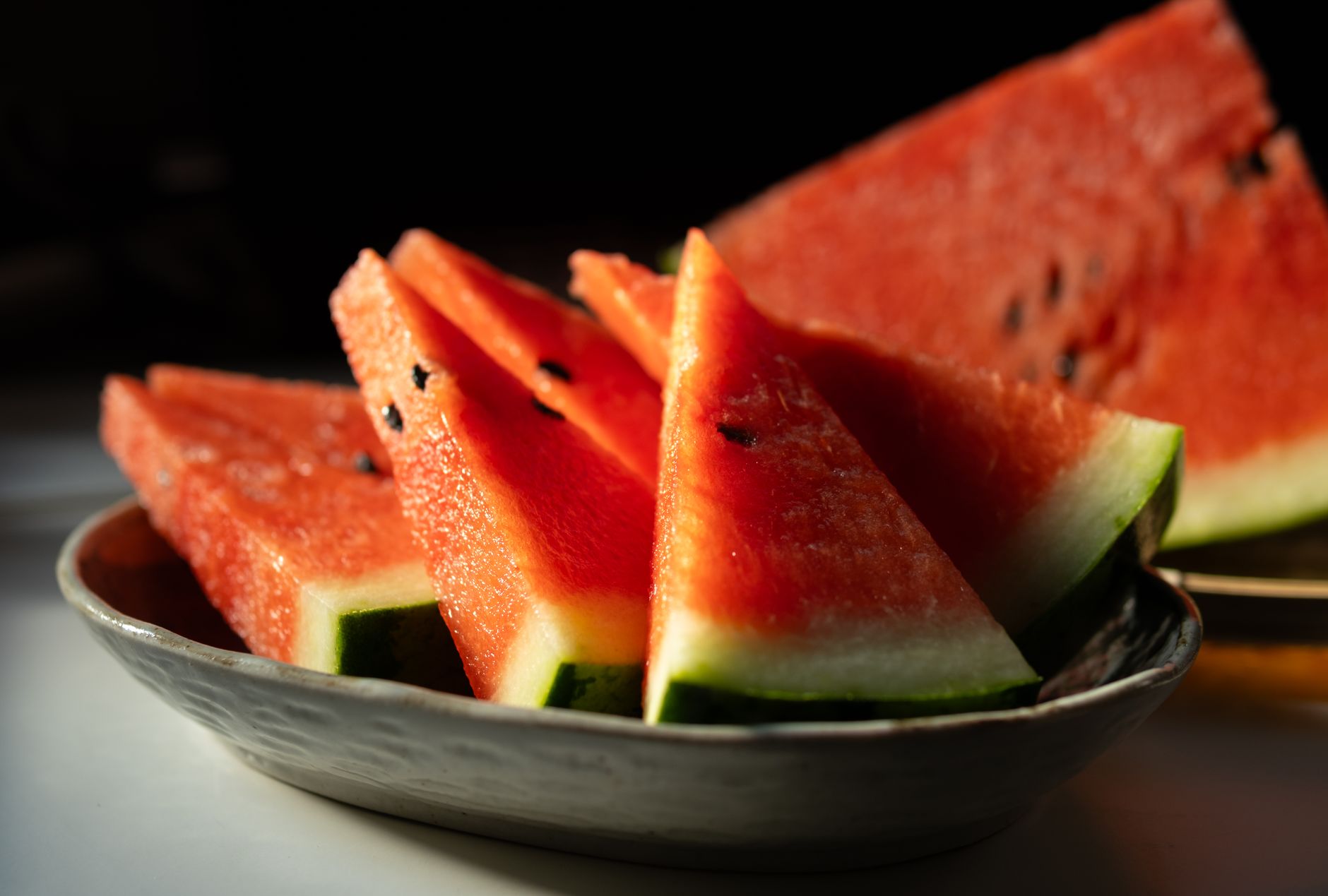

Most people spit them out, yet those small black seeds pack a dense nutritional profile worth a second look. Each dried seed carries around 7 grams of protein per ounce, plus magnesium, zinc, iron, and unsaturated fats that rival pumpkin and sunflower seeds. Roasted, sprouted, or ground into flour, the seeds of Citrullus lanatus quietly upgrade snacks, smoothies, and baked goods when prepared right.
The sections below cover why these overlooked seeds matter, the nutrients packed inside each one, what studies actually confirm about their health effects, and how to prep them for everyday snacks and meals.
Why Watermelon Seeds Deserve a Second Look
Most people treat the black seeds in watermelon as inedible grit, a habit reinforced by seedless varieties that quietly removed the question altogether. Long before seedless melons filled grocery aisles, communities from West Africa to China roasted, ground, and even fermented the seeds as a staple protein. The tradition persisted because the seed carries a denser nutritional load than the sweet flesh it sits inside.
Modern analysis has confirmed what traditional kitchens already knew. The same fruit prized for hydration and lycopene hides a kernel with protein, minerals, and amino acids worth roughly 600 calories per 100 grams when dried. The USDA FoodData Central database lists dried watermelon seeds at about 28 grams of protein per 100 grams, a figure that puts them in the same conversation as chickpeas and pumpkin seeds.
Dried watermelon seeds act like a legume hiding inside a fruit, and your body treats them that way once you chew them well or grind them down.
Culturally, the shift from waste product to pantry ingredient has accelerated over the last two decades. Iranian, Chinese, and Nigerian markets now sell roasted watermelon seeds by the bag, and U.S. snack brands have followed with seasoned versions marketed next to sunflower seeds. What once went to the compost now earns a place in protein-forward recipes.
The Nutrient Profile Inside a Single Seed
Pop a dried watermelon seed into your mouth and you’re holding a small package of macronutrients and minerals inside a tough black shell. Break it down and the inside reveals protein, fat, fiber, and a mineral lineup that compares well with better-known seeds.
Macronutrients and Calories
One ounce (about 4 tablespoons) of dried seeds delivers roughly 150 calories, 8 grams of protein, 13 grams of mostly unsaturated fat, and 3 to 4 grams of fiber. The protein content is unusual for a fruit-derived food, edging out most nuts per gram and rivaling roasted chickpeas. The fat profile includes both omega-6 linoleic acid and smaller amounts of omega-3 alpha-linolenic acid, a ratio closer to whole-food balance than refined seed oils.
Vitamins, Minerals, and Amino Acids
The mineral density is where watermelon seeds quietly outperform their reputation. Magnesium alone often exceeds 25 percent of daily needs per ounce, with iron, zinc, phosphorus, and potassium filling out the rest. Folate appears in meaningful amounts, and the protein supplies lysine and tryptophan, two amino acids that often fall short in grain-heavy diets.
How Watermelon Seeds Compare to Other Seeds
| Seed (per ounce, dried) | Protein | Magnesium (% DV) | Iron (% DV) | Calcium (% DV) |
|---|---|---|---|---|
| Watermelon | 8 g | 25% | 8% | 2% |
| Pumpkin | 9 g | 26% | 11% | 2% |
| Sunflower | 6 g | 10% | 10% | 2% |
| Chia | 5 g | 23% | 12% | 18% |
These numbers place watermelon seeds roughly equal to pumpkin seeds on protein and magnesium, lower on calcium, and competitive across the board. If your pantry already holds pumpkin seeds, watermelon seeds won’t dramatically expand your nutrient intake, but they offer a flavor profile that fits sweet and savory uses where pumpkin seeds feel too earthy.
What the Research Actually Shows About Health Benefits
Nutrient density on a label doesn’t automatically translate to a health outcome. The strongest evidence around watermelon seeds lines up with the minerals and amino acids they contain rather than with the seeds themselves as a unique intervention.
Muscle, Recovery, and Amino Acid Support
The protein inside delivers all essential amino acids, including lysine and tryptophan. Lysine supports calcium absorption and immune function, while tryptophan is a precursor to serotonin and melatonin. For a post-workout snack, an ounce of ground seeds blended into a smoothie adds about 8 grams of complete protein without the saturated fat of cheese or the sodium of deli meat.
Heart Health and Blood Pressure
A decades-long body of American Heart Association research documents how magnesium and potassium team up to keep blood pressure in check. A single ounce of dried seeds delivers more than 20 percent of your daily magnesium, which matters because most U.S. adults fall short of the recommended intake. The fiber and unsaturated fats add a second layer by supporting healthier cholesterol ratios when seeds replace refined snack carbs.
Blood Sugar and Satiety
The combination of protein, fat, and fiber slows glucose absorption after meals. Swapping a bag of chips for a small handful of roasted seeds at snack time can flatten the post-snack blood sugar curve that drives afternoon energy crashes. The effect is modest but consistent, especially when seeds are paired with a carbohydrate source rather than eaten alone.
Skin, Hair, and Red Blood Cell Formation
Three minerals do the heavy lifting here: zinc repairs skin and feeds hair follicles, iron shuttles oxygen via red blood cells, and folate drives cell turnover. None of these minerals are unique to watermelon seeds, but the package delivers them together at meaningful levels. For adults with mild gaps in any of these nutrients, a daily ounce can quietly close the deficit.
Raw, Roasted, or Sprouted: Choosing the Right Preparation
How you prepare watermelon seeds changes what your body actually absorbs. The hard black shell resists chewing, and raw seeds carry higher levels of phytic acid, a compound that binds minerals like iron and zinc in the gut.
Roasting for Everyday Use
Roasting at 325°F for 10 to 15 minutes is the easiest entry point. The heat drives off moisture, cracks the shell, and develops a nutty flavor that works in both sweet and savory dishes. Most protein and minerals survive the oven, while phytic acid drops by roughly 15 to 20 percent. Spread the seeds on a single sheet pan, salt lightly, and let them cool fully before storing in a glass jar for up to two months.
Sprouting for Better Absorption
Sprouting for 24 to 48 hours cuts phytic acid more substantially, often by 50 percent or more, and may improve bioavailability of magnesium and iron. The process requires soaking, draining, and rinsing twice daily until tiny tails emerge. Once sprouted, the seeds need to be eaten within a few days or dried again for storage, which adds prep time but pays off for anyone relying on seeds as a meaningful mineral source.
Grinding for Cooking and Baking
Grinding dried seeds into flour unlocks their use in smoothies, energy balls, and baked goods. A blender or coffee grinder turns an ounce of roasted seeds into roughly a quarter cup of fine meal in under a minute. The resulting powder stays shelf-stable for months in an airtight jar, and it disappears into pancake batter or protein balls without changing the texture much.
| Preparation | Phytic Acid | Bioavailability | Prep Time |
|---|---|---|---|
| Raw | Highest | Lower | None |
| Roasted (325°F, 15 min) | Moderate | Good | 15 minutes |
| Sprouted (24–48 hours) | Low | Higher | 2 days |
| Ground into flour | Depends on prior prep | Good (more surface area) | 1 minute |
Serving Sizes, Pairings, and a Simple Daily Framework
One ounce (about 4 tablespoons or a small handful) is the standard reference portion, supplying roughly 150 calories, 8 grams of protein, and over 20 percent of daily magnesium. That single number covers most goals, but a few targeted pairings make the serving work harder.
Build Snacks That Do More
For a protein boost, layer 2 tablespoons over Greek yogurt or blend into a post-workout smoothie, which covers about 5 to 6 grams of additional protein. Pair the seeds with a vitamin C source, such as citrus segments, strawberries, or bell pepper, to improve non-heme iron absorption by reducing ferric iron to the more absorbable ferrous form. Coffee or tea within an hour of eating the seeds will reduce iron uptake, so keep the timing apart if iron is the goal.
Match the Portion to the Goal
- Protein boost: 2 tablespoons (about 4 grams added protein) into yogurt, oatmeal, or a smoothie.
- Magnesium repletion: 1 ounce daily hits a meaningful slice of the RDA without crowding out other foods.
- Snack calorie budget: 1 ounce at roughly 150 calories beats most packaged snacks on protein and fiber per calorie.
- Iron focus: Pair 1 ounce with a vitamin C source and avoid coffee or tea within the hour.
- Baking swap: Replace up to 25 percent of flour with ground seed flour in muffins, pancakes, or quick breads.
Storage and Freshness
Roasted seeds keep for two months in a sealed glass jar at room temperature, longer in the freezer. Sprouted seeds spoil faster and should be eaten within three to five days, or dried again for longer storage. Raw seeds, if you buy them that way, store similarly to other shelled seeds: cool, dark, and airtight.
Side Effects, Risks, and the Myths Worth Retiring
Most concerns about watermelon seeds are folklore rather than physiology. A few real risks remain, and they’re worth knowing if you eat seeds daily or take certain medications.
Myths That Won’t Die
The appendicitis myth has no clinical support. Swallowed seeds travel the digestive tract normally and do not lodge in the appendix any more than other small food particles. The appendix is a small pouch off the large intestine, and seeds pass through the stomach and small intestine without issue. Appendicitis is far more often linked to lymphatic tissue swelling or hard fecal material than to seeds.
Watermelon seeds also do not grow inside the stomach. They lack the light, soil, and oxygen required for germination, a fact that still circulates as old folklore. Gastric acid and digestive enzymes break them down the same way they break down any other protein source.
Real Risks to Know About
Phytic acid can blunt mineral absorption over time, a concern mainly for people relying on seeds as a primary iron or zinc source rather than a supplement. Soaking, sprouting, or roasting cuts phytic acid meaningfully. Those with a history of calcium-oxalate kidney stones should note that watermelon seeds contain oxalates, and large daily intakes (multiple ounces) are worth discussing with a clinician.
Medications worth flagging include blood pressure drugs, where added potassium and magnesium may compound effects, and lithium or iron supplements, whose absorption can shift when seeds are consumed in large amounts. The National Institutes of Health notes that magnesium supplements can interact with certain antibiotics and bisphosphonates, and the same caution applies to magnesium-rich foods in very high quantities.
Allergies and Digestive Discomfort
Seed allergies are uncommon but real, and they can show up as oral itching, hives, or in severe cases, anaphylaxis. People allergic to other seeds or tree nuts should introduce watermelon seeds cautiously, starting with a small amount. Overeating, especially of unroasted seeds, can cause gas or bloating because the fiber and fat load hits the gut suddenly. Build up to a full ounce over several days if your stomach isn’t used to high-fiber seeds.
Bottom Line
Watermelon seeds are a legitimate nutritional addition, not a novelty. They deliver protein, magnesium, zinc, and iron at levels that compete with pumpkin and sunflower seeds, especially when roasted or sprouted. A daily ounce fits most diets without trouble, while people with kidney stone history or specific medication routines should check with a clinician before making seeds a daily habit. Retire the appendicitis folklore, chew well or grind them up, and the seeds you used to spit out can quietly upgrade your snack rotation.
FAQ
Are watermelon seeds safe to eat?
For the vast majority of people, eating them poses no real danger at all. Roasted, sprouted, or ground seeds digest normally, and the long-standing myth that swallowed seeds cause appendicitis has no clinical support. People with seed allergies or a history of calcium-oxalate kidney stones should be cautious and ask a clinician.
What are the side effects of eating watermelon seeds?
Gas and bloating are the most common complaints, and they tend to appear only when someone eats large handfuls of unroasted seeds. The phytic acid in raw seeds can slightly reduce iron and zinc absorption over time, while the oxalate content may matter for people prone to kidney stones. Stop eating them and talk to a doctor if you notice hives, itching, or stomach pain.
How many watermelon seeds should you eat per day?
About 1 ounce, or roughly 4 tablespoons, is the standard daily portion. That amount delivers around 8 grams of protein, 13 grams of mostly unsaturated fat, and over 20 percent of your daily magnesium. Start with half that amount if your diet is low in fiber, then build up over a few days.
Do watermelon seeds have protein?
Dried seeds deliver roughly 28 grams of protein per 100 grams, which translates to about 8 grams in a single ounce. That puts them in the same range as pumpkin seeds and ahead of sunflower seeds. The protein includes all essential amino acids, including lysine and tryptophan, which are often limited in plant-based diets.
Can you digest watermelon seeds?
Chewing cracks the hard black shell, and once that barrier is broken by roasting, sprouting, or grinding, your body can actually digest them. Whole seeds swallowed without chewing tend to pass through undigested, which is harmless but wastes the nutrition inside. Roasting or grinding is the simplest way to make the protein, minerals, and fats available for absorption.
Are roasted watermelon seeds nutritious?
Heat-sensitive nutrients dip only slightly during roasting, leaving most of the seeds’ protein and mineral content intact. Roasting at 325°F for 10 to 15 minutes cuts phytic acid by roughly 15 to 20 percent, which actually improves mineral absorption compared to raw seeds. They are one of the most efficient ways to add the seed’s nutrients to your diet.