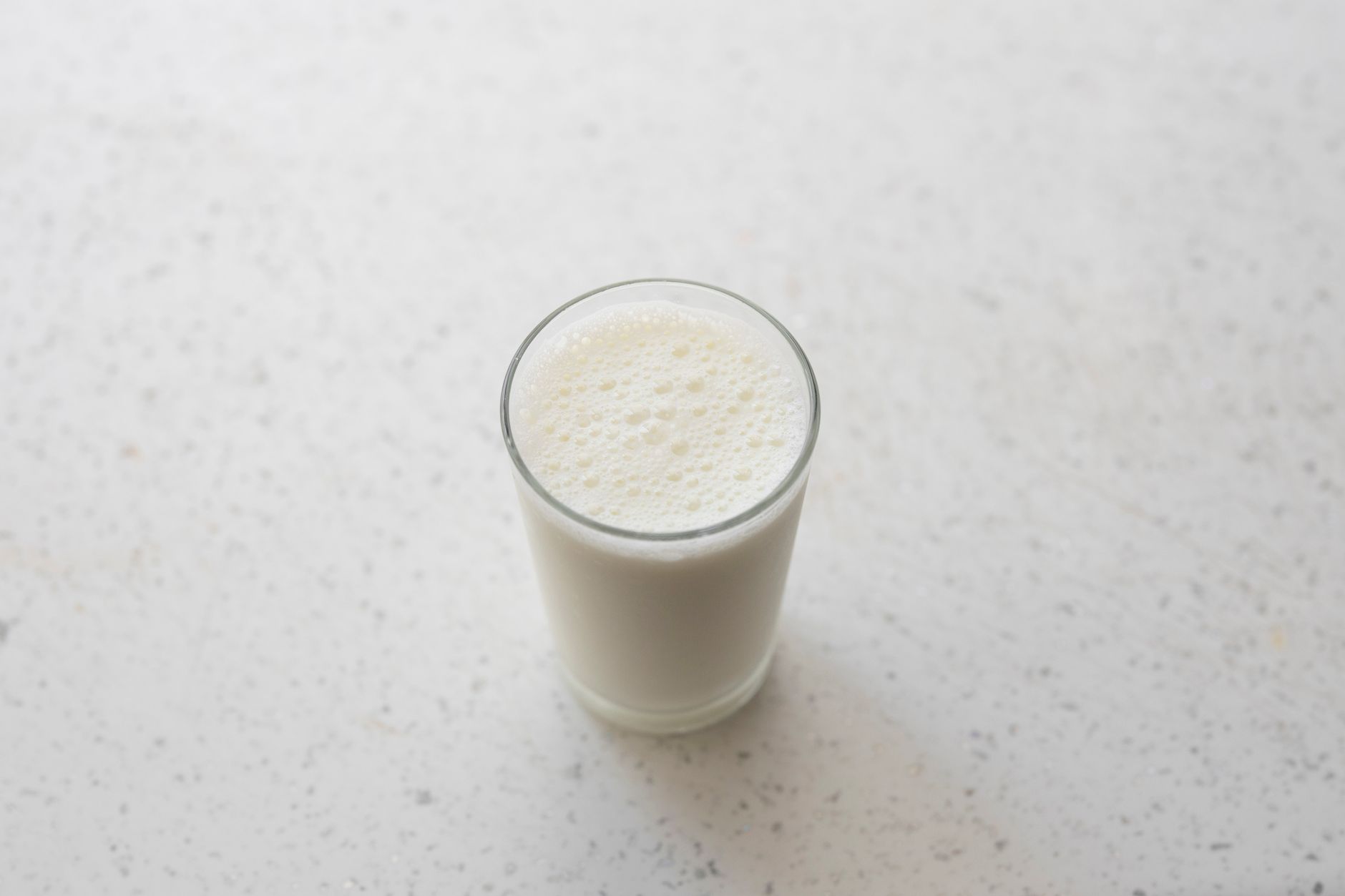

India’s Food Safety and Standards Authority defines this dairy category with strict compositional benchmarks, including roughly 3% fat and 8.5% solids-not-fat as baseline requirements.5% solids-not-fat, sitting on the dairy shelf between full-cream milk (about 6% fat) and skimmed milk (under 0.5% fat). Producers typically make it by diluting whole cow or buffalo milk with skim milk and water, or by recombining butter, skim milk powder, and water to hit that standard. Walk down any Indian dairy aisle and you’ll see the option next to its full-cream and double-toned cousins, often priced lower per liter.
This guide covers what sets toned milk apart in the Indian dairy aisle, from how producers standardize its fat and solids content to what its nutrition label actually delivers.
What Toned Milk Actually Is and How It Gets Made
Indian regulators have used the term “toned” since the 1990s, when dairy cooperatives needed a way to stretch a limited milk supply without pricing families out. The FSSAI definition locks two numbers in place: fat at roughly 3% and solids-not-fat at 8.5% minimum. Anything below the fat line gets reclassified as double-toned or skimmed; anything above lands in standardized or full-cream territory.
The Two Production Routes
Two distinct manufacturing pathways allow producers to consistently land on that 3% fat specification. The first takes fresh whole cow milk and adds skim milk plus water until fat drops to the target while solids-not-fat stays at or above 8.5%. The second reconstitutes butter, skim milk powder (SMP), and water in a controlled blend. The reconstitution route matters because it tells you the milk was never a single fresh batch; it was assembled from dairy ingredients. Both routes are legal under FSSAI rules, and the label must declare which one applies.
Why the 3% Line Matters
Full-cream buffalo milk can climb past 6% fat, and even cow milk runs 3.5–4.5% in many breeds. Pulling fat down to 3% cuts about 30% of the calories without stripping out the protein or the calcium. That single number is the reason toned milk became a daily staple in middle-income Indian households, and why Operation Flood-era cooperatives built their supply chains around it.
That same supply logic explains why the label numbers, not the marketing claims, are where informed shoppers should look first.
Reading the Nutrition Label Like a Regulator
Pick up any toned milk pouch and the front label usually shouts “3% fat” in bold. Flip it over and the nutrition table gives you the real story: calories, protein, calcium, vitamin B12, and phosphorus per 100 ml or per serving. A standard 200 ml cup of it typically delivers around 115–120 calories, 6–7 g of protein, and roughly 250–300 mg of calcium. Phosphorus lands in the 150–200 mg range, and vitamin B12 sits near 0.7–0.9 mcg.
What Drops When Fat Drops
Fat-soluble vitamins A, D, E, and K ride along with milk fat. Strip 30% of the fat and you lose a meaningful slice of vitamin A and a smaller slice of vitamin D, unless the brand adds them back through fortification. Check the ingredient list for “fortified with vitamin A and D” or a similar claim; FSSAI permits this and many major brands do it precisely to keep the micronutrient profile competitive with full-cream milk.
Single-Toned vs Double-Toned
At the 3% fat benchmark, single-toned variants sit on one end of the spectrum, while double-toned versions trim fat further. Double-it drops to 1.5% fat and must hit 8.5% solids-not-fat. The calorie math shifts sharply: double-toned lands near 80–85 calories per cup, about 30% fewer than single-toned. The protein number barely moves, because protein lives in the solids-not-fat fraction, not the fat. If your goal is cutting calories while keeping protein high, double-toned pulls ahead; if you want a moderate cut with better taste and mouthfeel, single-toned is the practical middle.
Additives Worth Watching
Legal additives under FSSAI rules for toned milk include SMP (to lift solids-not-fat), permitted emulsifiers, and stabilizers. Starch as a thickener is allowed within limits but often shows up in lower-cost variants. Anything beyond that, like added sugar, flavors, or unlisted preservatives, is a red flag on a plain it label. If the ingredient list runs longer than five items and includes words you can’t pronounce, set the pouch down.
Where Toned Milk Genuinely Helps Health Goals
Three areas show real, consistent payoff: weight management, heart health, and post-workout recovery. None of these are magic bullets, but the numbers add up when you swap toned for full-cream over weeks and months.
Weight Management
Cutting roughly 30% of calories per cup is not dramatic, but it compounds. Two cups a day of it instead of full-cream saves about 100–120 calories daily, which is roughly 36,000–44,000 calories a year, or 5–6 kg of body fat in theory. Protein stays nearly identical, so satiety holds steady. That is the practical weight-management story: small, consistent calorie reduction without sacrificing the protein that keeps you full.
Heart and Cholesterol
Saturated fat drives LDL cholesterol more than dietary cholesterol does. it delivers about 4–5 g of saturated fat per cup versus 8–9 g in full-cream. Over time, that reduction shows up in lipid panels. Current evidence, including positions from U.S. dietary guidelines, suggests that dairy fat in moderation is not the villain it was once painted as, but for anyone actively managing LDL, lowering saturated fat intake is a proven lever.
Bone Strength and Daily Calcium
Most Indian adults fall short of the 1,000 mg daily calcium target. Two cups of it cover roughly 500–600 mg of that need, leaving room for the rest to come from curd, ragi, sesame, or greens. Because the calcium content depends on solids-not-fat, not fat content, it delivers nearly the same bone-building mineral as full-cream. For adults avoiding full-fat dairy for calorie or cholesterol reasons, this is one of the cleanest ways to keep calcium intake on track.
Fitness and Muscle Recovery
Each cup carries about 6–7 g of complete protein, including whey and casein, with a full amino acid profile. Post-workout, that protein-to-calorie ratio (roughly 17–18 g of protein per 100 calories) is competitive with many sports drinks and cheaper than most recovery shakes. For gym-goers who want a practical option without buying a separate protein product, it does the job cleanly.
Side Effects and Groups Who Should Pause Before Buying
it is not universally harmless, and the same fat reduction that helps heart and weight goals can create blind spots elsewhere.
Lactose Intolerance
Removing fat does not remove lactose, the natural sugar in milk that triggers bloating, gas, and cramps in lactose-intolerant people. Symptoms depend on how much lactase your body still produces, not on the fat percentage. If regular milk bothers you, it will too. Curd or lactose-free milk are the safer swaps.
Infants Under One Year
it is not a suitable primary feed for infants under 12 months. The lower fat density reduces the energy density an infant needs for rapid brain development, and the altered vitamin profile does not match breast milk or formula. Pediatricians across India recommend breast milk or formula for the first year; cow or it enters the diet as a complement, not a replacement, after that milestone.
Added Sugar and Fortification Overload
Flavored it, the chocolate and strawberry pouches marketed to kids, can carry 10–15 g of added sugar per cup. Heavily fortified variants sometimes stack vitamins A and D well above daily needs in a single serving. If you are drinking plain it, you sidestep both problems. If a flavored or fortified version is your daily habit, check the label so sugar and micronutrient intake do not drift past healthy ceilings.
Diabetic, Keto, and PCOS Considerations
A cup of it contains about 10–12 g of natural lactose. For diabetics, that is manageable within a balanced meal plan but worth tracking. On a strict keto diet, even it breaks ketosis because the carbs from lactose exceed the 20–30 g daily ceiling. For PCOS, the moderate glycemic load is workable, but double-toned or curd often fits insulin-sensitive eating patterns better. Match the variant to your specific protocol rather than defaulting to “low-fat = always healthier.”
The variant differences matter less in isolation than in how they fit a specific health condition or dietary protocol.
Toned, Double-Toned, and Full-Cream: A Practical Side-by-Side
The choice between variants rarely comes down to a single number. Fat percentage, calorie load, price, taste, and cooking performance all shift the answer depending on what you are making.
| Variant | Fat % | Calories per 200 ml | Best For |
|---|---|---|---|
| Full-cream | ~6% | ~150 | Curd, kheer, rich chai, children |
| Standardized | ~4.5% | ~130 | Daily drinking, balanced nutrition |
| Toned (single) | ~3% | ~115 | Weight management, daily chai, post-workout |
| Double-toned | ~1.5% | ~85 | Strict calorie cuts, low-fat cooking |
| Skimmed | <0.5% | ~70 | Medical fat restriction, keto-adjacent use |
Price Per Gram of Protein
Because protein content barely shifts across variants, the cheapest variant that meets your fat and calorie goals also delivers the best protein value per rupee. it often wins this contest outright: it undercuts full-cream by 15–25% per liter while delivering 90–95% of the protein. Double-toned wins for strict calorie-cutters, but the price gap narrows because double-toned processing is slightly more involved.
Taste, Texture, and Cooking Performance
Fat carries flavor. Full-cream chai has the rounded, mouth-coating body that many households default to; toned chai tastes lighter and slightly thinner. Curd-making depends partly on fat for texture, so full-cream sets into a creamier dahi, while toned curd sets firmer but less rich. For baking, it works fine in cakes and breads; full-cream produces a more tender crumb. Pick the variant that matches the dish, not the one that sounds healthiest on paper.
Packaging Reality in Indian Retail
Pouches dominate the it segment because they cost less per liter and refrigerate easily, but they last only 1–2 days once opened and require cold storage from the moment of purchase. Tetra packs sit on ambient shelves for months until opened, making them practical for travel or homes without reliable refrigeration. Glass bottles are rare now and mostly confined to traditional delivery dairies. Match the package to your storage reality; a pouch you cannot refrigerate promptly is a wasted rupee.
Choosing, Storing, and Getting the Most From Toned Milk
Smart shopping starts with the label and ends with how the milk behaves in your kitchen.
The Five-Point Label Checklist
- FSSAI mark and license number. Without these, the product is unregulated regardless of brand familiarity.
- Fat percentage. Confirm it reads “3%” or “toned”; anything else is a different variant.
- Fortification claim. Look for “fortified with vitamin A and D” if you want the full micronutrient profile.
- Ingredient list. Should be short: milk, skim milk powder (if reconstituted), permitted emulsifier, and that’s about it.
- Use-by date and batch code. Especially critical for pouches, which have a tighter window than tetra packs.
Storage Differences Across Packages
Pouches demand refrigeration from store to home and use within 1–2 days of opening. Tetra packs can sit on a shelf until opened; once opened, they need the same treatment as pouches. Bottles handle breakage risk and let light degrade some B vitamins, so opaque containers are always preferable when available. Reheating the same milk more than once accelerates spoilage, so boil only what you will use that morning.
Three Freshness Tests at Home
Smell first: fresh milk smells clean and faintly sweet; sour or sharp odors signal early spoilage. Pour next: a smooth, even flow without clumps or stringy bits means the fat emulsion is intact. Boil last: clean bubbling and a thin cream layer on top indicate freshness; curdling or unusual film formation means discard immediately.
Smart Pairings for Better Nutrition
Pair it with a vitamin C–rich food like amla, orange segments, or a squeeze of lime in your chai. Vitamin C boosts non-heme iron absorption and supports the calcium uptake your bones need. Rotating it with curd and buttermilk across the week also gives your gut microbiome more diversity than a single dairy product on repeat.
Bottom Line
it is a regulated, affordable middle ground in the Indian dairy spectrum, built around the 3% fat and 8.5% solids-not-fat line that FSSAI enforces. It works well for weight management, heart-conscious eating, and post-workout recovery, and it delivers calcium and protein nearly identical to full-cream at a lower calorie cost. It is not the right choice for infants under one, strict keto dieters, or anyone whose gut reacts to lactose. Read the label, match the variant to your goal, and pair it with smart storage habits to get the most from every pouch or carton.
FAQ
What is toned milk and how is it made?
it is standardized dairy containing roughly 3% fat and 8.5% solids-not-fat, regulated by FSSAI. Producers make it by diluting whole cow or buffalo milk with skim milk and water, or by recombining butter, skim milk powder, and water to hit the target composition.
Is toned milk good for health when consumed daily?
For most healthy adults, daily it supports calcium, protein, and vitamin B12 intake at a lower calorie cost than full-cream. People with lactose intolerance, infants under one year, and strict keto dieters should choose alternatives.
What is the difference between toned and double-toned milk?
it contains about 3% fat and roughly 115 calories per cup, while double-it contains 1.5% fat and about 80–85 calories per cup. Both maintain the same 8.5% solids-not-fat standard, so protein and calcium content stay nearly identical.
Does toned milk help with weight loss?
Swapping full-cream for it cuts roughly 30% of calories per cup without losing protein, which supports a calorie deficit over time. Weight loss still depends on total daily intake and activity, but it is a practical lower-calorie swap for daily chai and cereal.
What are the side effects of toned milk?
Lactose stays present in the final product, which is why digestive complaints such as bloating, gas, and cramps top the list of reported adverse reactions. Flavored or heavily fortified variants may add unwanted sugar or excess micronutrients, and infants under one year should not use it as a primary feed.
Can diabetics drink toned milk?
Yes, in moderation. A cup of it contains about 10–12 g of natural lactose, which fits within most diabetic meal plans when paired with fiber and balanced across the day. Track carbohydrates alongside other carb sources and consult your doctor for personalized targets.