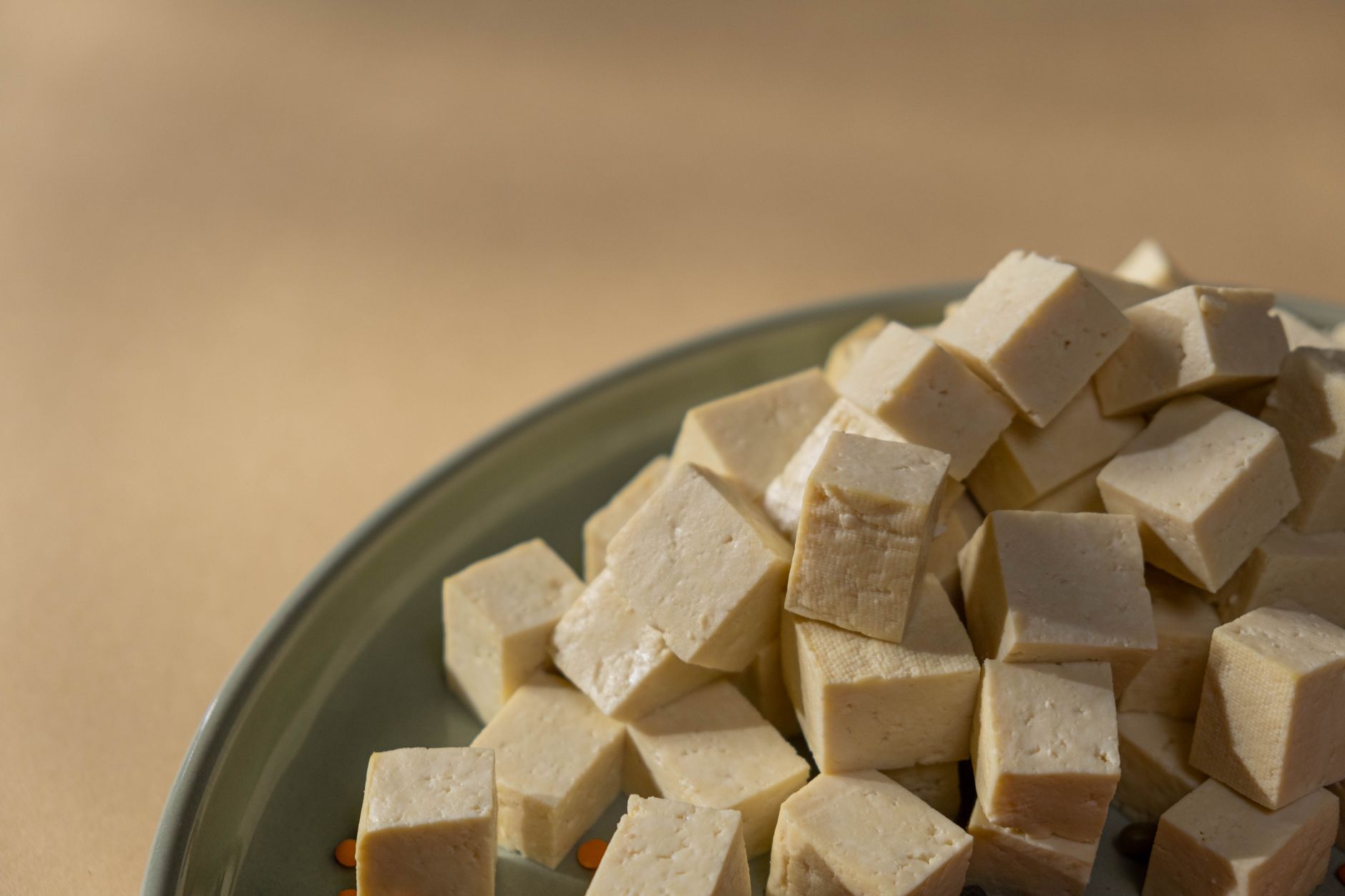

Made from soybeans, this soy-based curd supplies about 8 g of complete plant protein per 100 g in firm styles, with little saturated fat and zero cholesterol. Calcium-set versions add roughly 200 mg of calcium per 100 g, on par with a glass of milk. Tofu also brings isoflavones linked to modest LDL reductions, plus iron, magnesium, and B vitamins. Most of the alarm you hear about hormones, allergies, and gout traces back to concentrated soy supplements rather than whole-food tofu in normal servings.
This guide explores what whole-food tofu actually delivers in terms of protein, calcium, and isoflavones, then puts those numbers next to the health claims and hormone fears that tend to swirl around soy.
What Tofu Is and How It Is Made from Soybeans
Just three ingredients,soybeans, water, and a coagulant,are all it takes to produce a fresh block of bean curd. Dried soybeans are soaked, ground into soy milk, and heated. A mineral salt curdles the milk, and the curds are pressed into blocks. How much water gets squeezed out decides whether the result is silken, soft, firm, or extra-firm.
The Role of Coagulants and Texture
Calcium sulfate, often labeled as nigari when blended with magnesium chloride, is the most common coagulant. It sets the curds and, in calcium-set blocks, leaves a meaningful dose of calcium behind. Coagulant choice and pressing time shape the final texture, which is why one block feels like custard and another holds its shape on a grill.
Why Tofu Fits So Many Diets
The ingredient list is short on purpose. Tofu is naturally cholesterol-free, lactose-free, and gluten-free, which makes it a clean swap for vegan, vegetarian, Mediterranean, and Whole30-style patterns. Its neutral flavor absorbs marinades, broths, and spice rubs far better than chicken or beef can, so you can build flavor in any direction.
Tofu Nutrition Profile and Protein Content Compared
Per 100 g, the spread across styles is wide. Firm tofu delivers about 8 g of complete protein, 4 to 5 g of mostly unsaturated fat, and 70 to 80 calories, with little carbohydrate. Silken tofu drops to roughly 5 g of protein per 100 g and about 55 calories, but it carries far more water. Extra-firm climbs higher in protein per gram because water has been pressed out.
Head-to-Head With Other Protein Sources
Stacked against familiar options, the picture shifts. A 100 g cooked chicken breast offers about 31 g of protein but also more calories per gram of protein. One large egg contributes roughly 6 g of protein along with cholesterol and saturated fat that tofu lacks. Tempeh, a fermented soybean product, runs higher in protein and fiber but brings a nuttier, denser bite. Edamame delivers whole-soy nutrition with the bean intact, while beans add fiber but fall short on the complete-amino-acid profile.
| Food (100 g) | Calories | Protein | Fat | Key Nutrient Bonus |
|---|---|---|---|---|
| Silken tofu | ~55 | ~5 g | ~3 g | Smooth texture, blends easily |
| Firm tofu | ~76 | ~8 g | ~4–5 g | ~200 mg calcium (calcium-set) |
| Extra-firm tofu | ~90 | ~10 g | ~6 g | Highest protein-to-weight ratio |
| Chicken breast (cooked) | ~165 | ~31 g | ~3.6 g | Higher saturated-fat load |
| Tempeh | ~195 | ~20 g | ~11 g | Probiotic-friendly, high fiber |
| Edamame (shelled) | ~120 | ~11 g | ~5 g | Whole bean, folate-rich |
The trade is simple. Tofu gives up some protein density for a much lower calorie and saturated-fat load. That balance pays off in dishes where you want a protein anchor without the heaviness of meat.
Evidence-Based Health Benefits of Eating Tofu Regularly
The case for regular tofu rests on a handful of well-studied mechanisms. Isoflavones appear to influence LDL receptor activity in the liver, high-quality plant protein supports satiety better than refined carbs, and calcium-set blocks deliver real mineral value for bones. Whole-food intake, not pill-form extracts, drives the strongest signals.
Heart Health and the Soy Protein Claim
Under specific FDA rules, a product carrying 6.25 g of soy protein per serving can be labeled with a qualified claim that 25 g of soy protein daily, in a diet low in saturated fat and cholesterol, may help lower LDL cholesterol. Whole-food tofu eaten in normal servings can reach that target, and the American Heart Association has echoed similar support for replacing some animal protein with soy protein to lower cardiovascular risk.
Bone, Blood Sugar, and Weight Support
Calcium-set tofu offers about 200 mg of calcium per 100 g, a meaningful dose for post-menopausal women, older adults, and anyone who skips dairy. The high protein-to-calorie ratio helps stabilize blood sugar after meals, and the satiety effect shows up in trials where soy-based meals reduced later snacking compared with lower-protein meals.
Cancer Findings Worth Reading Carefully
Observational research has linked regular soy food intake to lower breast and prostate cancer risk in some populations, but the evidence is not strong enough to claim prevention.
Those studies measure tofu, edamame, and other whole soy foods, not isoflavone pills. The distinction matters, and it is the line between cautious optimism and overstatement.
That nuance around whole foods versus isolates frames the very concerns that surface next, especially around hormones and who should think twice.
Side Effects, Hormone Concerns, and Who Should Be Cautious
Most concern around soy traces back to concentrated isoflavone supplements rather than stir-fried tofu. Whole-food tofu at normal servings does not behave the same way as a 100 mg isoflavone capsule, and that gap shapes almost every risk claim you’ll encounter.
Hormone Effects, Fertility, and Men
Clinical trials in men eating 2 to 3 servings of soy per day have not shown meaningful changes in testosterone or estrogen. A long-running analysis of human studies has found no clinically relevant feminizing effect at typical dietary intakes. The dose makes the difference, and food doses stay far below supplement levels.
Allergies, Gout, and Thyroid Conditions
Soy is among the top food allergens, so anyone with a confirmed soy allergy should avoid it. People with gout sometimes hear warnings because soy contains moderate purines, though tofu sits lower than many organ meats and seafoods. Those with hypothyroidism can eat soy, but should keep it a few hours away from thyroid medication and talk with their doctor about monitoring.
Pregnancy, Infants, and Soy Formula
Moderate tofu intake during pregnancy is generally considered safe, and soy foods fit within typical prenatal nutrition guidance. Soy-based infant formula is FDA-reviewed and supports healthy growth in full-term infants, though conversations with a pediatrician matter, especially for pre-term babies.
Choosing, Pressing, and Cooking Each Type of Tofu Well
Texture dictates method. Match the wrong style to the wrong technique and you end up with a mushy scramble or a brittle slab. Once the match is right, tofu becomes one of the most forgiving proteins in your kitchen.
Silken and Soft Tofu in No-Cook Roles
Silken tofu needs no pressing and no cooking to shine. Blend it into smoothies for a protein bump, whip it into salad dressings for dairy-free creaminess, or use it as a base for vegan chocolate mousse. It also works as a gentle thickener in miso soup or a silky layer in chilled appetizers.
Firm and Extra-Firm Tofu for Crisp, Golden Results
Pressing is the single biggest upgrade you can make. Slice the block, lay it between paper towels, weight it with a plate, and let gravity do the work for 20 to 30 minutes. From there, three reliable paths give you a crisp finish.
- Pan-fry in a hot skillet. Add a tablespoon of neutral oil, set heat to medium-high, and cook 3 to 4 minutes per side for a deep golden crust.
- Bake on a sheet pan. Use 400°F for 25 to 30 minutes, flipped halfway, for even browning with no babysitting.
- Grill on a preheated grate. Brush with oil to limit sticking and char each side for 2 to 3 minutes.
For extra chew and better marinade absorption, freeze the pressed block overnight, then thaw it in the fridge. The texture turns spongy and meat-like, and it soaks up flavor almost like a sponge.
Marinating Without Sogginess
Cut the pressed block into slabs or cubes first, then marinate for 15 to 60 minutes in a soy-based mix with a touch of acid, sweetener, and aromatics. Salt-heavy marinades draw out moisture too aggressively, so balance the salt with oil and cornstarch for a restaurant-style crust.
Fixing the Usual Kitchen Problems
Bland tofu almost always means it was not pressed or seasoned. Crumbling usually points to over-stirring in a pan, so let the pieces sit untouched for 2 to 3 minutes before flipping. Sticking is solved by a properly preheated pan and enough oil. Rubbery texture comes from skipping the press, and watery centers mean the pan was not hot enough when the tofu went in.
Getting the texture right in the kitchen depends on starting with the right block, so buying and storing well protects everything you just cooked.
Storage, GMO and Organic Choices, and Safe Daily Serving Sizes
Now that you can cook tofu well, the last piece is buying and storing it smartly. Labels vary, and a quick read saves you from brands that pack in extra sodium or mystery additives.
Storage Basics for Every Style
- Unopened, water-packed tofu keeps in the fridge until the date on the package, often 3 to 5 weeks past purchase.
- Opened tofu should be rinsed, submerged in fresh water, and used within 3 to 5 days, with daily water changes.
- Vacuum-packed shelf-stable tofu can sit in the pantry for months and gets the same treatment once opened.
- Freezing extends life by 4 to 6 months and doubles as a texture upgrade for firm blocks.
GMO and Organic: What Actually Matters
Most soy grown in the U.S. is genetically modified, so non-GMO and organic certifications tell you something real about sourcing. The nutritional difference between GMO and non-GMO soy is small, but organic tofu also avoids synthetic pesticides and some additives. If those concerns line up with your priorities, the label is worth the modest price premium.
Daily Serving Guidance From the Research
Most clinical studies showing heart and bone benefits used 25 to 50 g of soy protein per day, which works out to roughly 1 to 2 standard servings of firm tofu.
For someone eating tofu most days, 100 to 200 g of firm tofu comfortably hits those targets. The USDA Dietary Guidelines treat soy foods as a protein equivalent rather than a special category, so the same serving logic that guides chicken or beans applies here.
Label-Reading Checklist
- Protein per serving. Aim for at least 7 g per 100 g in firm styles.
- Calcium content. 150 mg or more per 100 g signals a calcium-set block.
- Sodium level. Under 300 mg per 100 g keeps day-to-day meals in a healthy range.
- Short ingredient list. Soybeans, water, coagulant, and maybe sea salt. Anything longer is optional.
- No added sugars or unlisted stabilizers. Quality brands keep the list clean.
Bottom Line
Tofu combines complete plant protein, real calcium potential, and near-zero saturated fat at a price point most kitchens can absorb. Match the texture to the technique, press when the recipe calls for it, and treat the neutral flavor as an invitation to season boldly. Eat it often in reasonable servings, and the health case takes care of itself.
FAQ
Is eating tofu every day safe?
Clinical studies have largely relied on 1 to 2 daily servings of firm tofu, a level that most adults tolerate without issue. If you have a soy allergy, certain thyroid disorders, or take thyroid medication, talk with a qualified healthcare professional for personalized guidance.
What are the negative effects of tofu?
Common downsides include mild digestive gas from oligosaccharides in soy, allergic reactions in people sensitive to soy, and excess sodium in heavily processed styles. Whole-food tofu at normal servings does not appear to cause hormonal problems in men or women based on current evidence.
Which type of tofu is the healthiest?
Calcium-set firm tofu offers the strongest mix of protein, calcium, and versatility for everyday cooking. Silken tofu wins for low-calorie recipes, while extra-firm delivers the most protein per gram once pressed.
Does tofu have more protein than chicken?
No, chicken breast delivers more protein per 100 g, but tofu is lower in calories and saturated fat. For a direct protein swap, about 300 g of firm tofu roughly matches 100 g of chicken breast in protein content.
How do you prepare tofu for beginners?
Start with extra-firm tofu, press it for 20 minutes, cut it into cubes, toss with cornstarch and soy sauce, then pan-fry until golden. Add it to a stir-fry or grain bowl and the texture and flavor take care of themselves.
Can men eat tofu without hormonal side effects?
Clinical studies have not shown meaningful changes in testosterone or estrogen at normal dietary intakes of whole-food tofu. Concentrated isoflavone supplements are a different story, and that is where most of the hormone concerns come from.