
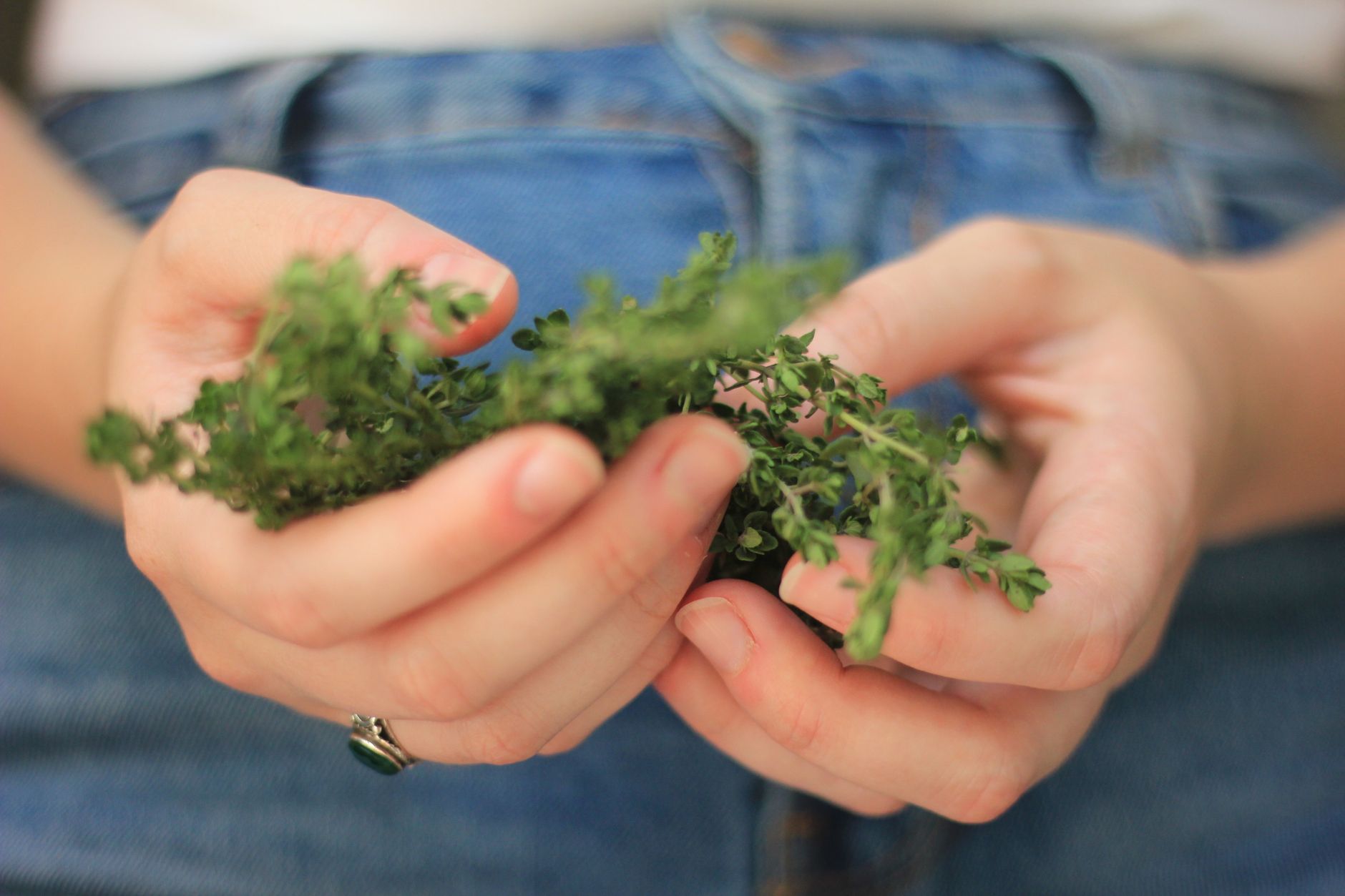

Belonging to the Lamiaceae family alongside mint and oregano, Thymus vulgaris delivers vitamin C, vitamin K, iron, manganese, and a heavy load of antioxidant compounds like thymol and carvacrol. A single tablespoon of fresh leaves adds flavor to a stew while still contributing measurable micronutrients, which is why thyme pulls double duty in the kitchen and in traditional medicine. Most of the upside comes from regular culinary use, while the risk shows up mainly with concentrated essential oil or therapeutic tinctures used without guidance.
This guide breaks down the nutritional content, evidence-based benefits, and possible side effects of thyme, helping home cooks and wellness-focused shoppers understand what this Mediterranean herb actually delivers.
Thyme as a Mediterranean Herb Rooted in the Mint Family
Walk through a Provençal market in late spring and you’ll catch thyme before you see it, an almost piney, slightly lemony scent rising from bundles stacked on burlap. That plant is Thymus vulgaris, a small woody perennial that belongs to the Lamiaceae family, the same clan as oregano, rosemary, and basil. Its native range covers the sun-baked hillsides of the southern Mediterranean, where dry summers and rocky soils shaped a plant built to survive on very little water.
Long before nutrition labels existed, herbalists across Europe, North Africa, and the Middle East tucked thyme into remedies for chest congestion, indigestion, and mouth sores. Greek physicians wrote about it for respiratory complaints, and medieval monastery gardens kept it as a staple alongside sage and mint. That folk record is the reason modern researchers keep circling back to thyme, because a centuries-long track record is a useful starting point even if the science has to catch up.
The Plant, the Family, and the Chemistry That Matter
Two compounds get most of the credit when researchers study thyme’s biological activity: thymol and carvacrol. Both are volatile oils, the aromatic chemicals that evaporate easily and give herbs their scent, and both show antibacterial and antifungal behavior in lab work. Thymol also serves as a precursor to some modern antiseptic formulations, which is why thyme oil shows up in mouthwashes and throat lozenges instead of just seasoning blends.
Because thyme shares the Lamiaceae family with oregano and rosemary, it also shares a similar antioxidant toolkit. The plant produces flavonoids, which are plant pigments that help neutralize cell-damaging molecules, along with phenolic acids. That shared chemistry is the real reason a sprinkle of dried thyme in a sauce does more than decorate the plate.
The Nutritional Profile of Fresh and Dried Thyme
A single tablespoon of fresh thyme weighs about 3 grams and still delivers a meaningful share of your daily vitamin K, alongside smaller amounts of vitamin C, vitamin A, iron, and manganese. Because you would never eat a cup of thyme the way you would a cup of spinach, the real story is concentration: a little goes a long way per gram, even if the absolute serving stays small.
Dried thyme concentrates the flavor and most of the minerals further, since drying removes water weight without taking the micronutrients with it. Vitamin C takes the hit, because heat and air degrade it, so dried thyme is denser in iron and manganese but lighter in vitamin C than its fresh counterpart. The volatile oils, including thymol, survive drying reasonably well when the leaves are stored away from light and heat.
Key Vitamins and Minerals at a Glance
| Nutrient (per ~1 tbsp fresh thyme) | Approximate Amount | Why It Matters |
|---|---|---|
| Vitamin K | ~13 mcg | Supports blood clotting and bone metabolism |
| Vitamin C | ~3 mg | Antioxidant, supports immune cells and collagen |
| Vitamin A (as carotenoids) | ~190 IU | Supports vision and skin repair |
| Manganese | ~0.1 mg | Helps bone formation and metabolism |
| Iron | ~0.4 mg | Carries oxygen in red blood cells |
Those numbers come from USDA FoodData Central, the federal database that catalogs the nutrient content of common foods. For comparison, a tablespoon of dried thyme delivers roughly three times the minerals per spoonful, since the water is gone, but loses most of its vitamin C in the process.
Beyond Vitamins: Flavonoids and Volatile Oils
The micronutrients only tell half the story. Thyme stores its real antioxidant punch in flavonoids like apigenin and luteolin, plus the volatile oils thymol and carvacrol already mentioned. Lab tests rate thyme’s antioxidant capacity among the highest of common culinary herbs, often outranking oregano in the same assay. That ranking matters because antioxidants help neutralize reactive oxygen species, the unstable molecules that can damage cells over time.
Use thyme the way you use salt: a small amount in the right place does more than a large amount dumped in the wrong dish.
What Research Shows About Thyme’s Health Benefits
Lab studies and small human trials give thyme modest, real support for a handful of specific uses, with respiratory relief and antimicrobial activity leading the list. Setting expectations matters here: thyme is a supportive herb, not a treatment for any disease, and the strongest evidence comes from concentrated extracts rather than a sprinkle of leaves on dinner.
Where thyme shines, it does so because the same volatile oils that flavor the plant also interfere with bacterial and fungal cell membranes. That dual nature is why thyme oil appears in clinical mouthrinses used in dental studies, and why thyme tea has a long history as a sore-throat soother.
Respiratory Relief and Cough Soothing
A warm thyme tea or a thyme-based syrup has a credible place in cough care, and a few clinical trials back it up. One study of thyme-ivy leaf combinations found measurable improvement in cough frequency in adults with acute bronchitis, and lab work suggests thymol helps calm bronchial irritation. The mechanism is partly the volatile oils thinning mucus, and partly the anti-inflammatory effect of the flavonoids working on irritated throat tissue.
None of this makes thyme a replacement for respiratory medicine when you actually need one. It makes thyme a useful kitchen-and-pantry addition during cold season, especially when paired with honey and lemon in a homemade tea.
Antimicrobial and Antioxidant Activity
Thymol and carvacrol both punch above their weight in lab tests against common foodborne bacteria like Salmonella and E. coli, which is part of why thyme has been used as a natural preservative. The same activity shows up against certain fungi, including strains that can spoil bread and other stored foods. In the human body, this translates into plausibility for thyme as a mouth-and-throat support, not into a stand-alone cure for infections.
On the antioxidant side, thyme extract consistently scores high on the ORAC scale, which stands for Oxygen Radical Absorbance Capacity, a lab test that measures how well a food neutralizes free radicals. That score is a useful proxy for cell-protective potential, and it lines up with thyme’s traditional role as a tonic herb in Mediterranean folk medicine.
Heart and Blood Pressure Markers
Thyme contains a modest amount of potassium, plus manganese and antioxidants that show small benefits for blood pressure and circulation in animal studies. Human trials are thin, but the same dietary pattern that includes thyme on a regular basis, the Mediterranean diet, is associated with better cardiovascular markers. Treat thyme as one contributor in that pattern rather than a heart-health product on its own.
Culinary Doses, Teas, and Essential Oil Compared
The form you choose changes what thyme actually does in your body, because the concentration of volatile oils jumps dramatically from the kitchen to the teacup to the essential oil bottle. Picking the right one matters more than picking the strongest one.
Most people do well with culinary thyme used freely in cooking, plus an occasional thyme tea when a scratchy throat shows up. The essential oil is a different category entirely, more useful for cleaning sprays and diluted topical applications than for anything you would put in your mouth.
Comparing the Three Common Forms
| Form | Typical Dose | Best For | Caution |
|---|---|---|---|
| Fresh or dried leaves | 1 tsp to 1 tbsp per recipe | Everyday cooking, light antioxidant support | Very low risk at normal food amounts |
| Thyme tea or syrup | 1–2 cups per day for short-term relief | Sore throat, mild cough, digestive calm | Use short term; check with a clinician if pregnant or on medication |
| Thyme essential oil | 1–2 drops diluted per use, topical only | Diluted skin application, household cleaning | Do not ingest without professional guidance; always dilute |
Notice how the dose shifts across the table. A teaspoon of dried thyme in a marinade is roughly 1 gram of herb, while a single drop of essential oil can carry the volatile-oil equivalent of many grams of fresh leaves. That gap is the entire reason the safety rules change between forms.
How to Brew a Simple Thyme Tea
Steep 1 to 2 teaspoons of dried thyme, or 4 to 6 fresh sprigs, in 8 ounces of hot water for 8 to 10 minutes, then strain. Honey and a slice of lemon round out the flavor and add a small demulcent effect, meaning a substance that coats and soothes irritated tissue, for sore throats. Two cups a day is a reasonable short-term limit when you are actively using it for respiratory or digestive comfort.
Side Effects, Allergies, and Drug Interactions to Know
Side effects of thyme show up in two places: on the skin when concentrated oil is applied without dilution, and inside the body when therapeutic doses stack up against existing medications. Cooking with thyme is a low-risk activity for most people, and that is the context where you will spend 99% of your thyme life.
Where caution kicks in, it usually involves concentrated forms, longer-term use, or specific health conditions. Recognizing those boundaries up front saves a lot of trouble later.
Allergic Reactions and Skin Sensitivity
Topical thyme oil causes contact dermatitis, an itchy red rash triggered by direct skin contact, in a small but real share of people, especially those who already react to other Lamiaceae herbs like oregano or sage. A patch test on the inner forearm, a drop diluted in a teaspoon of carrier oil and left for 24 hours, is the cheapest way to screen for it. If the skin reddens or itches, skip the topical use entirely.
Food allergies specifically to thyme are rare, but cross-reactivity is possible if you are sensitive to other herbs in the mint family. A short trial with a small amount in cooked food, then a slightly larger amount a day or two later, gives you a clear read on your own tolerance.
Bleeding Risk and Blood Thinners
Thyme in large amounts can slow blood clotting by interfering with platelet function, the process your body uses to form clots. For a normal diet, that effect is too small to matter. For someone on warfarin, clopidogrel, aspirin therapy, or any anticoagulant, even a few days of concentrated thyme tea can tip the balance toward bruising or bleeding.
Tell your prescriber and pharmacist about any herb you use regularly, including thyme tea and thyme supplements, because the clotting interaction is real and often missed in routine medication reviews.
Surgery adds a second layer. Stop concentrated thyme products at least two weeks before a scheduled procedure to avoid extra bleeding during and after the operation.
Pregnancy, Breastfeeding, and Children
Cooking with thyme during pregnancy is fine. Medicinal doses, meaning strong teas taken several times a day or any thyme supplement, lack solid safety data for pregnancy and breastfeeding, so the cautious move is to skip them. Uterine stimulation has been reported with very high doses of thyme oil in animal studies, which is another reason to keep culinary portions and therapeutic portions on opposite sides of the line.
For young children, the safest approach is food amounts only. Essential oil diffusion in a well-ventilated room is generally tolerated, but direct application or any form of oral essential oil belongs in a conversation with a pediatrician.
Because concentrated forms raise the stakes, it helps to know exactly where thyme shifts from soothing to risky.
Safe Storage, Dosage Habits, and Who Should Skip It
Storage habits make a quiet difference in how much thymol and carvacrol survive from the day you buy thyme to the day you use it. Airtight containers, darkness, and cool temperatures preserve the volatile oils that drive both flavor and antioxidant value.
Dosage habits matter more. Most people benefit from cooking with thyme freely and reaching for thyme tea only when symptoms show up, then stopping when they resolve. The supplement shelf is a different choice and usually not a necessary one.
Storage Checklist for Fresh and Dried Thyme
- Fresh sprigs: Wrap loosely in a damp paper towel, slide into a perforated plastic bag, and refrigerate for up to two weeks.
- Dried leaves: Keep in an airtight glass container in a dark cabinet, away from the stove, for six months of peak flavor and potency.
- Freezer option: Strip leaves from stems, freeze in a single layer, then transfer to a freezer bag for up to four months.
- Smell test: If dried thyme has lost its aroma when you rub a pinch between your fingers, the volatile oils are gone and the flavor will be flat.
Who Should Check With a Clinician First
A few groups benefit from a quick conversation with a qualified healthcare professional before adding concentrated thyme products:
- People on blood thinners: Additive bleeding risk with warfarin, clopidogrel, aspirin therapy, and similar medications.
- Anyone preparing for surgery: Stop concentrated thyme at least two weeks ahead to avoid extra bleeding.
- Those with bleeding disorders: Hemophilia, von Willebrand disease, and related conditions already come with clotting concerns.
- Pregnant or breastfeeding individuals: Culinary thyme is fine, but therapeutic doses lack safety data.
- Young children: Keep to food amounts and avoid essential oil products without pediatric guidance.
- People with thyroid conditions: Some animal research suggests thyme may influence thyroid hormone activity, so anyone on thyroid medication should flag regular use.
Bottom Line
Thyme earns its place as a kitchen staple and a credible supportive herb, with concentrated antioxidant and antimicrobial compounds packed into a small, flavorful leaf. Use it freely in cooking, reach for thyme tea when a sore throat or mild cough shows up, and treat the essential oil like a cleaning product unless a qualified clinician says otherwise. The people who benefit most are the ones who respect the gap between a sprinkle of dried leaves and a drop of distilled oil.
FAQ
What are the nutritional benefits of thyme?
Thyme delivers vitamin K, vitamin C, vitamin A, iron, and manganese per tablespoon of fresh leaves, plus flavonoids and volatile oils like thymol and carvacrol that contribute antioxidant capacity beyond basic vitamins. Dried thyme concentrates the minerals further, while losing most of the vitamin C. The real nutritional value comes from layering small servings of thyme into an otherwise balanced diet rather than expecting a single herb to move the needle on its own.
Does thyme have any side effects?
Thyme’s main side effects are skin irritation from undiluted essential oil, rare allergic reactions in people sensitive to the mint family, and added bleeding risk when concentrated thyme products combine with anticoagulant medications. Culinary amounts of fresh or dried thyme cause problems in very few people. Therapeutic doses of tea or supplements can interact with blood thinners and may not be safe during pregnancy, so check with a qualified healthcare professional before regular use in those situations.
How much thyme should you eat per day?
Culinary amounts of 1 to 2 teaspoons of dried thyme, or a few sprigs of fresh thyme, per day fit comfortably into a normal diet and add flavor plus modest nutrition without meaningful risk. For thyme tea, 1 to 2 cups per day is a reasonable short-term limit when used for cough or sore throat relief. Higher therapeutic doses, supplements, and any use of thyme essential oil warrant guidance from a qualified healthcare professional, especially for anyone taking medication or managing a chronic condition.
Can thyme help with coughs and sore throats?
The volatile oils thymol and carvacrol, which appear to thin mucus and ease bronchial irritation, give thyme credible support for calming mild coughs and soothing sore throats. Clinical trials on thyme-ivy combinations have shown measurable cough reduction in adults with acute bronchitis, and thyme tea with honey is a long-standing home remedy for throat discomfort. Thyme supports comfort during mild illness, but it doesn’t replace medical care for a serious or persistent respiratory infection.
Is thyme safe during pregnancy?
The small culinary amounts typically sprinkled into dishes during pregnancy are generally well tolerated and considered safe for most expectant mothers. Medicinal doses, including strong thyme tea taken several times a day, thyme tinctures, and thyme essential oil, lack solid safety data for pregnancy and breastfeeding, so most guidance suggests avoiding them in those situations. If you want to use thyme for a specific health reason while pregnant or nursing, a conversation with your obstetrician or midwife is the right next step.
What is the difference between fresh and dried thyme?
Lighter and slightly grassy in flavor, fresh thyme retains more vitamin C, while its dried counterpart tastes more concentrated and earthy, holding onto minerals and volatile oils reasonably well. Drying removes water weight, so a teaspoon of dried thyme carries roughly three times the plant material of a teaspoon of fresh thyme, which is why recipes often call for a smaller amount of the dried version. For nutritional density, both forms contribute, though dried thyme gives more minerals per spoonful and fresh thyme gives more vitamin C.