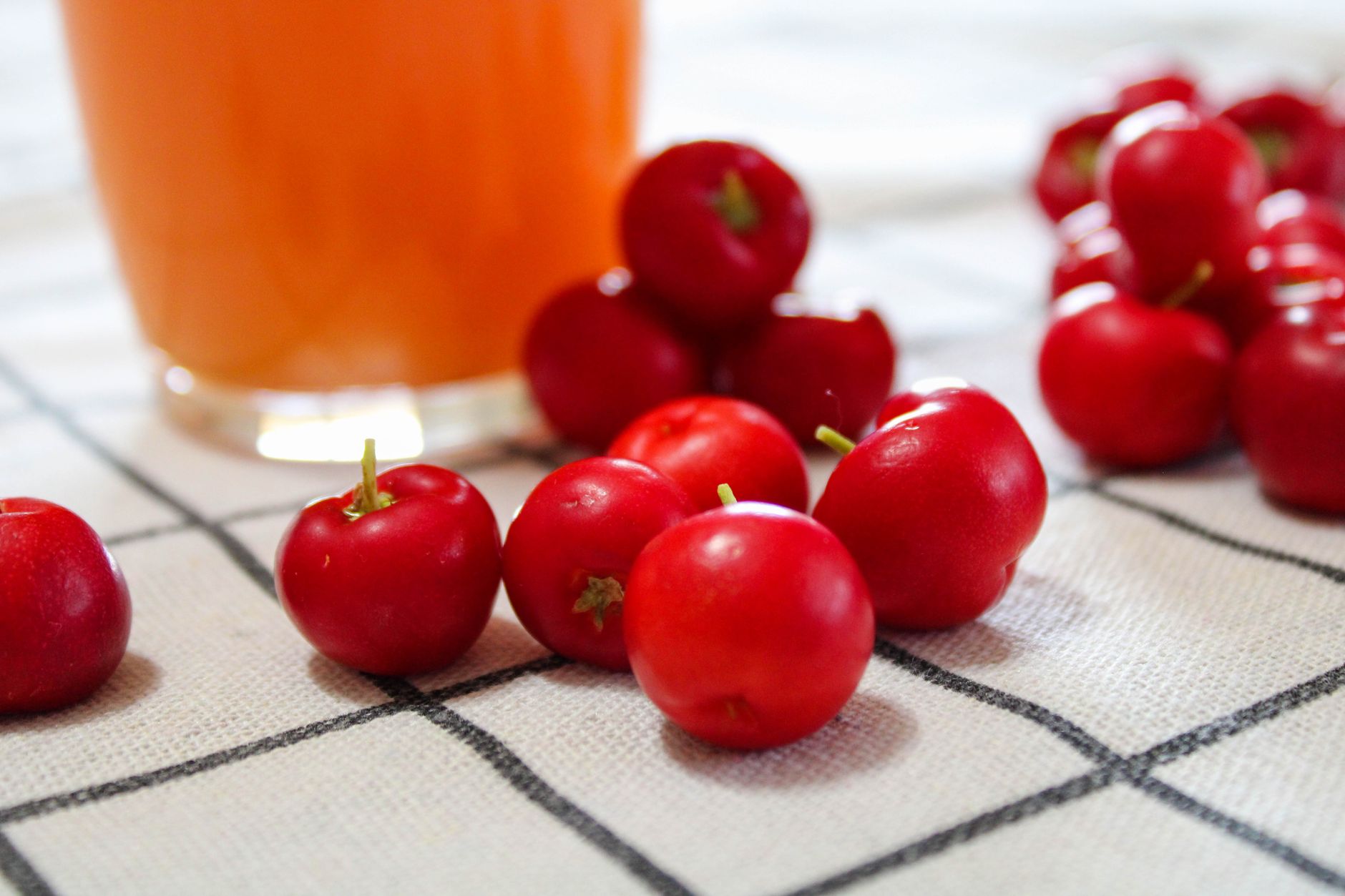

Montmorency sour cherries yield a deep-red pressed beverage packing roughly 40 mg of anthocyanins, 0.1 mg of melatonin, and 250 mg of potassium per cup, levels that sweet cherry products rarely approach. Studies over the past two decades link daily consumption to better sleep, faster muscle recovery, and lower uric acid in people prone to gout. The strongest data sits in the sleep and recovery columns, with smaller but consistent signals for inflammation, blood pressure, and exercise-related muscle damage.
This guide covers what tart cherry juice is, what the research actually shows, the side effects that matter, and how to dose it for your specific goal.
What Sets Tart Cherry Juice Apart from Other Cherry Products
Montmorency trees produce a small, bright-red sour cherry cultivated in Michigan and the northeastern U.S. for over a century. Compared with sweet varieties like Bing or Rainier, Montmorency cherries contain roughly five times the anthocyanins per gram, the pigment-linked polyphenols responsible for the fruit’s deep crimson color and most measurable health effects. That single number explains why tart, not sweet, cherries anchor the research base.
Pressing the whole fruit into juice concentrates those compounds further, so a single 8-oz glass delivers more active phytochemicals than a handful of raw sweet cherries. The bright color is your quickest visual cue: if the juice looks pale, watered down, or artificially red, the anthocyanin content has likely taken a hit during processing or dilution.
Juice vs. Concentrate vs. Capsules
The form you choose changes the dose you actually swallow. Juice is the most studied format and the easiest to titrate by the glass. Concentrate is juice with water removed, so a tablespoon roughly equals a full serving of regular juice, which makes it cheaper per dose but more potent in sugar per spoonful. Capsules deliver a standardized anthocyanin extract without sugar or calories, though the evidence base for capsules is thinner than for liquid forms.
Those delivery differences matter because they shape how the body absorbs the active compounds that drive most of the juice’s reputation.
| Form | Typical Serving | Anthocyanin Strength | Sugar per Serving | Best For |
|---|---|---|---|---|
| Standard juice | 8 oz | Moderate | ~20 g | Daily sleep and recovery use |
| Concentrate | 1-2 Tbsp | High | ~14 g per Tbsp | Budget-friendly dosing |
| Dried cherries | 1/4 cup | Low to moderate | ~24 g | Snacking, added to recipes |
| Capsules | 1-2 capsules | Standardized | 0 g | Sugar-free, travel-friendly use |
The Nutritional Profile and Active Compounds Behind the Claims
An 8-oz serving of unsweetened tart cherry juice lands at roughly 120 calories and about 20 g of natural sugars, mostly glucose and fructose. The glycemic index sits near 50, lower than grape juice or orange juice, so it raises blood sugar more slowly than many other fruit juices. That number matters most if you are managing insulin resistance or counting carbs, because the sugar is real even if the spike is gentler.
Beyond sugar and water, the nutritional value of tart cherry juice comes from a short list of compounds that show up again and again in the research. Anthocyanins, specifically cyanidin glycosides, drive the antioxidant and anti-inflammatory effects. Natural melatonin and the amino acid tryptophan support the sleep findings. Potassium, quercetin, and vitamin C round out a profile that touches cardiovascular and immune health without making it a multivitamin.
What One Serving Actually Delivers
Expect about 320 mg of potassium, 15-25 mg of vitamin C, and roughly 80 mg of anthocyanins per 8-oz glass of Montmorency juice. The potassium helps explain the modest blood-pressure reductions seen in some trials. The vitamin C content is meaningful but not exceptional, similar to a small peach. The anthocyanin figure is the number worth tracking, since it varies wildly between brands and serves as the closest proxy for potency.
Tip: Look for a brand that lists anthocyanin content on the label, measured in mg per serving. Anything below 30 mg per 8 oz is likely heavily diluted.
Evidence-Based Benefits for Sleep, Recovery, and Inflammation
The strongest cluster of evidence centers on sleep. Older adults with insomnia who drank 8 oz of Montmorency juice twice daily fell asleep faster, slept longer, and showed measurable rises in urinary melatonin, according to a 2012 pilot study in the American Journal of Therapeutics. A 2018 follow-up confirmed gains in sleep duration and quality in adults with chronic insomnia, using the same morning-and-evening protocol. The mechanism traces back to the natural melatonin content plus tryptophan, the melatonin precursor.
For athletes, the recovery data is equally consistent. Multiple trials in marathon runners, strength athletes, and soccer players have shown reduced muscle soreness, faster return of strength, and lower inflammatory markers like C-reactive protein when participants drank tart cherry juice for 7-10 days around intense exercise. The effect is modest but real, and it stacks well with standard recovery practices like sleep and protein intake.
Gout, Blood Pressure, and Cardiovascular Markers
Gout patients have seen the most targeted results. A 2011 study in Arthritis & Rheumatism tracked gout sufferers drinking 8 oz daily for several weeks and recorded both lower uric acid levels and fewer acute flares. The mechanism is straightforward: anthocyanins appear to inhibit the enzymes that produce uric acid and help the kidneys excrete it. That aligns with smaller intervention trials showing measurable drops in serum urate over 4-12 weeks.
Cardiovascular findings are smaller in scale but point in a similar direction. Studies have noted modest reductions in systolic blood pressure (around 4-7 mmHg) and improvements in LDL cholesterol in adults with metabolic risk factors. These shifts are meaningful, though they put tart cherry juice in the supportive category rather than the treatment category for any cardiovascular condition.
Even when the upside is modest, the same compounds that nudge blood pressure can also interact with medications or aggravate existing conditions.
Side Effects, Interactions, and Who Should Approach with Caution
The most common complaints are digestive. Sorbitol, a naturally occurring sugar alcohol in cherries, ferments in the gut and can cause bloating, gas, or loose stools, especially at higher doses. The natural acids in the juice may also aggravate acid reflux in sensitive individuals. Starting with a half serving for the first week lets your gut adapt before scaling up.
The sugar content is the second concern. Twenty grams per glass is a real number for anyone tracking carbs or managing blood glucose. If you are insulin-resistant, pregnant with gestational diabetes, or following a low-carb protocol, the unsweetened concentrate or capsule form is usually the safer pick for daily use.
Medication Interactions and Special Populations
it contains a high concentration of polyphenols and compounds that can influence blood clotting. If you take warfarin, aspirin, clopidogrel, or any other blood-thinning medication, the polyphenol load may amplify the effect and raise bleeding risk. Pregnant or nursing adults, people with kidney disease, and anyone on prescription medication should check with a clinician before adding it as a daily habit.
- Blood thinners: polyphenols may amplify anticoagulant effects.
- Diabetes medications: sugar content can offset blood-sugar control.
- Kidney conditions: potassium load may require monitoring.
- Pregnancy and nursing: safety data is limited; consult a clinician.
- Gout during a flare: supportive at most, not a substitute for medical care.
How to Use Tart Cherry Juice Safely and Effectively
Most published studies use 8 oz of juice or 1-2 tablespoons of concentrate, split into a morning and evening dose. Splitting the dose spreads the anthocyanin exposure across the day and tends to be easier on the stomach than a single large glass. For sleep-focused goals, the evening dose 1-2 hours before bed is the one that matters most for melatonin and tryptophan conversion.
For post-exercise recovery, start the routine 4-5 days before an intense session and continue for 2-3 days afterward. Pairing the juice with a protein source or a handful of nuts blunts any blood-sugar spike and improves how well your body tolerates the natural acids.
Pairing it with food only handles half the equation, since the product you pour matters just as much as how you time it.
Practical Tips for Daily Use
- Pick unsweetened juice. Added sugar turns a functional beverage into dessert.
- Start at half a serving. A 4-oz dose for the first week prevents most digestive complaints.
- Time the evening dose carefully. 1-2 hours before bed maximizes the sleep effect.
- Pair with protein or fat. Yogurt, cottage cheese, or nuts slow the sugar absorption.
- Refrigerate after opening. Anthocyanins degrade with heat and light exposure.
Warning: Drinking more than 16 oz daily does not appear to increase benefits and usually triggers digestive side effects. More is not better here.
Choosing a Quality Product and Setting Realistic Expectations
The label should say “100% juice” and “Montmorency” without a list of added sugars, flavors, or fillers. Glass bottles tend to preserve anthocyanin content better than plastic, and products stored in opaque containers hold their potency longer. Third-party testing seals (from organizations like NSF or USP) signal that the company has put the bottle through independent verification.
Set realistic expectations before you start. it is a functional addition to a balanced diet, not a replacement for medical care of gout, chronic insomnia, or inflammatory disease. Track your own response for 2-4 weeks, noting sleep quality, soreness, or any digestive changes, before deciding whether it is working for your situation.
The Clearest Next Step
Pick one or two specific goals (better sleep, faster recovery, or gout support), choose a trusted unsweetened product, and commit to a consistent daily routine for at least a month before judging the results. If the goal is sleep, keep caffeine and screen time in check alongside the juice. If the goal is recovery, stack it with adequate protein and rest. The juice amplifies good habits; it does not replace them.
Bottom Line
it earns its reputation in the sleep and recovery categories, where the evidence is consistent and the dose is well established. Its anthocyanin content, natural melatonin, and modest potassium load deliver measurable benefits, while the sugar and sorbitol keep it from being a free-for-all. Treat it as a daily functional beverage, not a cure, and the results tend to match the research.
FAQ
Is tart cherry juice good for sleep?
Yes, the evidence is solid. Studies show that drinking 8 oz of Montmorency juice twice daily, with one dose 1-2 hours before bed, can increase melatonin levels, extend sleep duration, and improve sleep quality in adults with insomnia. The effect is moderate and works best alongside standard sleep hygiene.
How much tart cherry juice should you drink per day?
Most research uses 8 oz of standard juice or 1-2 tablespoons of concentrate, split into morning and evening servings. Going above 16 oz daily does not appear to improve results and increases the chance of digestive side effects from sorbitol and natural acids.
Does tart cherry juice help with inflammation?
Yes, especially for exercise-related inflammation. Trials in runners, strength athletes, and team-sport players show lower C-reactive protein and reduced muscle soreness when it is consumed for 7-10 days around intense exercise. Chronic inflammation responds more slowly and should be evaluated by a clinician.
What is the nutritional value of tart cherry juice?
A standard 8-oz serving contains about 120 calories, 20 g of natural sugars, 320 mg of potassium, 15-25 mg of vitamin C, and roughly 80 mg of anthocyanins. It has a glycemic index near 50, lower than most fruit juices, and provides melatonin, quercetin, and tryptophan in meaningful amounts.
Can tart cherry juice help with gout?
Studies show it can lower uric acid and reduce the frequency of gout flares when consumed daily over several weeks. Anthocyanins appear to inhibit uric acid production and improve kidney excretion. It is supportive, not a replacement for prescribed gout medication or medical care.
Are there side effects from drinking tart cherry juice every day?
The most common side effects are bloating, gas, and loose stools from sorbitol and natural acids, especially at higher doses. The sugar content can affect blood glucose, and the polyphenol load may interact with blood-thinning medications. People on prescription drugs, pregnant or nursing, or with kidney conditions should consult a clinician first.