
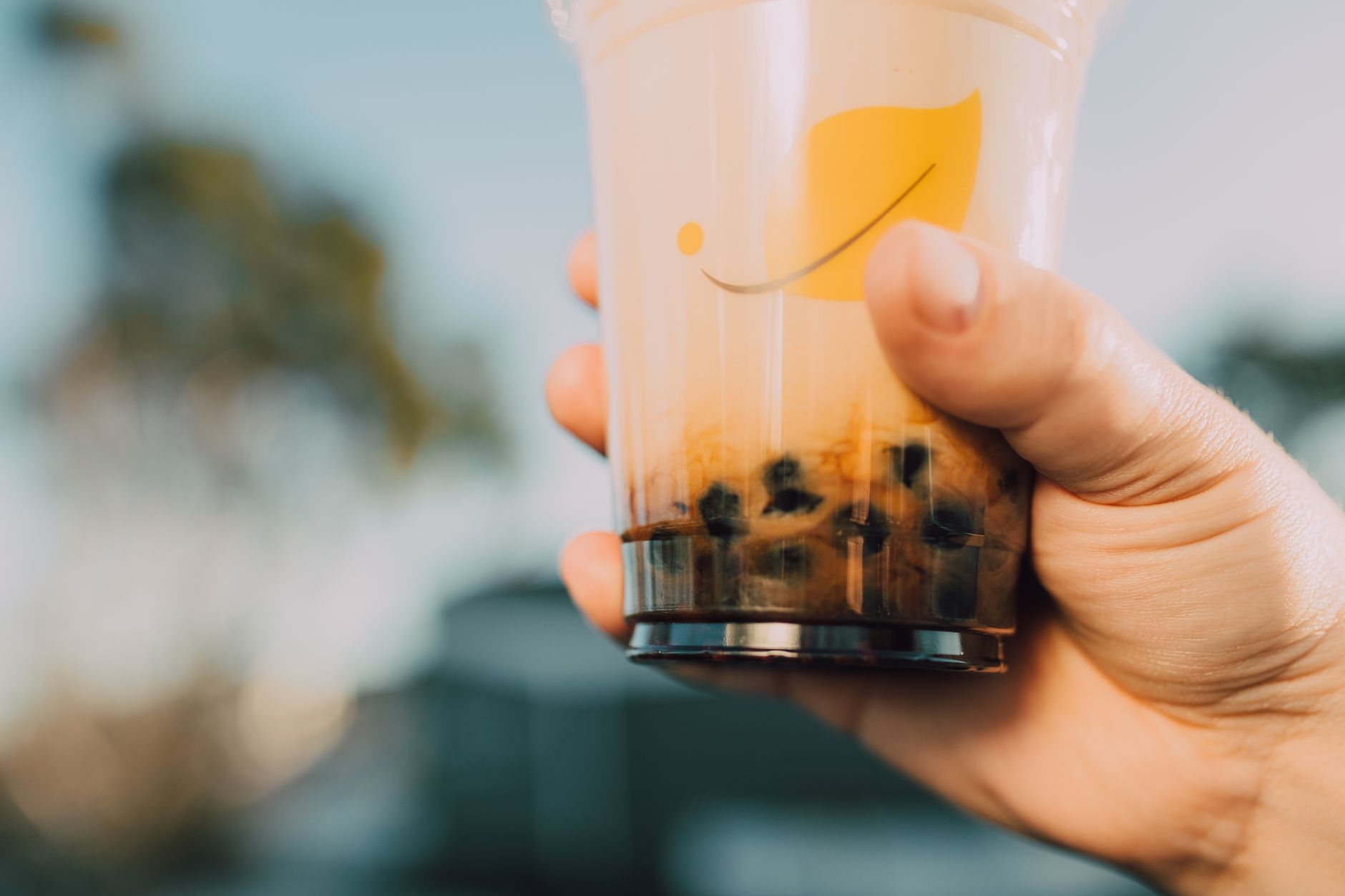

Cassava starch gives those chewy black spheres at the bottom of a bubble tea roughly 70 calories per ounce, most of it in the form of pure carbohydrate. A quarter cup of dry pearls delivers about 340 calories and roughly 85 grams of carbohydrate, with under half a gram of protein, almost no fat, and only trace micronutrients. Once they swim in brown sugar syrup, the total climbs fast, often pushing a 16-ounce drink past 400 calories and 30 grams of added sugar.
This guide covers everything you need to know about tapioca pearls, from their cassava origins through their nutritional makeup, modest benefits, and the side effects worth watching for in bubble tea lovers.
What Tapioca Pearls Are and Where They Come From
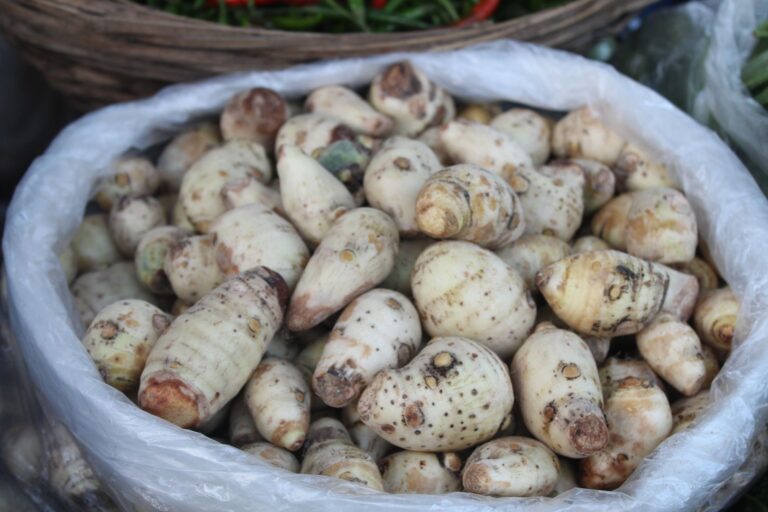
Cassava root, botanically Manihot esculenta, is a starchy tuber first domesticated in South America more than 8,000 years ago. Workers grate the root, wash the pulp repeatedly, and dry the extracted starch into a fine white powder, which gets rolled into uniform spheres and dried again before shipping. Once boiled, those spheres gelatinize into the bouncy texture you recognize sliding up a bubble tea straw.
Raw cassava contains cyanogenic glycosides, compounds that release cyanide if the root is not properly processed. Commercial preparation washes, presses, and heat-treats the starch to break down those compounds, which is why mass-produced pearls are considered safe. Artisanal or poorly regulated cassava products, especially in regions where the root is a dietary staple, can pose a real hazard when that processing step is skipped or rushed.
From Taiwanese Tea Shops to Global Drink Menus
Bubble tea, the drink that turned tapioca pearls into a global commodity, emerged in Taiwan during the 1980s. Taiwanese tea shops began cooking the pearls in brown sugar or honey syrup and serving them suspended in iced tea or milk, and the format spread across East Asia before crossing the Pacific. The signature black color comes from caramel or brown sugar added during cooking, not from the starch itself.
With that origin established, it helps to know what those chewy spheres actually deliver nutritionally.
Nutritional Profile of Tapioca Pearls
A quarter cup of dry pearls provides about 340 calories and 85 grams of carbohydrate, with less than half a gram of protein and virtually no fat. You may find trace amounts of iron, calcium, and folate, but the pearls are not a meaningful source of any vitamin or mineral your body needs in real quantity. Most of the energy you absorb is straight glucose from starch.
The starch behaves differently depending on how it is processed and cooked. One fraction acts like typical digestible starch, while another portion becomes resistant starch, a form that escapes digestion in the small intestine and reaches the colon intact. That dual behavior explains both the quick energy hit and the gas or bloating that can follow a large serving.
Calories, Carbs, and the Glycemic Spike
The glycemic index of tapioca starch is high, often landing between 70 and 90 on a standard scale, which means it converts to glucose rapidly after a meal. For anyone managing blood sugar, that single fact reshapes how often a bubble tea fits into a week. Cooked pearls added to a typical 16-ounce drink contribute another 150 to 250 calories, and once brown sugar syrup joins in, the added sugar can exceed 30 grams in one sitting.
| Serving (approx.) | Calories | Carbs | Sugar | Fiber |
|---|---|---|---|---|
| 1/4 cup dry pearls | ~340 | ~85 g | ~0 g | <1 g |
| 1/4 cup cooked pearls | ~150 | ~37 g | ~0 g | <1 g |
| 16 oz bubble tea (standard) | 200–450 | 40–80 g | 20–50 g | 0–2 g |
Health Benefits Worth Noting
Because tapioca starch comes from cassava rather than wheat, barley, or rye, tapioca pearls are naturally gluten-free. That single fact makes them a useful thickener and texturizer for people with celiac disease, wheat allergies, or non-celiac gluten sensitivity who want a chewy element in drinks or desserts without exposure to gluten proteins.
Quick-digesting carbohydrates have their place. Endurance athletes sometimes use tapioca-based gels for fast fuel before or during long efforts, and people recovering from illness who need easy calories without strong flavor can use a small serving of plain cooked pearls to top up energy intake.
Resistant Starch and Your Gut
Once cooked and then chilled, the starch inside the pearls resists digestion and reaches your colon largely intact, where resident bacteria begin to ferment it. As those bacteria ferment the starch, they produce short-chain fatty acids such as butyrate, which research links to healthier colon cells and steadier inflammation markers. The effect is modest, but it is a real upside that most calorie-focused reviews overlook.
Allergen-Friendly and Plant-Based
Tapioca pearls are free from dairy, eggs, nuts, and soy, which lets them fit cleanly into vegan, vegetarian, and most allergen-restricted households. Their neutral flavor and reliable thickening power also make them a versatile kitchen tool for soups, puddings, and baked goods where multiple dietary needs converge at the table.
Those practical strengths, however, sit alongside a less forgiving side of regular consumption.
Side Effects and Who Should Be Cautious
The same high glycemic index that delivers quick energy can send blood glucose on a sharp climb and crash, which is a real concern for anyone with diabetes or insulin resistance. Pairing pearls with protein, fat, or fiber slows that spike, but a sugary bubble tea on an empty stomach can still produce a noticeable swing in energy and hunger within an hour or two.
Large portions can leave you bloated, gassy, or backed up, especially if your gut is not used to fermentable starch. The resistant starch that benefits colon bacteria also produces gas as a byproduct of fermentation, and the chewy texture can feel heavy in the stomach for people with slower digestion.
Additives, Preservatives, and Choking Risk
Commercial pearls often contain added sugar, caramel coloring, and preservatives such as sulfites to extend shelf life and lock in that glossy black surface. Sulfites can trigger reactions in sensitive individuals, particularly people with asthma, and some lower-end brands rely on artificial dyes or undisclosed thickeners. Scanning the ingredient list matters more than most people realize.
Choking is a documented hazard, particularly for young children and older adults. The chewy, slippery pearls can lodge in the airway if swallowed too quickly or without enough chewing, and emergency rooms have reported cases linked to bubble tea. Sipping slowly and chewing the pearls, rather than letting them slide down whole, lowers that risk considerably.
Raw or improperly processed cassava retains cyanogenic compounds that can release cyanide. Stick to commercially packaged pearls from regulated manufacturers, and avoid cassava products from informal or unlabeled sources.
Tapioca Pearls in Bubble Tea and Everyday Foods
A standard 16-ounce cup of bubble tea usually delivers 200 to 450 calories, with the sweetened tea, milk, or flavored syrup accounting for the bulk of that total rather than the pearls themselves. Order the same drink with plain tea, unsweetened plant milk, and no syrup, and the calorie count drops sharply while the chewy texture stays intact.
Home cooks reach for tapioca pearls in savory applications more often than you might expect. They thicken stews and sauces without the gluten that flour-based thickeners introduce, they bind veggie burgers in place of eggs, and they fry into crisp pearls that add crunch to salads and desserts in ways wheat-based coatings cannot replicate.
Storage and Freshness
Prepared pearls hold their bounce for a few hours at room temperature, which is why most bubble tea shops cook small batches throughout the day rather than prepping one large pot at open. Refrigerated pearls firm up as the starch retrogrades, so cold leftovers rarely match the silky chew of a fresh batch. For home use, cook only what you will eat within a few hours, or freeze portions in syrup and reheat gently.
Keeping that short shelf life in mind makes it easier to weave tapioca into meals without waste.
Smarter Ways to Include Tapioca Pearls in a Balanced Diet
Treat bubble tea as an occasional indulgence, not a daily habit. When you do order, ask for half sugar or skip the syrup entirely to halve the caloric impact without losing the pearl experience. Many shops now offer sweetness sliders, and a 50% or 0% setting keeps the drink enjoyable without pushing your added-sugar intake past the recommended daily ceiling in a single cup.
Pairing pearls with protein and fiber slows the glucose response. A small serving of cooked pearls alongside a meal built on eggs, nuts, vegetables, or legumes keeps the glycemic curve flatter than the same pearls eaten alone, which matters even for people without diabetes who want steadier afternoon energy.
- Read labels carefully: favor brands that list cassava starch as the primary ingredient without artificial colors, caramel, or undisclosed preservatives.
- Watch the portion: a quarter cup of cooked pearls delivers the chew and satisfaction without the carbohydrate load of a supersized cup.
- Skip the syrup when you can: plain tea, unsweetened plant milk, or a splash of fruit preserves provides flavor without the sugar spike.
- Eat fresh whenever possible: cooked pearls firm up in the fridge, so small batches cooked the same day taste noticeably better than leftovers.
For people who manage diabetes, follow a low-FODMAP plan, or track calories closely, lower-glycemic alternatives can deliver a similar chewy element. Chia seeds soaked in liquid form soft gel pearls for drinks, small portions of cooked barley add chew to soups and grain bowls, and sago, a close starch relative of tapioca, behaves similarly in desserts while letting you control added sugar more precisely.
Bottom Line
Tapioca pearls are a useful, naturally gluten-free starch with a narrow but real set of benefits and a sharper set of trade-offs. Treat them as a textured accent rather than a nutritional staple, and pair them with protein, fiber, and minimal added sugar to keep their glycemic punch in check. The pleasure of a bubble tea is real, and so is the calorie math that comes with it.
FAQ
What are tapioca pearls made from?
That made from cassava starch extracted from the cassava root, also known as Manihot esculenta. The starch is rolled into small spheres, dried, and then boiled until gelatinized, which produces the chewy texture found in bubble tea.
How many calories and how much sugar are in tapioca pearls?
A quarter cup of dry pearls contains about 340 calories and under a gram of sugar, while the same portion of cooked pearls drops to roughly 150 calories. A standard 16-ounce bubble tea with pearls and syrup usually contains 200 to 450 calories and 20 to 50 grams of sugar, most of it added.
Are tapioca pearls healthy or unhealthy?
They sit in a middle ground. Tapioca pearls are naturally gluten-free, plant-based, and contain some resistant starch, but they deliver mostly fast-digesting carbohydrates with little protein, fiber, or micronutrient value, especially when served in sugary syrup.
Do tapioca pearls have any nutritional benefits?
Yes, a few. They are naturally gluten-free, suitable for vegan diets, and contain resistant starch that can feed beneficial gut bacteria and support short-chain fatty acid production in the colon. They also provide a quick source of energy for athletes or people recovering from illness.
Are tapioca pearls gluten-free and safe for people with allergies?
Yes, tapioca pearls are naturally gluten-free because they come from cassava rather than wheat, barley, or rye. They also contain no dairy, eggs, nuts, or soy, though people sensitive to sulfite preservatives should check the label.
Can people with diabetes eat tapioca pearls?
Small portions can fit into a diabetes-friendly plan when paired with protein, fat, or fiber, but the high glycemic index means a sugary bubble tea on its own can spike blood glucose quickly. Sugar-free tea, unsweetened plant milk, and reduced syrup are the safer choices for regular enjoyment.