
A tangelo is a citrus hybrid fruit created by crossing a tangerine (Citrus reticulata) with a grapefruit or pomelo (Citrus paradisi), giving you easy-peel skin, juicy segments, and a flavor that sits between sweet and tart. One medium fruit delivers about 60 to 80 calories, a hefty dose of vitamin C, and 2 to 3 grams of dietary fiber, which makes it a practical everyday snack. Florida leads U.S. production, and the Minneola and Orlando are the two varieties you will see most often at market between November and March.
The sections below cover what a tangelo actually is, how it compares to its citrus cousins, what the nutrition label reveals, the benefits backed by evidence, and the safety considerations worth knowing before you bite in.
The Citrus Hybrid Behind the Tangelos Sold in Stores
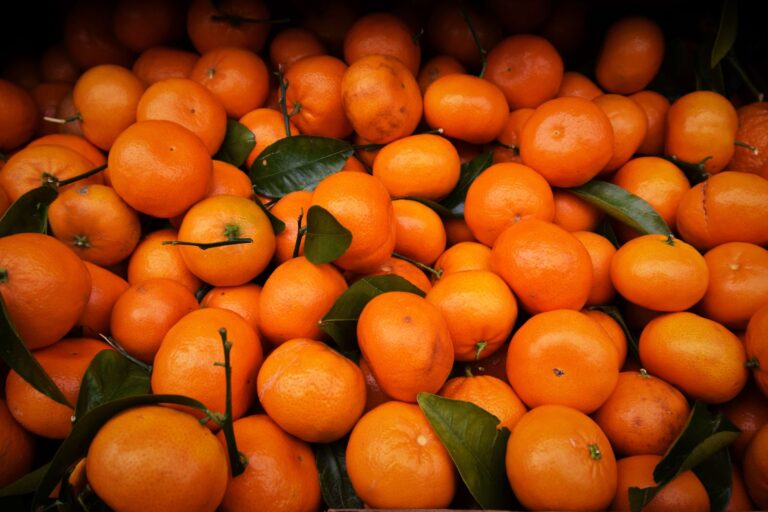
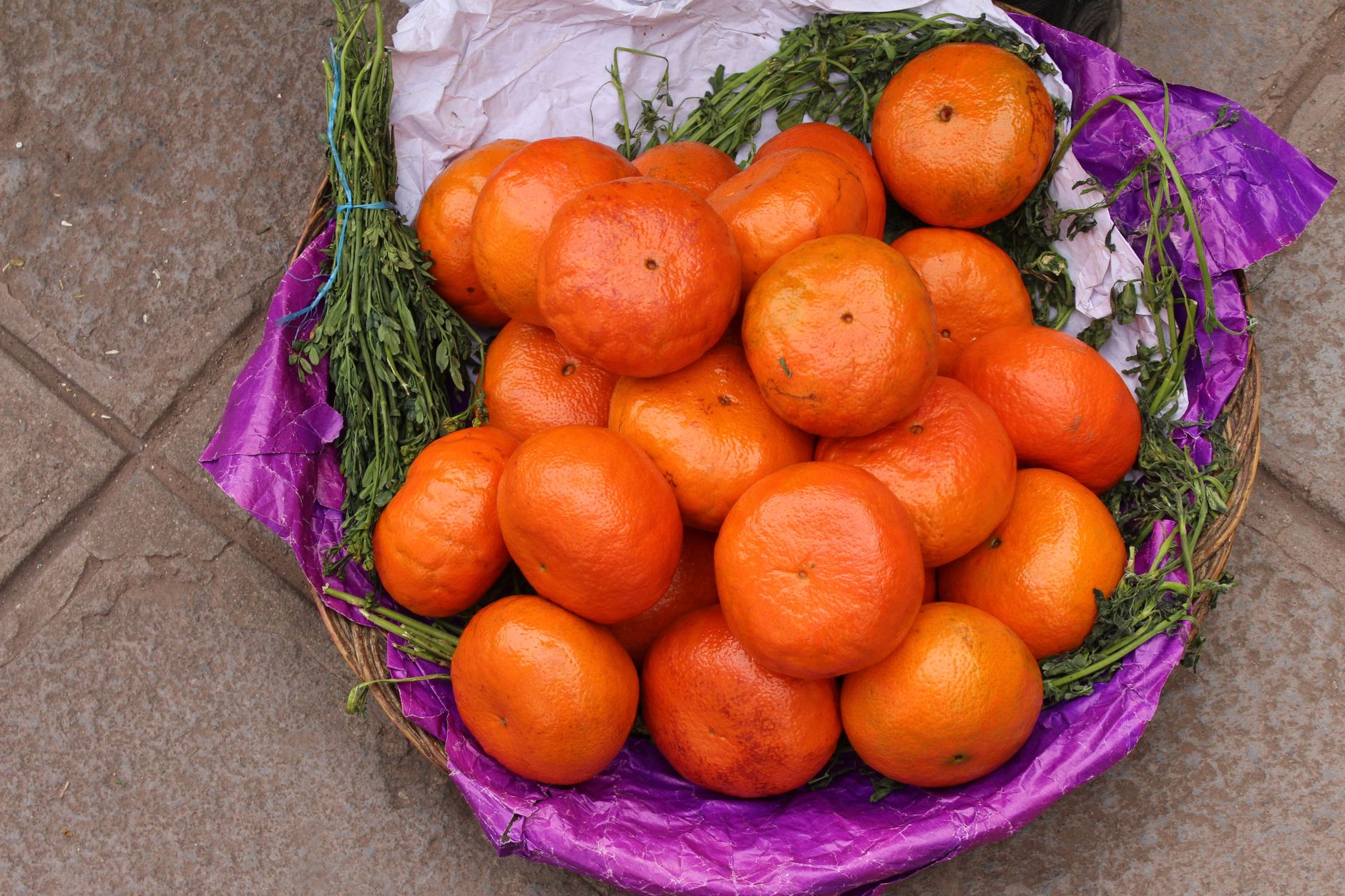
Walk past the orange display in winter and you may spot a fruit with a small knob on top, a pebbly reddish-orange rind, and a faint tropical scent. That fruit is almost certainly a Minneola tangelo, the offspring of a tangerine crossed with a grapefruit or pomelo. Plant breeders first developed the hybrid in the late 1800s, and growers have refined it ever since for thicker juice, fewer seeds, and easier peeling.
Minneola and Orlando: The Two Commercial Mainstays
Two varieties dominate U.S. shelves. The Minneola has a bell shape, a pronounced neck, and a punchy sweet-tart juice with very few seeds. The Orlando is rounder, milder, and often nearly seedless, which makes it a friendlier choice for segmenting over salads. Both are larger than a tangerine and noticeably smaller than a grapefruit, with loose skin that sets them apart from the slick rind of a navel orange.
When and Where Tangelos Grow
Florida is the leading U.S. producer, with peak availability running from November through March. Texas, California, and Arizona contribute smaller volumes, but the bulk of what you find in mainstream grocery stores is shipped out of Florida citrus country. Because the season is short, fresh tangelos tend to be a winter fruit rather than a year-round staple.
How a Tangelo Stacks Up Against Oranges, Tangerines, and Grapefruit
If you have ever picked up a tangelo and wondered whether it is just a fancy orange, the short answer is no. It is larger than a tangerine, smaller than a grapefruit, and built for peeling the way a tangerine is, but the flavor lands somewhere between the two. The juice tends to be sweeter than grapefruit, more layered than a standard navel orange, and noticeably more aromatic than either parent.
| Feature | Tangelo | Tangerine | Navel Orange | Grapefruit |
|---|---|---|---|---|
| Average size | Medium-large | Small | Medium-large | Large |
| Peel ease | Easy, pebbly | Easy, smooth | Tight, slick | Tight, thick |
| Flavor profile | Sweet with tart edge | Mildly sweet | Sweet, classic | Bitter-tart, sharp |
| Seed count | Varies by variety | Usually few | Seedless | Few to many |
| Peak season (U.S.) | Nov–Mar | Oct–Apr | Nov–May | Nov–Jun |
Use this table as a quick reference when you are standing in the produce aisle. A Minneola tends to taste more assertive than an Orlando, and grapefruit reliably delivers the most bitter bite of the four. If you are cooking, a tangelo’s middle-of-the-road flavor makes it a natural bridge fruit in mixed-citrus recipes.
What the Nutrition Label of a Medium Tangelo Actually Shows
USDA nutrition data for a raw tangelo, about 100 grams or roughly one medium fruit, lists 60 to 80 calories, around 60 to 70 mg of vitamin C, and 2 to 3 grams of dietary fiber. Carbohydrates make up the bulk of the energy, mostly as natural sugars balanced by water and pulp. Fat and sodium are essentially zero, and you get no added sugar as long as you eat the whole fruit rather than drinking processed juice.
Vitamin C, Folate, and Potassium in Practical Terms
One medium tangelo covers a large share of an adult’s daily vitamin C requirement, which is the main reason citrus has its strong reputation. Folate, the B-vitamin linked to healthy cell function, shows up in smaller but worthwhile amounts, especially helpful if you are pregnant or planning a pregnancy. Potassium, the electrolyte that helps regulate blood pressure, lands at around 200 mg per fruit, comparable to a small banana.
Why Whole Fruit Beats Juice for Satiety and Sugar
When you eat a whole tangelo, the fiber in the pulp and pith slows the absorption of natural sugars, which blunts the glucose spike you would get from a glass of juice. Segmenting and chewing also tends to slow you down, and the water content adds to a feeling of fullness. If you are watching your sugar intake or simply trying to snack smarter, reaching for the whole fruit almost always beats pouring a glass.
Evidence-Based Health Benefits Linked to Regular Tangelo Consumption
Tangelos share most of their nutritional strengths with other citrus fruits, and the research base for those benefits is solid. Eating citrus regularly is associated with better hydration, steadier digestion, and a lower risk of certain chronic conditions, mostly because vitamin C, flavonoids, and soluble fiber work together.
- Immune function: Vitamin C supports the skin’s barrier function and the activity of white blood cells that respond to infection.
- Antioxidant defense: Flavonoids like hesperidin and naringin help neutralize free radicals that contribute to chronic inflammation.
- Digestive health: Soluble fiber feeds beneficial gut bacteria and adds bulk to stool, which supports regular bowel movements.
- Heart health: Folate helps regulate homocysteine, a blood marker linked to cardiovascular risk, while potassium helps balance blood pressure.
- Steadier energy: Fiber and water together slow digestion, so a whole tangelo tends to satisfy hunger longer than juice or a plain carbohydrate snack.
These benefits stack up best when tangelos are part of an overall diet rich in vegetables, whole grains, and lean protein. A single fruit cannot undo a poor pattern, but it can be one of the easier upgrades to make.
Hydration as an Everyday Win
Citrus fruits are roughly 85 to 90 percent water by weight, and a tangelo is no exception. Eating one in the afternoon is a quiet way to add a few ounces of fluid to your day without forcing yourself to drink another glass of plain water. Combine that hydration with potassium and a touch of natural sugar, and you have a snack that does a better job refueling you after a walk than a bag of chips.
Drug Interactions, Allergies, and Who Should Eat Tangelos with Caution
The same furanocoumarin compounds that give grapefruit its interaction warnings also show up in tangelos, though usually in smaller amounts. These natural chemicals can interfere with the CYP3A4 enzyme in your gut, which is the same enzyme your liver uses to break down many common medications. If you take a statin, a calcium channel blocker for blood pressure, or several other long-term prescriptions, ask your prescribing clinician or pharmacist before adding tangelos to your daily routine.
Citrus allergies, acid reflux sensitivity, and fructose intolerance can all flare up after tangelo flesh or juice. Whole fruit is generally safer than concentrated juice for anyone watching sugar spikes, because the fiber slows glucose absorption.
For most people without prescriptions or citrus allergies, a tangelo a day is a perfectly reasonable choice. The catch is the word “most,” and the only reliable way to know which group you fall into is to check with a qualified healthcare professional if you are on long-term medication.
Medications Worth Flagging
Statins used to lower LDL cholesterol are the most commonly cited example. Some blood pressure drugs, certain antihistamines, and a few immunosuppressants can also be affected by furanocoumarins. The effect varies by individual and by compound, so the safest move is a quick conversation with your pharmacist rather than guessing.
Citrus Allergies and Acid Sensitivity
True citrus allergies are uncommon but real, and they can show up as itching around the mouth, hives, or in serious cases, swelling that needs immediate care. If oranges or tangerines have ever given you trouble, treat tangelos with the same caution. People prone to acid reflux sometimes find that tangelo juice is gentler than grapefruit but still triggers symptoms, so start with a small portion and see how you feel.
Those individual benefits only matter if the fruit fits comfortably into your routine, so let’s look at how to pick and keep them.
Selecting, Storing, and Using Tangelos in Everyday Cooking
Pick a tangelo that feels heavy for its size, since weight means juice. The skin should look taut and brightly colored, with a faint sweet fragrance at the stem end. Avoid anything with soft spots, mold at the stem, or a dry, pithy feel when you squeeze it gently. A small neck on a Minneola is a good sign of proper pollination and full flavor.
Storage and Ripening
Tangelos keep for a few days at room temperature, which is the right call if you plan to eat them within the week. For longer storage, refrigerate them in the crisper drawer, where they can hold their juiciness and vitamin C content for up to two weeks. Whole fruit stores far better than pre-cut segments, which lose vitamin C quickly once exposed to air.
Cooking, Juicing, and Zesting
Segmenting a tangelo over a green salad adds color, sweetness, and a pop of acidity without any dressing. Stir segments into Greek yogurt or overnight oats for a bright breakfast, or whisk the juice into a vinaigrette with olive oil, mustard, and a touch of honey. The zest carries aromatic oils that lift marinades, quick breads, and cocktails, so grab the rind with a microplane before you juice the flesh.
- Salad topper: Segment over arugula with shaved fennel and toasted almonds for a winter side.
- Breakfast boost: Spoon segments over oatmeal with a drizzle of tahini and a pinch of cinnamon.
- Vinaigrette base: Whisk 3 tablespoons tangelo juice with olive oil, Dijon, and salt for a citrus-forward dressing.
- Dessert sauce: Reduce tangelo juice with a little sugar and a star anise pod for a glossy sauce over pound cake.
- Cocktail accent: Muddle a few segments with herbs and top with sparkling water for a nonalcoholic spritz.
When you cook with tangelo zest, add it at the end of cooking whenever possible. Heat destroys some of the aromatic oils, and a late addition keeps the bright top notes intact.
Key Takeaway
A tangelo earns its spot in your shopping cart by delivering real nutrition in an easy-to-eat package: a generous hit of vitamin C, meaningful fiber, useful folate and potassium, and a flavor that punches above its weight. Eat the whole fruit instead of drinking the juice, check with your pharmacist if you take long-term medications, and grab Minneolas for tangy intensity or Orlandos for a milder, nearly seedless bite.
FAQ
Is a tangelo the same as a tangerine?
No. A tangelo is a deliberate cross between a tangerine and a grapefruit or pomelo, while a tangerine is a distinct species. Tangelo fruit is larger, has a slightly tart edge, and often shows the characteristic knobbed neck of the Minneola variety.
How many calories are in one tangelo?
A medium tangelo contains roughly 60 to 80 calories, almost entirely from natural sugars balanced by water and fiber. There is essentially no fat or sodium, and no added sugar when you eat the fruit whole.
Can you eat tangelo skin or zest?
The peel is technically edible but bitter and thick, so most people skip it. The outer colored zest, removed with a fine grater, carries aromatic oils and works well in baked goods, marinades, and dressings.
Do tangelos interact with medications like grapefruit does?
Tangelos contain furanocoumarins that can interfere with certain drugs, including some statins and blood pressure medications, though usually in smaller amounts than grapefruit. If you take long-term prescriptions, confirm safety with your pharmacist or prescribing clinician.
When is tangelo season in the United States?
Peak U.S. season runs from November through March, with Florida as the leading producer. Outside those months, fresh tangelos are harder to find and tend to be imported or shipped from smaller Texas, California, or Arizona operations.