
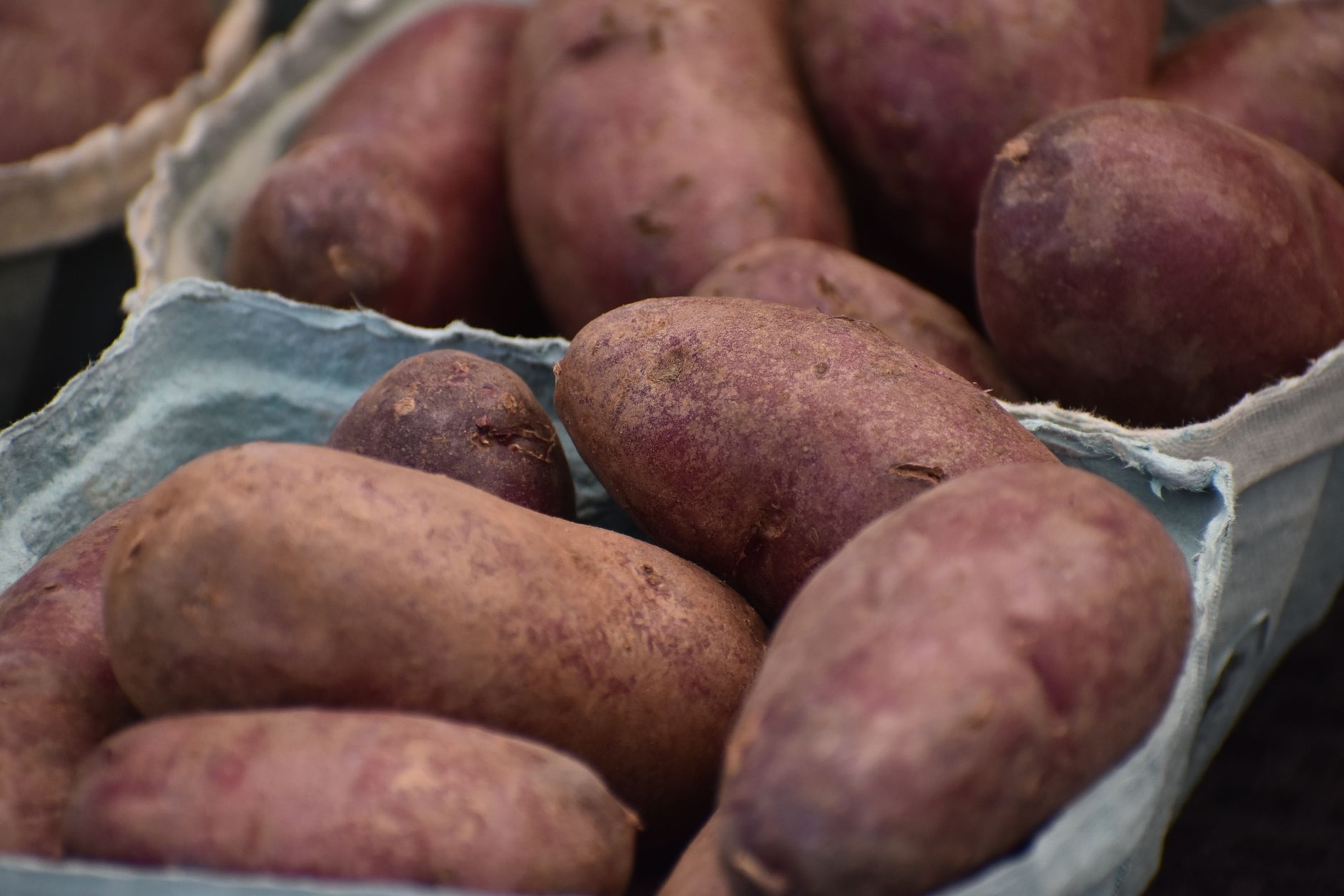

Anthocyanin pigments give these tubers their deep violet skin and flesh, though they still belong to the same Solanum tuberosum species as everyday russets and Yukons. Those pigments are flavonoids that act as antioxidants in the body, and they bring extra phenolic compounds, potassium, vitamin C, and a meaningful dose of resistant starch to a familiar food. Cooked gently and paired with fat, a single medium tuber offers a more moderate blood sugar response than a comparable russet, with a color that signals real chemistry rather than novelty.
What follows covers the Andean origin story, the nutrient numbers, the antioxidant research, real benefits, possible side effects, and the cooking methods that protect both color and nutrition.
What Sets Purple Potatoes Apart From Familiar Varieties
Long before European breeding programs standardized pale, starchy potatoes, Indigenous farmers in the Andean highlands of present-day Peru and Bolivia selected tubers with deeper pigment and bolder flavor. The International Potato Center, headquartered in Lima, still preserves hundreds of these native landraces. Among them, true purple-fleshed types store high concentrations of anthocyanins in both skin and flesh, a trait that almost never appears in the white or yellow varieties stacked at most American supermarkets.
The Role of Anthocyanins in the Color
Anthocyanins are water-soluble flavonoid pigments that shift between red, purple, and blue depending on cell pH. In the skin and flesh of these tubers, they serve as the plant’s own sunscreen and pest deterrent. When a recipe lands on the table, those same molecules behave as dietary antioxidants, donating electrons to neutralize reactive oxygen species before they damage cell membranes. That’s the chemical bridge between a striking color and a real nutritional argument.
Varieties Common in the United States
Three names show up most often in specialty produce sections and at farmers’ markets. Purple Majesty is a deep violet, all-purpose variety bred at Colorado State University with a smooth, round shape and moderately dry flesh. All Blue, sometimes marketed under its older name Adirondack Blue, runs slightly starchier and holds its color well after roasting. Purple Peruvian, a heirloom with a longer, knobbier form, carries an earthier, almost nutty flavor. A French heirloom called Vitelotte sits at the most intense end of the spectrum, with near-black skin and a dense, waxy interior that holds shape in salads.
Why Purple Sweet Potatoes Are a Different Food
Okinawan sweet potatoes sold as “purple sweet potatoes” in the US belong to a separate species, Ipomoea batatas, and cook up noticeably sweeter and softer than true purple spuds. True purple-fleshed potatoes are starchier, less sweet, and belong to the same species as the russet in your pantry. Treating them as interchangeable swaps leads to cooking times and seasoning choices that miss what each food does best.
A Nutritional Snapshot of One Medium Purple Potato
A medium tuber weighing roughly 150 grams delivers about 110 calories, 2 grams of protein, 24 grams of carbohydrate, and less than half a gram of fat. That footprint is close to a russet of the same weight, but the post-cook behavior of those carbohydrates differs because of how the starch is structured. Resistant starch, a fraction that resists digestion in the small intestine, makes up a noticeably larger share of the total carbohydrate in pigmented varieties.
Side-by-Side Comparison With Other Potatoes
| Nutrient (per 150 g, baked) | Purple Potato | Russet Potato | Sweet Potato |
|---|---|---|---|
| Calories | ~110 | ~130 | ~115 |
| Carbohydrates | 24 g | 31 g | 27 g |
| Fiber | 3.5 g | 2.5 g | 4.0 g |
| Potassium | 500 mg | 550 mg | 450 mg |
| Vitamin C | 12 mg | 12 mg | 20 mg |
Numbers above reflect published values from USDA FoodData Central for whole baked potatoes with skin, rounded for clarity. Exact values shift with variety, soil, and cooking method.
Micronutrients Worth Noting
Potassium sits around 500 milligrams per medium tuber, roughly 11% of the adult daily target, and helps counterbalance sodium in the diet. Vitamin C contributes about 12 milligrams, modest but useful when paired with the iron in a meal. B vitamins, particularly B6 and folate, support energy metabolism and red blood cell formation. Together with magnesium and trace iron, the package resembles a russet but arrives with the added antioxidant layer.
Fiber, Resistant Starch, and the Glycemic Index
A single medium tuber delivers roughly 3 to 4 grams of total fiber, divided between soluble fiber and resistant starch. Resistant starch ferments in the colon and feeds beneficial bacteria much like a prebiotic. The glycemic index of pigmented potatoes typically lands in the moderate range, often below that of a comparable russet, especially when the tuber is cooked and then cooled before eating. Cooling encourages retrogradation, a process in which digestible starch reorganizes into a form the small intestine absorbs more slowly.
Because those pigments are exactly what researchers have been measuring, the antioxidant data is more revealing than a label glance might suggest.
What the Antioxidant Research Actually Shows
Anthocyanins from purple potatoes show measurable free-radical scavenging activity in laboratory assays and in animal studies. Translating that into a human health claim is where the evidence gets more cautious, but several lines of research are converging.
Blood Pressure and Vascular Function
A small crossover trial published in 2012 found that overweight adults who ate 6 to 8 small microwaved purple potatoes twice daily for four weeks saw a modest drop in systolic and diastolic blood pressure without weight change. Other work points to improved flow-mediated dilation, a measure of how well blood vessels relax, after several weeks of pigmented potato consumption. The size of the effect is small, but the direction is consistent across multiple human and animal studies.
Inflammation and Exercise Recovery
Anthocyanin-rich foods broadly appear to lower circulating markers of inflammation, including IL-6 and C-reactive protein, in controlled feeding studies. In athletes, purple-fleshed potato extract taken around hard training has been associated with reduced muscle soreness and faster return of strength, though most of this research is still preliminary and uses concentrated extracts rather than whole baked tubers.
Whole food sources deliver antioxidants in a matrix that slows absorption and may extend the benefit window beyond what a supplement provides.
Where the Evidence Stops
Claims about cancer prevention or vision protection sit on much shakier ground. Anthocyanins from other sources, such as blueberries, have been linked to lower risk of certain age-related macular changes, but the same effect cannot be assumed for potatoes, where the dose per serving is lower and the human data thin. Treat vision and cancer claims as plausible but unproven, and lean on established habits (varied produce, regular eye exams) rather than any single pigmented food.
Real Benefits You Can Build a Meal Around
The strongest, most consistent payoff from adding pigmented potatoes to a rotation sits in three areas: gut health, blood sugar response, and overall dietary quality. Each one is grounded in a specific mechanism rather than a vague promise.
Gut Health From Resistant Starch
After slipping past digestion in the small intestine, resistant starch reaches the colon, where bacteria ferment it into short-chain fatty acids such as butyrate. Butyrate feeds colon cells and supports a tighter gut barrier. A serving of cooled, cooked purple potatoes can deliver a gram or more of this starch, with the bonus that reheating the same tuber doesn’t fully destroy the benefit.
A More Moderate Blood Sugar Response
Pigmented varieties consistently post a lower glycemic index than high-starch russets, particularly when boiled and cooled or roasted with the skin on. The fiber, the resistant starch, and the polyphenols each slow glucose absorption a little, and the combined effect can be meaningful for anyone tracking post-meal numbers. Pairing the tuber with a source of protein or fat (olive oil, Greek yogurt, eggs) pushes the response even lower.
Heart-Relevant Nutrients Working Together
Potassium helps regulate blood pressure, fiber supports cholesterol balance, and anthocyanins contribute to vascular function. None of these nutrients works in isolation, and the real value of a purple potato may be that it bundles all three into a single familiar food. For a person building a heart-friendly plate, that combination is easier to execute than chasing each nutrient through a shelf of separate products.
Satiety From Visual Novelty and Texture
Dense, waxy flesh and a vivid color tend to slow eating pace. A meal that takes 20 minutes rather than 8 minutes gives satiety hormones time to catch up with the fork. Satiety benefits rarely show up in nutrition databases, but they shape how full you feel an hour after the plate is cleared.
Those meal-building wins, though, come with caveats worth weighing before you load up your cart.
Side Effects, Sensitivities, and Who Should Moderate Intake
No whole food is right for every body in every quantity, and pigmented tubers come with a few real caveats that deserve attention before they become a daily habit.
Digestive Discomfort From a Sudden Fiber Jump
Tripling fiber intake overnight is a reliable way to earn bloating, gas, and cramping. If your current diet runs low on fiber, add a small portion once or twice a week and build up over two to three weeks. Drink water alongside the meal, since soluble fiber pulls fluid into the gut and needs it to do its job comfortably.
Solanine in Green Spots and Sprouts
Solanine and chaconine are glycoalkaloids present in all potatoes. Light, heat, and storage stress push the levels up, especially in green patches, bitter-tasting flesh, and sprouted eyes. Peeling deep and cutting away any green or sprout removes most of the compound. The same rule applies to purple varieties, despite the harder-to-see green color under dark skin.
Oxalates and Kidney Stone Risk
Potatoes contribute meaningful oxalate, and individuals prone to calcium-oxalate kidney stones sometimes need to track oxalate intake. A serving every few days is unlikely to shift risk for most people, but a person with a documented stone history should review their total dietary oxalate with a qualified healthcare professional before leaning heavily on any high-oxalate food.
Portion Guidance for Carb-Conscious Eaters
One medium tuber (about 150 grams) is a sensible single serving. For anyone managing insulin resistance, type 2 diabetes, or a weight-loss plan, the right move is to treat purple potatoes as a starch, not a free vegetable, and balance them with non-starchy produce and a protein source.
Buying, Storing, and Cooking for Maximum Color and Nutrition
How you select, store, and cook a purple potato determines how much of the anthocyanin and vitamin C actually makes it to the plate. A few targeted habits preserve both.
How to Pick a Good Tuber
Look for firm, heavy-for-their-size potatoes with smooth, unblemished skin. Avoid anything with green patches, soft spots, sprouts, or a wrinkled surface. Deeper color usually signals more pigment, but a paler Purple Majesty still outperforms a russet nutritionally. Farmers’ markets, well-stocked supermarkets, and online specialty growers all carry them in season, with availability peaking from late summer through early winter.
Storage Conditions That Protect Quality
Store tubers in a cool (45 to 50°F), dark, well-ventilated spot. The refrigerator is too cold and converts starch to sugar, producing an unpleasant sweet flavor and a darker cooked color. A paper bag in a pantry drawer works far better than plastic, which traps moisture and invites rot. Under good conditions, they keep for three to four weeks; under poor conditions, sprouts appear within days.
Cooking Methods Ranked by Anthocyanin Retention
Anthocyanins are water-soluble and heat-sensitive, so the cooking method that loses the least color and the most antioxidant activity is the shortest contact with water and the lowest practical temperature.
- Microwaving: Heats the tuber from the inside out with minimal water, preserving both color and phenolic content. A 5-to-8-minute cycle on high covers most medium potatoes.
- Steaming: Keeps the potato out of direct water, retaining 80% or more of anthocyanins in most published comparisons.
- Roasting: Dry heat at 400°F concentrates flavor and preserves most pigments, especially when wedges are tossed in oil to limit oxidation.
- Boiling: Leaches the most pigment into the water. Reserve the cooking water for soups or gravy if you want to recover some of the lost color.
Recipe-Friendly Preparations
Roasted wedges tossed with olive oil, salt, and rosemary show off the color against the plate. Smashed purple potatoes, boiled briefly and pressed flat before a hot oven finish, crisp at the edges while staying creamy inside. A vibrant mash, made with skin on for extra fiber, turns a familiar side into a conversation piece. For warm-weather meals, a salad with cubed, cooked-and-cooled potatoes, mustard vinaigrette, and fresh herbs lets the resistant starch do its work and keeps the color vivid against greens.
Bottom Line
it earn their place at the table through a specific combination: anthocyanin antioxidants, resistant starch that feeds gut bacteria, potassium and vitamin C in meaningful amounts, and a blood sugar response gentler than a russet’s. Cook them gently, eat the skin, and pair them with protein and fat. The color is a signal, not a gimmick, and the science behind it holds up to a closer read.
FAQ
What are the health benefits of purple potatoes?
They deliver anthocyanin antioxidants, potassium, vitamin C, B6, and a meaningful dose of resistant starch. Studies link regular consumption with lower blood pressure and improved vascular function, and the lower glycemic index makes them friendlier to blood sugar than a comparable russet.
Do purple potatoes have more antioxidants than white potatoes?
Yes. Anthocyanins add a layer of antioxidant activity that white or yellow varieties simply don’t have. Some lab measurements show three to four times the total phenolic content, with the largest gaps in raw or gently cooked forms.
Can eating purple potatoes cause side effects?
Sudden large portions can cause gas and bloating from the fiber and resistant starch. The glycoalkaloids in green or sprouted spots can be toxic in high amounts, and the oxalate content matters for people prone to calcium-oxalate kidney stones.
How do you cook purple potatoes?
Microwaving, steaming, and roasting preserve the most color and antioxidants. Boiling works but leaches pigment into the water. Leave the skin on for extra fiber and a deeper color.
Are purple potatoes better for blood sugar than regular potatoes?
Typically yes. Their glycemic index sits below that of a russet, and cooking then cooling boosts resistant starch. Pairing them with protein or fat pulls the post-meal response even lower.
Where can you buy purple potatoes?
Look for Purple Majesty, All Blue, or Purple Peruvian at farmers’ markets, well-stocked supermarkets, and online specialty growers. Peak season runs from late summer through early winter in most US regions.