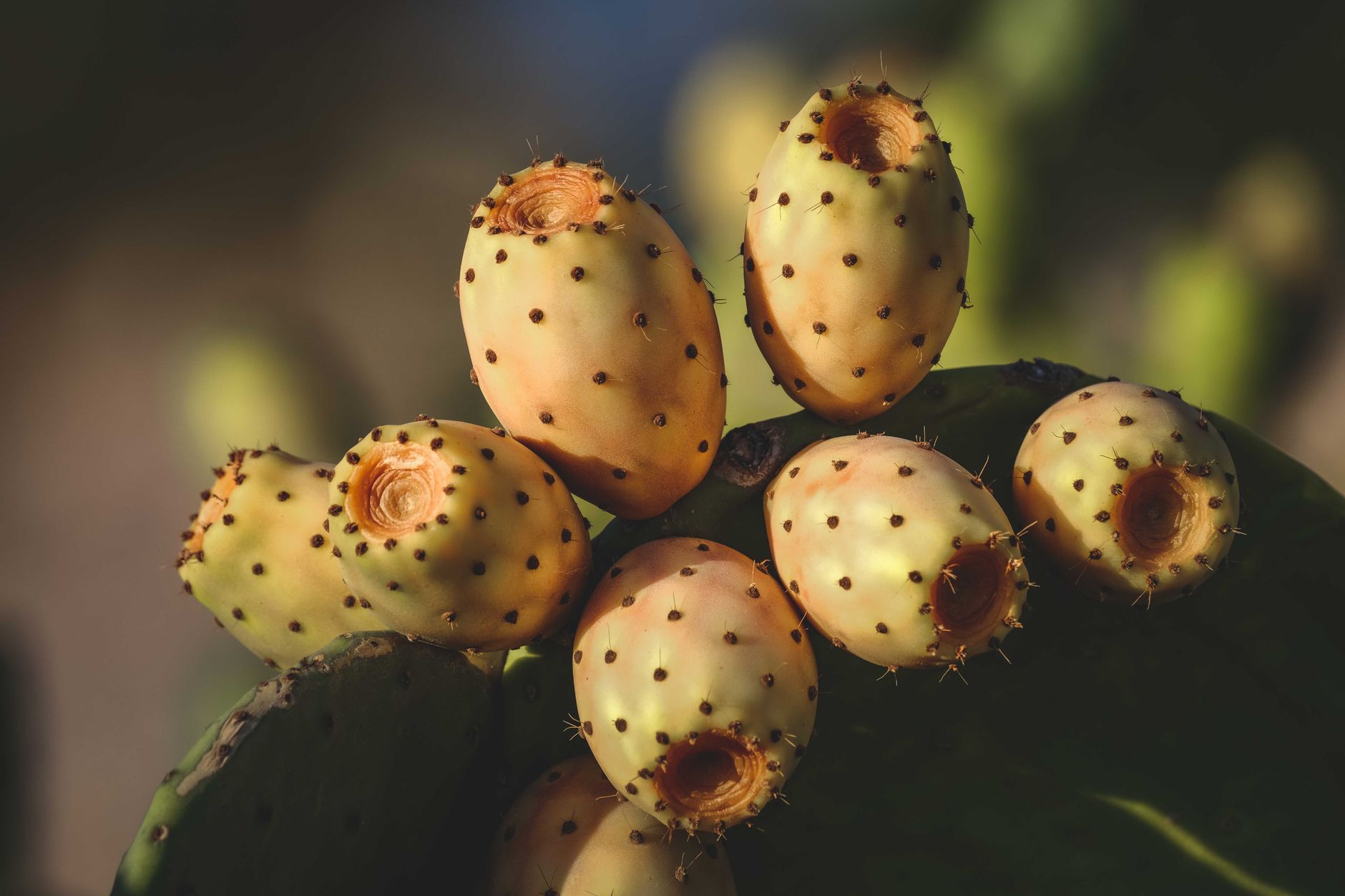

A single cup of this fruit delivers around 5 grams of fiber, 20% of the daily value for vitamin C, and a notable dose of magnesium, potassium, and betalain antioxidants, all for roughly 40 to 60 kcal. Human trials in people with type 2 diabetes show smaller post-meal glucose spikes after regular consumption, and folk use in Maya and Aztec medicine predates the modern research by centuries. You can eat the fruit, called tuna, fresh, juiced, blended into jam, or steeped into a light tea.
The walkthrough below covers what prickly pear contains, what the clinical evidence actually shows, and where the risks and drug interactions sit so you can fit it into your own routine.
Where Prickly Pear Comes From and How It Fits the Global Diet
Walk through any mercado in central Mexico in late summer and you will see towers of magenta and golden fruit stacked next to bundles of green paddles, all harvested from the same plant. The fruit, called tuna in Spanish, grows on the Opuntia genus, a group of cacti that thrive in arid soils from the American Southwest across the Mediterranean. The most widely cultivated species is Opuntia ficus-indica, also nicknamed Barbary fig or cactus pear.
Mexico remains the world’s largest producer and exporter, followed by Italy, Egypt, and parts of North Africa and the Middle East. You can eat the fruit raw, press it into juice, simmer it into syrup, dry it into a sweet powder, or cook it down into jam. The flat green pads, sold as nopales, count as a separate vegetable and behave more like green beans or okra in the pan.
Long before any clinical study, both fruit and pads held a place in Maya and Aztec medicine for digestion, wound care, and hydration. That folk legacy is part of why modern nutrition researchers flagged the plant as a candidate for blood-sugar and cholesterol trials.
What Prickly Pear Delivers in Vitamins, Minerals, and Calories
A single medium fruit weighs roughly 100 to 150 grams and lands between 40 and 60 calories. That small package carries a notable share of your daily vitamin C, along with magnesium, potassium, and a trace of calcium. The fiber content is where prickly pear really pulls its weight, supplying both soluble mucilage and insoluble roughage that slow digestion and feed gut bacteria.
Two pigment groups give the fruit its color and handle a share of the antioxidant work. Betalains, the same family that colors beets, show up most strongly in the magenta varieties, while flavonoids and vitamin C appear across the board. Both groups help neutralize reactive oxygen species, the unstable molecules that drive chronic inflammation when they outpace your body’s clearance.
Where Prickly Pear Sits on Common Nutrition Metrics
| Nutrient (per ~100 g fresh fruit) | Approximate Amount | What It Means for You |
|---|---|---|
| Calories | 40 to 60 kcal | Low calorie density, easy to fit into a snack or salad |
| Vitamin C | About 14 to 20 mg (15 to 22% of the Daily Value) | Supports immune function and collagen production |
| Magnesium | About 25 to 35 mg | Helps regulate blood pressure and muscle contraction |
| Potassium | About 200 to 220 mg | Balances sodium intake and supports heart rhythm |
| Dietary fiber | 3 to 5 g | Slows digestion, supports satiety, feeds gut bacteria |
| Glycemic index | Low to moderate (roughly 35 to 55 by ripeness) | Portion size, not the fruit alone, drives blood-sugar impact |
Numbers shift with variety, ripeness, and growing conditions, so treat the table as a working range rather than a fixed label. The bigger takeaway is the ratio: a lot of fiber and micronutrients packed into a small calorie budget.
That dense nutrient-to-calorie ratio is precisely what researchers latched onto when testing its effects on real patients.
Evidence-Based Benefits From Clinical and Traditional Use
Lab work and human trials line up with much of the traditional use, especially around blood-sugar and cholesterol balance. The strongest signal sits in glucose regulation, with secondary gains in lipid profiles, gut health, and recovery after physical or alcohol-related stress.
Blood Sugar and Insulin Sensitivity
Several small clinical trials, mostly in people with type 2 diabetes, found that eating prickly pear pulp or drinking its juice with a high-carbohydrate meal blunted the post-meal glucose spike compared with a control meal. The likely mechanism is the soluble fiber slowing gastric emptying and binding some of the sugar before absorption. Insulin sensitivity also appeared to improve over a few weeks of regular intake in at least one randomized trial.
None of this means the fruit replaces a medication your clinician prescribed. Whole-food guidance from the American Diabetes Association supports prickly pear as part of a balanced pattern, not as a standalone intervention.
Cholesterol Balance and Heart Markers
Studies in Mexico and Italy report modest drops in total and LDL cholesterol, alongside small rises in HDL, when participants added prickly pear to their diet for 8 to 12 weeks. The betalain pigments and fiber both seem to play a role, with anti-inflammatory effects supporting the inner lining of blood vessels as a bonus.
Digestive Support, Satiety, and Weight Management
That same soluble fiber ferments in the colon, feeding beneficial bacteria and producing short-chain fatty acids that help regulate appetite. Because the fruit is water-heavy and fibrous, it fills stomach volume without adding many calories, a useful combo when you track energy intake.
Recovery From Exercise and Hangovers
A small but often-cited Tulane study linked prickly pear extract to reduced hangover severity, possibly through anti-inflammatory effects on the gut lining. Separately, the same anti-inflammatory action has been tied to lower muscle soreness after strenuous exercise in a few preliminary trials.
Tip: Treat prickly pear as one ingredient in a balanced pattern, not a silver bullet. The benefits stack over weeks of regular use, not from a single serving.
Who Should Be Cautious: Side Effects and Drug Interactions
Most people tolerate the fruit well, but a few predictable pitfalls deserve a heads-up before daily use. The same compounds that help with blood sugar and blood pressure can amplify medications aimed at those same systems.
Common Digestive Reactions
Jump from a low-fiber diet to several prickly pears a day and you may trade benefits for bloating, gas, or loose stools. The mucilaginous fiber draws water into the gut, and a sudden surge overwhelms the bacteria that ferment it. Build up gradually over a week or two to give your microbiome time to adjust.
Allergy Risk in Sensitive Individuals
Allergic reactions, including hives, itching, and in rare cases swelling, can occur in people sensitive to other cacti, figs, mulberries, or natural rubber latex because of shared plant proteins. Anyone with a known latex-fruit syndrome should introduce prickly pear slowly and on its own, so any reaction is easy to identify.
Drug and Condition Interactions
The fruit can amplify the blood-sugar-lowering effect of insulin, metformin, sulfonylureas, and similar medications, raising the risk of hypoglycemia if doses are not adjusted. Its potassium and fluid-shifting compounds can also nudge blood pressure lower, which matters if you already take antihypertensives or diuretics. Pregnant or breastfeeding women and anyone scheduled for surgery should flag any regular use to a qualified healthcare provider, since anesthesia and blood-sugar control both deserve a clean baseline.
Once those cautions are on the table, the practical question becomes how to actually handle the fruit without injury.
Choosing, Preparing, and Eating Prickly Pear Without the Spines
The fruit’s biggest practical barrier is not flavor. It is the nearly invisible barbed bristles called glochids that detach on touch and irritate skin. A few habits keep the experience painless from market to plate.
How to Select a Ripe Fruit
Look for firm specimens with even color and no soft or moldy spots. Magenta, red, and yellow-orange varieties are all ripe when their skin gives slightly under gentle thumb pressure, much like a ripe pear. Hard, bright green fruit usually needs a few more days on the counter.
How to Peel It Safely
- Hold with tongs or thick gloves. The bristles detach easily and lodge in skin.
- Trim the base and crown. A small paring knife slides through cleanly at both ends.
- Score the skin lengthwise. Make a shallow cut just through the peel, not deep into the pulp.
- Lift the skin away. Peel it back with the knife or your fingers, exposing the seed-studded interior.
- Rinse the pulp. A quick cool-water rinse clears any stray bristles before slicing.
Storage Basics
Whole, unpeeled fruit keeps in the refrigerator for about a week. Once peeled, store the pulp in a sealed container and use it within three to four days, or freeze it in ice cube trays for smoothies. A light syrup of honey and lemon helps preserve color and texture if you plan to jar it.
Adding Prickly Pear to a Daily Routine Without Overdoing It
Frequency matters less than consistency and portion size, especially when your goal is blood-sugar or cholesterol support. The clinical studies showing benefits typically used one to two medium fruits, about 100 to 200 grams of pulp, per day over several weeks.
Simple Ways to Use It
- Start with half a fruit. Gauge your digestive response before scaling up.
- Pair with protein or fat. Greek yogurt, cottage cheese, or a handful of nuts blunts the glucose response further.
- Toss into salads. Diced pulp adds color and a melon-like sweetness to grain bowls.
- Blend into smoothies. Frozen pulp cubes make a thick, bright base without extra sugar.
- Brew a light tea. Steep dried prickly pear pieces in hot water for a mildly sweet, ruby-red cup.
- Use the pads as a side. Grilled nopales bring the same magnesium and fiber benefits with a savory profile.
For supplements, follow the label and tell your healthcare provider, especially if you take glucose- or blood-pressure-lowering medication. Whole fruit gives you fiber alongside the active compounds, something a capsule often skips.
With that guardrail in mind, the short version lands cleanly: a useful whole food, best treated as one part of a varied diet.
The Bottom Line
Prickly pear delivers a real, measurable nutritional package: low calories, high fiber, useful antioxidants, and a glycemic footprint that fits most patterns in moderation. The strongest evidence supports modest improvements in blood-sugar response and cholesterol balance, with smaller wins for digestion and recovery. Start small, watch for digestive or allergic reactions, and loop in a qualified healthcare professional if you take medications that touch glucose or blood pressure.
FAQ
What are the health benefits of prickly pear?
Prickly pear provides fiber, vitamin C, magnesium, potassium, and betalain antioxidants that support blood-sugar regulation, cholesterol balance, digestion, and recovery from inflammation. Most benefits come from regular intake over weeks, not a single serving, and the fruit works best as one ingredient in a balanced pattern.
Is prickly pear safe to eat every day?
For most adults, one to two medium fruits a day is a reasonable range that matches the amounts used in clinical studies. Build up gradually, drink enough water, and flag regular use to a qualified healthcare professional if you take diabetes, blood-pressure, or diuretic medication.
Can prickly pear lower blood sugar?
Studies in people with type 2 diabetes show smaller post-meal glucose spikes and improved insulin sensitivity after several weeks of regular prickly pear consumption. The fruit can amplify the effect of diabetes drugs, so work with a qualified healthcare professional on dose adjustments before relying on it.
What are the side effects of eating prickly pear?
Common reactions include bloating, gas, diarrhea, or nausea, especially when fiber intake jumps suddenly. Allergic reactions are possible in people sensitive to other cacti, figs, or natural rubber latex, and the fruit can interact with diabetes or blood-pressure medications.
How much prickly pear should you eat a day?
Most studies showing benefits used 100 to 200 grams of pulp, roughly one to two medium fruits. Start with a half-fruit serving to test tolerance, then increase gradually while pairing with protein or fat to moderate the blood-sugar response.
Who should not eat prickly pear?
Pregnant or breastfeeding women should check with a qualified healthcare professional before supplementing. Anyone taking insulin, oral diabetes drugs, antihypertensives, diuretics, or with a known latex-fruit allergy should also talk with a clinician, since the fruit can amplify medication effects and trigger allergic reactions.