

A single cup of arils supplies roughly 7 grams of fiber, 24% of the daily value for vitamin C, and a class of antioxidants called punicalagins that occur in few other common foods, with the strongest clinical evidence pointing to lower blood pressure and improved arterial function. Roughly 144 calories, 7 grams of fiber, and a measurable polyphenol load come from one cup of arils, while the peel drives most of the antioxidant headlines you see on juice labels.
The sections below sort the nutrition profile, rank each health claim by evidence strength, flag real drug interactions, and show how to pick, deseed, and store the fruit without staining your kitchen.
The Ancient Fruit Behind the Modern Superfood Hype
Punica granatum likely originated somewhere between modern-day Iran and northern India, then spread along trade routes into the Mediterranean, North Africa, and South Asia. Ancient Egyptian medical papyrus already lists it as a digestive aid, and the fruit appears in Persian wedding rituals, Greek mythology, and the medicinal traditions of Ayurvedic and Unani practitioners.
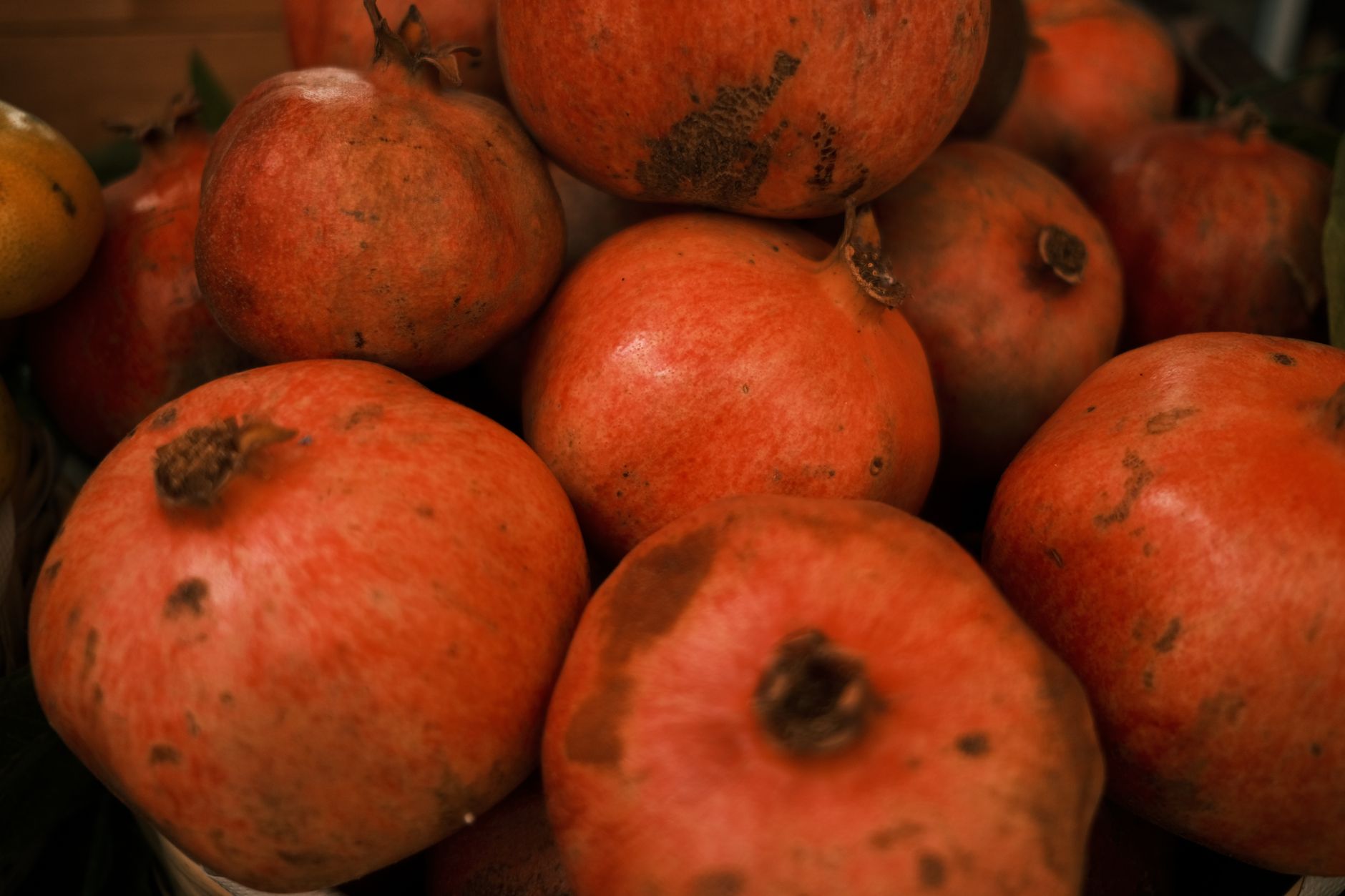
What you’re actually eating is a botanical oddball. The fleshy outer rind houses hundreds of sacs called arils, each one a tiny jewel of sweet-tart juice wrapped around a white seed. Those arils are the edible part. The bitter white pith between rind and arils, and the hard seeds inside each sac, are typically discarded, though some cultures grind the seeds into spice.
Where the Antioxidants Actually Live
The peel and white pith, not the juicy arils, hold most of the fruit’s famous punicalagins. Commercial juice captures these compounds because whole fruits are pressed rind and all, but a peeled aril-only snack delivers far less of the headline antioxidants. That gap between “fruit” and “juice” is the single biggest source of confusion in pomegranate research.
The modern reputation exploded after a 2000 study linked pomegranate juice to reduced LDL cholesterol oxidation. Marketing ran ahead of replication. Most subsequent trials are small, short, or industry-funded, so the gap between folk wisdom and clinical proof remains wide.
A Calorie-by-Calorie Look at Pomegranate Nutrition
One cup of arils, about 174 grams, delivers roughly 144 calories, 7 grams of fiber, 3 grams of protein, and a notable vitamin and mineral package. The full breakdown comes from standard food composition data and works as a reference whenever you’re sizing up portions.
| Nutrient | Amount per 1 cup arils (174 g) | Daily Target Context |
|---|---|---|
| Calories | ~144 | Modest for the volume of food |
| Fiber | ~7 g | About 25% of the 28 g target |
| Protein | ~3 g | Small but present |
| Vitamin C | ~10 mg | About 11% of the 90 mg RDA |
| Folate (B9) | ~66 mcg | Around 16% of the 400 mcg RDA |
| Vitamin K | ~29 mcg | About 24% of the 120 mcg target |
| Potassium | ~411 mg | About 9% of the 4,700 mg goal |
| Punicalagins | ~85–100 mg* | Levels vary widely by form and processing |
*Punicalagin content shifts sharply between whole arils, fresh juice, and commercial products, which is why the next comparison matters more than this single number.
How Whole Fruit, Juice, and Extract Stack Up
Eating the fruit and drinking the juice are not interchangeable. The table below shows the trade-offs you’ll weigh at the store, with values drawn from common portion sizes and published laboratory analyses.
| Form | Fiber (per typical serving) | Sugar (per typical serving) | Punicalagins / Polyphenols | Glycemic Effect |
|---|---|---|---|---|
| Whole arils (1 cup) | ~7 g | ~24 g natural | Moderate | Low (GI ~35) |
| Fresh-pressed juice (8 oz) | <1 g | ~24 g | High (3–4× arils) | Moderate (GI ~45–55) |
| Commercial juice (8 oz) | 0–1 g | ~22–30 g | Variable, often reduced | Moderate |
| Juice concentrate | 0 g | Very high per volume | Concentrated but lacks context | High |
| Powdered extract (capsule) | 0 g | 0 g | Standardized, dose-dependent | Negligible |
That table explains a recurring question: pomegranate juice benefits and whole-fruit benefits overlap, but they’re not the same exposure. Juice delivers more punicalagins per calorie; arils deliver fiber, slow-release carbs, and a built-in portion cap. Supplements concentrate the actives but strip every other food-matrix interaction, which is why standardized extract trials show different results than juice trials.
Which Health Claims Are Actually Backed by Science
Not all pomegranate benefits carry equal weight. The ranking below separates effects with consistent human-trial support from those resting on a single small study or test-tube data.
Strong Evidence: Blood Pressure and Arterial Health
Several randomized trials show that 8 ounces of pomegranate juice daily for 8–12 weeks can lower systolic blood pressure by roughly 3–7 mmHg in adults with elevated readings, a finding consistent with broader reviews summarized by the National Institutes of Health. The mechanism appears tied to punicalagin-driven nitric oxide production, which helps blood vessels relax. LDL cholesterol oxidation markers also improve, though total cholesterol numbers move less consistently.
Moderate Evidence: Inflammation and Oxidative Stress
Multiple human studies find lower C-reactive protein and reduced oxidative stress markers after weeks of daily juice consumption. The effect is real but modest, and it’s unclear whether it translates into fewer heart attacks over time, since long-term outcome trials are still missing.
Limited Evidence: Memory, Joint Comfort, and Exercise Recovery
Small trials suggest improved memory task scores in older adults, less post-exercise muscle soreness, and better-reported joint comfort in people with osteoarthritis. These findings are encouraging but rest on short, underpowered studies.
Insufficient or Misrepresented Evidence: Cancer and Testosterone
Test-tube work shows pomegranate extract slows prostate cancer cell growth, and rodent data on testosterone is intriguing. Neither has been replicated in long-term human trials at meaningful doses. Anyone marketing the fruit as a cancer fighter or T-booster is overstating the data.
Tip: When a benefit sounds dramatic, like “shrinks tumors” or “boosts testosterone,” check whether the study was in cells, animals, or humans, and how many participants were involved. That single filter clears up most of the noise.
Side Effects, Drug Interactions, and Who Should Be Cautious
Pomegranate is food, not medicine, but concentrated juice and extracts behave more like a drug than an apple. Several real interactions deserve attention, and a few groups of people should weigh the trade-offs before drinking it daily.
Digestive and Allergic Reactions
Large amounts of arils or juice can cause bloating, gas, or mild diarrhea, mostly from the fiber and fructose load. Rare allergic reactions, including itching, swelling, and breathing trouble, have been documented, especially in people with plant-family sensitivities. Start with a small portion if you’ve never eaten it before.
Blood Thinners and Heart Medications
Pomegranate juice inhibits the CYP3A4 enzyme in the gut, the same pathway warfarin, clopidogrel, and some ACE inhibitors and statins depend on for metabolism. Drug levels can rise, raising bleeding risk for anticoagulants and side-effect risk for blood pressure and cholesterol meds. Anyone on these drugs should clear a daily juice habit with the prescribing clinician first.
Diabetes and Sugar Trade-Offs
Whole arils, with their fiber, are a reasonable fruit choice for most people managing blood sugar. Juice strips that fiber and concentrates the natural sugars. An 8-ounce glass delivers about 24 grams of sugar, comparable to soda. If diabetes is in play, lean on whole arils, keep juice portions to 4 ounces or less, and pair them with protein or fat to blunt the glucose spike.
How to Choose, Deseed, Store, and Eat Pomegranate
Selection, deseeding, and storage are simple once you’ve seen them done right. The checklist below keeps your counter clean and your fruit at peak quality.
With the kitchen basics covered, the only step left is weaving pomegranate into meals without overdoing the sugar or the wallet.
Selection Checklist
- Heft matters: Pick a fruit that feels heavy for its size; dense juice content shows up as weight.
- Skin check: Look for unblemished, leathery skin with a matte finish. Glossy or cracked rinds usually mean older fruit.
- Blossom end: A slightly crowned or star-shaped blossom end signals maturity, not underripeness.
- Sound test: Tap it gently. A faint metallic ring suggests full arils; a dull thud often means drying inside.
Clean Deseeding in Five Minutes
- Score the rind: Cut shallow slits along the natural ridges from crown to blossom end.
- Pull apart: Gently pry the fruit into sections without tearing the arils.
- Submerge in water: Place the sections in a bowl of cool water and roll the arils off with your fingers.
- Skim and strain: The bitter pith floats; the arils sink. Skim the pith, drain, and pat dry.
- Yield check: A medium pomegranate yields about 600–1,400 arils, roughly 1 to 1.5 cups.
Heads up: The water method keeps red pigment from settling on your hands, counters, and clothing. Work over the bowl, not the cutting board.
Storage Timelines
- Whole fruit, refrigerated: 1 to 2 months in a plastic bag, well past the time most households use it.
- Loose arils, refrigerated: Up to 5 days in an airtight container; freeze up to 6 months.
- Fresh juice, refrigerated: 3 days max; freeze in ice cube trays for longer use.
- Visible spoilage: Any mold on the rind, sour smell, or fermented taste means the arils are past their window.
Putting It All Together: Safe, Smart Ways to Add Pomegranate to Your Diet
Match the form to the goal and you get most of the upside without the downside. Whole arils work as a daily fiber-rich snack and salad topper, with a natural portion cap built in. A small glass of juice, 4 to 8 ounces, is the form with the strongest cardiovascular evidence, and it’s also the form that interacts with medications and concentrates sugar. Standardized extract capsules belong in a clinician’s recommendation, not a self-prescribed stack.
A realistic weekly rhythm: scatter arils over yogurt, grain bowls, and roasted vegetables 3 to 4 days a week, reserve a small juice serving for mornings when you want the blood pressure data on your side, and skip concentrated extracts unless a qualified professional suggests them for a specific reason. Set expectations using the evidence-strength ranking from earlier, and check in with your doctor or a registered dietitian if you’re managing diabetes, taking blood thinners, or on heart medications.
FAQ
Is it safe to eat pomegranate every day?
Yes for most people when portions stay moderate, around 1 cup of arils or 4–8 ounces of juice daily. Whole arils are safer long-term than juice because they include fiber and limit sugar. Anyone on blood thinners, ACE inhibitors, or certain statins should check with the prescribing clinician first, since juice can alter how those drugs are metabolized.
What are the side effects of eating pomegranate?
Most people tolerate whole arils well. Large portions can cause bloating, gas, or loose stools from the fiber and fructose. Rare allergic reactions, including itching or swelling, have been reported. Juice in big amounts adds concentrated sugar, which matters for blood glucose control and dental health.
Is pomegranate juice as healthy as the whole fruit?
Not exactly. Juice delivers more punicalagins per ounce and has the strongest evidence for blood pressure benefits, but it strips away fiber and concentrates natural sugars. Whole arils slow sugar absorption, fill you up faster, and lower the risk of overdoing calories. The two complement each other more than they replace each other.
Who should not eat pomegranate?
People taking warfarin, clopidogrel, certain statins, or ACE inhibitors should clear daily juice with their prescriber because of CYP3A4 inhibition. Anyone with a known pomegranate allergy should avoid it. People managing diabetes benefit from sticking to whole arils or very small juice portions paired with protein.
How much pomegranate should you eat a day?
A practical target is 1 cup of arils or 4–8 ounces of 100% juice, adjusted for calorie goals and medications. Start smaller if you’re new to high-fiber fruit, and taper up over a week to let your gut adjust.
What are the main health benefits of pomegranate?
Strongest evidence supports modest blood pressure reductions and improved arterial health from daily juice. Moderate evidence points to lower inflammation and oxidative stress. Limited human data covers memory, joint comfort, and exercise recovery. Cancer-fighting and testosterone claims are not yet supported by large human trials.