

A single ounce of these seeds delivers heart-friendly unsaturated fats, plant protein, magnesium, zinc, and vitamin K in roughly 190 calories. One ounce provides roughly 190 calories and meaningful pinolenic acid, a fatty acid tied in research to appetite regulation. Pesto is the familiar home for them, yet their culinary reach stretches from the Mediterranean to Siberia.
This guide explores pine nut nutrition, benefits, possible side effects, and culinary uses for home cooks curious about these small but powerful seeds.
What Pine Nuts Actually Are and Where They Come From
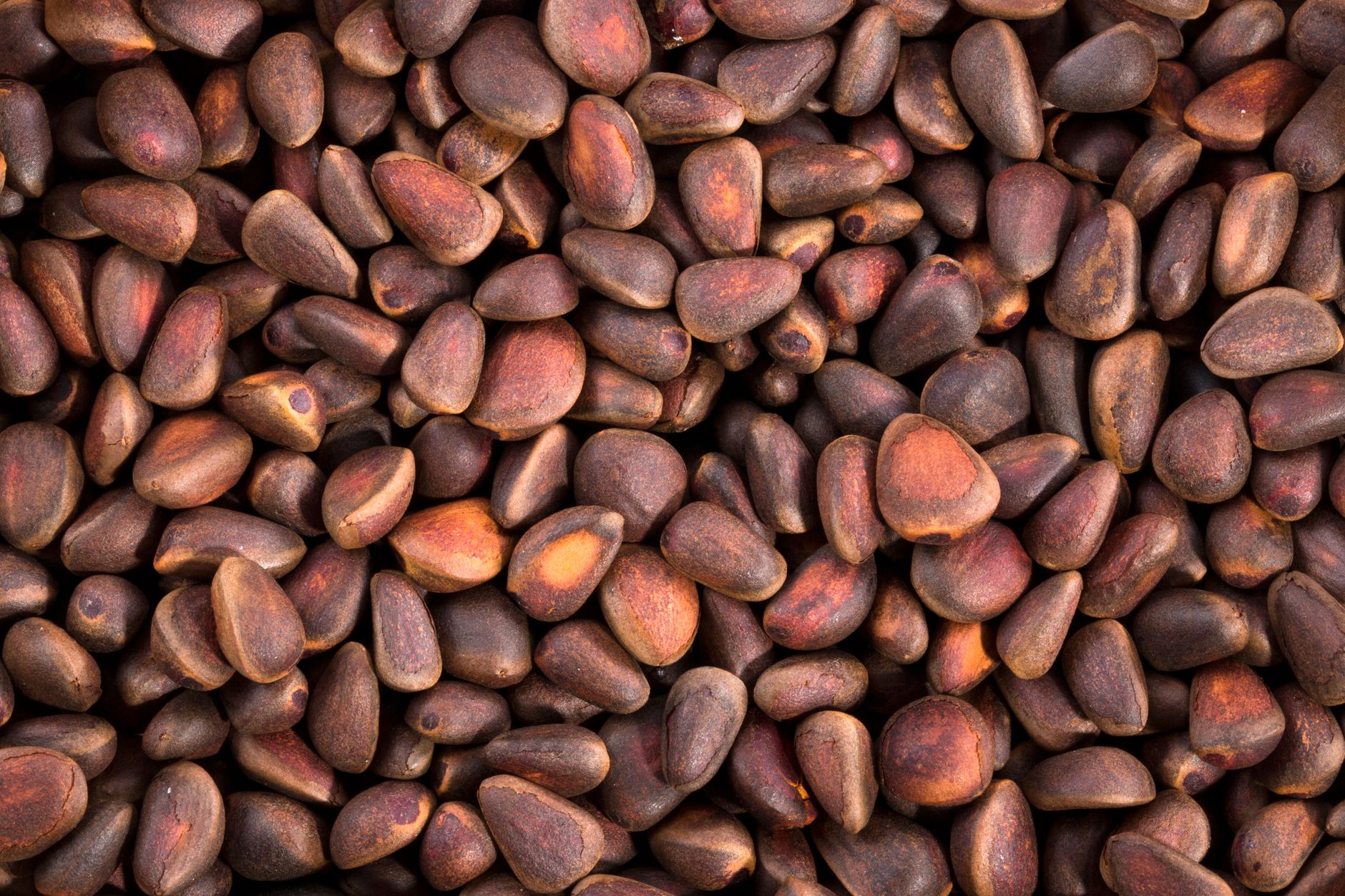
Pine nuts aren’t true nuts, despite the name. They’re edible seeds pulled from the cones of select pine species, most often Pinus pinea (Mediterranean stone pine), Pinus koraiensis (Korean pine), and Pinus sibirica (Siberian pine). In the American Southwest, pinon seeds fed Indigenous communities for thousands of years before Italian traders popularized their European cousins as pignoli.
Harvesting and Global Production
Pine cones take two to three years to mature, which explains much of the price. Harvesting stays labor-intensive: crews climb the trees or wait for cones to drop, then extract seeds by hand or with small machines. China, Russia, and Korea lead Asian production, while Italy, Turkey, and Spain dominate the Mediterranean trade. Shelling alone drives a significant portion of final cost, since each cone houses only a small number of seeds beneath a hard shell.
Forms Available for Cooking
Pine nuts show up in several forms at most grocery stores:
- Raw, shelled kernels: the most common option, ready to eat or toast.
- Roasted kernels: pre-toasted for deeper flavor, often pricier.
- Pine nut oil: cold-pressed for salad dressings and finishing drizzles.
- Whole pine nuts in shell: rare in the US, more common in Mediterranean markets.
Because they’re seeds rather than tree nuts, pine nuts occupy a unique spot in allergy discussions, a distinction that matters when you’re managing food sensitivities.
A Close Look at the Nutritional Profile of Pine Nuts
Pine nuts pack unusual nutrient density for such a small seed. Per 100 grams you get about 673 calories, around 14 grams of protein, and roughly 68 grams of fat. Monounsaturated oleic acid leads the fat profile, followed by polyunsaturated linoleic acid and a smaller but notable share of pinolenic acid, a delta-5 fatty acid rarely found in such concentrations anywhere else in the food supply.
Macronutrients and Calories
At roughly 190 calories per ounce, a small handful, pine nuts are calorie-dense even by nut standards. Carbohydrates stay low, around 13 grams per 100 grams, with a modest fiber contribution. That combination makes them a steady energy source rather than a high-fiber filler. Protein content runs lower than almonds or peanuts, yet the seeds still deliver all nine essential amino acids in usable form.
Key Vitamins and Minerals
The micronutrient story explains the seed’s reputation. Magnesium, zinc, and iron show up in meaningful amounts, alongside vitamin E (a fat-soluble antioxidant) and vitamin K (important for blood clotting and bone metabolism). A single ounce provides roughly 70% of daily manganese needs, a trace mineral most people overlook.
| Nutrient (per 1 oz / 28 g) | Approximate Amount | Why It Matters |
|---|---|---|
| Calories | ~190 | Energy density; measure portions |
| Fat | ~19 g (mostly unsaturated) | Heart and hormone support |
| Protein | ~4 g | Satiety, tissue repair |
| Magnesium | ~70 mg | Muscle and nerve function |
| Zinc | ~1.8 mg | Immune function, wound healing |
| Vitamin K | ~15 mcg | Blood clotting, bone health |
| Pinolenic acid | ~0.5 g | Appetite signaling research |
These values align with the USDA FoodData Central entries for pine nuts, the most reliable nutritional source for US consumers. The pinolenic acid figure is an estimate based on compositional studies; exact amounts shift by species and origin.
That nutritional fingerprint sets up a more practical question: what does the science say those fats and minerals actually do for the body?
Evidence-Based Health Benefits of Eating Pine Nuts
Pine nuts deliver benefits consistent with a Mediterranean diet pattern, where nuts feature prominently. Research on nuts in general, rather than pine nuts alone, shows consistent support for cardiovascular and metabolic markers, and pine nuts appear to fit that pattern. The strongest evidence applies to regular consumption within a balanced diet, since no single food replaces overall habits.
Heart Health and Cholesterol
The unsaturated fat profile, high in monounsaturated and polyunsaturated varieties, may support healthier LDL cholesterol when pine nuts replace saturated fats in your diet. Vitamin E and polyphenols add antioxidant support that protects blood vessel linings from oxidative stress. Some feeding studies have observed modest blood pressure improvements in participants who added pine nuts to their daily intake, though results vary across populations.
Blood Sugar and Satiety
With only a few grams of available carbohydrates per serving, these seeds cause only a modest rise in post-meal glucose. Pinolenic acid has drawn research attention for its potential to stimulate cholecystokinin release, a hormone that signals fullness. Early studies suggest this mechanism may reduce subsequent food intake, a finding that matters when you’re focused on weight management or appetite control.
Antioxidant and Anti-Inflammatory Effects
Vitamin E (specifically gamma-tocopherol) and various polyphenols in pine nut oil contribute to antioxidant defenses. Oxidative stress drives chronic inflammation, so foods rich in these compounds may support long-term health, though such claims remain supportive rather than definitive.
How Pine Nuts Compare to Other Nuts
On a per-ounce basis, these seeds outpace almonds and walnuts in vitamin K and pinolenic acid yet fall short on protein and fiber. They sit in the middle for magnesium and zinc. Almonds win for maximum protein per calorie. Pine nuts are the clear choice when you want a unique fatty acid profile and a buttery flavor.
Those benefits assume the body tolerates the nut, which isn’t always the case.
Side Effects, Allergies, and the Curious Pine Nut Syndrome
Most people tolerate pine nuts without issue, yet a few surprising reactions deserve attention before you start sprinkling them on everything.
Pine Nut Syndrome (Bitter Taste Dysgeusia)
A small percentage of consumers report a metallic, bitter taste that develops 12 to 48 hours after eating pine nuts and lingers for days. The phenomenon, sometimes called pine nut syndrome or bitter taste dysgeusia, appears linked to specific species, particularly certain Chinese Pinus armandii varieties once mixed into export shipments. The taste distortion is unpleasant but temporary, resolving on its own without treatment. To lower the risk, buy from suppliers who source from Pinus pinea or other established culinary species.
Allergy Considerations
Pine nuts are seeds, not true tree nuts, yet cross-reactivity is possible. If you have a documented tree nut allergy, talk to an allergist before introducing pine nuts. Reactions range from mild oral itching to full anaphylaxis in sensitive individuals. Seed allergies, including sesame and mustard, may share some protein structures, so review your allergy profile with a qualified healthcare professional when you have concerns.
Other Precautions
Heads up: Pine nuts contain oxalates, compounds that contribute to kidney stone formation in people prone to calcium-oxalate stones. A small serving is unlikely to cause problems, but a registered dietitian can help you assess safe portions if you have a history of stones.
The high fat load can also cause digestive discomfort at large servings, especially for people with sensitive stomachs or conditions like IBS. Pine nuts contain some FODMAP-type carbohydrates, so a modest starting portion, around one ounce, lets you gauge tolerance before scaling up.
Once you know your tolerance, choosing and keeping the nuts properly makes a real difference in flavor and safety.
Smart Ways to Select, Store, and Toast Pine Nuts
Pine nuts spoil faster than most nuts because of their high unsaturated oil content. Quality matters more than brand loyalty, and a quick sensory check at the store prevents most disappointment.
What to Look For at the Store
- Smell: fresh pine nuts smell sweet and buttery. A paint-like or sour odor signals rancidity.
- Color: uniform pale cream is ideal. Avoid dark spots, yellowing, or a waxy sheen.
- Packaging: look for airtight, opaque containers. Clear plastic bins near heat lamps oxidize quickly.
- Quantity: buy in small amounts. A few ounces used within a month beats a bulk bag that sits in your pantry for six.
Storage Best Practices
Refrigerate pine nuts in an airtight container for up to two months, or freeze them for up to six months. Cold storage slows oxidation, the main driver of off-flavors. If you buy in bulk, portion and freeze what you won’t use within a few weeks.
Toasting Without Burning
Toast pine nuts in a dry skillet over low heat for two to three minutes, stirring frequently. The moment you smell that buttery aroma, pull them off the heat. Residual warmth keeps cooking, and a few extra seconds can push them from golden to bitter. A 350 °F oven works too: spread them on a sheet pan and check at the three-minute mark.
Culinary Uses and Recipe Ideas for Everyday Cooking
Beyond pesto, pine nuts add richness and subtle sweetness to a wide range of dishes. The key is using them as a finishing accent rather than a bulk ingredient, both for cost and for flavor balance.
Classic and Modern Pesto
Traditional Italian pesto, or salsa al pesto alla Genovese, blends basil, pine nuts, garlic, Parmesan, and olive oil. For a budget-friendly variation, swap half the pine nuts for sunflower seeds. Parsley, arugula, or even kale can replace basil for a different flavor profile. Pesto freezes well in ice cube trays, letting you preserve a summer batch for winter pasta nights.
Sprinkles, Toppings, and Mix-Ins
Toasted pine nuts shine when scattered over salads, roasted vegetables, and grain bowls. They add crunch to rice pilafs, kibbeh, and stuffed grape leaves, where they appear throughout Middle Eastern cooking. Stir them into cookie dough, tart crusts, or banana bread for nutty depth that complements dried fruits and dark chocolate.
Simple Pairings for Snacks and Starters
For an effortless appetizer, pair pine nuts with dried apricots, soft cheese, and a drizzle of honey. A small bowl mixed with olives and a pinch of rosemary makes a quick topping for crostini. Pine nut oil works best as a finishing oil: drizzle it over roasted carrots, white bean dip, or vanilla ice cream for an unexpected dessert note.
Suggested Starting Serving
Begin with about one ounce, roughly a small handful or two tablespoons. That portion fits comfortably into most calorie budgets while delivering meaningful amounts of magnesium, zinc, and healthy fats. Adjust upward or downward based on your goals, your overall diet, and how your body responds.
Bottom Line
Pine nuts earn a spot in a balanced diet through their unique pinolenic acid, solid micronutrient density, and kitchen versatility. The fat-heavy profile demands portion awareness, and the occasional bitter-taste syndrome is worth knowing about before you buy in bulk. Treat them as a flavorful accent rather than a daily staple, source them from reputable suppliers, and store them cold. You’ll get the most out of every handful.
FAQ
What are the nutritional benefits of pine nuts?
Pine nuts provide monounsaturated fats, plant protein, magnesium, zinc, and vitamin K in a small serving. They also contain pinolenic acid, a fatty acid linked in research to appetite-regulating hormone release.
Do pine nuts have any side effects?
Some people experience pine nut syndrome, a temporary metallic or bitter taste that develops a day or two after eating certain species. Allergic reactions are possible, and the calorie density can contribute to weight gain when portions go unmeasured.
How many pine nuts should you eat per day?
A reasonable starting point is about one ounce, roughly a small handful, which delivers around 190 calories. Adjust based on your overall calorie goals and how well you tolerate the fat load.
Why do pine nuts taste bitter?
The bitter-taste phenomenon is tied to specific pine species, particularly certain Pinus armandii varieties that have appeared in export shipments. Buying from suppliers who source from Pinus pinea or established culinary species reduces the risk.
Are pine nuts good for weight loss?
Around 190 calories per ounce, these seeds can blunt hunger with fat and pinolenic acid, though oversized portions quietly erase that edge. Measure servings and account for the calories within your daily budget.
What is the difference between pine nuts and other nuts?
Pine nuts are technically seeds from pine cones, not true botanical nuts. They differ from peanuts and tree nuts in both biology and allergen profile, and they stand out for their pinolenic acid content and buttery flavor.