
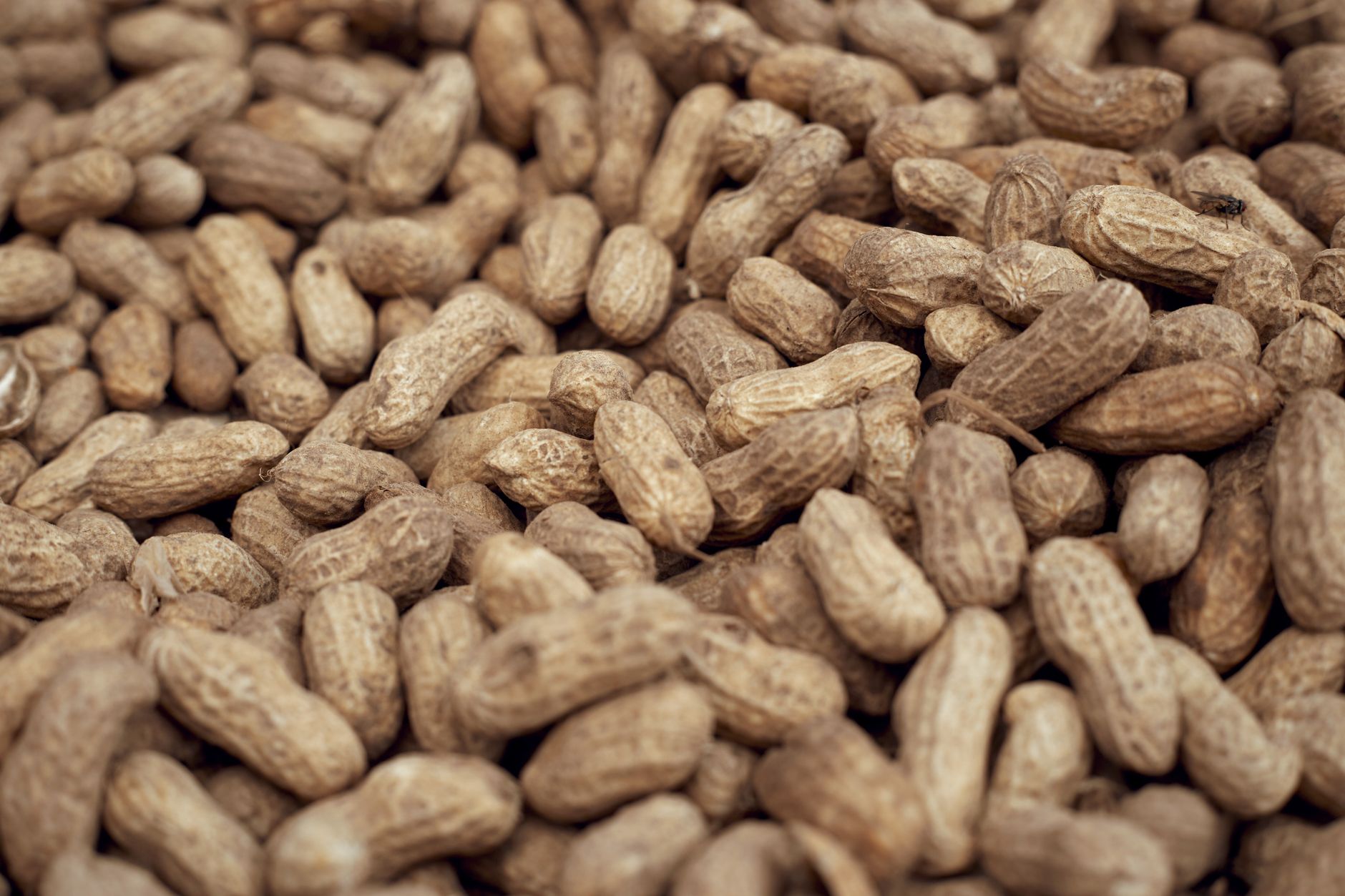

A 100-gram serving delivers roughly 567 calories and 25–28 grams of protein, placing these legumes among the most calorie-dense whole-food protein options on the shelf. That single number explains both the suspicion around them and the reason nutrition researchers keep studying them. A small handful fuels you fast, but it also stacks up quickly if you eat straight from the bag.
This guide covers peanuts nutrition in real-world context, from what makes them nutritionally distinct to how they compare with tree nuts and peanut butter, plus side effects and everyday cooking uses.
What a Peanut Actually Is and Why It’s Nutritionally Distinct
Botanically, a peanut is a legume, not a true nut, which directly shapes its amino acid profile and its price. Tree nuts like almonds and walnuts grow on trees and carry different fat and mineral ratios; peanuts mature underground as part of the Fabaceae family alongside beans and lentils. That classification isn’t trivia. It explains why peanuts deliver more protein per dollar than nearly any tree nut and why their flavor lends itself to both sweet and savory cooking.
The macronutrient breakdown at a glance
Per 100 grams, peanuts provide about 567 calories, 25–28 grams of protein, 16 grams of carbohydrates, and 8 grams of fiber. Fat makes up roughly 49 grams of that weight, dominated by monounsaturated and polyunsaturated fats, the same heart-friendly lipid classes found in olive oil and avocado. A standard 1-ounce (28-gram) snack serving lands near 160 calories and 7 grams of protein, which is why the same food feels both indulgent and genuinely filling.
The micronutrient density is unusually high for a snack. Peanuts contribute meaningful amounts of niacin (vitamin B3), folate, magnesium, vitamin E, and manganese, plus smaller doses of biotin, phosphorus, and copper. That stack of nutrients is rare in foods that also taste good roasted and salted.
| Nutrient (per 100 g) | Peanuts | Almonds | Walnuts |
|---|---|---|---|
| Calories | ~567 | ~579 | ~654 |
| Protein | 25–28 g | ~21 g | ~15 g |
| Total fat | ~49 g | ~50 g | ~65 g |
| Fiber | ~8 g | ~12 g | ~7 g |
| Dominant fat type | Monounsaturated | Monounsaturated | Polyunsaturated (omega-3) |
The oleic acid content, the same monounsaturated fat that gives olive oil its reputation, is the headline fat in peanuts. Around half of the fat content is monounsaturated, with another third polyunsaturated, including linoleic acid. Saturated fat sits low, generally under 7 grams per 100 grams, which is why peanuts read favorably on heart-disease nutrition labels.
How Peanut Consumption Supports Long-Term Health
Population studies consistently link regular peanut intake with a lower risk of coronary heart disease, and the proposed mechanism points straight at the fat profile. Oleic acid and the polyunsaturated fats in peanuts help improve LDL cholesterol ratios, the specific blood marker cardiologists watch when assessing cardiovascular risk. That aligns with long-running cohort tracking at the Harvard T.H. Chan School of Public Health, where the direction of the effect rarely flips.
Antioxidants, blood sugar, and the satiety factor
Peanuts also carry resveratrol and p-coumaric acid, antioxidant compounds in the same class credited for cardiovascular benefits in red wine and berries. The concentrations are lower than in those foods, but they are present, and they complement the vitamin E content. Together these compounds may support reduced inflammation, though “may support” is the honest framing; no peanut compound replaces medical care or a balanced diet.
Blood sugar response is gentler than the calorie load suggests. Peanuts score low on the glycemic index, around 14, because the combination of fat, protein, and fiber slows carbohydrate absorption. Large reviews back the broader pattern, including guidance from the American Heart Association that including nuts and legumes in a balanced dietary pattern is associated with reduced incidence of type 2 diabetes. Peanut eaters in long-term studies also show lower rates of gallstone disease, likely tied to the fats stimulating gallbladder emptying more regularly.
The protein-to-calorie ratio is the unsung strength. Roughly 7 grams of protein in a 160-calorie snack beats most chips and crackers by a factor of four, which is why peanuts reliably show up in satiety and weight-management research.
Peanuts vs. Tree Nuts, Peanut Butter, and Other Common Snacks
On a gram-for-gram basis, peanuts deliver more protein than almonds, more niacin than walnuts, and a lower price per gram of usable protein than nearly every tree nut in the U.S. grocery aisle. That cost advantage is one reason peanuts anchor school-lunch snack programs and military rations. Tree nuts offer different strengths: walnuts lead on omega-3 alpha-linolenic acid, almonds lead on calcium and vitamin E per calorie, cashews on iron. Peanuts hold their own by balancing protein, monounsaturated fat, and affordability.
The allergy profile is not interchangeable
Peanut allergy involves distinct seed storage proteins, primarily Ara h 1 and Ara h 2, that are not the same as the allergens in almonds, cashews, or walnuts. Cross-reactivity happens in some individuals but is unreliable, and many allergists treat peanut allergy as a standalone diagnosis. Around 1–2% of people in the United States live with a peanut allergy, and reactions can range from skin hives to life-threatening anaphylaxis. That figure matches prevalence data tracked by the National Institute of Allergy and Infectious Diseases. The takeaway for any kitchen: keep peanuts and peanut-containing foods physically separate from meals intended for a peanut-allergic household member.
Peanut butter is not a perfect mirror
Commercial peanut butter mirrors whole-peanut nutrition closely when the ingredient list reads only “peanuts” (and sometimes salt). Brands that add palm oil, sugar, or hydrogenated fats shift the fat and sugar profile in a hurry. Compare labels: a two-tablespoon serving of pure peanut butter delivers about 7 grams of protein and 2 grams of naturally occurring sugar, while a sweetened version can carry 3 grams or more of added sugar in the same serving.
Versus crackers or chips at the same calorie load, peanuts provide roughly four to five times the protein and substantially more fiber, which translates into a lower glycemic impact and longer-lasting fullness. That gap is the practical reason dietitians often suggest swapping a chip serving for a measured peanut serving rather than treating both as “just snacks.”
The Risks Most Peanut Articles Underestimate
Peanut allergy is the first risk to take seriously, because even trace exposure can trigger anaphylaxis in a sensitized person. Recognizing hives, throat tightness, wheezing, and sudden blood pressure changes early is critical, and epinephrine remains the appropriate emergency response under the guidance of a qualified healthcare professional. Anyone with a diagnosed peanut allergy should read every label, ask about cooking oils at restaurants, and keep prescribed emergency medication within reach.
Hidden contaminants and digestive traps
Improperly stored peanuts can develop Aspergillus mold, which produces aflatoxins. Aflatoxins are documented human carcinogens linked to liver cancer, and the risk is real enough that the U.S. Food and Drug Administration enforces limits on aflatoxin levels in food products. Reputable suppliers test for this, and proper storage (cool, dry, airtight) keeps the risk low. Bulk bins in warm, humid stores and damaged or shriveled kernels in open bags are the highest-risk scenarios.
Calorie density is the quieter risk. A 100-gram serving of peanuts contains about 567 calories, and roasted salted varieties can quietly push daily sodium intake upward. Half a cup of oil-roasted, salted peanuts can deliver 400+ milligrams of sodium before you touch the rest of the meal. Oxalate content is moderate, which matters for individuals prone to calcium-oxalate kidney stones, and very high intakes can aggravate digestive symptoms in people with IBS or FODMAP sensitivity.
- Allergy severity: Even trace cross-contact can trigger anaphylaxis in sensitized individuals; carry prescribed emergency medication and follow your specialist’s guidance.
- Aflatoxin risk: Buy from suppliers that test for aflatoxins, avoid shriveled or moldy kernels, and store peanuts cool, dry, and sealed.
- Calorie and sodium creep: Measure portions; roasted salted peanuts can add 200–400 mg of sodium per half-cup without you noticing.
- Oxalate and FODMAP load: Large servings may aggravate kidney-stone risk or IBS symptoms in sensitive individuals.
Practical Ways to Use Peanuts in Everyday Cooking
A clear portion framework removes the calorie-density problem before it starts. One ounce, about 28 grams or a small handful measured in the palm, delivers roughly 160 calories and 7 grams of protein. That is enough to snack on or sprinkle over a meal without overshooting energy targets, and it scales cleanly: two ounces doubles the protein, doubles the calories, and still fits inside most adult energy budgets.
Peanut oil and heat
Refined versions hold up to about 230°C (450°F) before smoking, which is why many kitchens rely on them for stir-frying, searing, and deep-frying. Cold-pressed or unrefined peanut oil preserves more resveratrol and vitamin E but smokes at a lower temperature, so it belongs on salads and finishing drizzles rather than in a screaming-hot wok. Roasting peanuts at home also concentrates flavor, though some heat-sensitive antioxidants drop slightly compared with raw peanuts. The trade-off is taste versus nutrient ceiling, and most home cooks accept it gladly.
Beyond the jar: four kitchen uses that earn their keep
Peanut butter is the obvious one, but the wider category is more flexible than most people realize. Ground peanuts make an excellent protein-rich coating for chicken or tofu in place of breadcrumbs, where the fat content keeps the crust from drying out. Blended peanuts form the base of satay-style sauces when thinned with a little soy sauce, lime juice, and chili. Toasted chopped peanuts work as a topping for grain bowls, salads, and noodle dishes, adding crunch and satiety in the same move.
- Hand-size snack: One ounce (28 g) of whole roasted peanuts as a between-meal protein anchor.
- Stir-fry oil: Refined peanut oil for high-heat cooking; cold-pressed for dressings and finishing.
- Crust or coating: Finely ground peanuts as a breading swap for chicken, shrimp, or tofu.
- Sauce base: Blended peanuts with soy, lime, and chili for a quick satay-style dressing.
- Topping crunch: Toasted chopped peanuts over grain bowls, salads, or cold noodles.
How Much to Eat and What to Look For on the Label
For most adults without allergy concerns, a daily intake of one to two ounces (28–56 grams) sits comfortably inside the range used in cardiovascular and diabetes research without adding meaningful caloric excess. Two ounces is about a third of a cup of whole peanuts, or roughly two tablespoons of peanut butter. That range covers the satiety benefits, contributes 14 grams of protein across the day, and leaves room for the rest of your calories to come from other food groups.
Label literacy in three checks
Read three things on the label, in this order. First, added sugars and hydrogenated oils in peanut butter; the shorter the ingredient list, the closer the product stays to whole-peanut nutrition. Second, sodium content in roasted varieties; under 150 milligrams per serving is a reasonable target for a snack food. Third, country-of-origin or aflatoxin-testing information for bulk peanuts; reputable suppliers disclose this, and a vague “product of multiple countries” with no testing note is a flag to keep looking.
Whole roasted peanuts retain more heat-stable nutrients than heavily oil-roasted versions, and dry-roasted options avoid the extra fat load of commercial oil roasting. When the goal is satiety between meals, whole peanuts outperform peanut butter because they require chewing, which slows the eating. When the goal is quick protein in a smoothie or on toast, peanut butter with no added sugar is the practical choice. Refined peanut oil earns its place when high-heat cooking is on the menu, because its smoke point and neutral flavor handle heat without breaking down the way butter or extra-virgin olive oil would.
Bottom Line
Peanuts earn their spot in a balanced diet through a rare combination of plant protein, monounsaturated fat, fiber, and micronutrients at a low cost per gram. The trade-off is calorie density and a serious allergy profile that demands real caution in shared kitchens. Stick to one to two ounces a day, read labels for added sugar and sodium, buy from suppliers that test for aflatoxins, and match the form to the purpose: whole for satiety, butter for convenience, refined oil for high-heat cooking.
FAQ
Are peanuts healthy or unhealthy?
For most adults without an allergy, peanuts support heart health, blood sugar control, and satiety when eaten in measured portions. The “unhealthy” reputation traces back to salted, oil-roasted snacking at high amounts, where calories and sodium stack up quickly. A one-ounce daily serving inside a balanced diet is supported by long-term population research.
How are peanuts different from tree nuts?
Unlike almonds, walnuts, and cashews that grow on trees, peanuts develop their pods underground as members of the legume family. Peanuts generally deliver more protein per gram and a lower cost, while tree nuts offer different micronutrient strengths. The allergy profile is also separate, and a peanut allergy does not automatically mean a tree-nut allergy, though some individuals do react to both.
What are the side effects of eating too many peanuts?
Overeating peanuts can lead to weight gain, excess sodium intake from salted varieties, and digestive discomfort, especially for people with IBS or FODMAP sensitivity. Aflatoxin exposure is a separate risk tied to improper storage rather than serving size. Anyone with a known peanut allergy should avoid even trace amounts and follow the guidance of a qualified healthcare professional.
Do peanuts raise blood sugar levels?
Peanuts have a low glycemic index around 14 because fat, protein, and fiber slow carbohydrate absorption. Compared with crackers or pretzels at the same calorie load, peanuts produce a much flatter blood-sugar curve. Eating them alongside higher-carb meals can also reduce the overall glycemic impact of the plate.
Can eating peanuts help with weight loss?
Peanuts can fit a weight-management plan because the protein and fiber content increases fullness per calorie. Studies tracking nut consumers over years generally show lower weight gain, not higher, when nuts replace refined snack foods. The key is portion control, since 100 grams of peanuts carries 567 calories regardless of how nutritious the fat profile is.
What should I look for on a peanut butter label?
Look for a short ingredient list: peanuts and optionally salt. Avoid added sugars, hydrogenated oils, and palm oil when possible, because each shifts the nutrition away from whole peanuts. Two tablespoons of pure peanut butter should deliver around 7 grams of protein and 1–2 grams of naturally occurring sugar, with no added sugar listed.