

Peanut oil is a plant-based cooking fat pressed from the seeds of Arachis hypogaea, with a smoke point near 450°F and a tablespoon delivering about 120 calories, roughly 14 grams of mostly monounsaturated and polyunsaturated fats, and a useful dose of vitamin E. Peanut oil nutrition centers on that fatty-acid mix, a strong vitamin E contribution, and trace plant compounds that quietly support heart and cell health when the oil is used in moderation.
Below, you’ll learn how peanut oil is made, what its fatty-acid profile and vitamin E content actually mean for your meals, and how it stacks up for heart health, allergies, and high-heat cooking at home.
What Peanut Oil Actually Is and How It Gets Made
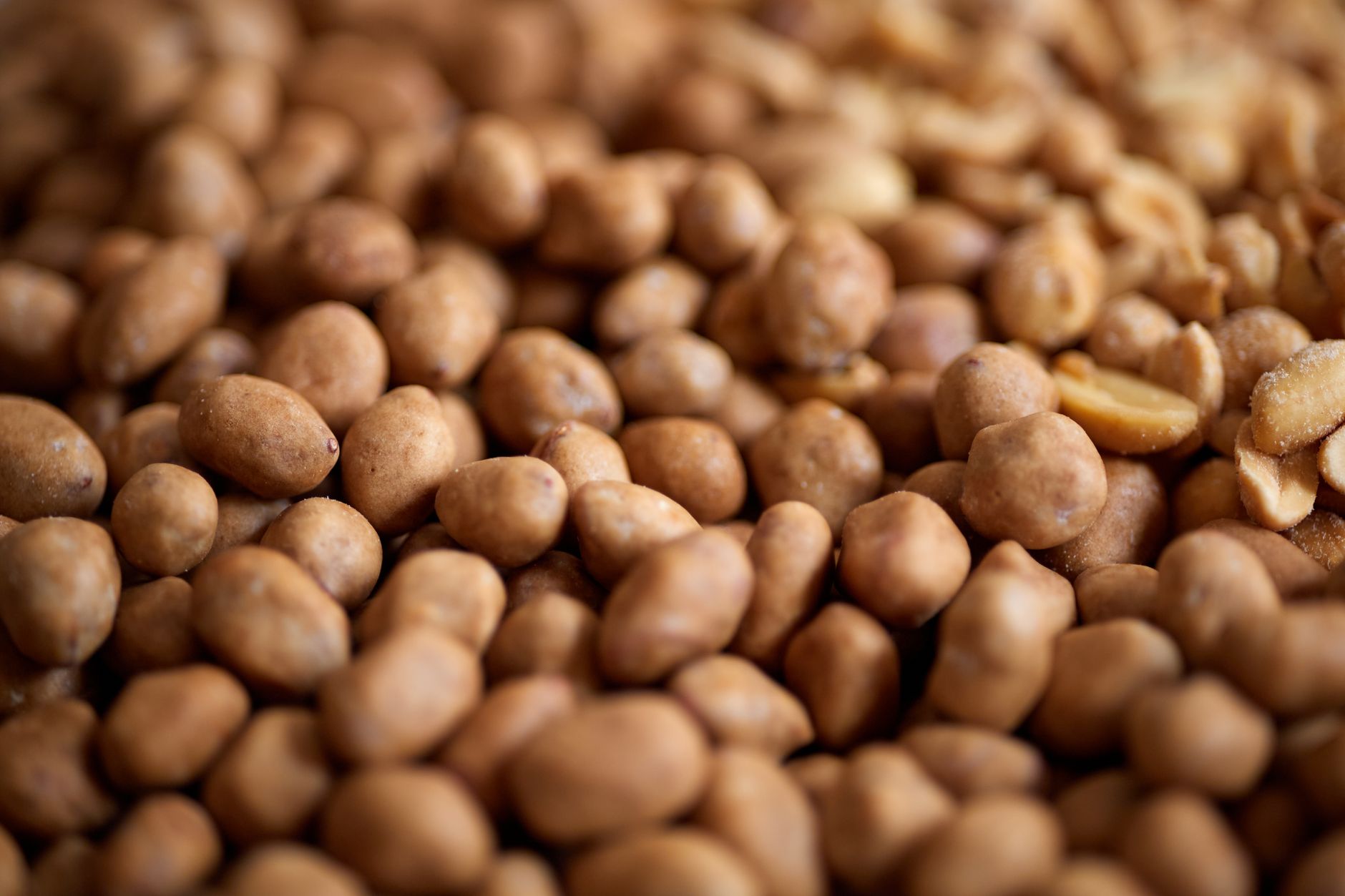
Peanut oil starts as a pale, mild liquid pressed from shelled peanuts, the seeds of a low-growing legume first cultivated in South America and now grown across Africa, China, India, and the US Southeast. The seed itself runs roughly 45–50% fat, so a ton of peanuts yields close to 800 pounds of crude oil before any refining takes place.
From Crude to Neutral: The Refining Process
Most peanut oil on grocery shelves carries the RBD label, which means refined, bleached, and deodorized. Refining strips out free fatty acids and impurities, bleaching pulls out color pigments, and deodorizing removes the strong peanut aroma. The result is a light, nearly flavorless oil that handles high heat without smoking or foaming, which is what a deep fryer or a busy wok line needs.
Cold-Pressed, Expeller-Pressed, and High-Oleic Varieties
Cold-pressed and expeller-pressed peanut oils skip chemical refining and keep more natural flavor, color, and minor plant compounds. They taste unmistakably of roasted peanuts, smoke at a lower temperature, and cost more per bottle. High-oleic peanut oil, a newer cultivar bred for stability, contains more oleic acid (a monounsaturated fat also dominant in olive oil) and less linoleic acid, giving it longer shelf life and stronger resistance to oxidation in commercial fryers.
The Nutritional Profile Behind Peanut Oil
Roughly half of every tablespoon is fat, split into a fairly balanced mix of fatty acids and paired with a meaningful dose of vitamin E plus a small package of plant compounds. The numbers below are per 100 grams of refined peanut oil, the form most kitchens actually use.
| Nutrient | Amount per 100 g | Why it matters |
|---|---|---|
| Calories | ~884 kcal | Pure energy from fat, 9 kcal per gram |
| Total fat | ~100 g | Mostly unsaturated; no trans fat when unprocessed |
| Monounsaturated fat (oleic acid) | ~46–50 g | The same heart-friendly fat dominant in olive oil |
| Polyunsaturated fat (linoleic acid) | ~30–33 g | An omega-6 essential fatty acid your body cannot make |
| Saturated fat | ~17 g | Mainly palmitic and stearic acid |
| Vitamin E (alpha-tocopherol) | ~15 mg | About 100% of the daily value in a tablespoon and a half |
| Phytosterols | ~200 mg | Plant compounds that compete with cholesterol absorption |
| Resveratrol | Trace | The same antioxidant found in red wine and grape skins |
Omega-6 to Omega-3 Balance
A single tablespoon delivers a heavy dose of linoleic acid, an omega-6 polyunsaturated fat, while offering almost no omega-3 to counterbalance it. That ratio matters less for the bottle in your cabinet and more for your overall dietary pattern. A typical Western diet already runs heavy on omega-6 and light on omega-3, so swapping peanut oil for butter helps, but pairing it with omega-3 sources like fatty fish, walnuts, or flax is the more complete move. Replacing saturated fats with unsaturated fats of any kind supports heart health, and peanut oil fits that lane cleanly.
Aflatoxins, Storage, and Quality
Peanuts can carry aflatoxins, naturally occurring toxins produced by Aspergillus mold, which is why reputable producers test every batch and refine aggressively. Proper storage also matters: keep the bottle tightly sealed, away from heat and light, and rotate stock so old oil doesn’t turn rancid. The FDA sets strict limits on aflatoxin levels in food, and major commercial peanut oils sit well below that threshold.
What the Research Says About Peanut Oil and Health
The honest answer to “is peanut oil healthy” depends on what you’re comparing it to. Against butter, lard, or partially hydrogenated shortening, peanut oil is a clear upgrade.
Heart Health and Cholesterol Markers
Replacing saturated fats with monounsaturated and polyunsaturated fats is one of the most consistent dietary levers for improving cholesterol. Studies on peanut oil specifically show it can raise HDL (the “good” cholesterol) and lower LDL (the “bad” cholesterol) when it replaces saturated fat calories, a pattern also seen in Mediterranean diet research on olive oil. The phytosterols add a small extra nudge by partially blocking cholesterol absorption in the gut.
Inflammation, Antioxidants, and Cell Protection
Vitamin E, particularly the alpha-tocopherol form, is a fat-soluble antioxidant that helps protect cell membranes from oxidative damage. The resveratrol and other polyphenols in less-refined versions add minor anti-inflammatory support. These effects are real but modest; no single cooking oil treats anything, and the benefit shows up across an eating pattern, not a single meal.
Calorie density is the catch. Even the cleanest oil lands at about 120 calories per tablespoon, so portion control matters more than the oil’s reputation.
Where Peanut Oil Stops Helping
Overconsumption pushes the omega-6 load even higher and adds calories your body doesn’t need. Deep-fried foods cooked in any oil at high temperatures can form advanced glycation end products and oxidized lipids, which are associated with inflammation. The oil isn’t the problem; the volume, the heat, and the frequency are.
But the oil itself only becomes harmful when those conditions are ignored, which is why individual sensitivities demand closer attention.
Allergies, Sensitivities, and Other Risks to Weigh
Peanut allergy is one of the most common and most serious food allergies, so the question of whether peanut oil is safe in a shared kitchen deserves a careful answer rather than a blanket yes or no.
Refined vs Unrefined Oil for People with Peanut Allergy
Highly refined peanut oil removes nearly all of the proteins that trigger allergic reactions, and the FDA notes that most individuals with peanut allergy can safely consume refined peanut oil. The protein content is so low that it falls below the detection threshold of standard allergy tests. Unrefined, cold-pressed, or expeller-pressed peanut oil, however, retains peanut proteins and can cause reactions in sensitive individuals. The same caution applies to restaurant kitchens using peanut oil in a fryer shared with other allergens.
- Refined peanut oil: protein content too low to trigger most allergic reactions, generally considered safe.
- Cold-pressed or “gourmet” oil: retains peanut proteins, can provoke reactions, avoid without medical guidance.
- Shared fryers: cross-contact risk applies to all oils, not just peanut; ask about dedicated equipment for severe allergies.
- Digestive sensitivity: large amounts of any rich oil can cause nausea, cramping, or loose stools, especially on an empty stomach.
- Oxidation and rancidity: overheating, reusing oil, or storing it in light and heat creates free radicals and off-flavors that work against the oil’s health profile.
Signs Peanut Oil Has Gone Bad
Smell the bottle. Fresh peanut oil has a mild, slightly nutty scent (or no scent at all if refined). A sharp, bitter, paint-like, or crayon-like odor means the oil has oxidized and should be discarded. Dark color, sticky texture, or a foamy surface when heated are also clear signals. When in doubt, throw it out.
Cooking With Peanut Oil: Smoke Point and Best Uses
Peanut oil’s reputation in restaurant kitchens comes down to a single number: smoke point. The smoke point is the temperature at which an oil breaks down, smokes, and develops off-flavors and harmful compounds. Refined peanut oil smokes at about 450°F (230°C), well above the 350–375°F range of butter or unrefined oils and roughly on par with avocado oil.
| Cooking method | Recommended oil | Temperature range | Why it works |
|---|---|---|---|
| Deep frying | Refined peanut oil | 350–375°F | Stable at high heat, clean flavor, doesn’t transfer peanut taste |
| Stir-frying | Refined peanut oil | 375–450°F | High smoke point handles wok temperatures without burning |
| Searing and sautéing | Refined or high-oleic peanut oil | 325–400°F | Neutral taste lets food flavor lead |
| Dressings and finishing | Cold-pressed peanut oil | No heat | Bold roasted-peanut aroma, drizzled over noodles or salads |
| Baking | Refined peanut oil | 325–375°F | Moist crumb without dairy; common in vegan baking |
Where Peanut Oil Shines in the Kitchen
Tempura, fried chicken, and shoestring fries stay lighter and less greasy in peanut oil than in lower-smoke-point alternatives. Asian noodle dishes like pad Thai, chow mein, and dan dan noodles pick up a clean, nutty backdrop when finished with a touch of cold-pressed peanut oil. West African recipes for groundnut soup and maafe lean on roasted peanut oil as a foundational flavor, not just a cooking medium.
How Peanut Oil Compares to Olive, Canola, and Sesame Oil
Extra virgin olive oil is the Mediterranean diet standard, rich in polyphenols and best used for low- to medium-heat cooking or finishing. Canola oil has a similarly high smoke point and a more neutral flavor, with a slightly better omega-3 to omega-6 ratio. Toasted sesame oil is an accent oil, used by the teaspoon rather than the tablespoon. Peanut oil sits in the middle: higher smoke point than olive, more flavor than canola, and less intense than toasted sesame.
Knowing where peanut oil fits among the options makes choosing a quality bottle far easier.
Picking the Right Bottle and Using It Wisely
Smart peanut oil use comes down to choosing the right variety for the job, storing it properly, and keeping portions realistic. The checklist below is what a thoughtful home cook actually follows.
Reading the Label
“100% pure peanut oil” usually means refined, with a high smoke point and a neutral taste. “Cold-pressed” or “expeller-pressed” signals unrefined, with stronger flavor and lower heat tolerance. “High-oleic” means a cultivar bred for extra monounsaturated fat and longer fryer life, common in commercial kitchens. Organic certification matters mostly if you want to avoid pesticide residues on the source peanuts, since the refining process itself removes most contaminants anyway.
A Quick Decision Guide for Your Kitchen
- Deep frying or high-heat stir-fry: choose refined or high-oleic peanut oil for clean flavor and high smoke point.
- Sautéing and searing: refined peanut oil works well, though olive or avocado oil are equally good swaps.
- Finishing salads or noodles: cold-pressed peanut oil adds genuine roasted-nut flavor to dressings and dipping sauces.
- Avoiding peanut products entirely: pick avocado, sunflower, or grapeseed oil for similar high-heat performance.
- Watching omega-6 intake: rotate peanut oil with canola, olive, and avocado oil to keep the fatty acid balance varied.
Storage and Shelf Life
Store peanut oil in a cool, dark cabinet with the cap tightly sealed. Refrigeration extends shelf life, especially for unrefined versions, and slows oxidation. Refined peanut oil keeps for about 12–18 months unopened, roughly 6 months once opened. Unrefined oil has a shorter window, usually 4–6 months once opened, because the retained plant compounds oxidize faster. Decant into a smaller bottle if you cook with it slowly, since every time air enters the container, the clock restarts.
And once a bottle is open, smart storage keeps all of that goodness intact right through to the final dish.
Rotate your oils the way you rotate your spices. A bottle that’s been open for a year, even refrigerated, has lost most of its flavor and a chunk of its nutritional value.
Bottom Line
Peanut oil is a high-smoke-point, mostly unsaturated cooking fat that earns its place in a balanced kitchen when you reach for it intentionally rather than by default. Choose refined for high-heat cooking, cold-pressed for flavor finishing, store it cool and dark, and keep portions in check. If you have a peanut allergy, stick with refined versions and confirm safety with a qualified clinician, or choose avocado or sunflower oil instead.
FAQ
Is peanut oil good for you?
Swapping butter or lard for this oil in moderate amounts can fit neatly into a healthy eating pattern without sacrificing flavor. Its high monounsaturated fat content and vitamin E make it a reasonable choice for everyday cooking, though portion control matters because every tablespoon delivers about 120 calories.
What are the side effects of peanut oil?
Most people tolerate refined peanut oil well. Possible issues include allergic reactions in sensitive individuals (especially with unrefined oil), digestive discomfort from large amounts, and inflammation or oxidative stress from overheated or repeatedly reused oil. Discard any oil that smells sharp, bitter, or paint-like.
Which is healthier, peanut oil or olive oil?
Both are mostly unsaturated and heart-healthy. Extra virgin olive oil leads in polyphenols and antioxidants, while refined peanut oil wins on smoke point and neutral flavor for high-heat cooking. Using both across the week is a reasonable approach for variety.
What is the smoke point of peanut oil?
Refined versions hold their own up to roughly 450°F (230°C), which makes them a reliable choice for deep frying, stir-frying, and high-heat searing. Unrefined or cold-pressed peanut oil smokes much lower, around 320°F (160°C), and is best used for dressings or low-heat finishing.
Is peanut oil safe for people with peanut allergies?
Most clinical guidance holds that highly refined versions strip away nearly all peanut protein, clearing them for the majority of people with peanut allergy. Cold-pressed or expeller-pressed versions retain proteins and can trigger reactions. Anyone with a severe allergy should consult a qualified clinician and check with restaurants about shared fryers.
What is peanut oil used for in cooking?
Refined peanut oil is common in deep frying, stir-fries, tempura, and searing. Cold-pressed peanut oil is used as a finishing oil in Asian noodles, salads, and sauces, and as the base for traditional West African groundnut dishes. It also works well in baking for moist, dairy-free results.