
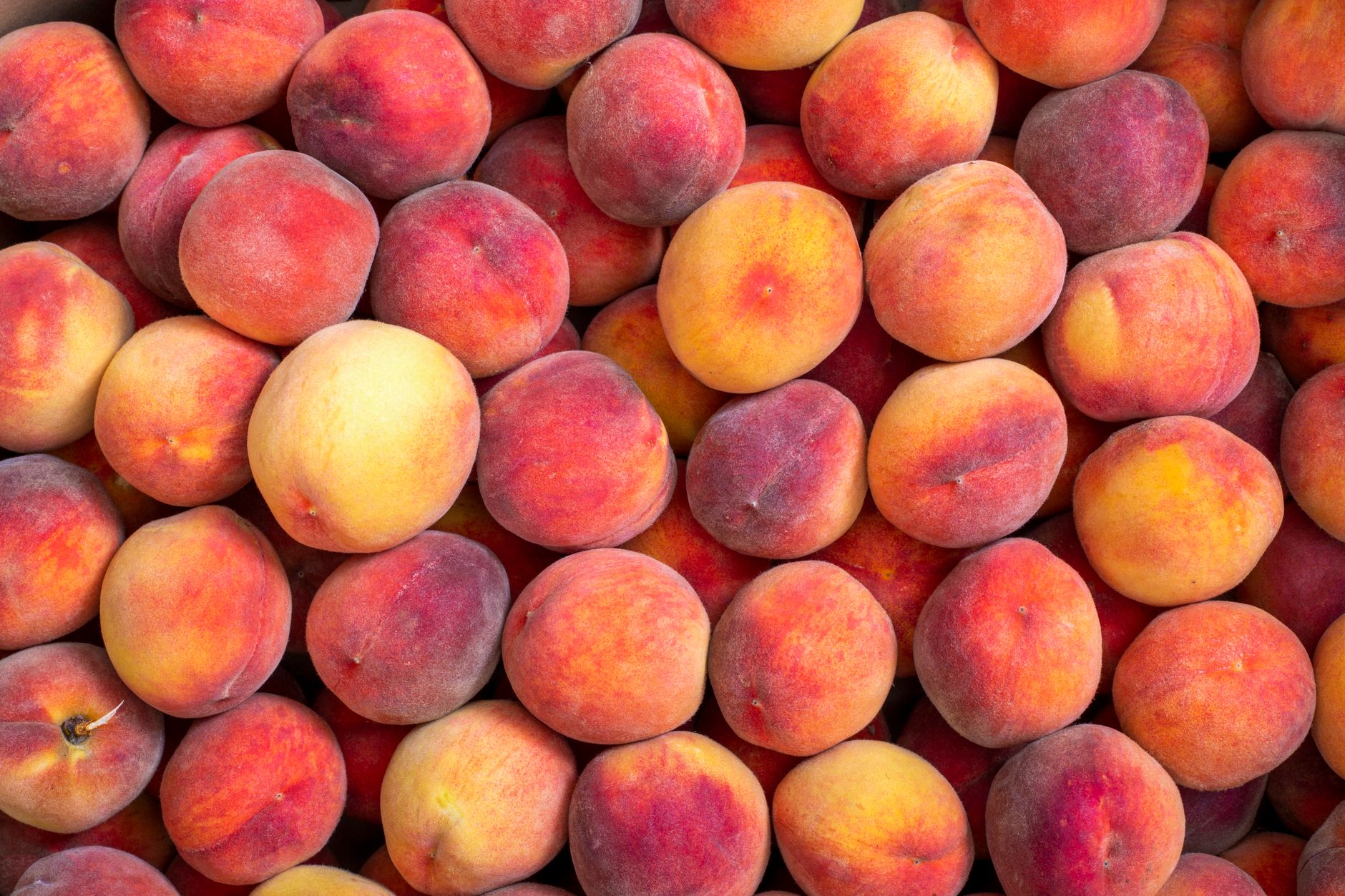

A medium fruit weighing roughly 150 grams packs about 58 calories, close to 10% of your daily vitamin C, and roughly 13 grams of natural sugar wrapped in a fuzzy, fragrant skin. That profile fits the Mediterranean-style eating pattern nutrition researchers keep pointing to as a model for everyday meals. The fruit behind the numbers has been cultivated for more than 4,000 years, and the modern picture of what it delivers keeps getting more interesting the deeper you look.
This practical walkthrough explores peach nutrition in depth, from the vitamin C and fiber content of a single fruit to the evidence-based benefits, processing differences, and side effects worth knowing before you stock up.
The Peach at a Glance: A 4,000-Year-Old Nutritional Workhorse
Peaches (Prunus persica) trace their origins to northwestern China, where archaeologists have found peach pits dating back roughly 8,000 years. From there, the fruit traveled west along the Silk Road, reached Persia and the Mediterranean, and crossed the Atlantic with Spanish explorers in the 1500s.
What gives a peach real nutritional value is the balance of its profile. A medium fruit is about 89% water, which gives it a low calorie density uncommon among sweet fruits. That same fruit delivers usable fiber, a meaningful dose of vitamin C, and a mix of antioxidants that begin to explain the broader health benefits of peaches studied in dietary research.
Botanically, the peach belongs to the stone fruit family (also called drupes), sharing its lineage with plums, apricots, cherries, and almonds. The edible flesh wraps a hard pit, and the pit itself houses compounds unrelated to the nutrition in the flesh. That distinction matters for the side-effects section below.
Key Profile Numbers at a Glance
- Calories: ~58 per medium peach (about 150 g)
- Water content: ~89%, one of the highest among whole fruits
- Natural sugar: ~13 g per fruit, almost entirely from fructose and glucose
- Fiber: ~2 g per medium fruit, concentrated in the skin
- Glycemic index: low to moderate, depending on ripeness
What a Peach Actually Contains: Vitamins, Minerals, and Macros
The vitamin C content of a single medium peach runs roughly 10 to 15% of the Daily Value, enough to matter in a daily eating pattern without dominating it. That same fruit also delivers beta-carotene (the precursor to vitamin A) and two carotenoids worth knowing by name: lutein and zeaxanthin. Both accumulate in retinal tissue, where they act as a natural filter against high-energy light.
On the mineral side, potassium is the headline. A medium peach contributes around 190 to 200 mg of potassium against only trace sodium, a ratio that large reviews and dietary guidance flag as favorable for blood-pressure management. Smaller but still useful amounts of copper, manganese, and vitamin K round out the mineral contribution, while B vitamins, iron, and calcium appear in modest, supporting roles.
The skin deserves a special mention. Peach skin holds the highest concentration of polyphenols, anthocyanins (in redder varieties), and insoluble fiber. Peeling the fruit measurably reduces the antioxidant and fiber return, which is one reason dietary guidance tends to favor eating the whole fruit when you can. The peach nutritional value on a label is one thing; the actual nutrient delivery to your body is another.
Those raw numbers only matter if your body actually absorbs and uses them, which is where the health research comes in.
Where Each Nutrient Lives
- Vitamin C: flesh, with the highest concentration just under the skin
- Beta-carotene: flesh, more concentrated in yellow-fleshed varieties
- Lutein and zeaxanthin: flesh and skin, both accumulate in the eye
- Polyphenols and anthocyanins: skin, especially in red-blushed varieties
- Insoluble fiber: skin, where it supports digestive motility
- Potassium: distributed through the flesh, with trace amounts in the skin
Why Peaches Belong in a Healthy Diet: The Evidence-Based Benefits
The strongest case for peaches and health comes from what they do to oxidative stress. The polyphenols and carotenoids in the skin and flesh help neutralize free radical damage, the kind of low-grade cellular stress linked over time to cardiovascular disease, certain cancers, and visible skin aging. Whole-fruit intake patterns correlate with lower markers of inflammation in population studies, and peaches contribute to that pattern without delivering the added sugar that processed snacks often do.
Digestion is the second clear win. A medium peach carries roughly 2 grams of fiber, split between soluble and insoluble forms. Soluble fiber slows digestion and helps moderate the post-meal blood sugar response. Insoluble fiber adds bulk and feeds the gut microbiome, supporting the bacterial diversity that researchers increasingly tie to immune function and even mood. Together, those two fibers make peaches a gentle, regular contributor to digestive health rather than a dramatic intervention.
Eye and skin health benefits round out the list. Lutein and zeaxanthin are the same two carotenoids ophthalmologists link to a lower long-term risk of macular degeneration, and the fruit’s combination of hydration, vitamin C, and supporting antioxidants is part of why skin health often shows up in research around stone fruit intake. The fruit’s low glycemic index, around 28 to 56 depending on variety and ripeness, also makes it a relatively blood-sugar-friendly option among sweet fruits, useful context for people tracking carbohydrate load.
What the Research Actually Supports
- Antioxidant activity: measurable in both flesh and skin, strongest in pigmented varieties
- Digestive support: ~2 g of mixed fiber per fruit feeds both motility and gut microbes
- Blood-sugar response: low-to-moderate glycemic index, lower than grapes, bananas, or dates
- Cardiovascular markers: potassium-to-sodium ratio supports healthy blood pressure
- Eye health: lutein and zeaxanthin accumulate in retinal tissue over time
Fresh, Canned, Dried, or Frozen: How Processing Changes the Nutrition
Processing changes the math more than most people expect. The form you buy determines how much vitamin C survives, how much sugar you’re actually eating, and what happens to the fiber and antioxidant content you were counting on in the first place.
Fresh, tree-ripened peaches sit at the top of the rankings for vitamin C and lowest added-sugar content. The catch is seasonality. In the US, peak peach season runs from June through September, and a ripe peach waits for no one, losing nutrients and texture within days of picking. Canning fixes that availability problem but introduces a new variable: the liquid. Peaches canned in their own juice keep most of their fiber and a meaningful share of their antioxidants. Peaches canned in heavy syrup can double the sugar load of a comparable fresh fruit, which matters if you’re watching carbohydrate intake.
Dried peaches concentrate everything, calories and sugar included. A quarter-cup of dried peach delivers roughly the same sugar and calorie load as a full fresh medium fruit, in a portion that disappears in two bites. Frozen peaches are the quiet overachievers of the group. They’re typically picked at peak ripeness and flash-frozen within hours, a process that preserves vitamin C, polyphenols, and texture well enough to rival fresh fruit year-round, especially in months when good fresh peaches simply don’t exist locally.
| Form | Vitamin C Retained | Sugar Load | Best Use Case |
|---|---|---|---|
| Fresh, ripe | 100% | ~13 g per fruit | Eating out of hand, salads |
| Frozen | ~85–95% | ~13 g per serving | Smoothies, baking, off-season cooking |
| Canned in juice | ~60–80% | ~12–15 g per serving | Yogurt topping, quick desserts |
| Canned in syrup | ~50–70% | ~20–30 g per serving | Occasional treats only |
| Dried | ~30–50% | ~20–25 g per ¼ cup | Trail mix, portion-controlled snacking |
Buy frozen when fresh isn’t in season, choose juice-packed over syrup-packed when you can, and read labels on dried peaches since some brands add sugar on top of what’s already concentrated.
Side Effects, Allergies, and Who Should Eat Peaches With Caution
Most people eat peaches without a second thought, but a few specific situations deserve attention before you stock up. The fruit itself is low-risk; the trouble tends to come from the pit, the pollen connection, and the natural sugar load.
People with birch pollen allergies sometimes develop oral allergy syndrome after eating raw peaches. The symptoms show up as itching, tingling, or mild swelling of the lips, tongue, or throat within minutes of eating, caused by proteins in the fruit that cross-react with birch pollen. Cooking the peach usually breaks down those proteins, so the same person may tolerate cooked peaches without issue. This is one of the more common peach side effects reported in allergist offices, and it tracks with the broader pattern of fruit-pollen cross-reactivity.
The pit is the harder warning. Peach pits and the crushed kernels inside them contain amygdalin, a compound that can release cyanide when chewed in quantity. Accidentally swallowing a whole pit is generally safe, since it passes through intact, but deliberately cracking and eating the kernels is genuinely dangerous. Keep pits away from children and pets, and don’t add them to smoothies or home remedies.
Fructose sensitivity is the third concern. Peaches carry more fructose than some other fruits, which can trigger bloating, gas, or loose stools in people with fructose malabsorption. People managing diabetes and anyone tracking carbohydrate intake should plan for roughly 13 to 14 grams of natural sugar per medium fruit, an amount that fits comfortably in most meal plans but does count toward daily totals. Pesticide residue is a real consideration as well. Non-organic peaches frequently appear on the Environmental Working Group’s Dirty Dozen list, so a thorough rinse under running water, or buying organic when affordable, is the practical move.
Who Should Pay Extra Attention
- Birch pollen allergy sufferers: watch for OAS symptoms; cooked peaches are often tolerated
- Parents of young children: remove pits and pit fragments before serving sliced peaches
- Fructose-sensitive individuals: start with a small portion and monitor digestive response
- People managing blood sugar: account for ~13 g of natural sugar per medium fruit
- Anyone buying conventional peaches: rinse well or choose organic to reduce pesticide exposure
Putting Peaches to Work: Culinary, Skincare, and Everyday Uses
The simplest way to enjoy a peach is sliced raw over yogurt or cottage cheese, where the fruit’s natural sweetness cuts the need for added sugar. That same pairing works in a savory salad: thin slices of ripe peach with arugula, burrata, toasted almonds, and a splash of balsamic. The fruit holds its shape, brings acidity and sweetness in one bite, and lifts a plate that would otherwise lean heavy.
Heat transforms the fruit in a different direction. Grilling or roasting peach halves caramelizes the natural sugars and concentrates flavor without any added sweetener, which is why grilled peaches show up in everything from savory glazes for pork or chicken to rustic galettes and spooned-over ice cream. Blended into smoothies, peaches add body and a creamy texture that lets you cut added sugar from recipes that would otherwise rely on banana or juice for thickness.
Beyond the kitchen, peach shows up in low-calorie beverages. Sliced peaches infused in cold water or steeped in herbal tea add a subtle fruit note and a small antioxidant bump without the sugar load of juice or soda. In DIY skincare, mashed peach pulp features in homemade face masks for its mild fruit acids and hydrating water content. Patch-test first on the inner forearm if your skin runs sensitive, since the same fruit acids that exfoliate can irritate reactive skin types.
Five Practical Ways to Use a Peach This Week
- Yogurt or cottage cheese topper: sliced raw, no cooking required, fiber and protein in one bowl
- Grilled side for meat: caramelizes on the grill, pairs with pork, chicken, or duck
- Smoothie base: frozen peach adds body and lets you skip added sugar
- Infused water: sliced peach in a pitcher of cold water for a subtle, low-calorie drink
- DIY face mask: mashed pulp mixed with honey or oatmeal for a 10-minute gentle exfoliant
Smart Picks at the Market: Choosing, Storing, and Enjoying Peaches
A good peach gives slightly when you press it gently near the stem end, and it smells sweet and floral right at the stem. If a peach is rock-hard with no aroma, it was picked too early and will never fully develop flavor. If it’s mushy all over with no scent, it’s past its window. The squeeze-and-sniff test is the most reliable method at the store.
Ripening happens best on the counter, not in the refrigerator. Leave firm peaches in a paper bag at room temperature for one to three days, checking daily. The bag traps ethylene gas, the natural ripening hormone the fruit emits, and speeds the process without trapping so much moisture that mold takes hold. Once a peach yields to gentle pressure, move it to the fridge, where it will hold for another three to five days. Once cut, cover and refrigerate; the exposed flesh browns quickly.
For the best nutrient return, eat the skin. That’s where the bulk of the fiber and antioxidants live, and peeling measurably reduces the peach nutritional value. Buy local and in season when you can, since tree-ripened fruit carries more vitamin C and a fuller flavor profile than anything picked green for long shipping. Frozen is the second-best option in the off months, and a much better one than a bland out-of-season peach that spent ten days in a truck.
Quick Checklist for Peak Peaches
- At the store: choose fruit that yields slightly and smells sweet at the stem
- At home, underripe: leave on the counter in a paper bag for 1–3 days
- At home, ripe: move to the fridge to slow further ripening
- Before eating: wash the skin just before slicing, not before storing
- Off-season: choose frozen peaches, ideally without added sugar
Bottom Line
The strongest reason to make peaches a regular part of your diet isn’t any single nutrient; it’s the combination. Low calorie density, high water content, useful fiber, real vitamin C, and a stack of antioxidants in the skin all add up to a fruit that punches above its weight without asking much of you in return. Eat the skin, buy in season, choose frozen in winter, and skip the syrup-packed can. The rest is just enjoying one of the oldest cultivated fruits on the planet.
FAQ
What are the main health benefits of eating peaches?
Peaches deliver vitamin C, beta-carotene, lutein, zeaxanthin, potassium, and roughly 2 grams of fiber per medium fruit, mostly in the skin. Together, those nutrients support immune function, eye health, digestion, and blood-pressure balance. The antioxidants in the skin and flesh help counter oxidative stress linked to chronic disease over time.
Are peaches good for weight loss?
Yes, in context. At about 58 calories per medium fruit with 89% water and 2 grams of fiber, peaches sit among the lower-calorie whole fruits and tend to satisfy hunger without spiking blood sugar. They fit well into a calorie-controlled eating pattern, especially when they replace higher-calorie desserts rather than adding to a full meal.
Can peaches cause allergic reactions?
Yes, especially in people with birch pollen allergies, who may develop oral allergy syndrome (itching or mild swelling of the lips and mouth) after eating raw peaches. Cooking the fruit usually breaks down the triggering proteins. The pit and crushed kernels contain amygdalin and should never be eaten, as it can release cyanide.
How many calories are in a peach?
Scales at the grocery store typically show a medium peach tipping the balance near 150 grams, which translates to about 58 calories, almost 13 grams of natural sugar, and roughly 2 grams of fiber. Smaller peaches run closer to 35 to 45 calories; very large ones can reach 70. The fruit’s high water content keeps the calorie density low compared with most other sweet fruits.
Is it safe to eat the peach skin?
Yes, and you should. The skin holds the highest concentration of fiber, polyphenols, and anthocyanins, and peeling measurably reduces the fruit’s antioxidant and fiber return. Wash the skin well under running water before eating, or choose organic if pesticide residue is a concern, since conventional peaches often appear on the Environmental Working Group’s Dirty Dozen list.
Do peaches have more sugar than other fruits?
Per medium fruit, peaches carry about 13 grams of natural sugar, similar to an apple or a cup of blueberries. The difference is that peaches have a lower-to-moderate glycemic index (roughly 28 to 56), meaning they raise blood sugar more slowly than higher-GI fruits like watermelon or dates. For people managing diabetes, peaches fit into most meal plans in sensible portions.