


A naming trap sits behind the word pawpaw, which covers two completely unrelated fruits on different continents. The tropical pawpaw is the orange-fleshed Carica papaya sold year-round in most grocery stores, while the North American pawpaw is Asimina triloba, a green, mango-shaped fruit native to the eastern United States. Both deliver meaningful vitamin C, vitamin A, fiber, and antioxidants, yet their taste, texture, and traditional uses sit in different corners of the kitchen. Untangling those two species matters before you decide which one belongs in your cart, your garden, or your smoothie.
This guide breaks down what both pawpaws offer, comparing their nutrition, evidence-backed benefits, safety considerations, and culinary uses so a curious shopper or forager knows exactly which fruit they’re getting.
The Two Fruits Called Pawpaw and Why the Name Causes Confusion
“Pawpaw” shows up in seed catalogs, tropical recipes, and old American folk songs, and the same word can point to either of two unrelated species. In the United Kingdom, Australia, and much of the Commonwealth, “pawpaw” almost always means Carica papaya, the long-cultivated tropical fruit that likely originated in southern Mexico and Central America. In the eastern United States, “pawpaw” historically refers to Asimina triloba, the largest edible fruit native to North America and a member of the Annonaceae family that also includes the custard apple (Annona muricata) and cherimoya.
North American Pawpaw (Asimina triloba)
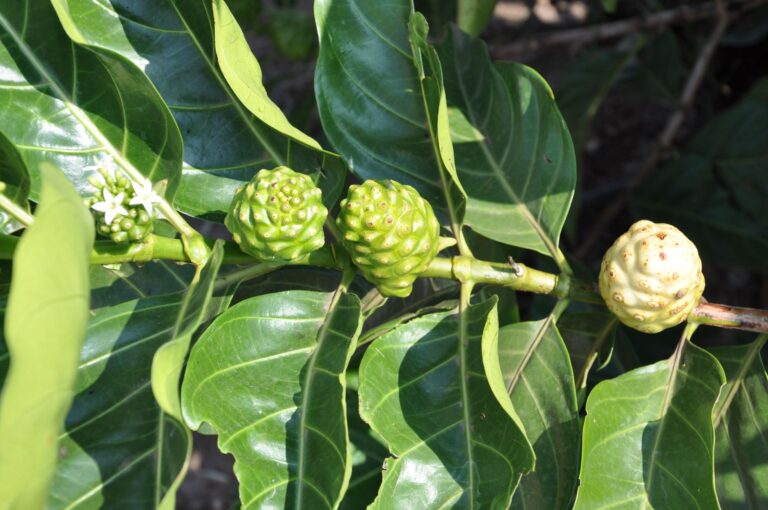
Tucked beneath oak and hickory canopies across the eastern United States, a small understory tree drops clusters of kidney-shaped fruit in late summer. The skin stays green even when ripe, the flesh turns custard-yellow, and a single fruit can weigh up to a pound. Bees rarely pollinate the flowers, so native insects like the carrion fly and certain beetles do most of the work, a quirk that limits large-scale commercial cultivation and keeps the fruit relatively regional. The flowers also draw specialized pollinators such as the pawpaw beetle and, in some regions, the carpenter bee.
Tropical Pawpaw (Carica papaya)
Sold simply as papaya in American grocery stores, Carica papaya can top 30 feet on a single hollow stem and often fruits within twelve months of planting. The flesh ranges from pale yellow to deep salmon, depending on the cultivar, and the fruit contains a central cavity filled with round, peppery black seeds. Because papaya ships and ripens predictably, it dominates global trade, while the North American species remains a forager’s prize in states like Ohio, Kentucky, and West Virginia.
Why the Shared Name Persists
Colonial-era confusion and overlapping folk usage cemented the dual meaning. Spanish-speaking traders used “papaya” long before English speakers borrowed terms from Caribbean and African languages, and that borrowed form eventually softened into “pawpaw” in several dialects. The result is a name that travels poorly across regions, which is why accurate health information requires naming the species every time.
Nutritional Profile of Pawpaw and What Each Serving Delivers
One cup of ripe tropical pawpaw (about 145 g) provides more than 100% of the daily vitamin C requirement for most adults, plus meaningful amounts of vitamin A, folate, and dietary fiber, according to nutrient data published by the U.S. Department of Agriculture. North American pawpaw offers a similar vitamin C and magnesium load, along with notable amounts of manganese, riboflavin, and iron, though its exact profile varies by cultivar and ripeness. Both fruits qualify as nutrient-dense options in a balanced diet.
Key Vitamins and Minerals Per Cup
| Nutrient | Tropical Pawpaw (Papaya), 1 cup, 145 g | North American Pawpaw, 1 cup, 150 g | Why It Matters |
|---|---|---|---|
| Vitamin C | 88 mg (about 100% DV) | 60–80 mg (about 70–90% DV) | Supports immune function and collagen production |
| Vitamin A (beta-carotene) | 1,530 IU (around 30% DV) | 300–500 IU (around 6–10% DV) | Helps maintain vision and skin integrity |
| Folate | 53 mcg (about 13% DV) | 15–25 mcg (about 4–6% DV) | Important for cell division and pregnancy nutrition |
| Magnesium | 33 mg (around 8% DV) | 40–60 mg (around 10–15% DV) | Supports muscle and nerve function |
| Manganese | 0.1 mg (around 4% DV) | 0.4–0.6 mg (around 18–26% DV) | Supports bone formation and antioxidant enzymes |
| Riboflavin (B2) | 0.05 mg (around 4% DV) | 0.15–0.20 mg (around 12–15% DV) | Helps convert food into cellular energy |
| Iron | 0.5 mg (around 3% DV) | 1.5–2.0 mg (around 8–11% DV) | Contributes to healthy red blood cells |
| Fiber | 2.5 g | 3–4 g | Aids digestion and satiety |
Antioxidants and the Papain Enzyme
Ripe pawpaw flesh carries carotenoid pigments, including lycopene in red-fleshed tropical varieties and beta-carotene across the board, along with flavonoid antioxidants that help neutralize free radicals. Unripe tropical pawpaw contains a protein-digesting enzyme called papain, the same compound that gives meat tenderizer its punch. North American pawpaw carries related compounds in the Annonaceae family, including annonacin, a neurotoxin studied in connection with atypical Parkinsonism in regions where related Annona fruits are eaten in large quantities.
Evidence-Backed Health Benefits of Eating Pawpaw Regularly
Eating pawpaw as part of a varied fruit intake links to better digestion, stronger immune defenses, and steadier skin health, mostly through its fiber, vitamin C, and carotenoid content. Research on tropical papaya has explored these effects more thoroughly than work on Asimina triloba, where studies tend to be smaller and more recent. Still, both species fall into the “whole fruit, not a magic bullet” category that nutrition scientists consistently favor.
Digestive Support From Fiber and Papain
Dietary fiber adds bulk to stool and feeds beneficial gut bacteria, while papain in unripe tropical pawpaw helps break down protein during a meal. A small study published in the Journal of Medicinal Food found that a papaya preparation reduced constipation symptoms in adults, though larger trials are still needed. Fresh ripe fruit is gentler on the stomach than the unripe form, which carries more of the latex that can irritate sensitive digestive tracts. That pattern aligns with broader guidance favoring whole fruit over concentrated extracts for everyday digestive support.
Immune Function, Skin, and Antioxidant Protection
Vitamin C, vitamin A, and flavonoid antioxidants work together to support immune signaling and protect skin cells from oxidative stress. Lycopene and beta-carotene contribute to cardiovascular and eye health, with observational studies linking higher carotenoid intake to lower risk of certain age-related vision issues. Folate and iron support healthy blood cell formation, which matters during pregnancy and recovery from anemia, and pawpaw offers both in moderate amounts per serving. The combined effect shows up most clearly in people who already eat a varied, produce-rich diet, where pawpaw adds an extra layer of micronutrient coverage.
Tip: pair a ripe pawpaw serving with a source of healthy fat, like a few slices of avocado or a small handful of almonds, to improve absorption of fat-soluble carotenoids such as beta-carotene and lycopene.
Side Effects, Allergies, and Who Should Limit Pawpaw Intake
Pawpaw is safe for most people in normal food amounts, yet a few well-documented reactions deserve a closer look. Allergic responses, latex cross-reactivity, and the natural compounds in unripe fruit each carry their own risk profile, especially for pregnant women and people with sensitive digestion.
Allergic Reactions and Latex Sensitivity
Chitinase enzymes hiding in the skin and latex of Carica papaya can spark itchy, swollen reactions in people with latex allergies, a crossover doctors call latex-fruit syndrome. North American pawpaw sits in a different plant family but has caused contact dermatitis in foragers who handle the skin repeatedly. Anyone with a known latex allergy should introduce small amounts first and stop at the first sign of itching, swelling, or hives. Your safer path in that case is a short waiting period of at least 24 hours after the first taste.
Carotenemia and Skin Discoloration
Anyone downing several cups of beta-carotene-rich pawpaw every day for weeks may notice a harmless yellow-orange tint creeping across their palms and soles. Carotenemia is not the same as jaundice and does not signal liver trouble. The condition resolves on its own and serves as a useful reminder that even healthy foods can be overdone. Your palms and soles tend to show the color first, which makes the change easy to spot before it becomes widespread.
Pregnancy, Uterine Stimulation, and Papaya Seeds
Unripe tropical pawpaw contains latex and high papain levels that may stimulate uterine contractions, which is why traditional medicine systems and most pregnancy guides recommend avoiding unripe fruit during pregnancy. Ripe pawpaw is generally considered safe in normal food portions. Papaya seeds, eaten in small amounts, have shown antimicrobial activity in lab studies, but higher doses can irritate the digestive tract, so they are best treated as a minor flavoring rather than a regular snack.
Culinary and Traditional Uses of Pawpaw from Raw to Cooked
Ripe pawpaw is most often eaten fresh, scooped straight from the skin with a spoon, and its custard-like texture draws comparisons to banana, mango, and baked sweet potato. North American pawpaw fans describe the flavor as a cross between banana and pineapple with a tropical edge that surprises first-time tasters. Both species adapt well to a wide range of kitchen treatments, from raw breakfast bowls to savory tropical stews.
Sweet Applications: Smoothies, Baked Goods, and Ice Cream
Blended pawpaw thickens smoothies without added ice, adds natural sweetness to muffins and quick breads, and forms the base of a silky no-churn ice cream when combined with cream and a touch of lime. North American pawpaw pulp holds up particularly well in custards and panna cottas because of its dense, creamy texture. The fruit pairs naturally with vanilla, ginger, citrus zest, and warm spices like cinnamon and cardamom. A quick weekday approach is to blend one cup of pulp with a splash of coconut water for a five-second breakfast.
Savory Applications in Tropical Cooking
Unripe tropical pawpaw appears in green papaya salad from Thailand and Laos, in Caribbean stews alongside salted fish, and in Indian curries where its mild flavor absorbs strong spices. Ripe papaya works in salsas, chutneys, and grilled fruit dishes where its sweetness balances chili and vinegar. North American pawpaw is less common in savory cooking, though it can stand in for banana in savory-sweet glazes for pork or poultry.
Traditional Remedies and Folk Uses
Across tropical regions, pawpaw leaves, seeds, and latex have been used in poultices for wounds, infusions for digestive upset, and topical pastes for skin infections. Modern evidence for these uses varies, with the strongest lab support for the antimicrobial properties of papaya seed extracts. As with most folk remedies, the difference between a culinary amount and a concentrated herbal dose can be significant, so check with a qualified healthcare professional before using pawpaw products for anything beyond a normal serving of fruit. Topical leaf pastes, in particular, can irritate sensitive skin if left on too long.
Selecting, Ripening, and Storing Pawpaw at Home
Fresh pawpaw has a short shelf life, and most supermarket papayas are picked firm so they can survive shipping. That makes knowing how to choose, ripen, and store the fruit the difference between a fragrant, juicy payoff and a bland, mushy disappointment.
How to Pick a Ripe Pawpaw
Look for fruit that yields slightly to gentle pressure at the stem end and smells faintly sweet at the base. Avoid papayas with deep bruises, cracked skin, or a fermented or sour odor, since these signal overripeness or spoilage. North American pawpaw is rarely found in stores, so most people will pick it directly from a tree or a farmers market; the same rules apply, with a slight wrinkle that the skin stays green even when fully ripe. A quick sniff near the stem end usually tells you more than a visual check alone.
Ripening at Room Temperature
Leave firm papayas on the counter for two to four days, checking daily, until the skin turns mostly yellow and a thumb press leaves a slight indent. Speed the process by placing the fruit in a paper bag with a banana, since the ethylene gas from the banana accelerates ripening. Once fully soft, transfer the fruit to the refrigerator, where it will hold for another two to three days. Your fruit should be ready to eat when the base gives slightly under gentle pressure.
Freezing the Pulp for Long-Term Use
Scoop the flesh, discard the seeds, and freeze the pulp in airtight containers or silicone ice cube trays for up to six months. Frozen pawpaw works well in smoothies, baked goods, and homemade ice cream, where texture differences are barely noticeable. Label each container with the date, and thaw only what you need, since repeated freeze-thaw cycles dull the flavor and break down the texture.
Bottom Line
Pawpaw delivers real nutrition, whether you’re eating tropical papaya from the grocery store or seeking out native Asimina triloba at a fall market. Vitamin C, vitamin A, fiber, and antioxidants form the core of the pawpaw benefits profile, while papain in unripe fruit offers extra digestive support. Eat it ripe, store it smartly, and skip the unripe latex and seeds if you’re pregnant or prone to latex reactions. Your smartest move overall is to treat pawpaw as one strong player in a varied fruit rotation rather than a daily staple.
FAQ
What are the benefits of eating pawpaw?
Pawpaw is rich in vitamin C, vitamin A, folate, fiber, and antioxidants such as lycopene and beta-carotene. Regular intake may support digestion, immune function, and skin health as part of a balanced diet. It is not a substitute for medical care or treatment of any condition.
Is pawpaw the same as papaya?
American shoppers grabbing a “papaya” at the supermarket almost always end up with tropical Carica papaya, while the word “pawpaw” on a U.S. label points to the North American Asimina triloba. In the UK, Australia, and parts of Africa, “pawpaw” is the common name for papaya, which causes the most confusion.
Are there any side effects of eating pawpaw?
Excessive intake can cause carotenemia, a harmless yellow-orange skin tint from high beta-carotene levels. Unripe fruit and pawpaw skin can trigger allergic reactions in sensitive individuals, and unripe papaya latex may pose risks during pregnancy. Always check with a qualified healthcare professional if you have specific concerns.
How much pawpaw should you eat a day?
One cup of ripe pawpaw per day is a reasonable serving for most healthy adults, providing a strong dose of vitamin C and fiber without overdoing the natural sugars. Larger amounts are generally safe but can cause digestive upset in some people, especially if the fruit is very ripe.
Can pawpaw be used for skin health?
The vitamin C, vitamin A, and antioxidant content in pawpaw may support normal collagen production and help protect skin cells from oxidative stress when eaten as part of a varied diet. Pawpaw should not replace sunscreen, moisturizer, or any skin treatment recommended by a qualified healthcare professional.