


Abdominal pads matter most when you need coverage that stays put, absorbs steadily, and feels gentle against fragile skin. You may be dressing a post-op site, stocking a first-aid cabinet, or keeping supplies ready for a busy clinic room, and the wrong pad makes that routine harder than it should be. The good options here focus on absorbency, non-stick surfaces, and sterile packaging, so you can match the pad to the job without guesswork.
The Shortlist At A Glance
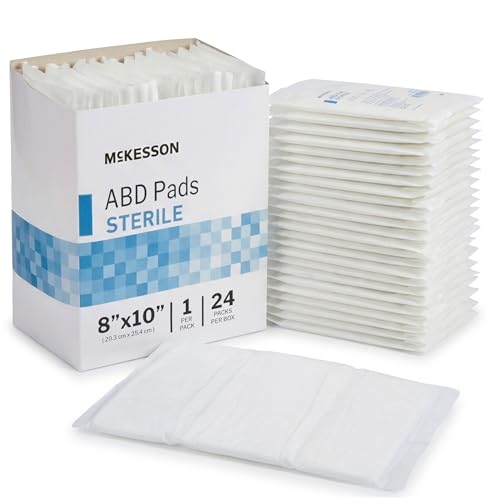
McKesson Sterile ABD Pads 8 x 10 in, 96 ct
McKesson Sterile ABD Pads 8 x 10 in, 144 ct

CareStock Abdominal Pads 48 ct, 8 x 10 in

CareStock Sterile ABD Pads 8 x 10 in, 24 ct

CareStock Abdominal Pads 360 ct, 8 x 10 in

Covidien 7198D Dermacea 8 x 10 ABD Pads, 36 Total

Medline Sterile Abdominal Pad 8 in x 7.5 in

Medline Sterile Abdominal Pads 8 x 7.5 in, 240 ct

Medline Sterile Abdominal Pads Variation

CareStock Abdominal Pads 40 ct, 5 x 9 in
McKesson keeps this one plain and practical, which helps in a clinic drawer or a home care kit. The non-woven outer layer is meant to stay gentle against healing tissue, while the cellulose core handles fluid without feeling bulky.
The sealed edges matter too, since they help keep leakage in check during changing routines. You may find the individual wrapping handy for storage and clean handling, especially in a busy setup where supplies get opened one by one.
What We Like
- Cellulose core helps move fluid away from the wound site.
- Non-woven surface is kinder to delicate skin than rougher gauze styles.
- Sealed edges add a cleaner feel during dressing changes.
- Individual wrapping supports tidy storage in a first-aid cabinet.
Small Caveats
- The 96-count format suits recurring use more than a tiny travel pouch.
- Non-stick performance still depends on the wound type and dressing routine.
Feature Rundown
Who It Suits Best
You benefit most from this pick if you want a steady, no-drama abdominal pad for routine wound care or post-procedure dressing changes.
A Better Fit Elsewhere
CareStock Abdominal Pads 360 ct suits home or facility users who want a much larger supply in one carton.
Compared with the 96-count McKesson pack, this version leans harder into supply volume. That makes sense for wound care stations, home caregivers, or anyone who burns through dressings steadily and wants fewer reorders.
The pad structure stays the same, so you still get the cellulose absorbent core, the soft non-woven face, and the sealed edge approach. The trade-off is simple, a bigger pack asks for more storage space, though it repays that with less box turnover.
Positives
- Higher count suits steady-use routines and larger supply cabinets.
- Same absorbent structure as the smaller McKesson pack keeps the feel familiar.
- Individually wrapped pads make portioning easy for shared storage.
- Clean, non-woven outer layer helps protect fragile tissue during dressing changes.
- Sealed edges help the pad hold together in use.
Areas To Watch
- The larger box takes more shelf space than the 96-count version.
- It makes the most sense for regular use, not an occasional emergency drawer.
Core Details
Made For
You fit this pick best if your household, clinic, or care setup goes through abdominal pads often and you want the same basic design with a larger stash.
Swap It Out When
McKesson Sterile ABD Pads 96 ct suits smaller cabinets better, especially where storage space matters more than bulk count.
CareStock’s 48-count format feels like a middle lane between a small starter box and a bulk carton. For a home recovery shelf or a family first-aid bin, that middle ground can be easier to live with than a huge stack of supplies.
The sealed edges, lint-free surface, and individually packed format all point toward cleaner handling. One thing worth considering is that the listing leans on the basics rather than extra material details, so you’re choosing by format and expected fit more than by fancy extras.
Bright Spots
- 48-count supply is a manageable size for many home kits.
- Extra absorbency language signals a pad built for fluid control.
- Sealed edges help keep the dressing neater during use.
- Lint-free construction is useful around sensitive healing tissue.
- Individual packing supports cleaner storage and quicker grab-and-go use.
Points To Note
- The listing leaves less room for material comparison than some McKesson or Medline options.
- Mid-size supply still takes more space than a slim travel pack.
At A Glance
Right Fit For
You’ll like this one most if you want a straightforward sterile pad supply for home recovery, travel backup, or a small care cabinet.
A Better Fit Elsewhere
McKesson Sterile ABD Pads 144 ct makes more sense for anyone who wants a larger ongoing supply and does not mind a bigger box.
This smaller CareStock pack is the kind of option that fits neatly into a home drawer without taking over the shelf. That makes it useful for lighter routines, short-term recovery, or a backup supply you want close at hand.
The trade-off shows up in the count, since 24 pads run out faster than the 48-count and 144-count choices above. Still, the same absorbent-core idea gives you a simple, no-fuss way to keep dressing changes organized.
Strong Points
- Compact count is easy to store in smaller cabinets.
- Super-absorbent core helps manage moisture during dressing changes.
- Good fit for lighter home care routines.
- Simpler pack size is easy to rotate through before expiration concerns become a storage headache.
Room For Improvement
- The smaller count may feel limited for frequent use.
- It is less practical than larger packs for group settings or clinics.
Quick Facts
The Right Fit
You suit this pick best if you want a modest-count sterile pad box for home use, travel backup, or a small care kit.
Another Choice May Suit
CareStock Abdominal Pads 48 ct gives you more breathing room for repeated dressing changes without jumping straight to bulk.
Bulk supply changes the whole story here, because 360 pads are aimed at users who do not want to restock every few weeks. For a clinic, care home, or household supporting long recovery periods, that kind of volume can feel much easier to manage.
The material cues match the smaller CareStock options, so the appeal is less about novelty and more about scale. The catch is storage, since a carton this large needs a real place on the shelf, not a loose corner in a drawer.
Upsides
- Very large count supports high-volume use.
- Same sealed-edge, lint-free approach as the smaller CareStock packs.
- Individual wrapping keeps distribution cleaner across a busy setting.
- Useful for stocked supply rooms where restocking pace matters.
Softer Spots
- The box size asks for dedicated storage space.
- It makes less sense for a one-person kit or occasional use.
Details At A Glance
Built With In Mind
You fit this pick best if your supply needs are steady, your storage area is large enough, and you want a long-running stock of sterile abdominal pads.
Where A Sibling Pick Shines
CareStock Abdominal Pads 48 ct is easier to stash for home use, especially when you want less bulk and a smaller footprint.
Dermacea stands out a bit differently from the McKesson and CareStock pads because the listing points to a non-woven build and an adhesive style. That combination makes sense for post-operative dressing work where you want the pad to sit predictably on the body area it’s meant to cover.
The 2-box setup gives you 36 total pads, which is a comfortable middle size without drifting into bulk territory. One thing worth noting, though, is that the product details focus more on format than on absorbency specifics, so it suits shoppers who care most about fit and basic construction.
Highlights
- Non-woven material supports a softer feel against skin.
- Adhesive-style format is useful for more controlled placement.
- Rectangular shape works well for broader wound coverage.
- 36-total count keeps the supply meaningful without becoming unwieldy.
Worth Noting
- The listing gives less absorbency detail than some other picks here.
- Adhesive-style dressing often works best with a careful placement routine.
Technical Sheet
Whose Shelf It Belongs On
You’ll appreciate this choice most in a post-op setting or any home care routine that benefits from a steadier, more structured pad layout.
Skip It When
McKesson Sterile ABD Pads 144 ct fits better for high-turnover stock rooms that care more about quantity than adhesive-style placement.
Medline takes a smaller route here, and that can be a plus in tighter dressing spaces. The 8 by 7.5 inch size gives you a shorter footprint than the 8 by 10 options above, so it suits areas where the larger pads would feel a bit oversized.
The 20-count pack is also easy to tuck into a cabinet or travel kit. The honest read is that you’re trading coverage for compactness, which is a fair swap for smaller wound areas or lighter supply needs.
Best Bits
- Smaller dimensions make placement easier in tighter spaces.
- Pack of 20 is easy to store in a compact kit.
- Sterile format supports clean handling during dressing changes.
- Useful for smaller abdominal areas where broad coverage is unnecessary.
Minor Gripes
- The smaller surface area will not suit everyone’s coverage needs.
- The 20-count supply is more limited than the larger Medline and McKesson options.
Feature Snapshot
Perfect Match For
You suit this pad best if you need a shorter abdominal pad for smaller dressing areas or a compact emergency kit.
Look Elsewhere When
McKesson Sterile ABD Pads 96 ct makes more sense when you need the full 8 by 10 coverage and more supply in one place.
This Medline pack is built around volume and a cellulose center, so it appeals to people who go through dressings regularly. Compared with the smaller 20-count Medline option, this is the one that makes more sense for supply rooms or long-running home care plans.
The smaller 8 by 7.5 inch shape still keeps it more compact than the 8 by 10 group, which can help in cramped storage spots. That said, the larger count also means you are committing shelf space to a box that feels more substantial than a casual backup pack.
Reasons To Buy
- 240-count supply is well suited to repeat use.
- Cellulose center helps draw fluid into the pad body.
- Smaller pad size works in tighter coverage areas.
- Good fit for clinics, treatment rooms, or well-stocked home cabinets.
Areas To Watch
- The larger carton needs real storage space.
- Shorter pad length may not suit every abdominal dressing task.
Core Details
Best Suited To
You benefit most from this pick if you want a high-count Medline supply for steady use in a treatment room or organized home care setup.
Swap It Out When
Medline Sterile Abdominal Pad 20-pack works better for compact kits and lighter use, since it keeps storage simpler.
Some listings give you the cleanest path by staying simple, and this Medline variation sits in that camp. It works as a straightforward sterile abdominal pad choice for general stocking, especially in setups where brand familiarity matters more than extra feature detail.
Because the source details are sparse, the appeal here is less about a standout material story and more about keeping a known Medline option in rotation. Compare that to the feature-heavy McKesson and CareStock entries above, and this one feels like the quiet utility pick.
Positives
- Straightforward Medline option for general use.
- Sterile format fits routine dressing supply needs.
- Works well as a backup stock item.
Points To Note
- The listing gives very little detail to compare against more descriptive options.
- That makes it harder to judge fit for specialized use.
Quick Facts
Who Should Grab It
You suit this pick best if you want a basic Medline sterile pad and do not need a long feature list to make the decision.
Reach For A Different Pick When
Medline Sterile Abdominal Pads 240 ct is a better match for high-use environments that need a clearly defined larger supply.
This smaller CareStock option makes sense when your kit needs to stay compact. The 5 by 9 inch size is easier to tuck into a bag or drawer than the larger 8 by 10 styles, so it suits travel backup or lighter wound care setups.
The 40-count pack keeps the supply more portable, though it does give up coverage area compared with the bigger abdominal pad formats in this roundup. The honest read is that it’s a practical sidekick for on-the-go kits, not a replacement for the larger pads above.
Standout Traits
- Smaller size fits neatly into travel or emergency kits.
- 40-count format gives enough supply without getting bulky.
- Good backup choice for lighter dressings.
- Individually wrapped pads support cleaner handling in a bag.
Trade Offs
- The smaller size means less coverage than the 8 x 10 options.
- It is less suited to higher-volume care rooms.
Feature Card
Whose Shelf It Belongs On
You fit this one best if you want a portable sterile pad supply for travel kits, glove boxes, or a small emergency drawer.
Another Choice May Suit
CareStock Abdominal Pads 48 ct is the better pick for anyone who wants a larger home-care supply in the same general product family.
How To Choose The Right Abdominal Pads 8×10
Coverage, Core, And Outer Layer
The first choice is coverage. An 8 by 10 pad gives broad surface area, which helps in abdominal dressing work, while smaller formats fit tighter sites and smaller kits more cleanly.
Then look at the absorbent core, often cellulose, which is the inner material that pulls fluid away from the wound area. A non-woven outer layer usually feels gentler and sheds less lint, which matters around fragile skin.
Sterility And Pack Format
Sterile wrapping matters for cleanliness and convenience, especially in home recovery or any setting where you open pads one at a time. Individually wrapped pads also store more neatly in cabinets, bags, or supply drawers.
The trade-off is simple, smaller packs are easier to stash, while larger cartons reduce how often you restock. For busy care routines, that difference can matter more than any extra packaging detail.
Count, Storage, And Use Frequency
Count should match your pace of use. A 24 or 40 count pack suits a compact kit, while 144 or 240 count options make more sense for recurring dressing changes or shared supply areas.
Bulk packs usually ask for real shelf space, so they fit best where storage is already organized. That is the quiet part of this category, the right count often matters more than the brand name.
Fit For The Way You Care
Post-op dressing, long recovery periods, and routine wound care each put different demands on a pad. A larger, sealed-edge pad supports broader coverage, while a smaller pad can feel easier to manage in tight spaces or travel kits.
Match the pad to the setting, not just the label on the box. That keeps the supply useful instead of just abundant.
Before You Click Through
Mistakes Worth Dodging
One common mistake is treating every abdominal pad as the same size. A 5 by 9 or 8 by 7.5 pad can be too small for a dressing site that really needs 8 by 10 coverage.
Another is overlooking the pack count, which can turn a convenient choice into clutter or, on the flip side, a box that runs out too quickly.
The Case For Spending Up
Higher-tier options often cost more because of pack size, sterile wrapping consistency, and stronger material details like cellulose cores or non-woven surfaces. Those extra touches help when you handle dressings often and want less friction in daily use.
Spending up makes sense for clinics, caregiving homes, or anyone who wants a smoother supply routine. For occasional backup use, a simpler pack usually does the job without tying up storage space.
Frequently Asked Questions
What size works best for abdominal dressing use?
The 8 by 10 size gives broad coverage for many abdominal dressings. Smaller formats can still work, but they fit tighter areas better than larger wound sites.
Why does a non-woven surface matter?
A non-woven surface usually feels softer and is designed to shed less lint. That can make handling gentler around sensitive tissue.
Is sterile packaging important for home care?
Sterile packaging supports cleaner handling when you open a pad for use. It also keeps storage more orderly in a home supply cabinet.
How many pads should you keep on hand?
The right count depends on how often dressings change. Small packs work for backup use, while larger cartons fit steady routines better.
Do bulk packs make sense for household use?
They do, as long as you have the storage space and a regular need for them. Otherwise, a smaller pack is easier to keep organized.
Closing Thoughts
You get the best results from abdominal pads when the size, pack count, and material feel line up with your daily routine. McKesson offers the most balanced path for many people, while CareStock and Medline cover the smaller-kit and higher-volume needs. The right pick is the one that fits your storage, your dressing changes, and the space you actually have to work with. Keep it practical and the whole process gets easier.