


A decade ago, hearing help meant fiddly batteries and a trip to a clinic. Now, rechargeable hearing aids for seniors sit on the nightstand, charge like a phone, and tune themselves for noisy restaurants or quiet TV rooms. They won’t replace a fitting for severe loss, but for many adults with mild to moderate hearing changes, the right over-the-counter pair makes conversations feel natural again. The five picks below cover different priorities, from featherweight comfort to long battery life.
The Main Contenders

Karthus OTC Rechargeable Hearing Aids with Noise Cancelling (16-Channel)

iBstone Rechargeable Hearing Aids 30% Smaller, IP67 Waterproof (OTC)

Karthus OTC Rechargeable Hearing Aids with Noise Reduction

Nova Rechargeable Hearing Aids with Anti-Lost Lanyard (OTC)
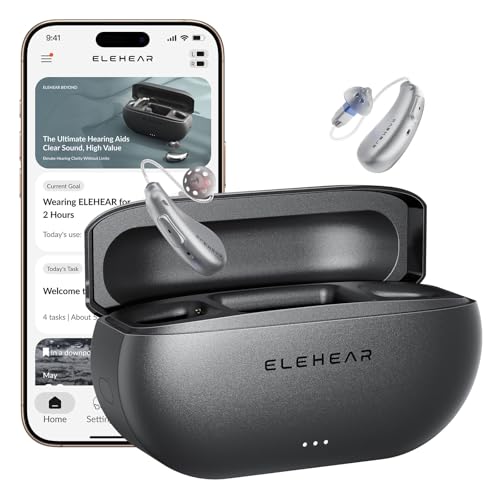
ELEHEAR Beyond Pro Bluetooth OTC Hearing Aids
What Each Pick Brings To The Table
This Karthus pair leans on a 16-channel digital signal processor, which is the chip that splits incoming sound into frequency bands and treats each one separately. That finer slicing is what helps voices cut through clattering dinner tables, a step beyond the simpler two- or four-channel chips found on many OTC aids.
For someone whose main frustration is conversation rather than volume, the 16-channel approach makes a real difference at the dinner table. It’s also a natural step up from the simpler Karthus model reviewed below.
Standout Benefits
- Sixteen channels give finer detail to speech in noisy rooms
- Two environment modes let you switch between quiet and bustling settings
- Rechargeable battery rated for 80-plus hours between charges
- Auto feedback control reduces the high-pitched whistle many aids produce around hats or hugging
Things To Consider
- Mode switching is manual, so you’ll press a button when moving from a quiet den to a busy café
- Owners commonly report a short learning curve finding the right dome size from the included options
Quick Facts
Built With In Mind
Active retirees who eat out often or attend family gatherings and need crisp speech in moderately loud rooms.
Reach For A Different Pick When
Anyone planning long outdoor walks should consider the iBstone model below for its water-resistant shell.
The iBstone aids are built 30 percent smaller than standard in-ear models, which matters for all-day wear behind glasses or a face mask. An IP67 rating means the casing keeps out dust and survives temporary immersion, so a sweaty walk or a sudden drizzle won’t ruin them.
Charging takes about 1.5 hours for roughly 24 hours of listening, with a carrying case that holds up to 125 hours of backup power for longer trips. Compared with the Karthus 16-channel pick, this pair trades channel detail for rugged portability.
What Helps Most
- Smaller shell sits more discreetly behind the ear
- IP67 sealing handles sweat, light rain, and dusty yard work
- Fast 1.5-hour charge plus a backup case for travel days
- Intelligent chip focuses on speech while suppressing steady background noise
Points To Note
- Smaller shell can be tricky to handle for users with arthritis
- Waterproof rating covers splashes, not swimming or showering
Whose Shelf It Belongs On
Seniors who walk, garden, or play golf and need a discreet pair that tolerates weather.
Consider Something Else When
Someone who streams a lot of phone calls or music should look at the ELEHEAR Beyond Pro below for Bluetooth connectivity.
The simpler Karthus model skips the app entirely. A physical switch turns the aids on, and a single rocker adjusts volume, which removes the smartphone learning curve that frustrates many first-time users.
For someone who just wants clearer TV dialogue and easier one-on-one conversations at home, the no-fuss approach tends to win. The trade-off, compared with the 16-channel sibling reviewed above, is fewer channels and no environment mode.
Everyday Perks
- One-button volume control removes the smartphone setup barrier
- Rechargeable design cuts out tiny battery swaps
- Noise reduction focuses on voices during TV and family meals
- Suitable for mild to moderate hearing loss per its OTC classification
Honest Caveats
- No Bluetooth streaming for phone calls or TV audio
- Single program means less fine-tuning for noisy restaurants
Feature Snapshot
Right Fit For
First-time hearing aid shoppers who want a simple, physical-control design and clearer TV and home conversations.
Not Your Match When
Frequent travelers who need a charging case with multi-day backup should consider the Nova pair reviewed next.
Nova markets a featherweight shell at 1.4 grams and a charging case that adds four full charges on top of the aids’ own battery. In practice, that adds up to roughly 100 hours of total listening, enough for a long cruise or a week visiting the grandkids without hunting for an outlet.
It also includes an anti-lost lanyard, a small but practical touch for anyone worried about dropping a tiny device. The iBstone pair above is the closest cousin, but Nova focuses more on travel endurance than weather sealing.
The Helpful Details
- Carrying case holds multiple full charges for multi-day trips
- Anti-lost lanyard adds security during yard work or travel
- Lightweight shell reduces ear fatigue on long days
- Smart noise cancelling targets restaurant and group settings
- Multiple ear tip shapes included for a better fit
Softer Spots
- No water resistance rating, so rain calls for caution
- Lanyard may feel intrusive for users who prefer a fully invisible fit
Feature Card
Best Suited To
Seniors who travel often, visit family, or spend weekends away from home and want multi-day battery headroom.
Swap It Out When
Anyone wanting Bluetooth streaming for music and calls should step up to the ELEHEAR Beyond Pro covered below.
The ELEHEAR Beyond Pro adds Bluetooth streaming and a companion app, which puts it in a different league from the basic OTC aids above. VocClear 2.0 processing pushes high-frequency detail up to 8500Hz, where consonant clarity lives, so speech sounds more lifelike to my ear.
The trade-off is complexity. Anyone uncomfortable pairing a phone or tweaking equalizer settings will likely prefer the no-app Karthus model reviewed earlier. But for connected seniors who stream calls, audiobooks, and TV through their phone, the upgrade earns its place.
Strengths Worth Knowing
- Bluetooth streaming for calls, music, and TV audio
- High-frequency extension supports clearer consonants
- Low processing latency keeps speech and sound effects in sync
- App-based tuning for personalized adjustments across environments
Trade Offs
- App dependence adds a learning step for non-smartphone users
- Bluetooth streaming drains battery faster than basic listening modes
Perfect Match For
Tech-comfortable seniors who stream phone calls and music and want app-based fine-tuning.
A Better Fit Elsewhere
Anyone who avoids smartphones should choose the simpler Karthus noise reduction model reviewed above.
Choosing The Right Rechargeable Hearing Aids For Your Lifestyle
Match The Aid To Your Loss Level
OTC hearing aids are designed for adults with mild to moderate hearing loss. They are not a substitute for clinical fittings in severe cases. If you struggle to hear loud speech at close range or rely heavily on lipreading, schedule a professional audiogram first. For everyday softness and TV volume issues, the OTC category covers the right territory.
Battery And Charging Habits Matter
Battery ratings range from about 24 hours on the iBstone to 80-plus hours on the 16-channel Karthus. Consider how often you want to plug in. Frequent travelers benefit most from a charging case with multi-day backup, like the Nova. Homebodies who recharge overnight may not need that headroom.
Comfort And Fit Drive Daily Use
A hearing aid only helps if you wear it. Look for multiple ear tip sizes, lightweight shells, and behind-the-ear versus in-ear shapes. Smaller shells disappear but can frustrate users with arthritis. Heavier models stay easier to handle but tire the ear after long days.
Features That Fit Your Routine
Bluetooth, app tuning, and environment modes all add value but also complexity. Streamers and phone-heavy users benefit from Bluetooth. Diners and party-goers benefit from noise reduction and multiple channels. Couch potatoes who mostly watch TV may prefer a simple, no-app setup.
Key Considerations Across These Picks
Where Shoppers Go Wrong
The most common mistake is choosing by channel count alone. More channels help in noisy places but mean little for someone who mostly watches TV at home. Buyers also underestimate fit, then end up with aids that whistle or feel loose. Try the included ear tips before assuming a model is wrong, and give yourself a week of consistent wear to judge comfort.
The Case For Spending Up
Higher-tier models like the ELEHEAR Beyond Pro add Bluetooth streaming, app tuning, and broader frequency response. That pays off for music lovers, phone-heavy users, and anyone who wants personalized control. For simpler needs, a mid-tier OTC pair delivers most of the speech clarity at a more approachable cost, so the upgrade only makes sense when those extras match your routine.
Frequently Asked Questions
Do OTC rechargeable hearing aids work for severe hearing loss?
OTC rechargeable hearing aids are designed for mild to moderate hearing loss. Severe loss typically needs a professionally fitted device with stronger amplification and custom molds.
How long do rechargeable hearing aid batteries actually last?
Most rechargeable hearing aids deliver between 20 and 80 hours per charge, depending on features like Bluetooth. Charging cases extend total use to several days without an outlet.
Can I sleep wearing rechargeable hearing aids?
Sleeping in hearing aids is generally not recommended, since moisture and pressure can damage the shell. Always remove and charge them overnight.
Are waterproof rechargeable hearing aids truly swim-safe?
IP67 ratings handle splashes and brief rain, not swimming or showering. For pool use, look for higher IP ratings or dedicated waterproof designs.
Will rechargeable hearing aids help with TV dialogue?
Yes, especially models with strong noise reduction. For the clearest TV sound, consider a pair that supports Bluetooth streaming to a TV adapter or direct audio output.