


Mild hearing changes creep up quietly, so by the time a noisy restaurant feels overwhelming or a quiet phone call becomes a guessing game, the right low-gain support can feel like turning the volume back up on life. These picks lean toward softer amplification profiles, comfort-first designs, and accessories that pair with existing receivers. I focused on everyday comfort, real-world clarity, and gear that suits early-stage needs without overcorrecting the sound.
The Picks In Brief

Lillu Phonak Power 4.0 Dome Medium Replacement Ear Tips
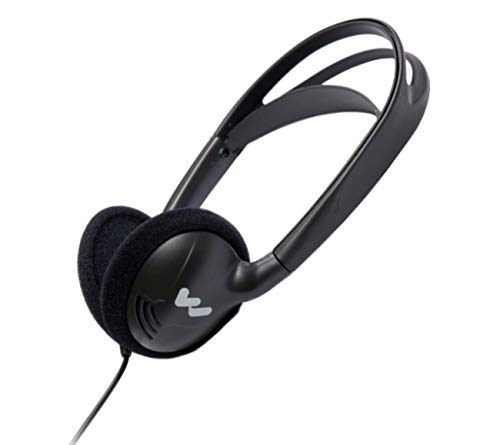
Williams Sound HED 027 Heavy-duty Folding Mono Headphones

Williams Sound Pocketalker Ultra Hearing Amplifier

Williams Sound HED 021 Deluxe Folding Headphones

Williams Sound PockeTalker Ultra DUO Sound Amplifier

SuperEar SE9000HP Hearing Amplifier for Seniors

Joanbro Personal Sound Amplifier for Seniors with Headphones
The Details Behind The Selections
Replacement domes sound minor until the current set on your receiver gets loose, slippery, or starts feeding back at low volumes. Lillu’s Power 4.0 dome in Medium fits the Phonak 4.0 profile at roughly 11.5 mm, which keeps the seal snug without over-tunneling the canal. The closed-fit design helps preserve the gentle amplification curve that low-gain wearers tend to prefer.
For anyone running Phonak Audeo Marvel, Paradise, Lumity, or Sphere receivers, this is a sensible spare to keep in a drawer. A ten-pack means roughly a year’s worth of swaps for someone who replaces monthly, which lines up well with the silicone’s typical wear cycle.
Practical Pluses
- Closed-fit seal reduces feedback at low-volume listening.
- Ten-pack gives long-term redundancy without reordering often.
- Matches a broad range of current Phonak receiver-in-canal models.
- Medium 11.5 mm size suits average ear canals without deep insertion.
Things To Consider
- Dome sizes are not interchangeable across generations, so confirm your current dome profile before swapping.
- Silicone tips collect earwax and benefit from regular wiping with a dry cloth.
Who It Suits Best
Phonak RIC wearers with mild loss who already know their dome size and want a steady backup supply.
Skip It When
The Williams Sound Pocketalker Ultra is the better starting point for someone who has not yet committed to prescription-grade hearing aids.
The HED 027 is built for assistive listening stations, churches, tour groups, and anywhere headphones get shared between users. The heavy-duty build handles repeated folding, the mono driver (one audio channel rather than stereo) suits speech-first amplification, and the 39-inch cord gives a person room to settle into a seat without yanking the receiver.
Plug it into a Williams AV receiver or Pocketalker and the gentle output curve is a natural fit for low-gain listeners who want speech, not music, lifted forward. Replacement ear pads are sold separately under the EAR 035 listing, which extends the lifespan of the unit.
Everyday Perks
- Folding frame stores flat in a bag or drawer.
- Mono playback keeps spoken-word content clear and centered.
- 39-inch cord offers slack for seating flexibility.
- 3.5 mm plug fits the standard Williams AV receiver jack.
Honest Caveats
- Adult sizing runs large on smaller heads, so children will need a different option.
- Ear pads wear out with heavy shared use and should be swapped periodically.
Made For
Facility coordinators running assistive listening setups who want a durable, replaceable headphone for shared use.
Consider Something Else When
The Williams Sound HED 021 is a lighter-weight choice for solo travel or shorter sessions.
The Pocketalker Ultra is a personal amplifier, not a prescription hearing aid, which matters for anyone easing into hearing support. It looks like a slim phone, runs on batteries, and pairs with the included headphone or an alternate earbud. A built-in microphone targets the sound source in front of the listener, which trims background clatter in a one-on-one chat.
The volume wheel stays simple, and the bundle ships with a year of batteries, so there is nothing to figure out on day one. Compared with the SuperEar SE9000HP later in this list, the Pocketalker is closer to a plug-and-play starter tool.
Real-World Strengths
- Directional microphone brings the conversation forward in quiet rooms.
- Includes headphones plus earbuds for fit flexibility.
- Year of bundled batteries removes an immediate accessory run.
- Light enough to clip onto a shirt or rest on a table.
Worth Noting
- Designed for mild to moderate needs, not severe loss.
- Headphone cable is fixed-length, so plan for seated use over walking.
Feature Snapshot
Right Fit For
Seniors testing amplified listening for the first time before committing to a fitted device.
Look Elsewhere When
The SuperEar SE9000HP fits better for someone who wants a tunable frequency switch and rechargeable power.
The HED 021 trims the HED 027 down to a lighter footprint while keeping the mono, speech-first playback that low-gain listeners tend to prefer. It folds flat, weighs roughly 0.12 lbs, and slips into a tote or carry-on without complaint. The 32-ohm driver works well with the standard Williams AV receiver output.
It is a tidy companion headphone for travel days, hospital room TVs, or any environment where dragging a heavy pair is more hassle than it is worth.
Useful Touches
- Lightweight folding frame is easy to pack.
- Mono playback keeps spoken content clear.
- Works with Williams AV receivers and Pocketalker units.
Points To Note
- Adult sizing may run large on smaller heads.
- Sanitary covers and replacement pads are separate purchases.
Best Suited To
Travelers and group facilitators who want a compact headphone for occasional assistive listening.
A Better Fit Elsewhere
The Williams Sound HED 027 is the stronger pick for shared institutional use where durability matters more than weight.
The DUO version of the Pocketalker bundles both a headphone and an earbud in one box, which lets the wearer pick whichever fit feels right after an hour of use. The amplifier prioritizes nearby sound while reducing ambient room noise, which is the exact behavior most people want in a car, at the dinner table, or during a TV scene.
It works with or without hearing aids, so it can sit beside existing devices rather than replace them. Compared with the standard Pocketalker Ultra covered earlier, the DUO adds the earbud option and a more flexible listening experience.
Practical Advantages
- Directional microphone lifts the sound source closest to the listener.
- Two listening options cover both over-ear and in-ear preferences.
- Compatible with existing hearing aids if desired.
Some Limits To Know
- Headphone and earbud wires are fixed length, so movement is limited.
- Battery life varies with volume level, so high settings drain faster.
Feature Card
Who Should Grab It
Anyone who wants one amplifier that flexes between TV time, car rides, and small group chats.
Reach For A Different Pick When
The Joanbro Personal Sound Amplifier is a better fit for users who want selectable microphone modes and tone control.
The SE9000HP is the model I would point to for someone who plans to use a personal amplifier every day across multiple environments. The three-position high-medium-low frequency switch lets the listener shape the curve for a quiet living room, a busier restaurant, or a TV at low volume. Rechargeable AA batteries cut down on the disposable battery run.
Compared with the Pocketalker Ultra, this unit asks for a little more dialing in but rewards daily users with broader environmental control.
Where It Helps
- Three-position frequency switch adapts to room acoustics.
- Rechargeable AA battery cuts down on disposable swaps.
- Compact body fits in a jacket pocket or handbag.
Trade-Offs To Consider
- Frequency switch takes some experimentation to find the right position.
- Rechargeable batteries lose capacity over years of daily cycling.
Quick Facts
Built With In Mind
Active daily listeners who want one device that handles multiple rooms without constant menu diving.
Where Another Pick Suits Better
The Lillu Phonak dome is a better match for someone who already wears Phonak hearing aids and just needs replacement tips.
The Joanbro amplifier is the most tunable unit in this list, and that is exactly why it lands at number seven rather than higher. Three microphone modes, three tone settings, and a volume wheel give the user real control over the output curve, which matters in noisy rooms where a flat amplifier just lifts everything at once.
The 50 dB additional acoustic gain is meaningful for soft voices, though total output should still feel comfortable rather than overwhelming. Bundle includes both headphones and an earbud, similar in spirit to the Pocketalker DUO above but with the added microphone and tone controls.
Notable Gains
- Three microphone profiles adapt to different environments.
- Tone control plus volume wheel offers real listening shaping.
- Headphone plus earbud bundle covers multiple comfort preferences.
- Noise cancelling circuitry helps separate voices from background.
Factors To Consider
- Multiple settings can overwhelm a first-time user.
- Highest gain levels should be dialed in gradually to stay comfortable.
Whose Shelf It Belongs On
Listeners dealing with variable background noise who want more shaping control than a basic amplifier offers.
Swap It Out When
The Williams Sound Pocketalker Ultra is simpler for someone who wants minimal setup and a battery supply included.
What To Weigh Before Picking A Low Gain Amplifier
Low-gain support sits in the early-intervention zone, so the wrong curve or uncomfortable fit pushes people right back out of the habit. Three things matter more than brand recognition: the sound profile, the listening interface, and how the device fits into daily routines.
First, the sound profile should match the listening situation. A flat amplifier lifts every frequency equally, which sounds loud but rarely sounds clear in a noisy room. Pickable tone or frequency controls help isolate voices from background clatter, which matters more than raw volume.
Second, the listening interface decides whether the device actually gets used. Over-ear designs stay put during long sessions but feel bulky in public. In-ear earbuds disappear but can irritate sensitive canals over hours. Bundles that include both let the user find a real preference after a few days rather than guessing at the checkout page.
Third, daily routine fit keeps the device in the drawer or out of it. Battery-powered units with included cells are great for short trips, but rechargeable gear tends to win for daily use. Clip-on microphones help in one-on-one conversations, while tabletop placements work for TV. Match the form to the room, not the other way around.
Reader profiles worth noting: caregivers shopping for an aging parent usually do best with simple dial-up models like the Pocketalker Ultra. Active seniors who move between rooms tend to prefer rechargeable units with frequency switches, like the SuperEar SE9000HP. Existing hearing aid wearers who want backup gear may only need replacement domes or an assistive headphone, not a full amplifier.
Smart Considerations Across These Picks
Where Shoppers Go Wrong
The most common slip-up in this category is buying the highest-gain amplifier on the shelf and assuming louder means better. For low-gain needs, that extra volume often distorts voices or introduces whistle feedback. Matching the device to the actual hearing profile, mild rather than severe, gives a clearer result.
Another trap is overlooking the listening interface. A perfectly tuned amplifier fails when the bundled earbud falls out, or the headphone cord is too short to reach across the room. Reading the included accessories before checkout avoids the common disappointment of a technically correct device that no one wants to wear.
When Paying More Pays Off
Higher-tier models in this list earn their cost through better control, not raw volume. The Joanbro’s three-mic profiles and the SuperEar’s frequency switch both let the listener shape the curve instead of accepting a flat lift, which matters most in variable environments. That extra shaping is worth the step up for daily users, while occasional listeners get plenty from simpler gear.