


Living with diabetes means your skin tells a different story. Feet get dry faster, heal slower, and crack in places where circulation struggles to keep up. The right moisturizer isn’t a luxury; it’s daily maintenance that keeps small dryness from becoming a bigger problem. This roundup looks at formulas designed for sensitive, slow-healing skin, with ingredients that work without stinging or sitting greasy on socks.
A Snapshot Of The Selections

GOLD BOND FOOT CREAM 3.4OZ

60% Urea Foot Cream Stick with 2% Salicylic Acid
Aveda Foot Relief Moisturizing Creme 4.2 Fl Oz

Shikai Borage Dry Skin Therapy Foot Cream 4.2-Ounce (Pack of 3)

Gold Bond Softening Foot Cream 4 Oz

O’Keeffe’s for Healthy Feet Foot Cream 3 oz 2-Pack

BALM OF GILEAD Foot Cream with Tea Tree and Eucalyptus
BALM OF GILEAD Foot Healing Cream Frankincense & Sweet Myrrh

BALM OF GILEAD Manuka Eczema Honey Cream

BALM OF GILEAD Tea Tree Balm 2 fl oz with Manuka Oil
A Closer Look At Each Pick
A no-fuss staple that slips easily into a morning routine, Gold Bond’s 3.4 oz tube has earned its reputation in bathroom cabinets across the country. The cream absorbs quickly enough to wear socks right after application, which matters when you’re rushing out the door. For most people managing daily dryness, this is the kind of product you keep on the counter because it never feels like a chore to use.
Compared to heavier ointments later in this list, this one stays light and breathable. You may find the smaller tube disappears faster than expected if you’re applying twice daily.
The Upside
- Fast-absorbing texture that doesn’t leave a greasy film on socks or sheets.
- Compact 3.4 oz size fits in a gym bag or travel kit for daily touch-ups.
- Trusted pharmacy-brand formula widely available and easy to replace.
- Layers well under compression socks without pilling or rolling.
Small Caveats
- Smaller tube may run out quickly with twice-daily use.
- Light hydration may not be enough for very thick callused heels.
- Fragrance may bother those with extra-reactive skin.
Feature Snapshot
Who It Suits Best
Anyone managing routine foot dryness who wants a fuss-free, fast-absorbing daily cream.
Look Elsewhere When
Thick, deep calluses need more weight, and the 60% Urea Foot Cream Stick with 2% Salicylic Acid handles those far more aggressively.
Where most creams whisper at thick heels, this stick shouts. Urea is a keratolytic agent, meaning it breaks down excess keratin in hardened skin, while salicylic acid adds gentle exfoliation. Together they tackle calluses that have built up over months or years. The solid stick format means no messy jar hands and no wasted product on your fingers.
Anyone with serious buildup on heels, knees, or the sides of big toes will recognize the difference within a week. It feels closer to a treatment than a moisturizer, so pair it with something gentler for daily hydration.
Notable Upsides
- 60% urea concentration softens the toughest calluses quickly.
- 2% salicylic acid boosts exfoliation without a separate scrub step.
- Solid stick design keeps application clean and travel-friendly.
- Shea butter base helps balance the strong exfoliants.
Points To Keep In Mind
- Too aggressive for daily use on already-soft or sensitive skin.
- Stick format can feel tacky on warm days.
- Not meant as an all-over moisturizer; spot-treat only.
Right Fit For
People with thick, stubborn calluses who need real exfoliation, not just surface moisture.
Skip It When
Mild daily dryness calls for something softer, and the GOLD BOND FOOT CREAM 3.4OZ handles that without overdoing it.
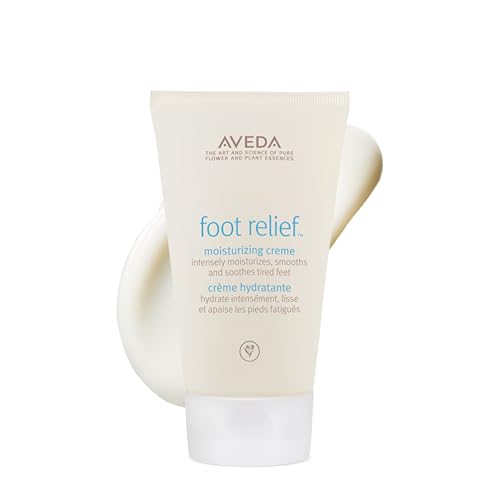
Few foot creams feel this indulgent at the end of a long day. Aveda built this around naturally derived oils, including jojoba and castor for deep moisture, plus peppermint and tea tree for that cooling, slightly tingly wake-up. The texture sits between a cream and a balm, rich enough to feel substantial without coating your sheets.
It’s the kind of product that turns a quick post-shower swipe into a five-minute ritual. Where the Gold Bond cream works as background maintenance, this one feels like an event.
A Few Strong Suits
- Naturally derived oils hydrate without synthetic heaviness.
- Peppermint and tea tree add a cooling sensation on tired feet.
- Exfoliating acids smooth rough patches between applications.
- Subtle aromatherapy effect from lavender and rosemary.
A Few Limitations
- Premium pricing puts it above drugstore options.
- Strong scent may be polarizing for those sensitive to fragrance.
- Lighter hydration than pure occlusive balms for severe cracks.
Quick Facts
Best Suited To
Sensitive skin types who want a botanical-heavy formula and don’t mind paying more per ounce.
Reach For A Different Pick When
Heavily cracked heels need a denser barrier, and O’Keeffe’s for Healthy Feet Foot Cream 3 oz 2-Pack locks in moisture more stubbornly.
Borage oil is one of the richest natural sources of gamma-linolenic acid (GLA), an omega-6 fatty acid that helps skin hold water and repair itself. Shikai builds its formula around that single ingredient with quiet focus, no exfoliants, no fragrance bombs. The pack of three tubes turns a single purchase into roughly six months of daily care, which makes this the kind of cream you can leave at the bedside, in the gym bag, and at the office.
Compared to the stronger QKCXHB stick, this one is all about maintenance rather than correction. Most people with diabetes want both: something to soften what’s already rough, and something to keep new cracks from forming.
Useful Touches
- Borage oil delivers GLA, which supports skin barrier repair.
- Three-tube pack offers genuine long-term value.
- No animal-derived ingredients or testing.
- Light enough for twice-daily use without buildup.
Worth Noting
- No exfoliating power for very thick calluses.
- Subtle scent may not appeal to those wanting fragrance.
- Smaller 4.2 oz tubes per unit than the Aveda jar.
Core Details
Whose Shelf It Belongs On
Anyone building a long-term foot care routine who values gentle, plant-based moisturization.
A Better Fit Elsewhere
Severely callused heels need the exfoliating muscle of the 60% Urea Foot Cream Stick with 2% Salicylic Acid first, then this for follow-up care.
This is the older sibling to Gold Bond’s 3.4 oz version, with a slightly larger tube and a richer shea butter base. The silk peptide matrix is meant to form a thin moisture-locking layer over the skin, which helps the cream stay where you put it instead of rubbing off on socks. Three vitamins round out the formula for general skin conditioning.
It’s a workhorse cream: not flashy, not exotic, just a daily-use product that softens rough patches over a few weeks of consistent application. The price per ounce stays low, which matters when you’re applying cream to both feet every night.
The Case For It
- Shea butter base adds a richer barrier than lighter creams.
- Silk peptide matrix helps lock moisture into the skin.
- Three-vitamin blend supports general skin conditioning.
- Larger 4 oz tube than the smaller Gold Bond option.
Trade Offs
- Richer texture may feel heavy under dress shoes.
- No exfoliating ingredients for hard calluses.
- Tubed format can be awkward if arthritis limits grip strength.
Built With In Mind
People who want a thicker, budget-friendly daily cream for heels and balls of the feet.
Not Your Match When
You need a fast-absorbing cream for daytime, and the lighter GOLD BOND FOOT CREAM 3.4OZ handles that better.
When standard lotions slide right off cracked skin, you need a cream that actively pulls moisture in and locks it down. O’Keeffe’s uses a concentrated formula designed to create a protective layer on the skin’s surface, which keeps hydration from evaporating overnight. The 2-pack doubles the supply and keeps a spare tube wherever you need it most.
It’s the densest cream in this lineup without crossing into ointment territory, which means it works hard but still absorbs given enough time. For severely cracked heels that sting when you step out of bed, this one tends to deliver where softer creams fall short.
What Helps Most
- Concentrated formula draws moisture into cracked skin.
- Protective layer locks hydration against overnight evaporation.
- Non-greasy finish once fully absorbed.
- 2-pack value keeps one tube at home, one in rotation.
Honest Caveats
- Needs a few minutes of dry time before socks go on.
- Small 3 oz tubes may feel stingy at the price.
- No exfoliating action for surface scaling.
Quick Technical Notes
Perfect Match For
Anyone dealing with painfully cracked heels who wants a barrier-style cream that works while they sleep.
Swap It Out When
Mild, everyday maintenance calls for something lighter, and the Shikai Borage Dry Skin Therapy Foot Cream covers that role beautifully.
There’s a moment after a long day on your feet when cool, tingly relief matters as much as moisture. This Balm of Gilead cream leans into that experience with peppermint and Australian eucalyptus layered over a tea tree base. The result feels less like a clinical treatment and more like a small reset, especially in warmer months when heavy creams feel oppressive.
Where the Aveda Foot Relief uses botanicals for a spa mood, this one focuses on the cooling-and-cleaning angle. For tired, achy feet that need both moisture and a sensory lift, it earns a place in the rotation.
Everyday Advantages
- Peppermint and eucalyptus deliver an immediate cooling sensation.
- Tea tree oil adds natural cleansing properties.
- Fast-absorbing formula suits daytime use.
- Botanical blend appeals to essential-oil enthusiasts.
Things To Consider
- Strong essential oil scent may not suit everyone.
- Less occlusive than barrier-style creams for severe cracks.
- Smaller jar may require frequent reordering.
Who Should Grab It
Active people with tired feet who want cooling relief along with daily moisture.
Another Choice May Suit
Truly damaged, deep cracks need a denser barrier, and O’Keeffe’s for Healthy Feet Foot Cream 3 oz 2-Pack outperforms here.
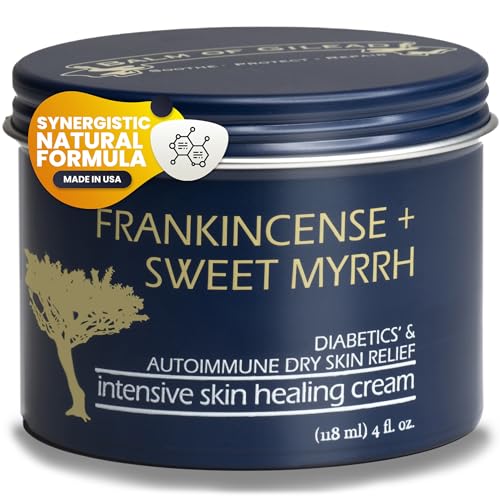
Some diabetic skin reacts to almost anything, which means the ingredient list matters more than the marketing. This Balm of Gilead cream uses a focused duo: frankincense and sweet myrrh, both wild-harvested for traceability, in a non-greasy base. The formula is built around vitamins A, C, D, E, and K, which support skin in different ways without piling on extras that might sting.
For reactive diabetic skin, the appeal is restraint. There’s no exfoliating acid, no menthol blast, just gentle, dense nourishment. It pairs well with the Shikai Borage cream if you want a rotation between two gentle options.
Noteworthy Benefits
- Frankincense and myrrh offer traditional skin-soothing properties.
- Multi-vitamin blend supports skin without added fragrance.
- Non-greasy base absorbs without residue.
- Designed specifically with diabetic skin in mind.
Less-Strong Areas
- Distinctive resin scent from the natural oils.
- No exfoliating power for thick calluses.
- Higher price per ounce than drugstore options.
Key Product Details
Made For
Diabetic users with reactive, sensitive skin who prefer gentle botanicals over stronger actives.
Where A Sibling Pick Shines
Thick callused heels still need stronger exfoliation, which the 60% Urea Foot Cream Stick with 2% Salicylic Acid handles in a more targeted way.
Manuka honey has built a strong reputation among people who deal with eczema, psoriasis, and dermatitis. It’s higher in methylglyoxal than regular honey, which gives it more antimicrobial activity where the skin barrier is compromised. Balm of Gilead pairs that with avocado oil and grass-fed tallow for a dense, nutrient-rich cream that feels closer to a balm than a lotion.
This isn’t an everyday cream for mildly dry feet; it’s a specialty tool. Anyone with overlapping skin conditions on top of diabetic dryness will find the ingredient combination unusually thoughtful. The texture is heavy, so expect to use it at night under cotton socks for best results.
What Makes Sense
- Manuka honey brings antibacterial and barrier-supportive properties.
- Avocado oil adds deep fatty acid nourishment.
- Grass-fed tallow mimics skin’s natural lipids.
- Useful for eczema, psoriasis, and dermatitis overlap.
Practical Considerations
- Heavy texture limits daytime use under shoes.
- Strong honey scent is polarizing.
- Higher price per ounce than standard foot creams.
The Right Fit
Diabetic users who also manage eczema or dermatitis and want a denser, restorative formula.
Consider Something Else When
You’re dealing with plain cracked heels without skin conditions, and the O’Keeffe’s for Healthy Feet Foot Cream 3 oz 2-Pack covers that more economically.
Manuka oil carries a much higher antimicrobial load than standard tea tree oil, often cited as twenty times stronger in key compounds. That makes this balm a focused tool for nail health, itchy feet, and stubborn dry patches that don’t respond to ordinary creams. The texture is closer to a soft balm than a cream, which means a little goes a long way and a 2 fl oz jar can last months.
Compared to the cream format of Balm of Gilead’s other options here, this one is for targeted application rather than broad coverage. Most people use it on toes, cuticles, and specific dry zones rather than the entire foot.
Benefits That Matter
- High-strength Manuka oil outperforms standard tea tree.
- Balm texture means efficient, long-lasting use.
- Targets nail health and itchy, irritated skin.
- Pure formulation without unnecessary fillers.
Possible Compromises
- Balm texture requires warming between fingers to apply.
- Strong tea tree scent may not suit everyone.
- Not intended as an all-over daily moisturizer.
Who Will Love This
Anyone focused on nail and cuticle health, or managing itchy, irritated foot skin between broader moisturizing routines.
Where Another Pick Suits Better
You need broad-feet hydration rather than targeted care, and the BALM OF GILEAD Foot Cream with Tea Tree and Eucalyptus covers that larger surface better.
What Matters Most Before Choosing Foot Moisturizers For Diabetics
Ingredient Sensitivity and Diabetic Skin
Diabetic skin often reacts to ingredients that wouldn’t bother anyone else. Fragrance, menthol, and certain preservatives can trigger contact irritation, and once the skin barrier is compromised, healing takes longer. Look for products that minimize unnecessary additives, especially if you’ve had reactions in the past.
A short patch test on a small area of skin is worth doing before committing to any new cream. Apply to the inside of the ankle or the side of the foot for two nights and watch for redness or stinging. Choosing a formula with fewer ingredients makes that test easier to interpret.
Active Ingredients vs Pure Moisture
Not all creams do the same job. Some are pure moisture barriers, designed to keep water in and irritants out. Others include active ingredients like urea or salicylic acid that actively break down rough skin. Knowing which you need matters more than brand loyalty.
Maintenance-mode feet generally do best with gentler formulas, while feet with thick calluses benefit from a short course of stronger exfoliation first. Many people end up using two products: one for correction and one for daily care.
Texture, Lifestyle, and Consistency
The right cream is the one you’ll actually use twice a day. Heavy ointments work hard but feel impractical under dress shoes. Light creams absorb quickly but may need reapplication. The texture that fits your routine will always outperform the “best” formula you can’t stand to apply.
For people on their feet all day, a non-greasy morning option plus a richer night cream covers both bases. Storing cream near the bed, the shower, or wherever you actually undress doubles the odds of consistent use.
Key Considerations Across These Picks
Mistakes Worth Dodging
Treating every foot cream as interchangeable is the most common slip-up. Diabetic skin benefits from formulas designed with slower healing in mind, not generic body lotions. Skipping a patch test is another frequent error, since reactions can show up after the second or third application, not the first.
Watch for products that lean heavily on fragrance or essential oils if you have reactive skin. Cooling and aromatherapy feel nice, but menthol and certain oils can sting compromised skin. Save those formulas for healthy-feeling days and keep a gentle cream on hand for flare-ups.
What The Higher Tier Buys
Premium foot creams in this category typically invest in concentrated active ingredients, naturally derived oils, and gentler sourcing. You’re paying for formulation depth rather than packaging, and the difference shows up in how little product you need per application. Higher-tier options also tend to include fewer fillers, which matters for reactive diabetic skin.
The upgrade pays off most for people with chronic skin issues layered on top of diabetic dryness. If your feet are mildly dry and well-behaved, mid-range drugstore options work fine. Spending up makes sense once you’ve outgrown what basic formulas can deliver.